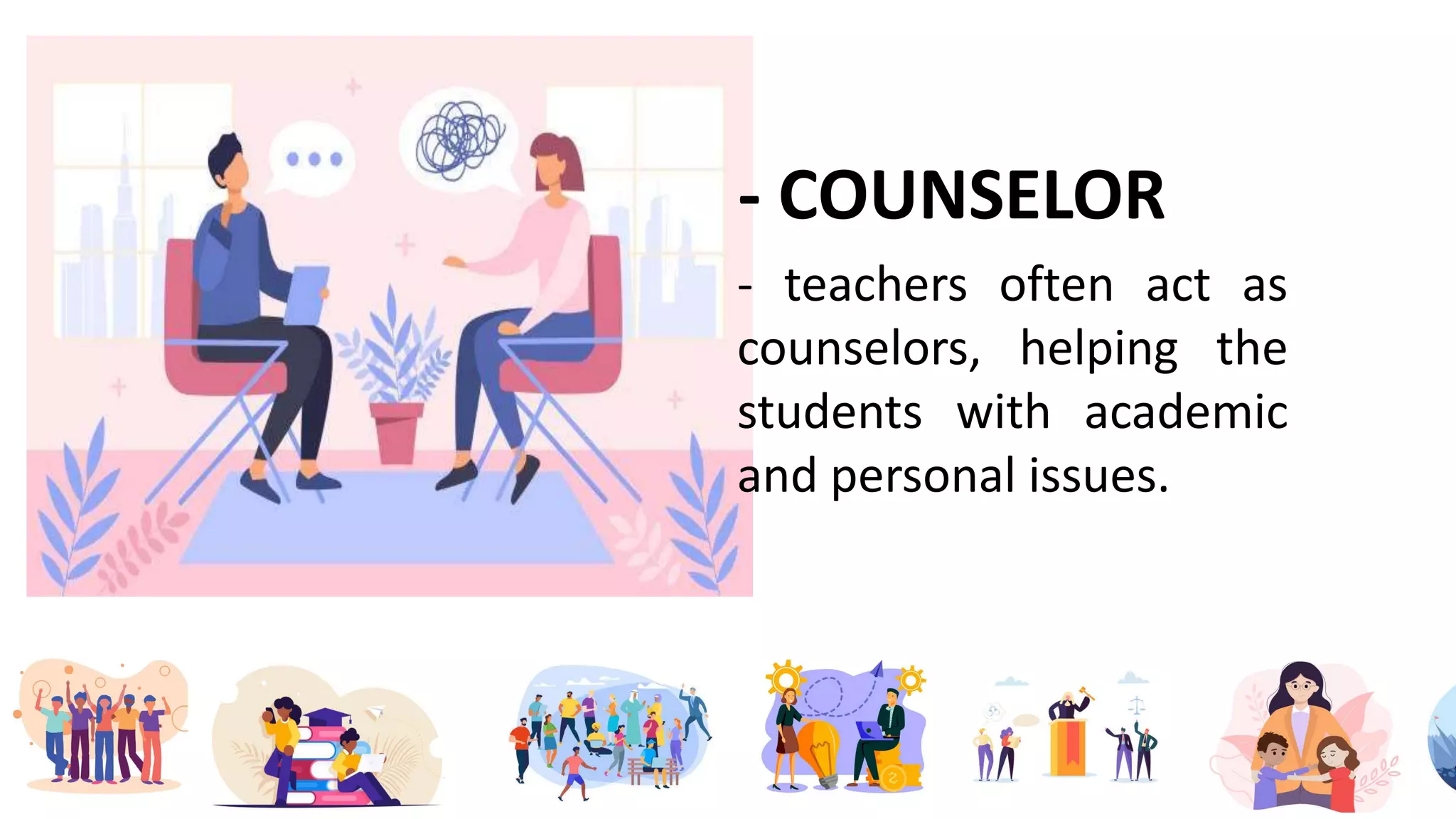
A counseling teacher serves as a vital bridge between academic instruction and emotional well-being, primarily responsible for delivering social-emotional learning (SEL) curricula and facilitating preventative mental health strategies directly within the classroom. By collaborating with lead teachers, they identify behavioral trends, implement de-escalation techniques, and ensure that the learning environment supports the psychological needs of every student.
In the educational landscape of 2026, the distinction between "instruction" and "support" has become increasingly fluid. The counseling teacher—often referred to as a school counselor with a pedagogical focus—is no longer confined to a private office waiting for students in crisis. Instead, they are active participants in the classroom ecosystem. This proactive integration is designed to dismantle barriers to learning before they manifest as academic failure or disciplinary issues.
The Evolution of Classroom-Based Counseling
Historically, the role of a school counselor was largely administrative or reactive, focused on scheduling or crisis intervention. However, modern educational standards have shifted toward a holistic model where mental health is viewed as a prerequisite for cognitive development. The counseling teacher now acts as a specialist who brings therapeutic insights into the instructional space.
This shift is rooted in the understanding that students cannot engage with complex mathematics or literacy if they are experiencing unregulated stress, food insecurity, or social isolation. By maintaining a consistent presence in the classroom, the counseling teacher can observe social dynamics in real-time, allowing for more accurate assessments than those gained from isolated one-on-one sessions. They utilize these observations to tailor "Tier 1" interventions—universal supports that benefit the entire student body.
Core Responsibilities in the Classroom Setting
The counseling teacher’s daily schedule is a blend of direct instruction and observational support. Their role is multifaceted, requiring them to switch between the hats of an educator and a mental health professional seamlessly.
Delivering Social-Emotional Learning (SEL) Curricula
The primary vehicle for a counseling teacher's classroom presence is the delivery of SEL lessons. These are structured sessions that teach students how to manage emotions, set positive goals, feel and show empathy for others, and establish positive relationships.
In 2026, SEL is often integrated into the core curriculum rather than treated as an elective "add-on." The counseling teacher leads units on conflict resolution, digital citizenship, and stress management. By teaching these skills in the classroom, they ensure that students have a shared vocabulary for expressing their needs, which significantly reduces the burden on the lead teacher to manage interpersonal disputes during academic time.
Facilitating Preventative Workshops
Beyond standard SEL, counseling teachers lead targeted workshops on topics relevant to the specific developmental stage of the students. In elementary settings, this might involve "friendship groups" or lessons on body autonomy. In secondary settings, the focus often shifts to career exploration, substance abuse prevention, and the psychological impact of social media. These workshops are preventative; the goal is to equip students with the resilience and knowledge to navigate challenges before they escalate into significant life hurdles.
Behavioral Observation and Strategy Implementation
While a lead teacher focuses on the delivery of academic content, the counseling teacher often takes a "fly-on-the-wall" approach to observe student behavior. They look for subtle cues of withdrawal, agitation, or social friction. Following these observations, they consult with the classroom teacher to modify the environment. This might involve changing a seating chart to mitigate distractions or introducing "calm-down kits" into the classroom corner to help students self-regulate without leaving the room.
Collaboration with the Lead Teacher
The relationship between the lead teacher and the counseling teacher is a partnership. For a classroom to function at its peak, these two professionals must align their goals and methods. This collaboration typically manifests in several key areas.
Co-Teaching and Integration
Effective counseling teachers do not just "take over" the class for 30 minutes; they co-teach. For example, during a literature lesson about a protagonist facing a moral dilemma, the counseling teacher might lead a discussion on empathy and decision-making frameworks. This makes the counseling content feel relevant to the students' academic work, reinforcing the idea that emotional intelligence is a life skill, not just a school subject.
Providing "In-the-Moment" Support
When a student experiences a meltdown or a behavioral outburst, the lead teacher is often torn between helping that individual and maintaining the flow of the lesson for the other 25 students. The counseling teacher provides the capacity to handle these moments. They can step in to de-escalate the situation using trauma-informed techniques, allowing the lead teacher to continue instruction. This minimizes the "audience effect" that often worsens student outbursts and keeps the classroom a safe space for everyone.
Data-Driven Behavioral Planning
Counseling teachers are experts in analyzing behavioral data. They work with teachers to track the frequency and triggers of specific behaviors. Together, they develop Functional Behavioral Assessments (FBAs) and Behavioral Intervention Plans (BIPs). By working inside the classroom, the counseling teacher can ensure these plans are being implemented correctly and can make real-time adjustments based on what they see working—or failing.
Comparative Roles: Counseling Teacher vs. Lead Teacher
To understand the specific niche of the counseling teacher, it is helpful to compare their primary focus areas with those of the traditional classroom instructor.
| Feature | Lead Teacher Focus | Counseling Teacher Focus |
|---|---|---|
| Primary Goal | Mastery of academic standards and curriculum. | Development of social-emotional and life skills. |
| Assessment Type | Tests, quizzes, and projects. | Behavioral observations and self-reporting. |
| Student Interaction | Group-led instruction and academic feedback. | Individualized support and emotional coaching. |
| Classroom Management | Establishing rules, routines, and consequences. | Identifying underlying causes of behavior. |
| Documentation | Grading and academic progress reports. | IEP/504 goal tracking and behavioral logs. |
| Intervention Style | Differentiated instruction for learning needs. | Therapeutic techniques for emotional regulation. |
Specialized Interventions and Support
The classroom role of a counseling teacher extends into specialized territory, particularly for students with diverse learning needs or those experiencing significant life transitions.
Supporting IEPs and 504 Plans
For students with Individualized Education Programs (IEPs) or 504 Plans, the counseling teacher is often the primary advocate for the "emotional and social" goals listed in those documents. They ensure that accommodations—such as extended time due to anxiety or frequent breaks for sensory regulation—are not just written on paper but are actively supported in the classroom. They provide the lead teacher with the specific tools needed to meet these legal requirements without sacrificing the quality of instruction.
Crisis Intervention and De-escalation
While the goal is prevention, crises do occur. In these moments, the counseling teacher's presence in the classroom is invaluable. They are trained in specific de-escalation protocols, such as the Crisis Prevention Institute (CPI) techniques or restorative justice circles. By managing a crisis within or near the classroom, they help maintain a sense of security for the other students, who might otherwise be traumatized by seeing a peer in distress.
Trauma-Informed Pedagogy
In 2026, many schools have adopted trauma-informed practices as a standard. The counseling teacher leads the charge in this area, helping lead teachers understand how childhood adversity affects brain development and learning. They might suggest changes to the classroom's physical layout, such as lighting adjustments or the creation of "safe zones," to help students who have experienced trauma feel more secure and ready to learn.
Qualifications and Professional Ethics
A counseling teacher is a highly qualified professional. In most jurisdictions, they must hold a Master’s degree in School Counseling or a related field, along with state-specific teaching or counseling certifications. This dual background is what allows them to bridge the gap between the teacher’s lounge and the counselor’s office.
Ethical Boundaries in the Classroom
One of the most complex aspects of the role is maintaining confidentiality while working in a public classroom. Unlike a private therapy session, classroom interactions are visible. Counseling teachers must navigate the fine line between providing support and respecting a student’s privacy. They generally use "discreet support" techniques, such as non-verbal cues or brief check-ins during independent work time, to ensure students don't feel singled out or stigmatized.
Professional Development
Counseling teachers also serve as a resource for the professional growth of their colleagues. They often lead workshops for other teachers on topics like recognizing signs of depression, managing teacher burnout, and implementing restorative justice in the classroom. This "train-the-trainer" approach amplifies their impact, as the strategies they share are implemented even when they aren't physically in the room.
Measuring the Impact of Classroom Counseling
The effectiveness of a counseling teacher is measured through both qualitative and quantitative data. Schools look at several key indicators to determine the success of these programs:
- Reduction in Disciplinary Referrals: A strong counseling presence typically leads to fewer "office referrals" as conflicts are resolved in the classroom.
- Improved Attendance: Students who feel emotionally supported and safe are more likely to attend school consistently.
- Academic Growth: There is a proven correlation between social-emotional health and the ability to process and retain academic information.
- Student Climate Surveys: Direct feedback from students often reveals a greater sense of belonging and safety when a counseling teacher is a regular part of their classroom experience.
Common Challenges and Troubleshooting
Despite the benefits, the role is not without its difficulties. Role ambiguity is a common issue; sometimes, lead teachers may view the counseling teacher as a "glorified teaching assistant," or the counselor may feel they are being used for purely administrative tasks.
To troubleshoot these issues, schools must establish clear "Memorandums of Understanding" (MOUs) that define the counselor’s role. Time management is another hurdle, as one counselor may be responsible for multiple classrooms. Successful schools solve this by scheduling "counseling blocks" into the master schedule, ensuring that the counseling teacher has dedicated, uninterrupted time with each class.
Frequently Asked Questions
What is the difference between a school counselor and a counseling teacher?
While the terms are often used interchangeably, a "counseling teacher" often has a stronger pedagogical background and spends a larger percentage of their time delivering instruction in the classroom compared to a traditional school counselor who might focus more on individual or small-group sessions in an office.
Can a counseling teacher give my child therapy?
No. While they use therapeutic techniques, counseling teachers provide "school-based counseling," which is focused on removing barriers to learning. They do not provide long-term clinical therapy for mental health disorders. If a child needs intensive therapy, the counseling teacher will help the family find outside community resources.
How often does the counseling teacher visit the classroom?
This varies by school and grade level. In many modern 2026 school models, a counseling teacher may lead a formal lesson once a week and provide observational support or co-teaching for several additional hours per week depending on the needs of the students.
Does the counseling teacher help with college applications?
In secondary schools, yes. Part of the classroom role involves "post-secondary planning," where they lead workshops on college applications, vocational training, and financial aid. They bring these resources into the classroom to ensure every student has access to the information, regardless of their ability to schedule a private meeting.
What should I do if my child is uncomfortable with the counseling teacher?
Parents should communicate directly with both the lead teacher and the counseling teacher. Because the counselor's role is to support the student, they are usually very open to adjusting their approach to ensure the student feels safe and respected.
Practical Recommendation for Schools
For schools looking to maximize the impact of their counseling staff, the most effective next step is to move toward a Co-Counseling Model. This involves scheduling the counselor for consistent, non-negotiable "classroom hours" rather than using them as an "on-call" resource for crises. When students see the counselor as a regular, supportive fixture in their daily learning environment, the stigma of seeking help vanishes, and the overall classroom culture shifts from one of management to one of mentorship.