Atlantic County is a diverse coastal region in southeastern New Jersey, serving as a critical hub for international tourism, aviation technology, and agricultural production. As of 2026, it remains defined by the economic powerhouse of Atlantic City’s gaming industry, the sprawling protected landscapes of the Pinelands National Reserve, and a rapidly expanding research corridor anchored by the FAA William J. Hughes Technical Center.
The Strategic Geography of Atlantic County
Atlantic County encompasses approximately 561 square miles of land and 50 square miles of water, positioned roughly 100 miles south of New York City and 60 miles southeast of Philadelphia. Its geographic identity is split between two distinct environmental zones: the coastal barrier islands and the inland Atlantic coastal plain.
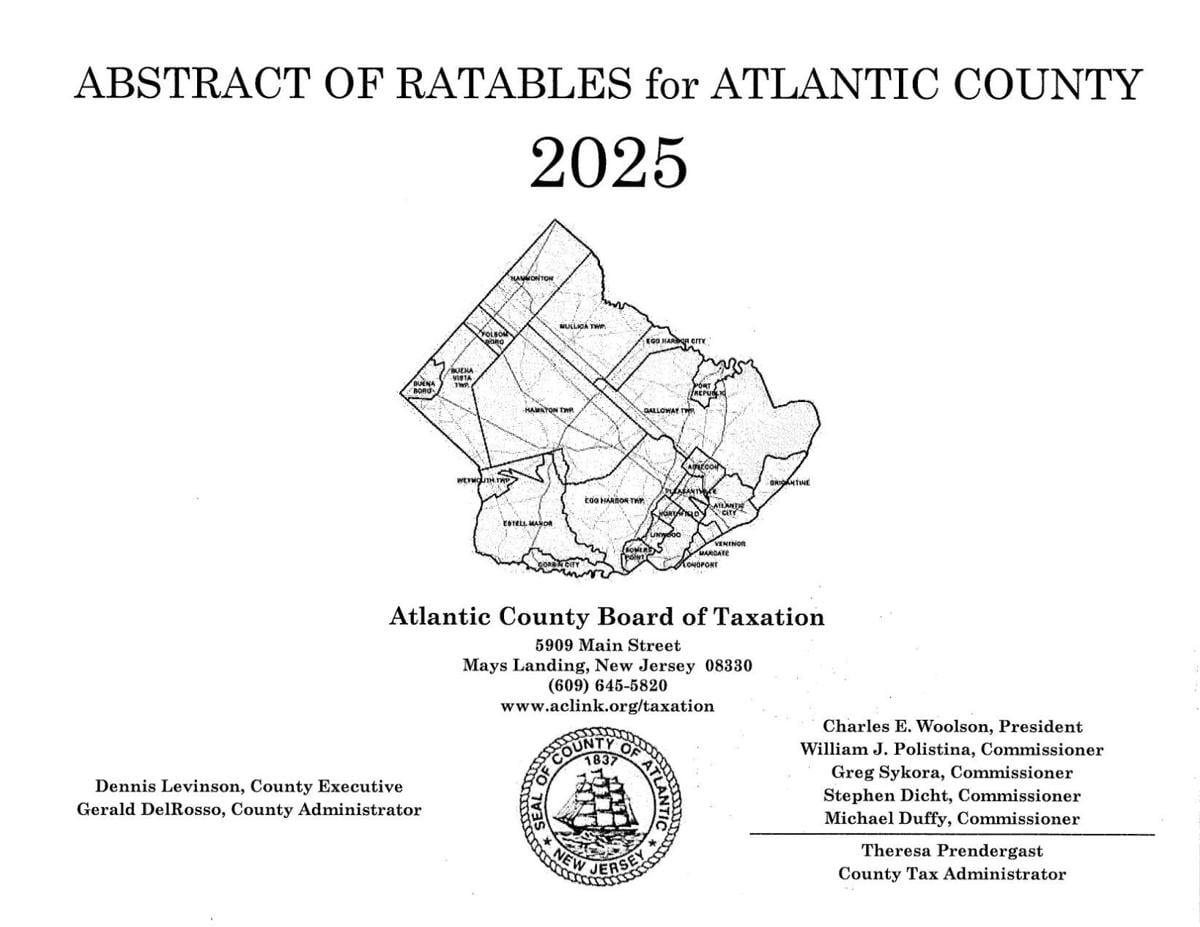
The eastern edge of the county is dominated by the Atlantic Ocean and a series of back-bay estuaries. This coastal zone includes the barrier island communities of Atlantic City, Ventnor, Margate, Longport, and Brigantine. These areas are characterized by high-density development, seasonal population surges, and significant vulnerability to sea-level rise, which has prompted extensive beach replenishment and resiliency projects through 2026.
Moving inland, the topography shifts into the Pine Barrens, a unique ecosystem of pitch pine and scrub oak forests. Roughly 40% of Atlantic County lies within the Pinelands National Reserve, which subjects large swaths of the county to strict land-use regulations managed by the New Jersey Pinelands Commission. This geographic split creates a unique administrative challenge: balancing the intensive urban development of the coast with the stringent environmental preservation requirements of the interior.
The Economic Pillars: Beyond the Boardwalk
While the global perception of Atlantic County is often synonymous with the casinos of Atlantic City, the regional economy is a multifaceted structure supported by hospitality, healthcare, agriculture, and emerging green energy sectors.
The Hospitality and Gaming Sector
The gaming industry remains a primary employer and tax revenue driver. In 2026, the industry continues to evolve through the integration of online sports betting and "brick-and-mortar" casino experiences. The Casino Reinvestment Development Authority (CRDA) plays a pivotal role in redirecting a portion of gaming taxes into community development projects, ranging from affordable housing to infrastructure improvements in the Atlantic City Tourism District.
The Agriculture Industry
In the western portion of the county, Hammonton holds the title of the "Blueberry Capital of the World." Agriculture is a massive economic contributor, with hundreds of farms producing cranberries, peaches, and various row crops. The industry is supported by a robust network of processing facilities and seasonal labor structures. By 2026, many of these farms have integrated precision agriculture technologies, such as drone monitoring and automated irrigation, to combat shifting climate patterns and rising operational costs.
Healthcare and Social Services
AtlantiCare, a member of the Geisinger Health System, is the county's largest non-gaming employer. With major campuses in Galloway and Atlantic City, the healthcare sector provides stability to the local labor market. The presence of specialized trauma centers and regional cancer institutes ensures that the county serves as a medical destination for the wider South Jersey region.
The Aviation and Technology Corridor
A significant shift in Atlantic County's 2026 economic profile is the growth of the National Aviation Research and Technology Park (NARTP). Located in Egg Harbor Township, this hub leverages the proximity of the FAA William J. Hughes Technical Center—the nation’s premier federal laboratory for aviation research and development.
This corridor focuses on several key technical areas:
- Unmanned Aircraft Systems (UAS): Testing and integration of drones into the national airspace.
- NextGen Technology: Modernizing air traffic control systems through satellite-based navigation and digital communications.
- Aviation Cybersecurity: Developing protocols to protect commercial and federal flight systems from digital interference.
The growth of the NARTP has attracted defense contractors and aerospace startups, creating a "secondary economy" of high-paying engineering and technical roles that counteract the seasonal fluctuations of the tourism industry.
Governance and Administrative Structure
Atlantic County operates under the County Executive form of government, established by the Optional County Charter Law. This structure divides power between an elected County Executive, who handles administrative and executive functions, and a Board of County Commissioners (formerly Freeholders), who serve as the legislative body.
The county seat is located in Mays Landing (Hamilton Township), rather than Atlantic City. This inland location serves as the administrative heart, housing the county courthouse, the prosecutor's office, and the main administrative buildings.
Key Departments and Services
- Public Works: Manages over 370 miles of county roads and dozens of bridges, essential for the high-volume traffic flowing toward the shore.
- Public Safety: Includes the Atlantic County Justice Facility and the Office of Emergency Management, which is particularly active during the Atlantic hurricane season (June 1 – November 30).
- Human Services: Administers social welfare programs, aging services, and public health initiatives through the Atlantic County Department of Family and Community Development.
Infrastructure and Transportation Networks
The functionality of Atlantic County depends on a robust transportation grid designed to move millions of visitors annually.
Roadways
Three major arteries define the county's connectivity:
- The Atlantic City Expressway: A tolled highway connecting the Philadelphia metropolitan area directly to Atlantic City.
- The Garden State Parkway: A north-south artery connecting the county to Northern New Jersey and New York.
- Route 30 (White Horse Pike) and Route 40 (Black Horse Pike): Primary non-toll routes that service the inland municipalities and provide commercial access.
Public Transit and Rail
NJ Transit operates the Atlantic City Line, providing rail service between Atlantic City and Philadelphia's 30th Street Station. Within the county, an extensive bus network connects residential areas to major employment hubs. The "Jitney" service in Atlantic City provides a localized, high-frequency shuttle system that is a cultural and logistical staple of the shoreline.
Atlantic City International Airport (ACY)
Located in Egg Harbor Township, ACY serves as a dual-use facility, hosting both commercial flights and the New Jersey Air National Guard's 177th Fighter Wing. It serves as a vital relief airport for the Philadelphia and New York corridors and is a centerpiece of the regional aviation technology strategy.
Education and Workforce Development
The educational landscape in Atlantic County is designed to feed the local economy’s diverse needs, from hospitality management to aerospace engineering.
Stockton University
Stockton University is the county’s flagship higher education institution. Its main campus in Galloway is set within the Pinelands, while its Atlantic City residential campus has spurred significant redevelopment in the city's Chelsea neighborhood. Stockton is well-regarded for its environmental science, healthcare, and hospitality programs.
Atlantic Cape Community College (ACCC)
With campuses in Mays Landing and Atlantic City, ACCC provides vocational training and associate degrees. Its Academy of Culinary Arts is particularly influential, supplying the region’s casinos and restaurants with skilled labor.
Residential Life and the Real Estate Market
In 2026, Atlantic County offers a wide spectrum of residential environments. The "Downbeach" communities (Ventnor, Margate, Longport) feature some of the highest property values in the state, primarily consisting of luxury vacation homes and upscale primary residences.
In contrast, the "Mainland" communities like Linwood, Northfield, and Somers Point offer traditional suburban living with highly rated school districts. Egg Harbor Township and Hamilton Township have seen the most significant residential growth over the last decade, offering a mix of planned developments and rural properties.
Key Municipalities Data Comparison (2026 Estimates)
| Municipality | Primary Character | Key Economic Driver | Notable Feature |
|---|---|---|---|
| Atlantic City | Urban / Resort | Gaming & Tourism | The Boardwalk |
| Hammonton | Rural / Agricultural | Blueberries & Ag-Tech | Mount Fuji of the East |
| Galloway | Suburban / Academic | Education & Healthcare | Stockton University |
| Egg Harbor Twp | Suburban / Tech | Aviation & Retail | FAA Technical Center |
| Margate City | Coastal Residential | Real Estate & Seasonal Tourism | Lucy the Elephant |
| Hamilton Twp | Suburban / Civic | County Government & Retail | Hamilton Mall District |
Recreation and Natural Preservation
Beyond the bright lights of the casinos, Atlantic County offers extensive outdoor recreational opportunities.
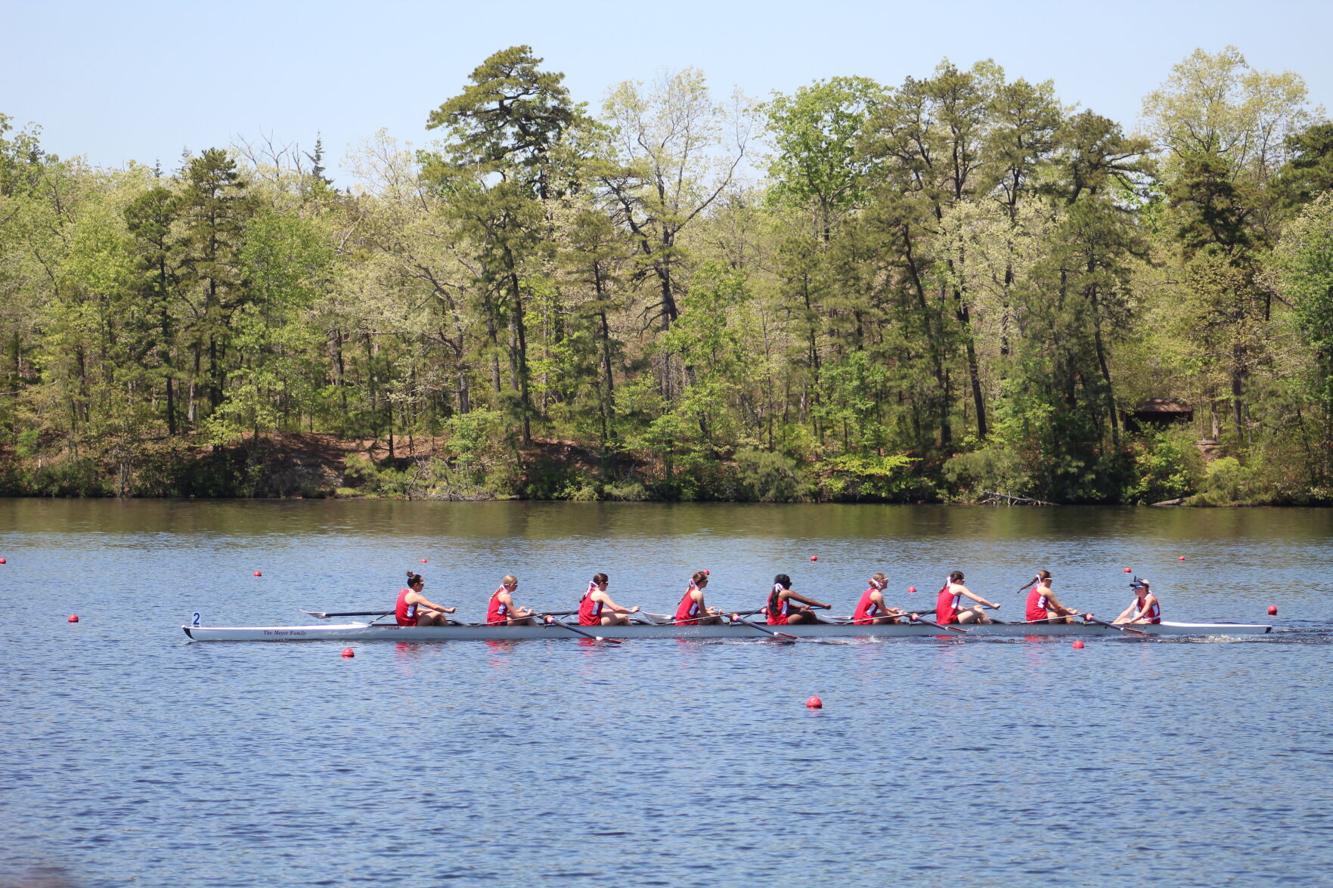
- The Atlantic County Park System: Includes over 7,500 acres of land. Lake Lenape Park in Mays Landing is a hub for boating and camping, while Estell Manor Park offers historical ruins and extensive hiking trails.
- Wildlife Refuges: The Edwin B. Forsythe National Wildlife Refuge protects more than 47,000 acres of coastal habitats. It is a critical stopover for migratory birds and offers some of the best bird-watching on the East Coast.
- Golfing: The county is a premier golf destination, home to world-class courses such as the Atlantic City Country Club (where the term "birdie" was reportedly coined) and Seaview Hotel and Golf Club.
Environmental Challenges and the Green Energy Shift
By 2026, Atlantic County has become a focal point for New Jersey’s transition to renewable energy. The Atlantic Shores Offshore Wind project, located miles off the coast, uses Atlantic City as a primary operations and maintenance hub. This has brought new maritime jobs and infrastructure investments to the city’s Inlet section.
However, environmental management remains a priority. The county frequently collaborates with the New Jersey Department of Environmental Protection (NJDEP) on coastal protection strategies, including dune restoration and the installation of "living shorelines" to mitigate erosion and flooding during storm events.
FAQs about Atlantic County
What is the difference between "Mainland" and "Downbeach"?
"Mainland" refers to the municipalities located on the continental landmass of New Jersey, such as Linwood, Northfield, and Egg Harbor Township. "Downbeach" specifically refers to the upscale residential communities on Absecon Island—Ventnor, Margate, and Longport—located south of Atlantic City.
Where is the administrative center of Atlantic County located?
While Atlantic City is the most famous city, the county seat is Mays Landing, which is part of Hamilton Township. Most major county government offices, the judicial complex, and the county jail are located there.
How has the FAA Technical Center impacted the local economy?
The FAA William J. Hughes Technical Center has transformed the region into a tech hub. It employs thousands of high-skilled workers and has led to the development of the National Aviation Research and Technology Park, diversifying the economy away from a sole reliance on tourism.
Is Atlantic County part of the Pine Barrens?
Yes, approximately 40% of the county's land area falls within the Pinelands National Reserve. This means that development in those areas is strictly regulated by the Pinelands Commission to protect the Cohansey Aquifer and unique local flora and fauna.
What are the main transportation options for commuters?
Commuters primarily use the Atlantic City Expressway and Garden State Parkway for car travel. For public transit, the NJ Transit Atlantic City Line provides rail links to Philadelphia, and an extensive bus network covers the majority of the county's inland and coastal hubs.
Final Recommendation for Residents and Investors
For those looking to engage with Atlantic County in 2026, the key is diversification. Investors should look toward the "Aviation Corridor" in Egg Harbor Township for long-term growth driven by federal and private tech investment. New residents seeking a balance of amenities and value often find the mainland communities like Galloway and Hamilton Township to be the most sustainable options. Always consult the Official Atlantic County Government Website for the latest updates on zoning, tax assessments, and public services before making major property or business decisions.