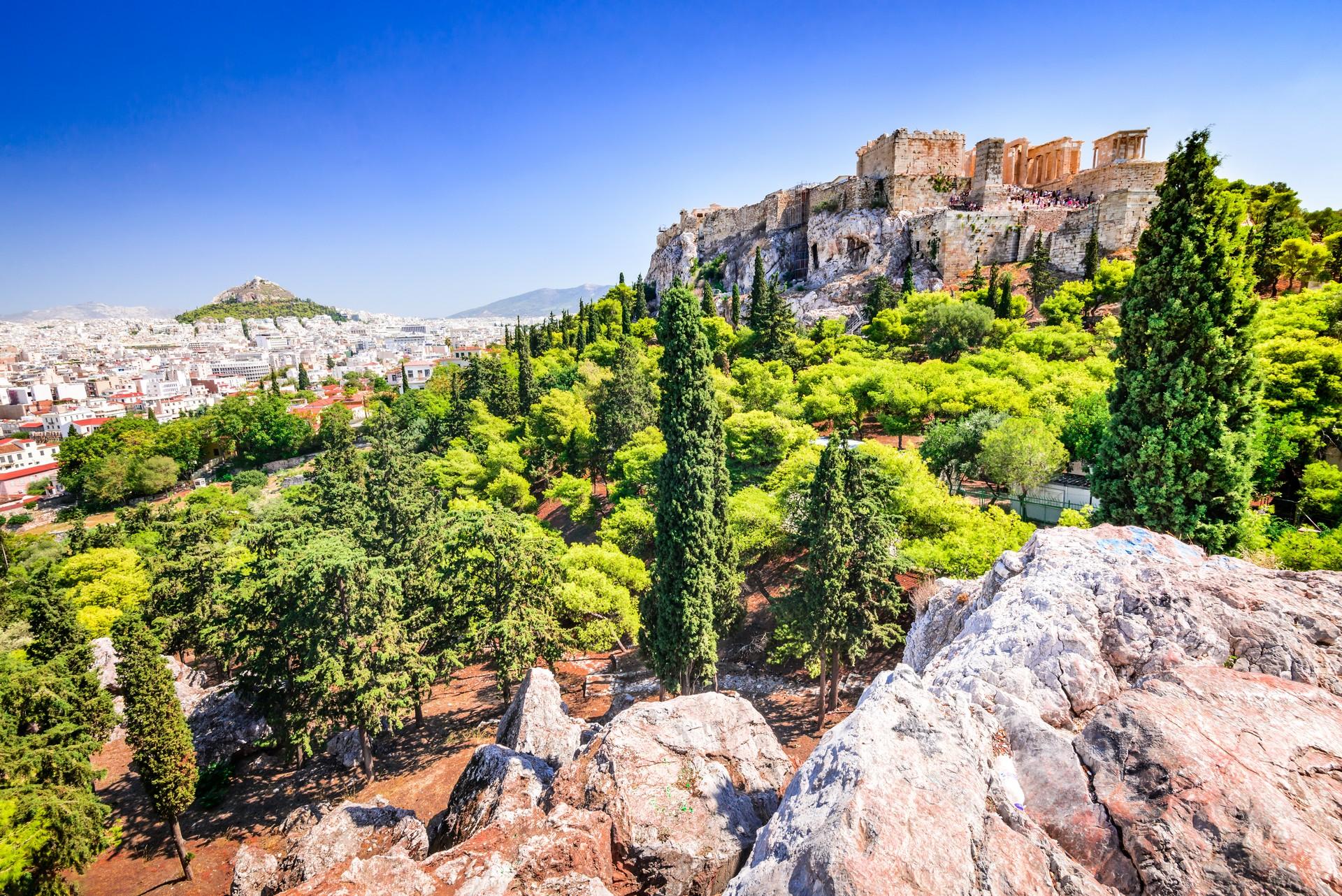
Visiting Athens in October offers a strategic advantage for travelers seeking to balance temperate weather with reduced crowd density. As the sweltering heat of the Mediterranean summer subsides, the city transitions into a phase defined by mild, fluctuating temperatures and increased precipitation likelihood, requiring specific packing strategies and itinerary adjustments to ensure a comfortable experience.
Understanding the October Climate in Athens
October serves as a shoulder season in the Greek capital, marking the definitive end of the peak summer tourism cycle. Meteorologically, the city experiences a significant decline in average temperatures compared to September. You can expect daily highs typically hovering between 20°C (68°F) and 24°C (75°F), with nighttime lows cooling down to roughly 14°C (57°F) to 16°C (61°F).
While the air is crisp, the "climate reality" of October involves a heightened risk of rainfall compared to the bone-dry summer months. Data suggests an average of six to eight rainy days throughout the month. These are rarely persistent storms; rather, they often manifest as short, sharp bursts of cyclonic weather that pass through the Attica basin quickly. Because the sun still remains quite strong during the midday hours, the sensation of warmth can be deceptive. A day that begins with a chilly, overcast breeze can transform into a bright, T-shirt-weather afternoon, followed by a damp, cool evening.
The Impact of Humidity and Wind
One factor frequently overlooked by first-time visitors is the influence of regional winds, particularly the "Meltemi," which generally dissipates by late September, leaving October with more localized, shifting air patterns. Humidity levels begin to rise slightly as the Mediterranean Sea retains the heat absorbed over the summer, occasionally leading to foggy mornings in low-lying areas near the coastline of the Athenian Riviera.
For travelers, this means the "real feel" of the temperature is often dictated by whether you are standing in the direct, low-angle sun or in the shaded alleys of the Plaka district. When planning your daily excursions to the Acropolis or the Ancient Agora, layering is not merely a suggestion; it is a tactical necessity.
Strategic Traveler Choices: Itinerary Planning
Given the variable nature of October, your approach to sightseeing must be flexible. The most critical decision is to prioritize outdoor archaeological sites during the early morning or mid-afternoon, avoiding the hours when the sun might be obscured by cloud cover or when sudden gusts might make exposed hilltop sites like the Parthenon uncomfortable.
Recommended Strategy for Archaeological Sites
- Early Morning (8:00 AM – 10:30 AM): Ideal for the Acropolis and the Temple of Olympian Zeus. The light is soft for photography, and you avoid the remnants of late-season cruise ship crowds that typically arrive by mid-morning.
- Mid-Day (11:00 AM – 3:00 PM): Utilize this time for indoor cultural experiences. Athens is home to world-class museums, such as the Acropolis Museum and the National Archaeological Museum, which provide climate-controlled environments perfect for escaping an afternoon drizzle.
- Late Afternoon (4:00 PM – 7:00 PM): Perfect for wandering the pedestrianized streets of the historic center, such as Monastiraki or Psyri, where the cooling temperatures make walking through the dense urban fabric pleasant.
Comparative Analysis: October vs. Peak Season
To decide if October is the right time for your visit, it is helpful to weigh the operational differences between the high season and this transition period.
| Feature | Peak Season (June–August) | Shoulder Season (October) |
|---|---|---|
| Crowd Density | Extremely High | Moderate to Low |
| Average Daytime Temp | 30°C – 35°C (86°F – 95°F) | 20°C – 24°C (68°F – 75°F) |
| Outdoor Comfort | Challenging due to heat | Optimal for walking |
| Rain Risk | Near Zero | Moderate (Occasional showers) |
| Pricing (Flights/Hotels) | Premium / Peak Pricing | Value-oriented / Reduced |
| Site Accessibility | High (Long queues) | High (Minimal wait times) |
Packing Requirements for the Variable October
Because October in Athens is a period of transition, your suitcase should avoid the extremes of summer linens or heavy winter wools. Instead, focus on a modular wardrobe.
- Footwear: High-quality, broken-in walking shoes are mandatory. The marble surfaces at many historic sites become slippery even with minimal moisture; ensure your soles have adequate grip.
- Layering Pieces: A light, windproof jacket or a versatile trench coat is essential for evenings and potential overcast afternoons.
- The "Rain-Ready" Kit: A compact, high-quality travel umbrella that can withstand gusts is more effective than a disposable one. Many shops in Athens sell them, but carrying your own ensures you are prepared when a sudden shower hits near the archaeological sites.
- Day Bag: Use a waterproof or water-resistant backpack to protect electronics and travel documents during unexpected weather shifts.
Addressing Common Traveler Pitfalls
The most frequent mistake travelers make in October is assuming that the "summer season" rules still apply. Some smaller boutique hotels or seasonal establishments in the Athenian suburbs or nearby islands may begin to wind down operations toward the end of the month. Always verify the opening hours of specific museums and sites, as they often shift to "winter hours" (which involve closing earlier in the day) starting in late October or early November.
Furthermore, do not ignore the power of the sun. Even if the thermometer reads 20°C, the UV index can still be significant in the Mediterranean. Sunscreen remains a required item in your daily kit, particularly when spending extended time on the reflective white marble surfaces of the Acropolis.
Health and Safety Considerations
Athens is a safe, modern capital, but visitors should be aware of the "climate-driven" aspects of health. The transition of seasons can occasionally trigger allergies or respiratory sensitivities due to changes in pollen or dust patterns in the city. If you are sensitive to changes in air quality, ensure you have necessary medications before departure, as pharmacy accessibility may vary during local public holidays or weekends.
Additionally, always observe the regulations at archaeological sites. It is strictly prohibited to touch the marble ruins, and this rule is enforced rigorously regardless of the time of year. During potentially slippery conditions after a rain, stay strictly on designated paths to avoid injury on the uneven, ancient terrain.
Frequently Asked Questions
Does it rain enough in October to ruin a trip to Athens? No. While October has more rain than the summer months, the precipitation typically manifests as short, intense showers. These events are rarely long enough to disrupt an entire day of sightseeing and often leave the city air cleaner and more refreshing.
Are the islands accessible from Athens in October? Yes, ferry services continue to operate, though schedules may be reduced compared to the summer. If you intend to visit nearby islands like Aegina or Hydra, check the ferry providers' websites in advance, as high winds occasionally cause last-minute cancellations.
Is it necessary to book major sites in advance during October? While you do not face the same crushing crowds as in July or August, it remains best practice to purchase tickets for the Acropolis online. This allows you to bypass the ticket office queues entirely, saving valuable time during your day.
What is the best time of day for photography in Athens in October? The "golden hour" in October is magnificent. Because the sun is at a lower angle throughout the day, the light is less harsh than in summer. The hour before sunset provides a warm, diffused glow that is ideal for photographing the Parthenon and the panoramic views from Mount Lycabettus.
Are all tourist services operational throughout October? Most major services, including public transport, the Athens Metro, and major museums, operate on full schedules. However, some seasonal kiosks or outdoor cafes in the suburbs may shorten their hours or close permanently for the season toward the very end of the month.
Recommendation for Success
For the most rewarding experience in October, adopt an "early-bird, indoor-afternoon" schedule. Start your day as soon as the main sites open to capitalize on the temperate, dry morning air. By the time the afternoon potentially brings a cloud cover or a brief shower, position yourself in the vicinity of the city’s many historic indoor cafes or museums. This approach minimizes the impact of the climate variability while maximizing your exposure to the rich history of the city. By respecting the transition of the season, you gain access to the capital’s greatest treasures without the physical and logistical burdens of peak summer tourism.