When a motorist in California signs an assignment of benefits (AOB) agreement, they transfer their insurance policy's rights or benefits to a third party, such as a collision repair facility, glass shop, or medical provider. While AOB agreements are famously scrutinized within California property and casualty insurance—particularly concerning homeowner claims and water damage restoration—their mechanics, legal enforceability, and operational frameworks look drastically different within the auto insurance sector. California maintains a uniquely protective regulatory environment governed by the Department of Insurance (CDI) and specific state statutes that strictly regulate how third parties can step into the shoes of a policyholder.
Navigating this terrain requires an understanding of how insurance policies function as personal contracts, the limitations imposed by California case law and statutory codes, and the distinction between a formal assignment of benefits versus a simple direction to pay. Policyholders, repair shops, and medical providers must carefully evaluate how these agreements intersect with the implied covenant of good faith and fair dealing, loss-payment provisions, and anti-assignment clauses embedded within standard automobile insurance policies. This guide explores the legal status, operational mechanics, consumer implications, and practical risks associated with assignments of benefits within the California auto insurance ecosystem.
Defining Assignment of Benefits in the Context of California Auto Insurance
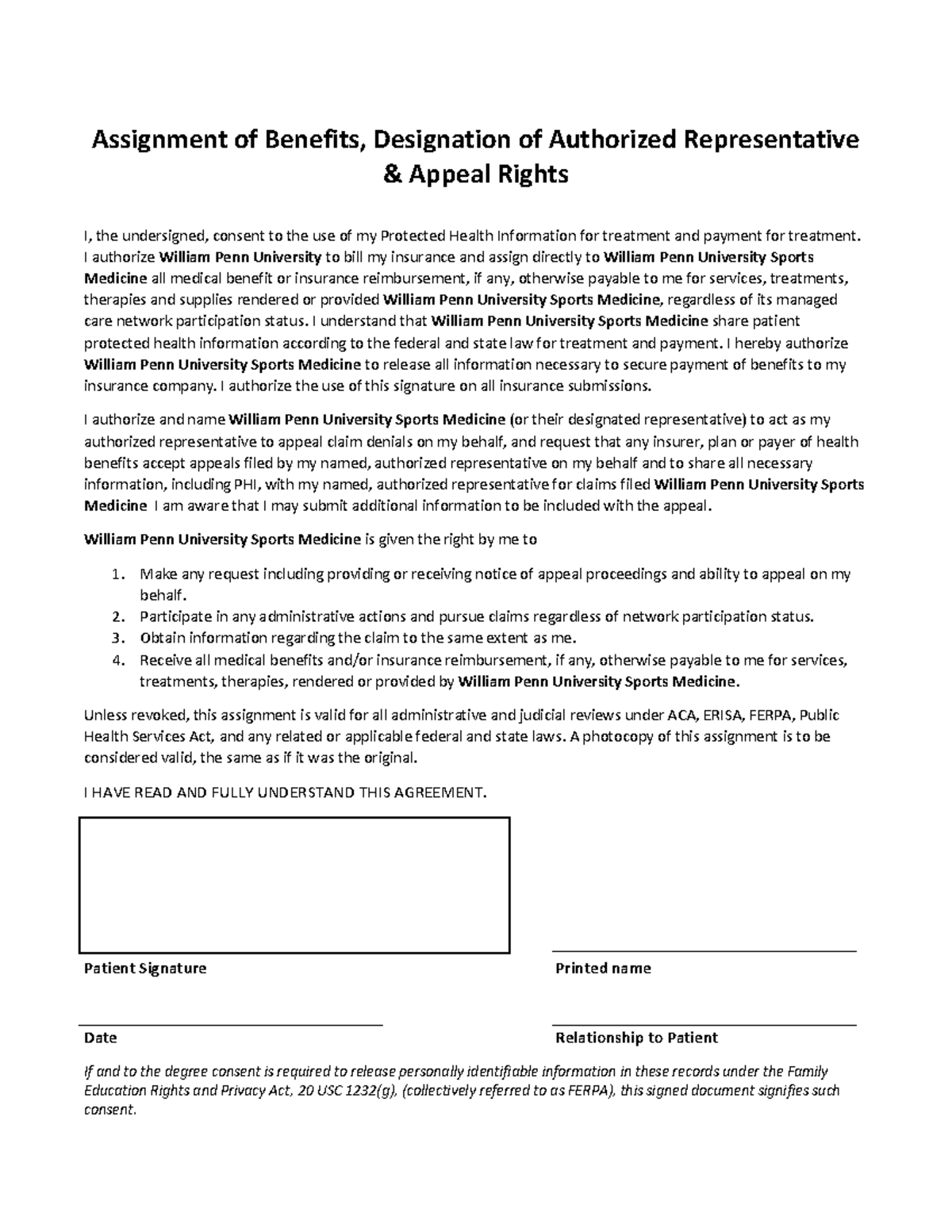
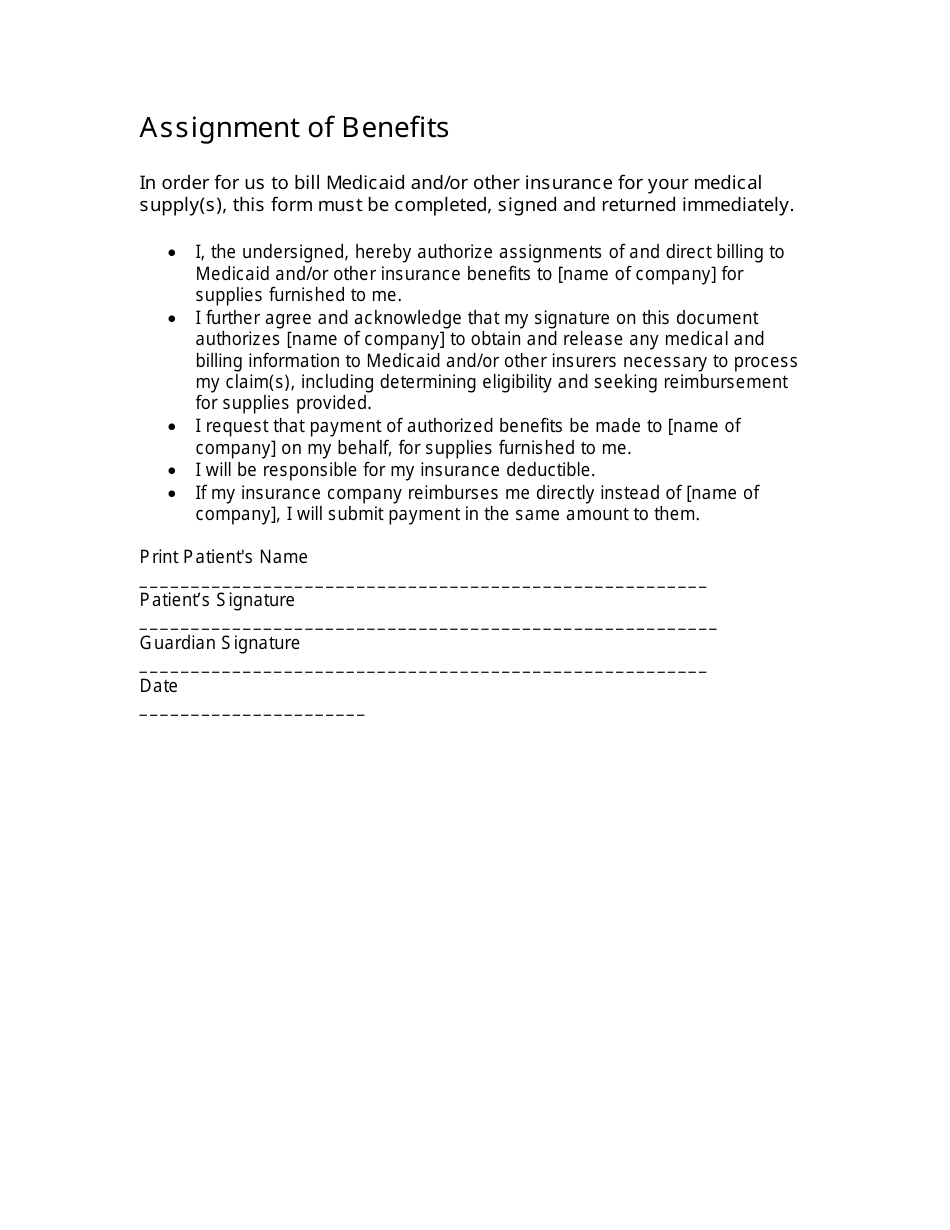
An assignment of benefits is a legal transfer of contractual rights from the insured party (the policyholder) to a service provider. In the automotive world, this typically occurs when a vehicle owner takes their car to a body shop after a collision and signs a document allowing the shop to bill the insurance company directly and collect payment on the policyholder's behalf.
However, under California insurance law, an auto insurance policy is a personal contract between the insurer and the named insured. These contracts almost universally contain anti-assignment clauses. These clauses dictate that the policyholder cannot assign the policy—or claims arising under it—to a third party without the express written consent of the insurance carrier, particularly before a loss has occurred. Once a loss has occurred, the legal landscape shifts slightly regarding post-loss claims, but auto insurers in California aggressively defend their rights to control repair processes, manage labor rates, and inspect damaged property under the specific terms of the insurance contract.
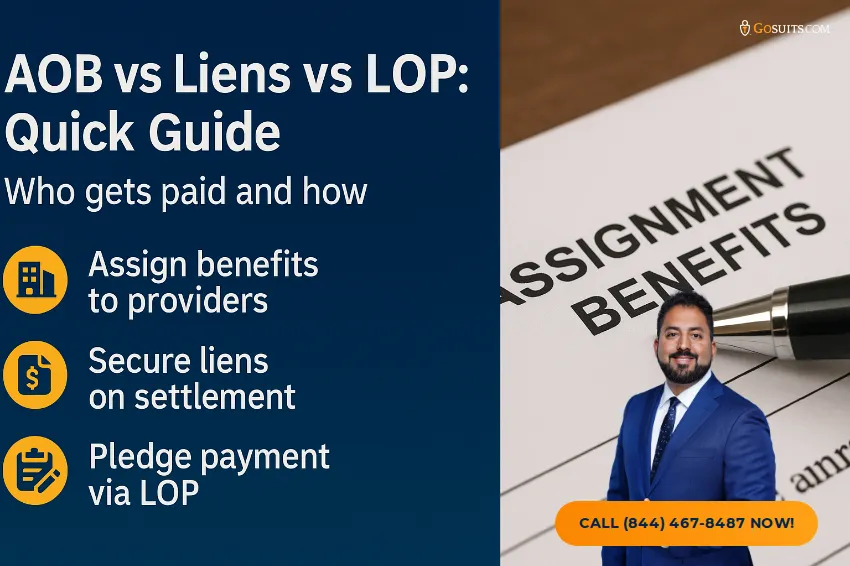
It is vital to distinguish between a true assignment of benefits and a standard direction to pay. A direction to pay is an authorization instructing the insurance company to send the claim payout directly to the repair shop or medical provider rather than to the policyholder. It does not transfer the legal ownership of the claim or the right to sue the insurer for breach of contract; it merely streamlines the payment disbursement process. True assignments of benefits grant the third party legal standing to sue the insurer directly if a dispute arises over claim valuation, creating significant legal and financial complexities that California regulators monitor closely.
The Legal and Regulatory Framework in California
California maintains one of the most rigorously regulated insurance markets in the United States, overseen primarily by the California Department of Insurance (CDI) and enforced through the California Insurance Code and relevant civil code sections. When evaluating an assignment of benefits in auto insurance, several statutory and judicial parameters dictate what is permissible:
- Policy Provisions and Anti-Assignment Clauses: California courts generally uphold anti-assignment clauses in insurance contracts unless the assignment occurs after the loss has taken place. Pre-loss assignments are virtually invalid because they alter the risk profile of the insurer without their consent.
- Post-Loss Claims vs. Policy Rights: While a policyholder can technically assign a post-loss right to collect specific monetary proceeds already due under the policy, California appellate courts have repeatedly affirmed that an assignment cannot force the insurer to deal with an unapproved third party regarding the manner of repair, OEM parts selection, or labor rate disputes unless explicitly agreed upon.
- California Fair Claims Settlement Practices Regulations: These regulations govern how auto insurers must handle, investigate, and settle claims. Insurers are required to conduct prompt, thorough investigations and communicate clearly with the named insured. Introducing a third-party assignee often complicates this statutory duty of communication and good faith.
Furthermore, consumer protection laws in California prohibit repair shops from engaging in deceptive practices, such as misrepresenting whether an AOB is mandatory to begin vehicle repairs. A consumer always retains the right to authorize repairs and utilize a direction to pay without necessarily executing a broad assignment of legal claims.
Common Scenarios Involving Third-Party Auto Services
Assignments of benefits or analogous third-party agreements typically surface in three primary segments of the California auto insurance market: collision repair, auto glass replacement, and medical treatment following an accident.
Collision Repair and Body Shops
When a vehicle sustains damage in a crash, a collision repair facility may ask the car owner to sign paperwork containing an AOB clause. The stated intent is to allow the shop to negotiate directly with the insurer regarding supplement requests, hidden damage, and labor costs. However, disputes often arise when the insurer's independent appraiser estimates a lower repair cost than the shop's demand. If an AOB is in place, the shop may attempt to sue the insurer or place a mechanic's lien on the vehicle. California law strictly regulates mechanic's liens and requires written estimates and authorizations before any repair work begins, shielding consumers from unauthorized charges.
Windshield and Auto Glass Replacement
Auto glass replacement is historically one of the most common sectors for aggressive AOB solicitation. Mobile glass companies frequently approach motorists, offering a "free" windshield replacement paid for by their comprehensive auto insurance. By having the motorist sign an AOB, the glass vendor steps into the consumer's shoes, inflates the billing charges, and files lawsuits against the insurance carrier when they refuse to pay above prevailing market rates. In response, major auto insurers operating in California have added stringent verification protocols and specific policy endorsements to curb unregulated glass assignment practices.
Medical and Chiropractic Care (Med-Pay)
If a driver carries Medical Payments (Med-Pay) coverage under their California auto policy, healthcare providers or chiropractors may request an assignment of benefits to bill the insurer directly for treatment rendered. Unlike property damage claims, personal injury and medical benefits involve distinct statutory frameworks, and insurers scrutinize medical AOBs to verify that treatment is reasonable, necessary, and directly causally related to the covered automobile accident.
Comparison of Payment Authorization Types
To better understand how money flows during an auto insurance claim in California, it helps to compare the mechanisms used by repair facilities and service providers.
| Authorization Type | Legal Standing Granted | Insurer Consent Required? | Primary Purpose | Risk to Consumer |
|---|---|---|---|---|
| Direction to Pay | None; consumer retains all policy rights and right to sue. | Generally handled via standard claim processes. | Directs the insurance check to be mailed to the vendor. | Low; consumer remains in control of the claim dispute resolution. |
| Post-Loss Assignment of Benefits | Transfers specific rights to collect claim proceeds and sue for non-payment. | Frequently contested or restricted by policy language. | Empowers third party to fight the insurer over claim payouts. | Moderate to High; potential exposure to balance billing if the insurer underpays. |
| Pre-Loss Assignment | Void; attempts to assign policy rights before an accident occurs. | Automatically rejected by insurers. | None legally valid in auto insurance. | High; creates immediate contract breaches and claim delays. |
Practical Risks and Consumer Protections
For California drivers, signing an assignment of benefits without reading the fine print can lead to severe financial and legal complications. While service providers often present these documents as standard administrative paperwork, the implications of transferring claim rights are profound.
- Balance Billing Liability: If a repair shop or glass vendor signs an AOB, executes repairs, and the insurance company refuses to pay the full demanded amount due to pricing discrepancies or unapproved labor rates, the third party may attempt to collect the remaining balance directly from the vehicle owner.
- Loss of Claim Control: When an insured assigns their benefits, they effectively surrender their ability to settle or negotiate the claim directly with their adjuster. The third-party entity controls the dispute timeline, which can prolong the time a vehicle spends stranded in a repair yard.
- Disclosure and Estimation Laws: Under California’s Bureau of Automotive Repair (BAR) regulations, auto repair shops must provide a written estimate and obtain authorization before beginning work. Shops cannot hold a vehicle hostage or demand payment for unauthorized repairs under the guise of an assignment agreement.
Consumers should always request an itemized estimate, verify whether their insurer has approved the repair facility within their network (such as a Direct Repair Program or DRP), and opt for a standard direction to pay rather than a blanket assignment of benefits whenever possible.
Navigating Disputes and Troubleshooting Claim Stalls
When an assignment of benefits creates a deadlock between a California auto insurance carrier and a third-party vendor, the claim process often stalls, leaving the policyholder without a vehicle or facing mounting storage fees. Resolving these impasses requires a systematic approach rooted in state regulatory guidelines.
- Review the Insurance Policy Language: Examine the declarations page and the physical damage or liability sections to identify specific anti-assignment clauses or dispute resolution procedures.
- Contact the Insurance Adjuster Directly: Speak with the primary claims handler to ascertain whether the carrier has formally rejected the AOB while still acknowledging the underlying validity of the physical damage claim. Insurers cannot arbitrarily deny a valid repair claim simply because a disputed AOB was attached, provided the loss is covered.
- Consult the Bureau of Automotive Repair (BAR): If a repair facility is engaging in coercive practices, withholding a vehicle improperly, or refusing to release property after a reasonable storage fee offer, file a complaint through the California Department of Consumer Affairs BAR portal.
- Engage the California Department of Insurance (CDI): If an insurer is unreasonably delaying claim settlements or refusing to communicate regarding valid repair estimates, filing a consumer complaint with the CDI initiates a formal regulatory inquiry that forces the carrier to respond within mandated statutory timeframes.
By maintaining direct lines of communication with the insurance carrier and refusing to surrender total autonomy over the vehicle repair process, California motorists can protect themselves from predatory billing practices while ensuring their vehicles are restored safely and efficiently.
Frequently Asked Questions
Can an auto insurance company in California legally reject an assignment of benefits?
Yes. Most California auto insurance policies contain valid anti-assignment clauses that prohibit the transfer of policy rights without the carrier's written consent, particularly prior to a loss. Furthermore, courts scrutinize post-loss assignments to ensure they do not materially alter the insurer's contractual obligations or interfere with the insurer's right to inspect and manage vehicle repairs.
What is the difference between a direction to pay and an assignment of benefits?
A direction to pay is simply an authorization telling the insurance company to send the claim payout check directly to the repair shop or medical provider on behalf of the insured. An assignment of benefits is a legal transfer of ownership of the claim itself, giving the third party the independent right to sue the insurance company for breach of contract if a payment dispute arises.
Can a body shop hold my car hostage in California if I refuse to sign an AOB?
No. Under California Bureau of Automotive Repair regulations, a shop cannot perform unauthorized work or hold a vehicle hostage for charges that exceed the authorized written estimate. While a shop may charge reasonable storage fees if a vehicle is left unclaimed after repairs are completed, they cannot compel a consumer to sign a broad assignment of benefits as a mandatory condition of releasing the vehicle.
Are auto glass replacement companies allowed to use AOBs in California?
While some mobile glass vendors utilize assignment forms to handle billing directly, doing so has faced intense regulatory and judicial pushback from major auto insurers in California. Many policies now include specific endorsements or require direct policyholder verification before processing glass claims, minimizing the legal validity of blanket third-party glass assignments.
How does a California motorist protect themselves when dealing with third-party repair agreements?
Drivers should read all intake paperwork thoroughly, cross-reference repair estimates with their auto insurance adjuster, utilize network-approved collision centers when possible, and cross out or refuse any clauses that state they are assigning their legal rights, causes of action, or policy benefits to the repair facility.
Conclusion and Next Actions
The assignment of benefits auto insurance landscape in California is defined by strict regulatory oversight, personal contract law, and robust consumer protection statutes enforced by the Department of Insurance and the Bureau of Automotive Repair. While third-party service providers often utilize AOB agreements to streamline collections, doing so introduces significant legal risks, potential balance billing exposure, and loss of claim control for the policyholder.
Vehicle owners navigating post-accident repairs should prioritize transparency, verify all estimates through their insurance carrier, and utilize standard payment directions rather than transferring broad legal rights. For personalized guidance on complex claim disputes or regulatory rights, motorists should contact the California Department of Insurance consumer hotline or consult with a qualified legal professional specializing in California insurance law.