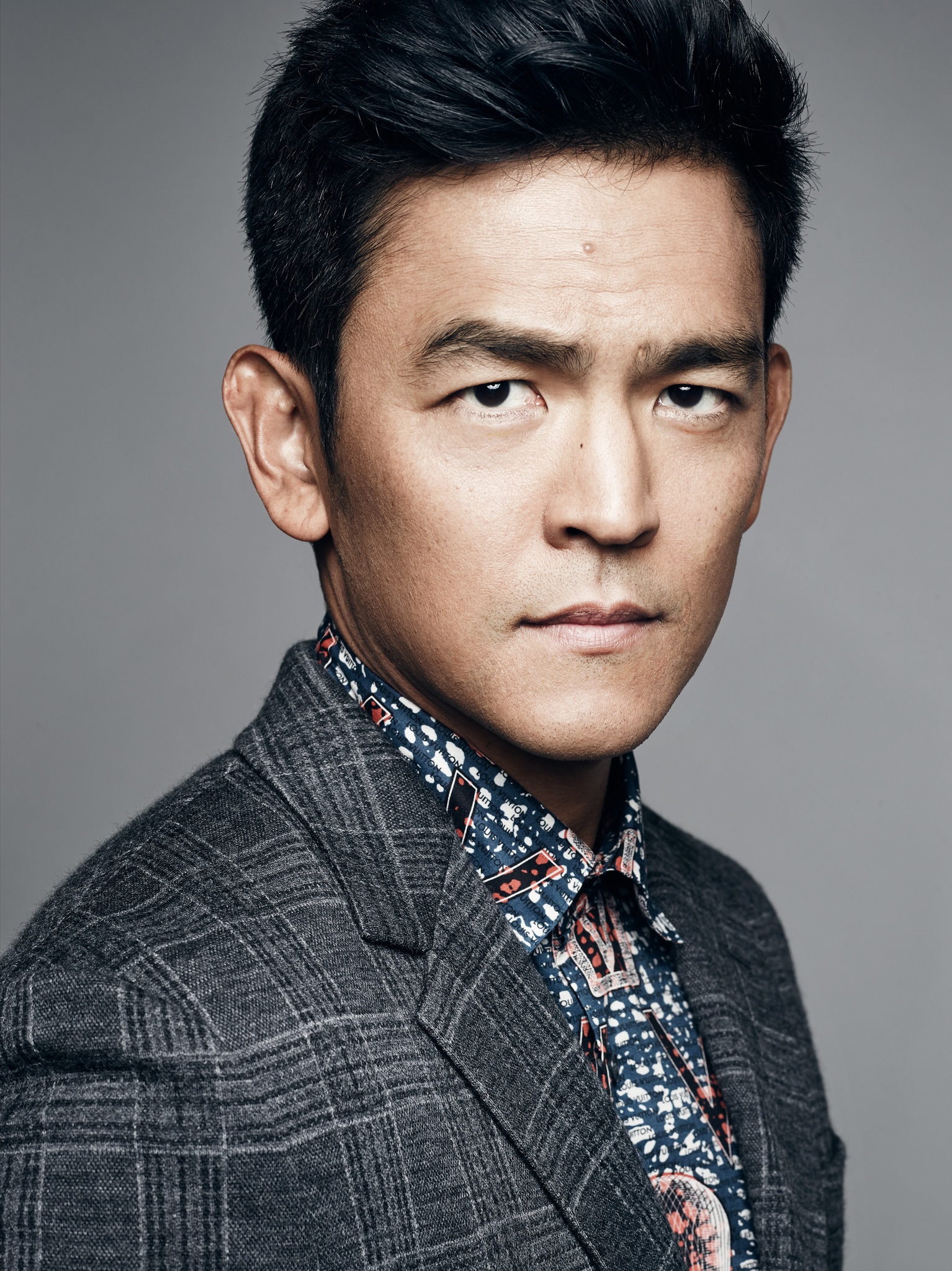
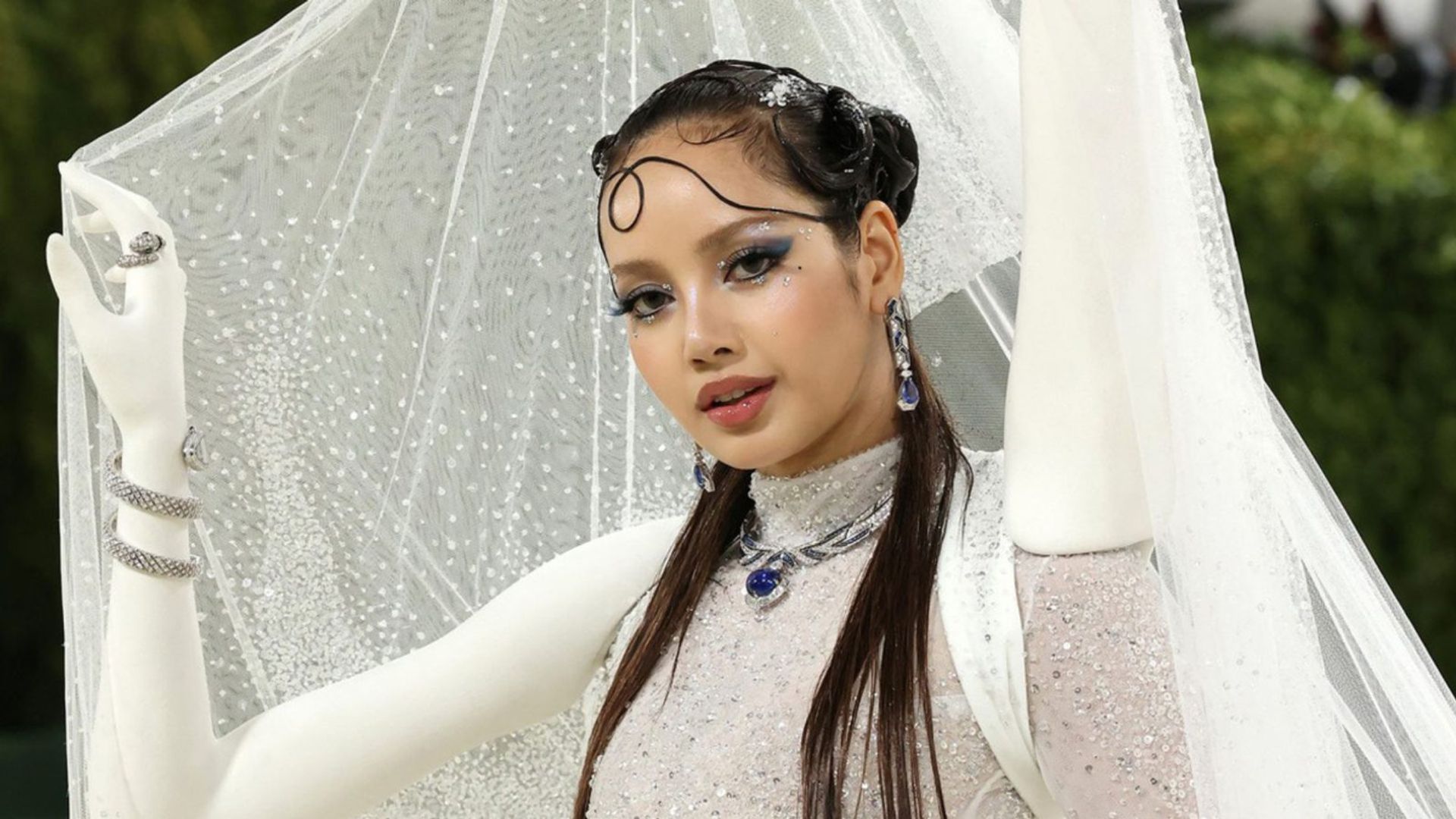
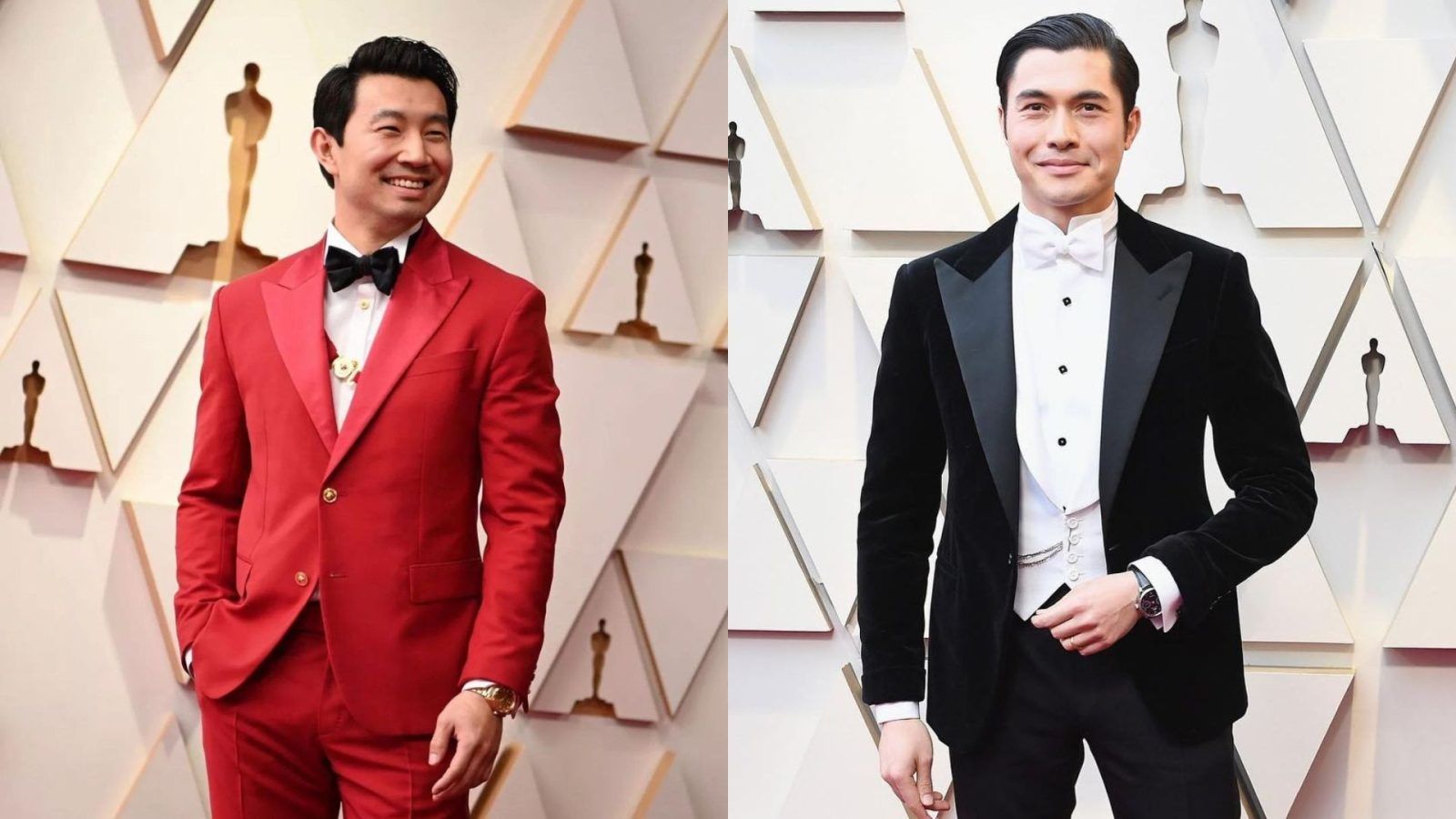
The landscape of global entertainment in 2026 reflects a profound shift in representation, as Asian male celebrities move from niche markets to central roles in mainstream cinema, music, and digital media. This evolution is defined by a move toward authentic storytelling, the crossing of linguistic borders, and the leveraging of massive global fan bases to secure top-tier talent status across both Eastern and Western media industries.
The Shift Toward Global Recognition
For decades, Asian male presence in Western media was often restricted to narrow character archetypes. However, the current era is marked by a structural change in how studios and production houses perceive marketability. The success of international co-productions and the rise of streaming platforms have dismantled the traditional gatekeeping mechanisms that once limited the reach of Asian talent. Today, actors and musicians from South Korea, China, Japan, India, and Southeast Asia are no longer merely "regional stars"; they are international brand ambassadors and primary leads in multi-million-dollar global productions.
This shift is rooted in the increased demand for diverse content that resonates with younger, hyper-connected audiences. As digital consumption has erased the distinction between "local" and "global" content, Asian male celebrities have utilized social media platforms to cultivate direct relationships with fans in North America, Europe, and Latin America. This, in turn, has forced Western industry executives to recognize the economic power of these stars, leading to higher-profile casting and more complex, nuanced character portrayals.
Key Segments in Asian Entertainment
To understand the current influence of Asian male celebrities, it is essential to categorize their impact by their primary mediums of success. These categories often overlap, as many performers now pursue "triple-threat" careers, spanning music, acting, and fashion.
1. The Hallyu Wave and K-Drama/K-Pop Influence
The Korean Wave remains the most visible driving force in the globalization of Asian male talent. Korean actors have transitioned from local television mainstays to global icons appearing in American blockbusters and European luxury fashion campaigns. The training systems inherent in the Korean entertainment industry—which emphasize intense preparation in dance, vocal performance, and acting—have created a generation of highly disciplined, versatile performers who are uniquely equipped to handle the demands of international media cycles.
2. The Rise of Pan-Asian Cinema
China and Japan continue to leverage their domestic box office strength, which remains the largest in the world for their respective regions, to export talent. However, the trend in 2026 is toward "soft power" diplomacy through content. Male celebrities from these regions are increasingly participating in international film festivals and cross-border collaborations, focusing on genres that translate well culturally, such as high-stakes action, science fiction, and historical drama.
3. South Asian Presence in Global Media
The Indian film industry, particularly the Telugu and Hindi sectors, has seen unprecedented international crossover success. This shift has placed South Asian male stars at the forefront of global conversations regarding action choreography, emotional range, and musical performance. Their ability to bridge traditional cinematic spectacles with modern digital streaming demands has made them essential partners for international production entities.
Comparing Market Engagement Strategies
The way Asian male celebrities interact with the entertainment industry varies based on their regional infrastructure and target demographics. The table below compares the primary engagement models currently observed in the industry.
| Engagement Strategy | Focus Region | Primary Platforms | Key Characteristics |
|---|---|---|---|
| Systemic Idol Model | East Asia (SK/JP) | Streaming, Concerts, Variety | High technical discipline, multi-platform brand integration |
| Auteur-Led Cinema | Mainland China/HK | Global Festivals, Theatrical | Emphasis on prestige, historical gravity, and technical film craft |
| Pan-National Blockbuster | India | OTT Platforms, Global Tours | Integration of song-and-dance with high-budget visual effects |
| Diaspora Crossover | Global (West-leaning) | Social Media, TV Series | Fluent in cross-cultural communication, Western-native market integration |
Overcoming Industry Barriers and Expectations
Despite the progress made by 2026, male Asian celebrities still face unique challenges. One of the most persistent issues is the "tokenization" trap, where an actor might be cast to fulfill a diversity quota rather than being given a role that allows for genuine dramatic range. Additionally, the industry often places immense pressure on these celebrities to maintain a specific image, which can lead to significant psychological and career-related strain.
Professional management teams in 2026 have shifted their approach to focus on "career longevity over viral moments." This involves careful contract negotiation that protects the actor’s intellectual property, ensures higher pay equity, and demands creative input into the roles they accept. By prioritizing high-quality, substantive roles, these stars are slowly chipping away at outdated industry expectations and building sustainable, lifelong careers.
The Role of Social Media in Career Management
Digital platforms serve as the primary engine for the career growth of Asian male celebrities today. Unlike the traditional PR models of the early 2000s, where gatekeepers controlled the narrative, 2026 allows for direct communication. For an Asian male celebrity, social media is not just a marketing tool; it is a verification of influence.
When an actor or musician trends globally on platforms like X (formerly Twitter) or TikTok, they provide tangible data to studios. This data points—such as engagement rates, sentiment analysis, and demographic reach—are now used in boardrooms to justify their casting in global projects. The ability to command a massive, loyal, and vocal audience has effectively made these celebrities their own most powerful advocates.
Essential Questions for Aspiring Talent and Observers
For those looking to enter the industry or follow these trajectories, certain questions define the current reality of the market.
1. How do language barriers impact global career potential? Language remains a challenge, but the barrier is lowering. While English fluency is a massive advantage for cross-over into Western media, the growth of high-quality subtitles and AI-driven dubbing technology in 2026 has made it possible for stars to retain their native language while reaching a global audience. The focus is shifting toward "cultural fluency" rather than just linguistic ability.
2. What is the role of luxury brand partnerships? Luxury fashion house ambassadorships serve as the current gold standard for global recognition. For an Asian male celebrity, securing a global contract with brands like Louis Vuitton, Dior, or Gucci often precedes a major breakthrough in Western cinema. These partnerships validate their status as global cultural icons and provide the necessary financial backing to pursue riskier, more artistic film projects.
3. How is the definition of "masculinity" in media changing? There is a distinct departure from the rugged, stoic archetypes of the 20th century. The current wave of Asian male celebrities often embraces a more fluid, expressive form of masculinity that includes an interest in fashion, skincare, and emotional vulnerability. This change is being mirrored in Western media, which is increasingly adopting these aesthetics, further proving the global influence of Asian media trends.
4. Are there significant legal differences in contract management? Yes. Contracts in the Korean, Chinese, and Indian industries operate under vastly different legal frameworks compared to those in the United States or the UK. Understanding these differences—particularly concerning intellectual property rights, profit sharing, and image rights—is essential for any celebrity looking to work across multiple jurisdictions.
Navigating the Future of the Entertainment Industry
The trajectory for Asian male celebrities in 2026 suggests continued expansion. As streaming platforms look to diversify their library to keep global subscribers engaged, the investment in Asian content will likely increase. This creates a feedback loop: better funding leads to higher-quality production, which attracts more international attention, which in turn leads to more global opportunities for the actors and musicians involved.
For fans and industry followers, the recommendation is to follow not just the major studio announcements, but the creative partnerships forming behind the scenes. Look for actors who are moving into producing roles, as they are the ones who will ultimately define the narrative arc for the next decade. The era of the "global Asian star" is no longer an aspiration; it is the current standard of the entertainment industry.
If you are researching a specific celebrity, prioritize official reports from recognized trade publications like Variety or The Hollywood Reporter, as they provide the most accurate details regarding casting, contracts, and industry status. When evaluating a star's success, consider their sustained engagement across multiple years rather than their temporary popularity during a single release cycle.