To enlist in the U.S. Army Reserve in 2026, applicants must be between the ages of 17 and 35, hold U.S. citizenship or a valid Green Card, and possess a high school diploma or equivalent. Candidates must also pass the ASVAB test with a qualifying score and meet strict medical, physical, and moral standards.
The United States Army Reserve offers a unique opportunity for individuals to serve their country while maintaining a civilian career or pursuing higher education. Unlike active-duty soldiers who serve full-time, Reservists typically train one weekend per month and attend a two-week annual training period. However, the standards for entry remain rigorous to ensure every soldier is combat-ready and capable of fulfilling their MOS (Military Occupational Specialty) duties. Understanding the specific army reserve requirements for enlisting is the first step toward a successful military career.
Basic Eligibility: Age, Citizenship, and Residency
Before moving into technical testing or physical exams, every applicant must meet the baseline statutory requirements established by Federal law and Department of Defense (DoD) regulations.
Age Limitations and Waivers
In 2026, the standard age range for enlisting in the Army Reserve is 17 to 35 years old.
- The 17-Year-Old Applicant: Individuals who are 17 may enlist but require notarized parental or legal guardian consent. They must also be currently enrolled in high school or have already graduated.
- The 35-Year-Old Limit: The "35-year-old rule" means an applicant must begin their Initial Entry Training (Basic Combat Training) before their 36th birthday.
- Prior Service Exceptions: For those who have previously served in any branch of the U.S. military, the maximum age can often be extended. Usually, the years of prior service are subtracted from the applicant's current age to see if they meet the "adjusted age" requirement of 35.
Citizenship and Legal Status
You do not strictly need to be a U.S. citizen to join the Army Reserve, but your legal status must be permanent.
- U.S. Citizens: Individuals born in the U.S. or naturalized are eligible for all military occupational specialties, including those requiring high-level security clearances.
- Permanent Residents: Non-citizens who possess a valid Permanent Resident Card (I-551), commonly known as a Green Card, are eligible to enlist. However, they may be restricted from certain jobs that require security clearances (such as Intelligence or Cyber Security) until they obtain U.S. citizenship.
- Residency: Applicants must currently reside within the United States or its territories.
Educational Requirements and the ASVAB
The Army Reserve prioritizes cognitive ability and educational foundations. These requirements ensure that recruits can handle the technical training required for modern warfare and specialized logistics.
High School Diplomas vs. GEDs
The Army classifies applicants into "Education Tiers."
- Tier I: High school graduates. This is the preferred status. In 2026, the vast majority of Army Reserve slots are reserved for Tier I applicants.
- Tier II: GED holders. While the Army Reserve accepts GED holders, there are often strict quotas. GED holders may also be required to score higher on the ASVAB than high school graduates to prove their academic proficiency.
- College Credits: Applicants with 15 or more college credits are often treated as Tier I and may be eligible for enlistment at a higher rank (e.g., Private E-2).
The Armed Services Vocational Aptitude Battery (ASVAB)
The ASVAB is a multi-aptitude test that helps the Army determine which jobs you are qualified for. It is not an IQ test, but rather a measure of developed abilities.
- The AFQT Score: The Armed Forces Qualification Test (AFQT) is the primary score used to determine if you can join. For the Army Reserve, the minimum qualifying AFQT score is typically 31.
- Line Scores: Beyond the AFQT, the ASVAB is broken down into categories like General Science, Arithmetic Reasoning, and Mechanical Comprehension. These "Line Scores" determine your eligibility for specific MOS roles. For example, a high score in Clerical (CL) is needed for administrative roles, while high Skilled Technical (ST) scores are required for engineering or medical jobs.
Medical and Physical Fitness Standards
Physical readiness is a non-negotiable aspect of military service. The enlisting process involves a comprehensive medical screening at a Military Entrance Processing Station (MEPS).
The MEPS Medical Exam
During the MEPS visit, doctors will review your entire medical history. This includes:
- Vision and Hearing: Applicants must meet minimum standards for corrected vision and have no significant hearing loss.
- Joint and Muscle Function: Doctors check for a full range of motion. History of chronic back pain, major joint surgeries, or recurring dislocations can be disqualifying.
- Internal Health: Blood and urine tests are conducted to check for underlying conditions such as diabetes, HIV, or hepatitis.
- Mental Health: A history of clinical depression, anxiety, or other mental health disorders requires extensive documentation and, in many cases, a medical waiver.
Height and Weight Standards
The Army maintains strict weight-for-height standards to ensure soldiers can meet the physical demands of training. If an applicant exceeds the weight limit for their height, they will undergo a Body Composition Program (BCP) assessment, commonly known as the "tape test," to measure body fat percentage. As of 2026, the Army continues to refine these standards to focus more on muscle mass and overall health rather than just the scale.
| Height (Inches) | Male Max Weight (Lbs) | Female Max Weight (Lbs) |
|---|---|---|
| 60 (5'0") | 132 | 119 |
| 64 (5'4") | 151 | 136 |
| 68 (5'8") | 170 | 154 |
| 72 (6'0") | 190 | 172 |
| 76 (6'4") | 211 | 192 |
| Note: These figures are general estimates for the 17–20 age group. Limits increase slightly with age. |
Moral Conduct and Background Requirements
To serve in the Army Reserve, you must demonstrate "good moral character." This is verified through a background check and a security clearance screening.
Criminal History
Not all legal infractions are disqualifying, but they must be disclosed.
- Felonies: Generally, a felony conviction is an automatic disqualification, though rare exceptions (waivers) may be made for "one-time" non-violent offenses occurring years prior.
- Misdemeanors: Multiple misdemeanors or a history of drug-related offenses can be problematic.
- Traffic Violations: Minor tickets usually do not impact eligibility unless they are unpaid or excessive in number.
Drug and Alcohol Policy
The Army has a zero-tolerance policy regarding illegal drug use. During the enlistment process, you will be tested for substances. A positive test at MEPS is usually a permanent disqualification from all branches of the military. While many states have legalized certain substances by 2026, the Army remains under Federal law, which still prohibits the use of marijuana and other controlled substances for service members.
The Service Commitment and Training Pipeline
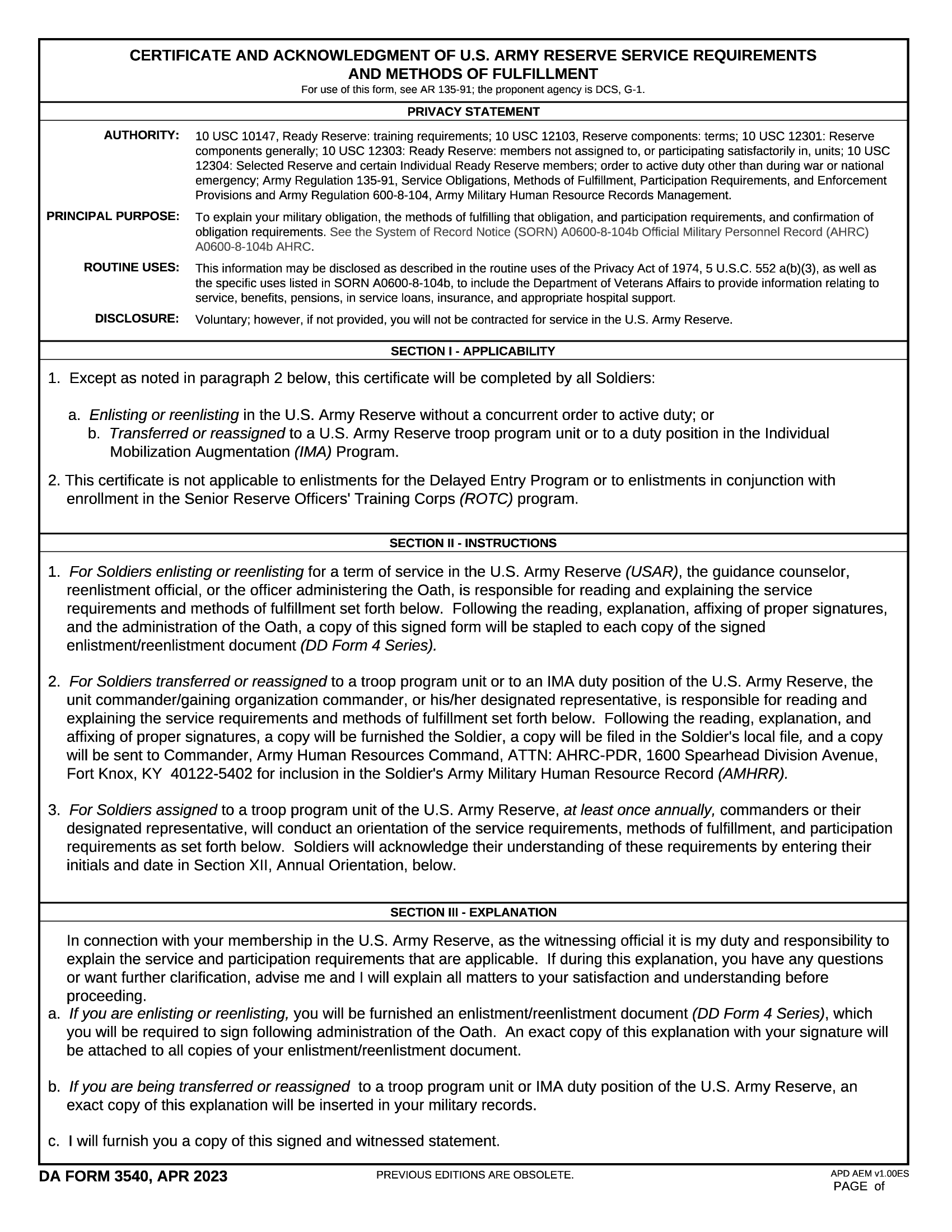
Enlisting in the Army Reserve is a formal legal contract. Most initial enlistments involve an eight-year commitment. This is typically split between "Selected Reserve" (active participation) and the "Individual Ready Reserve" (IRR).
Basic Combat Training (BCT)
Every recruit, regardless of their MOS, must complete 10 weeks of Basic Combat Training. This is where you learn the "Soldierization" process, including marksmanship, tactical movement, and military discipline.
Advanced Individual Training (AIT)
Following BCT, Reservists attend AIT to learn their specific job. The length of AIT varies significantly:
- Human Resources Specialist (42A): Approximately 8–9 weeks.
- Combat Medic (68W): Approximately 16 weeks.
- Language Specialists: Can last up to a year or more.
The crucial detail for the Army Reserve is that your training is "continuous." You do not go home between BCT and AIT. Once both are complete, you return to your civilian life and begin your monthly drills with your assigned local unit.
Common Obstacles and the Waiver Process
If you do not meet a specific requirement, you may still be able to join via a waiver. A waiver is an official request to the Army to overlook a specific disqualification because the applicant is otherwise highly qualified.
- Medical Waivers: These are the most common. If you have a past injury that is fully healed and does not limit your function, a specialist at MEPS can request a waiver.
- Moral Waivers: For those with a minor criminal past, the Army looks at the "whole person" concept. Letters of recommendation and a clean record since the incident are vital.
- ASVAB Waivers: These are extremely rare and usually only granted during times of extreme recruiting need for individuals who are otherwise exceptionally qualified in a specific trade.
Army Reserve vs. Active Duty: Requirement Differences
While the physical and mental standards are identical, the administrative and lifestyle requirements differ.
| Feature | Army Reserve | Active Duty |
|---|---|---|
| Commitment | Part-time (1 weekend/mo, 2 weeks/year) | Full-time (24/7) |
| Job Location | Generally close to home/regional | Assigned to bases worldwide |
| Medical/Dental | TRICARE Reserve Select (Low cost) | Full coverage (No cost) |
| Housing | Resident's responsibility | Provided or subsidized (BAH) |
| Training | Same BCT/AIT as Active Duty | Same BCT/AIT as Reserve |
Frequently Asked Questions
Can I join the Army Reserve if I have tattoos?
Yes, but they must comply with the Army's grooming standards. Tattoos are generally permitted on the arms, legs, and body. However, tattoos on the face, neck (above the shirt collar), or hands (except for one ring tattoo per hand) are restricted. Any tattoo that is considered extremist, indecent, or racist is an automatic disqualification.
What is the minimum ASVAB score for the Army Reserve?
As of 2026, the minimum AFQT score required for the Army Reserve is 31. However, scoring higher is always beneficial, as it opens up more technical and high-paying job opportunities. Some specialized roles may require line scores that necessitate an AFQT score in the 50s or 60s.
How long do I have to be away for training?
The minimum time away from your civilian job or school is usually about 18 to 20 weeks. This includes 10 weeks of Basic Combat Training followed by your specific AIT. Because you are in the Reserve, your civilian employer is legally required by the Uniformed Services Employment and Reemployment Rights Act (USERRA) to hold your position while you are away for initial or annual training.
Can I choose which unit I join?
One of the primary benefits of the Army Reserve is that you enlist for a specific vacancy in a specific unit. If there is a Reserve center near your home with an open slot for a job you qualify for, you can often guarantee that location in your contract.
Is there a fitness test before I go to Basic Training?
Yes. Before shipping to BCT, most recruits participate in the Future Soldier Program, where they are introduced to the Army Combat Fitness Test (ACFT). While you don't need to be a professional athlete, you should be able to perform push-ups, a plank, and a two-mile run to ensure you don't struggle during the first weeks of boot camp.
Next Steps for Prospective Recruits
If you meet the basic army reserve requirements for enlisting, the next practical step is to contact a local recruiter. They will conduct a pre-screening interview to verify your age, education, and medical history. Be prepared to provide original copies of your birth certificate, Social Security card, and high school transcripts.
Before your MEPS date, focus on physical conditioning and study for the ASVAB using official practice materials. Since the Reserve allows you to pick your job based on availability, the better you perform on your entrance exam, the more control you will have over your future military career path.