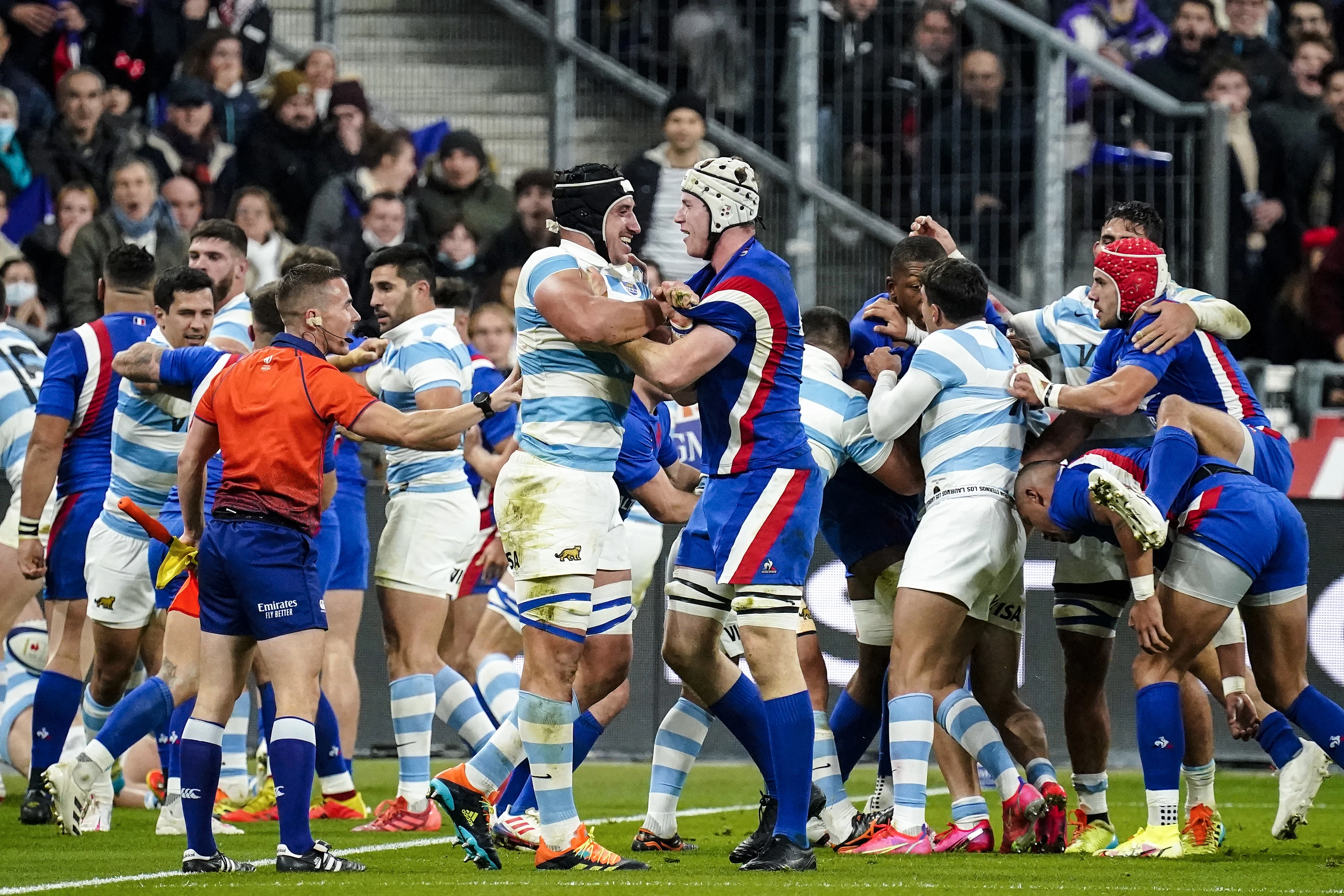
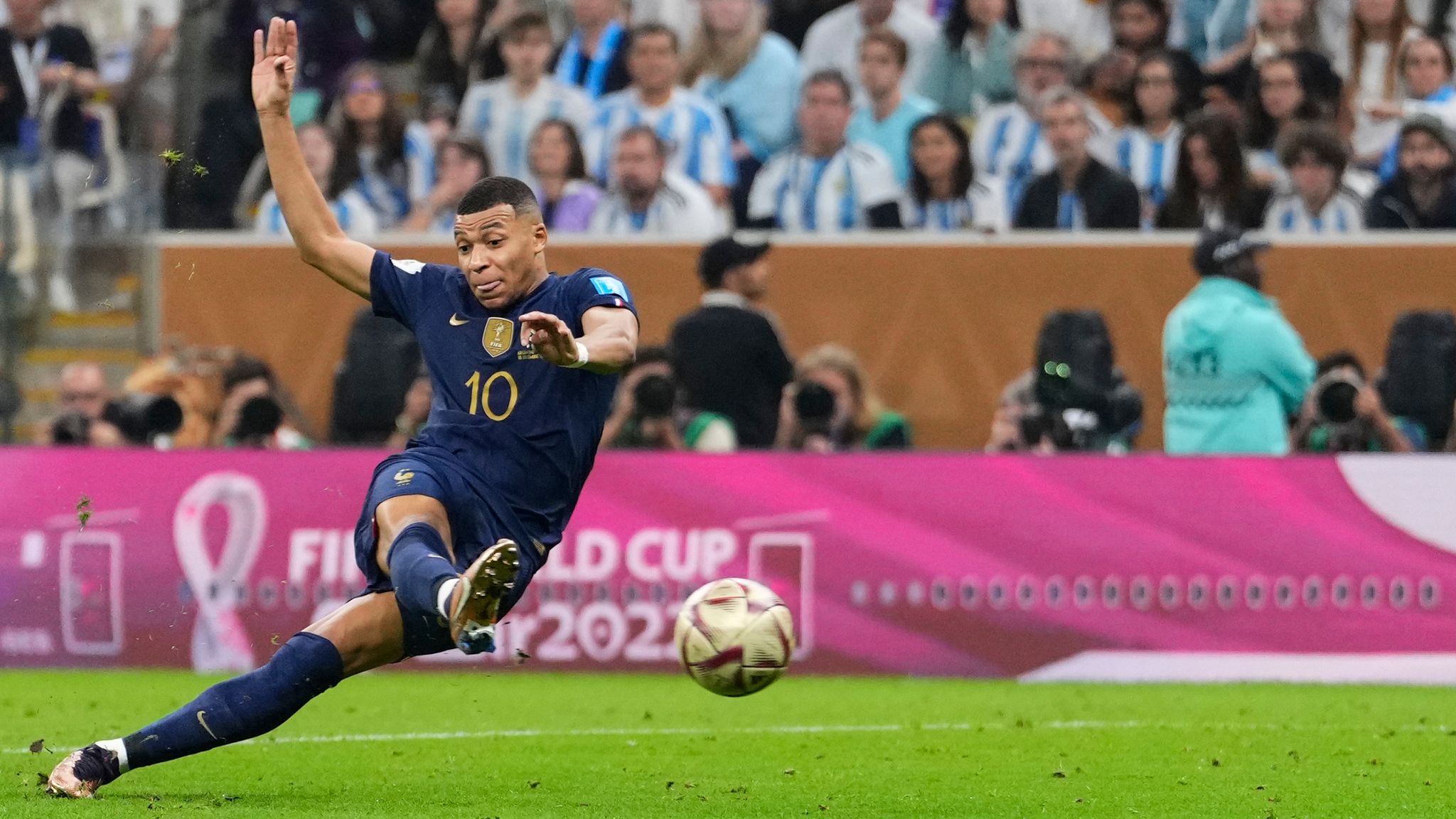
The relationship between Argentina and France is a multifaceted alliance defined by intense sporting rivalry, deep cultural affinity, and strategic economic cooperation. While the 2022 FIFA World Cup Final transformed their footballing history into a global "modern classic," their broader connection is rooted in over a century of shared democratic values, significant French migration to the Southern Cone, and critical bilateral trade agreements.
The Footballing Rivalry: From 2018 to the 2022 World Cup Final
The sporting dimension of the Argentina-France relationship has become the most visible aspect of their interaction in the 21st century. While the two nations have faced each other on the pitch since the inaugural World Cup in 1930, the rivalry reached a fever pitch during the 2018 and 2022 tournaments. This period represents a tactical and generational shift in global football, pitting the technical brilliance of Argentine playmaking against the explosive athleticism and structure of the French system.
In 2018, the Round of 16 match in Kazan served as a passing of the torch. France’s 4-3 victory showcased the arrival of Kylian Mbappé on the world stage, whose pace dismantled the aging Argentine defense. For Argentina, this loss prompted a complete systemic overhaul under Lionel Scaloni, leading to the "Scaloneta" era. By the time the 2022 World Cup Final arrived in Lusail, the stakes had transcended sport. The match is widely regarded by historians and analysts as the greatest final in history, a 3-3 thriller decided by penalties.
The technical depth of this rivalry lies in the clashing philosophies. France, under Didier Deschamps, has perfected a pragmatic, counter-attacking style that relies on defensive solidity and clinical finishing. Argentina, conversely, evolved into a high-pressing, possession-oriented unit designed to maximize the creative output of Lionel Messi while maintaining a rigid mid-block. The 2022 final was not just a game; it was a demonstration of how tactical adjustments—such as Angel Di Maria’s positioning on the left flank—could disrupt even the most disciplined European structures.
Post-2022 Tensions and the 2024 Olympic Catalyst
Following the 2022 final, the relationship between the two national teams shifted from mutual respect to a more contentious rivalry. This tension was exacerbated by off-field incidents, including celebratory chants and social media controversies that sparked diplomatic conversations regarding sportsmanship and racism. These friction points reached a new high during the 2024 Paris Olympics, where the French crowd and players displayed a palpable "revenge" narrative during the quarter-final matchup between the two nations.
The "Enzo Fernández incident" in mid-2024, involving a controversial video during Copa América celebrations, forced both the French Football Federation (FFF) and the Argentine Football Association (AFA) to engage in high-level damage control. This friction is significant because it highlights the cultural sensitivities regarding how each nation perceives national identity and humor. In France, the focus remains on secularism and collective identity, whereas in Argentina, footballing culture is often an uninhibited expression of street-level defiance.
As we look toward the 2026 World Cup cycle, the "Argentina vs. France" fixture has replaced the traditional Brazil vs. Germany or Italy vs. Germany matchups as the most anticipated clash in international football. It is a rivalry defined by the two most recent champions, ensuring that every friendly or competitive meeting carries the weight of a title fight.
Diplomatic Relations and Strategic Alliances
Beyond the stadium, Argentina and France maintain a "Strategic Partnership" formally established in the mid-2000s and reaffirmed periodically by successive administrations. France has historically viewed Argentina as its most "European" partner in South America, a sentiment driven by the massive influence of French philosophy, law, and urban planning on Argentine society during the late 19th and early 20th centuries.
In the current 2026 landscape, diplomacy is centered on three primary pillars:
- The EU-Mercosur Trade Agreement: France has been a pivotal, albeit cautious, player in these negotiations. Protecting French agricultural interests (particularly beef and poultry) has often put Paris at odds with Buenos Aires’ desire for greater market access. However, geopolitical shifts have forced a more pragmatic approach toward finalizing environmental and labor standard protocols.
- Defense Cooperation: Argentina has long looked to France for military hardware and training. From the Super Étendard jets used in the 20th century to modern offshore patrol vessels (OPVs) purchased in recent years, the bilateral defense relationship is a cornerstone of Argentine maritime security.
- Human Rights Advocacy: Both nations share a rigorous commitment to international law and the prevention of enforced disappearances. This shared history—stemming from the involvement of French nuns in Argentina during the 1970s dictatorship—has forged a permanent bond in the halls of the United Nations.
Economic Ties: Investment and Energy Transition
France remains one of the top foreign investors in Argentina. Over 250 French companies operate in the country, spanning sectors from automotive and retail to high-tech energy solutions. TotalEnergies, for instance, is a critical player in the development of the Vaca Muerta shale formation, which is essential for Argentina’s energy independence and export potential.
As the global economy moves toward decarbonization, the Argentina-France economic relationship has shifted toward "green" sectors. Argentina possesses some of the world's largest lithium reserves, a metal essential for the electric vehicle (EV) batteries used by French automakers like Renault and Stellantis (Peugeot/Citroën). French expertise in nuclear energy through companies like Framatome also offers a pathway for cooperation in Argentina’s long-standing nuclear power program.
Comparative Summary of Argentina-France Relations
| Feature | Argentina | France |
|---|---|---|
| World Cup Titles (as of 2026) | 3 (1978, 1986, 2022) | 2 (1998, 2018) |
| Primary Export to Partner | Soybean meal, beef, lithium | Machinery, chemicals, aeronautics |
| Cultural Influence | Tango, literature (Borges/Cortázar) | Architecture, philosophy, cinema |
| Key Diplomatic Forum | G20, CELAC, Mercosur | G7, EU, UN Security Council |
| Main Investment Sector | Energy and Agriculture | Infrastructure and Luxury Goods |
Cultural Symbiosis: The "Paris of the South"
The influence of France on Argentina—and specifically Buenos Aires—is so profound that it earned the city the moniker "The Paris of the South." During the Argentine Golden Age (1880–1930), the local elite looked to Paris as the pinnacle of civilization. This resulted in the construction of grand boulevards like Avenida de Mayo and the Alvear Palace Hotel, modeled directly after French neoclassical architecture.
This cultural exchange is not a one-way street. Argentine culture has had a significant impact on France, most notably through the Tango. In the early 20th century, Tango became a sensation in Parisian salons before it was even fully accepted by the upper classes in Buenos Aires. Furthermore, iconic Argentine writers like Julio Cortázar spent large portions of their lives in Paris, blending Latin American "Boom" literature with French existentialism.
In 2026, the Alliance Française remains one of the most active cultural institutions in Argentina, promoting the French language to thousands of students annually. This linguistic tie is bolstered by educational exchange programs that see Argentine scientists and engineers pursuing advanced degrees in French universities, particularly in fields like aerospace and medicine.
Common Mistakes and Misconceptions
When analyzing the relationship between Argentina and France, several common misconceptions often cloud the narrative:
- The "Hostility" Myth: While the football rivalry is intense, it rarely translates into genuine diplomatic or social hostility between the citizens. The friction is localized to the sporting context.
- Assuming Economic Monoliths: It is a mistake to view French opposition to the Mercosur deal as a blanket rejection of Argentina. The opposition is largely concentrated in the French agricultural lobby, while the French industrial and tech sectors are strong proponents of the deal.
- Overlooking Migration History: Many assume Argentine ancestry is purely Spanish and Italian. In reality, there is a significant French-Argentine population (estimated at over 6 million descendants), which explains many of the cultural overlaps in gastronomy and viticulture (the Malbec grape, for example, is of French origin).
Frequently Asked Questions
Why is the 2022 World Cup Final still so relevant in 2026?
The 2022 final is considered a "watershed moment" because it represented the peak of two legendary careers—Lionel Messi and Kylian Mbappé—while showcasing the tactical evolution of the sport. The dramatic nature of the comeback (from 2-0 to 2-2, and 3-2 to 3-3) created a permanent psychological benchmark for both nations. In 2026, it serves as the primary reference point for all international footballing standards.
How do Argentina and France cooperate on climate change?
Both nations are signatories to the Paris Agreement and cooperate through the "Global Leaders for Nature and People" initiative. France has provided technical assistance to Argentina for the development of renewable energy grids, particularly in wind power in Patagonia and solar energy in the Puna region. They also coordinate closely during COP summits on biodiversity protection.
Is it easy for Argentines to move to France or vice versa?
While there are no specific "freedom of movement" treaties like those within the EU, both countries offer "Working Holiday" visas for citizens aged 18-35. These programs are highly popular and have strengthened the "people-to-people" ties. For professionals, the "Passeport Talent" in France and various investment visas in Argentina provide pathways for longer-term residency.
What is the significance of the "Malbec" connection?
Malbec is the flagship grape of Argentina, but it originated in Cahors, France. The grape flourished in the high altitudes of Mendoza in a way it rarely did in Europe. This viticultural link has created a specialized niche of "flying winemakers"—consultants who work in both Bordeaux and Mendoza—ensuring a constant exchange of agricultural technology and enological expertise.
How has the 2024 Olympic incident affected bilateral relations?
The 2024 incident was treated primarily as a sporting and disciplinary matter rather than a diplomatic crisis. While there were formal complaints at the federation level, the governments of both nations emphasized that individual actions do not represent the state of bilateral relations. It did, however, lead to stricter protocols regarding social media conduct for national team athletes.
Practical Recommendations for Travelers and Professionals
For those navigating the Argentina-France corridor in 2026, whether for business or leisure, the following actions are recommended:
- For Business: Acknowledge the French preference for formal hierarchy and long-term relationship building. In Argentina, emphasize personal trust and adaptability. When discussing the EU-Mercosur deal, focus on "sustainability" and "traceability," as these are currently the most critical requirements for the French market.
- For Travelers: If you are an Argentine in France or a Frenchman in Argentina, engaging in football talk is inevitable. Approach it with a sense of humor and respect for the "rivalry." In Buenos Aires, visit the Palacio Duhau to see French architecture at its peak; in Paris, visit the Maison de l'Argentine at the Cité Internationale Universitaire.
- For Students: Utilize the Campus France network for scholarships. There are specific bilateral agreements (like the ARFITEC program for engineers) that provide substantial funding for exchanges between the two nations.
The relationship between Argentina and France is one of the most dynamic in the Atlantic world. While the world may focus on the 22 men on a pitch, the underlying foundation of the "Argentina and France" connection is a sophisticated blend of history, commerce, and a shared vision for a multilateral global order.