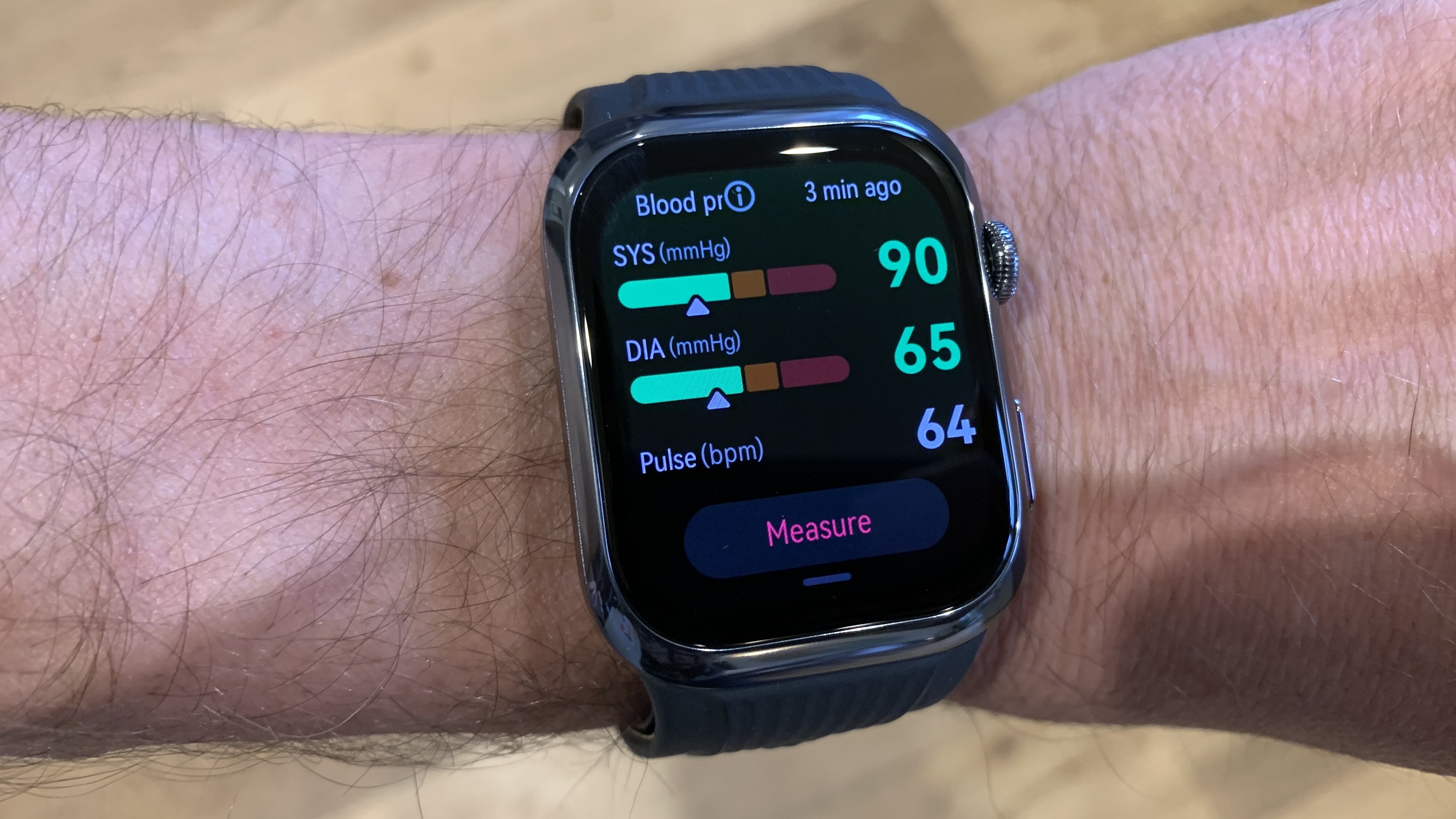
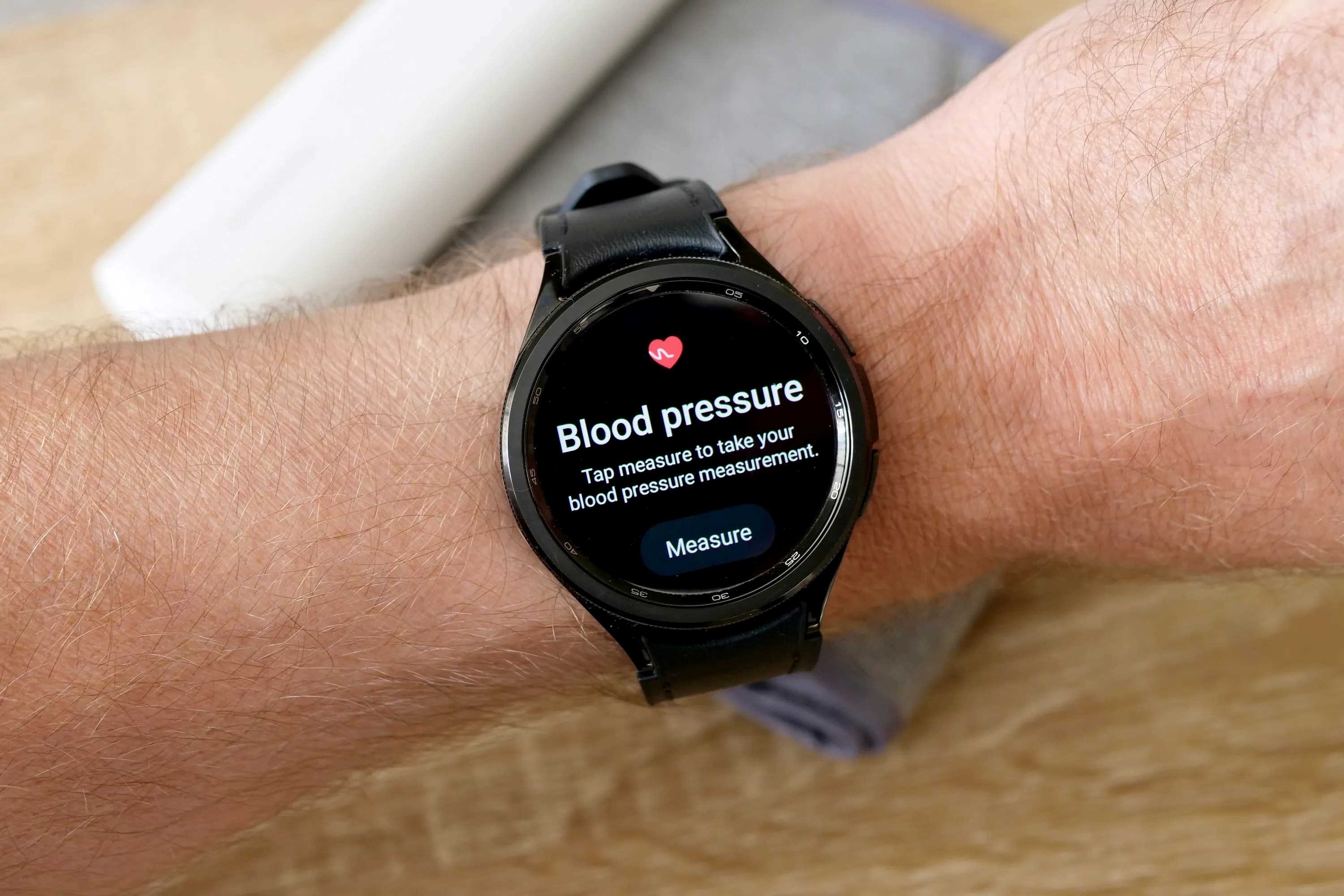
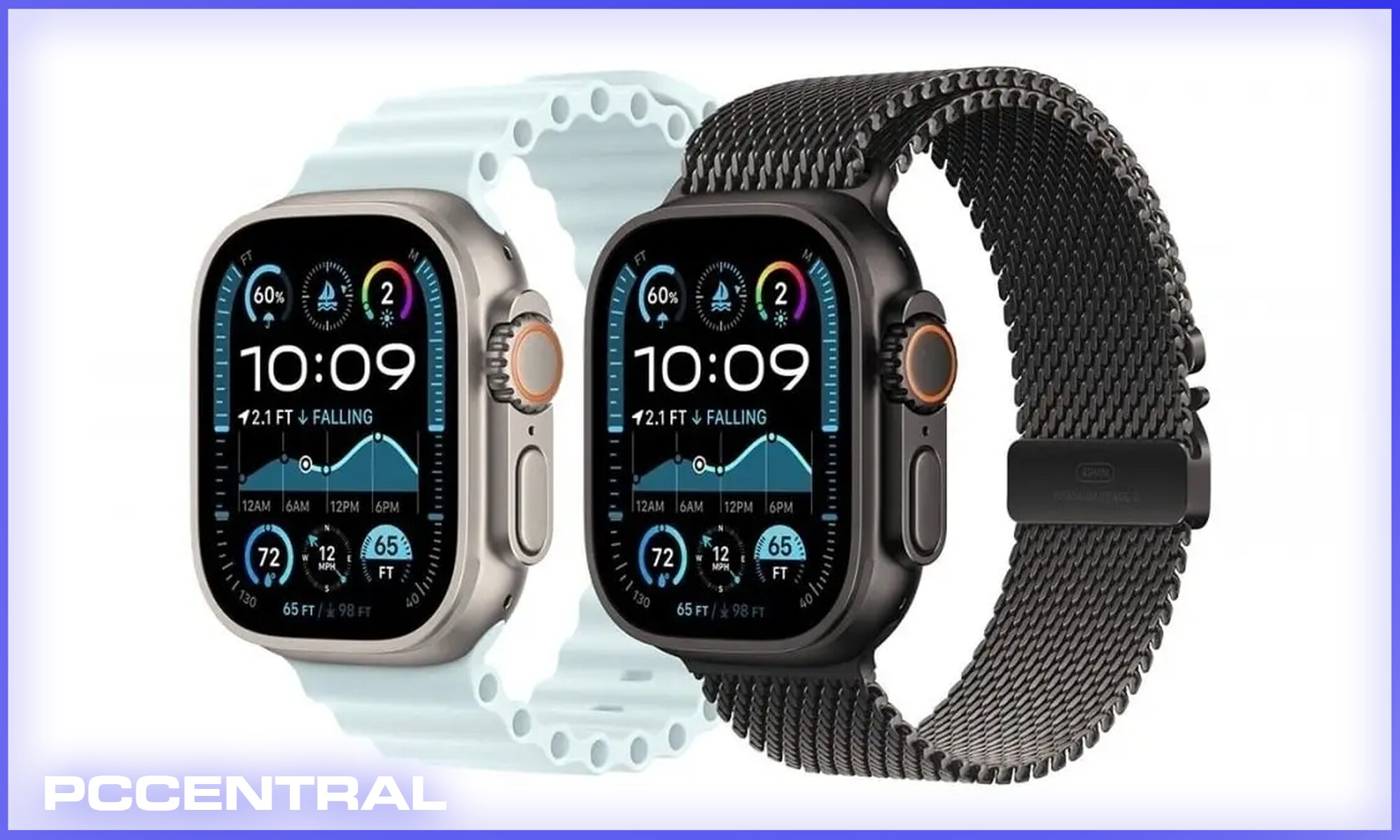
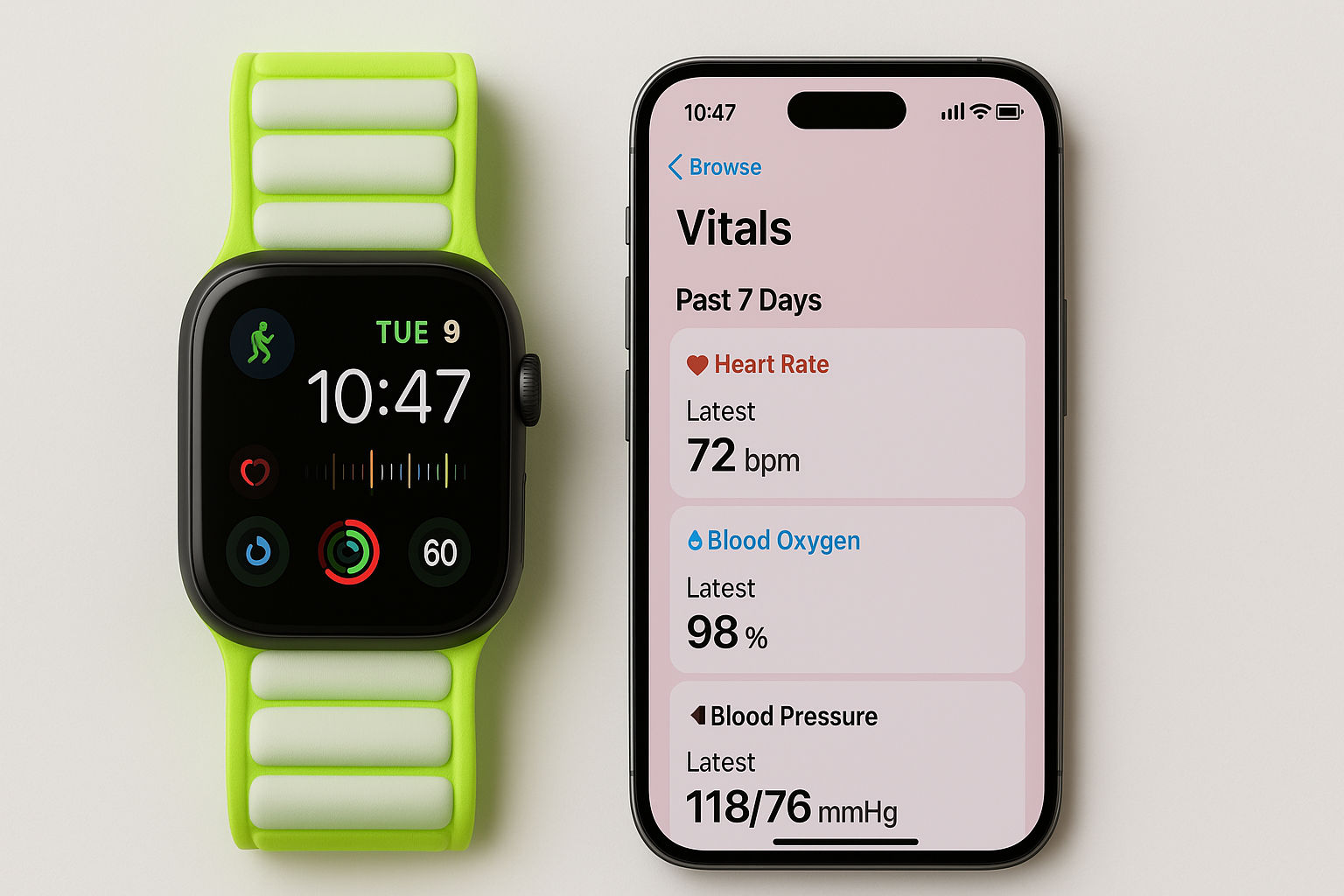
As of 2026, the Apple Watch has integrated sophisticated sensors designed to monitor blood pressure trends, providing users with alerts regarding potential hypertension. While these sensors offer high reliability for identifying significant changes and "surges" in blood pressure, they do not yet replace the medical-grade accuracy of an oscillometric upper-arm cuff. The technology serves primarily as a screening tool to help users identify patterns that warrant clinical consultation.
The journey toward blood pressure monitoring on the wrist has been one of the most significant engineering challenges in the history of wearable technology. Unlike heart rate or blood oxygen saturation, which can be measured through relatively straightforward optical sensors, blood pressure is a hemodynamic force that traditionally requires physical occlusion (squeezing) of an artery. By 2026, Apple has refined a cuff-less approach that utilizes advanced Pulse Wave Analysis (PWA) to estimate pressure changes, fundamentally changing how consumers interact with their cardiovascular health.
The Evolution of Health Monitoring on Apple Watch
To understand the accuracy of the current blood pressure features, one must look at the foundation laid by previous generations. The Apple Watch began as a fitness tracker, but with the introduction of the Electrical Heart Sensor (ECG) in Series 4 and the Blood Oxygen sensor in Series 6, the device shifted toward becoming a clinical-grade monitoring tool.
By 2026, the hardware in the latest Apple Watch models (Series 11 and Ultra 3) utilizes a multi-wavelength infrared sensor array combined with updated photoplethysmography (PPG) technology. This system doesn't just measure how fast your heart beats; it analyzes the specific shape and velocity of the blood pulse as it moves from the heart to the wrist. This measurement, often referred to as Pulse Transit Time (PTT), is the cornerstone of the Apple Watch’s blood pressure estimation capabilities.
How Apple Watch Measures Blood Pressure in 2026
The primary distinction between the Apple Watch and a traditional doctor’s office measurement is the methodology. A traditional sphygmomanometer uses an inflatable cuff to stop blood flow and then measures the pressure at which the flow resumes (systolic) and when the artery is no longer restricted (diastolic).
The Apple Watch uses a "cuff-less" method. This involves several technical layers:
- Pulse Wave Analysis (PWA): The optical sensors detect the volume of blood in the microvasculature of the wrist. Each heartbeat creates a "wave" of pressure. The sensors capture the morphology of this wave.
- Transimpedance Circuitry: Modern Apple Watch models use improved circuitry to reduce "noise" from skin movement or ambient light, ensuring the pulse wave signal is as clean as possible.
- Algorithmic Inference: Since the watch cannot feel the literal pressure against the skin in the same way a cuff can, it uses proprietary machine learning models to correlate wave patterns with blood pressure levels. These models are trained on vast datasets of thousands of individuals to account for variables like age, BMI, and arterial stiffness.
Evaluating Accuracy: Apple Watch vs. Medical Standards
When discussing "accuracy," we must distinguish between absolute accuracy and trend accuracy. Absolute accuracy refers to the device's ability to give a specific reading (e.g., 122/81 mmHg) that matches a gold-standard mercury column. Trend accuracy refers to the device’s ability to detect if your blood pressure is rising or falling over days or weeks.
The Margin of Error
Clinical standards, such as those set by the Association for the Advancement of Medical Instrumentation (AAMI), generally require blood pressure monitors to be within 5 mmHg of a reference standard. As of 2026, wrist-based optical sensors typically hover around a margin of error of 8–10 mmHg for absolute readings.
However, Apple’s implementation focuses on Hypertension Risk Detection. Instead of providing a specific number every time you look at your watch, the system alerts you if your baseline appears to be shifting into a higher "tier" (e.g., moving from Normal to Elevated or Stage 1 Hypertension).
Factors Affecting Wrist-Based Accuracy
Several physiological and environmental factors can compromise the accuracy of the Apple Watch's readings:
- Wrist Anatomy: The radial and ulnar arteries are deeper than the capillaries measured by the PPG sensor. Variations in wrist fat, bone structure, and skin thickness can alter the signal.
- Skin Tone: While Apple has made significant strides in sensor equity, darker skin tones contain more melanin, which absorbs more light from the green and infrared sensors. This requires more sophisticated signal processing to maintain accuracy.
- Movement and Posture: For the most accurate trend data, the user must be still. Movement artifacts are the leading cause of "false positives" in blood pressure alerts.
- Temperature: Cold weather causes peripheral vasoconstriction, where blood vessels in the wrist narrow. This changes the pulse wave velocity and can lead to artificially high or low estimations.
Comparison of Blood Pressure Monitoring Methods (2026 Status)
| Method | Accuracy Level | Convenience | Best Use Case |
|---|---|---|---|
| Auscultatory (Manual Cuff) | Gold Standard | Very Low | Clinical Diagnosis |
| Automatic Upper-Arm Cuff | High | Medium | Home Monitoring/Validation |
| Apple Watch (Series 11/Ultra 3) | Moderate (Trend-based) | Very High | Screening & Early Warning |
| Finger-Press Sensors | Low to Moderate | High | Spot Checks |
| Wrist-Cuff Monitors | Moderate | Medium | Travel/Portability |
The Role of Calibration
One of the most important aspects of maintaining Apple Watch blood pressure accuracy is the calibration process. In 2026, Apple still recommends (and in some regions requires) that users calibrate their watch using a traditional FDA-cleared upper-arm cuff every 30 days.
Calibration involves taking a manual reading with a traditional cuff and entering those numbers into the Health app. This provides the Apple Watch with a "baseline" for your specific arterial stiffness and vascular health. Without this calibration, the watch is essentially guessing based on a "global average," which significantly reduces its clinical utility.
Regulatory Status and FDA Clearance
In the United States, the Food and Drug Administration (FDA) classifies blood pressure monitoring features as Class II medical devices. By 2026, Apple has secured clearances for its hypertension notification system, similar to how it received clearance for Atrial Fibrillation (AFib) detection.
It is vital to note that "FDA Cleared" is not the same as "FDA Approved." Clearance means the device has been shown to be substantially equivalent to another legally marketed device. Users should check the Health app to ensure the feature is activated and legally available in their specific region, as regulatory timelines vary significantly between the US, EU, UK, and Asia.
Limitations and Clinical Cautions
While the Apple Watch is a marvel of 2026 engineering, it has clear limitations that users must respect.
Not for Acute Crisis
The Apple Watch is not designed to detect a "Hypertensive Crisis" (readings above 180/120 mmHg) in real-time. If you are experiencing symptoms like severe chest pain, headache, or shortness of breath, you should seek emergency care regardless of what your watch displays.
The "White Coat" and "Masked" Hypertension
The watch is excellent at identifying "Masked Hypertension"—a condition where a patient's blood pressure is normal in a clinical setting but high at home. Conversely, it can help those with "White Coat Hypertension" by showing their doctor that their pressure is typically lower when they are not in a stressful medical environment.
Medical Professional Oversight
Data from the Apple Watch should be used to facilitate a conversation with a healthcare provider, not to self-diagnose or adjust medication. Most cardiologists view wearable BP data as "supporting evidence" rather than "primary evidence."
Practical Tips for Improving Accuracy
To get the most out of the blood pressure features on an Apple Watch in 2026, users should follow these best practices:
- Correct Fit: The watch band must be snug but comfortable. If the watch slides around your wrist, the optical sensors cannot maintain the consistent skin contact required for pulse wave analysis.
- Consistency: Try to review your trends at the same time every day, ideally in the morning before consuming caffeine or exercising.
- Proper Positioning: When the watch is taking a background reading, try to keep your arm at heart level. If your arm is hanging down, gravity increases the local blood pressure in the wrist, leading to a "hydrostatic pressure" error.
- Keep it Clean: Sweat, lotion, and debris can film over the back crystal of the watch, scattering the light and degrading the sensor's precision.
FAQs
Can the Apple Watch replace my blood pressure medication?
No. You should never adjust or stop taking prescribed medication based on wearable data. The Apple Watch is a monitoring tool designed to provide data for your doctor to review. Only a licensed healthcare professional can diagnose hypertension and manage your treatment plan.
Does the Apple Watch provide systolic and diastolic numbers?
By 2026, the Apple Watch provides "estimated" systolic and diastolic ranges, but its primary function is to categorize your blood pressure into tiers (e.g., Normal, Elevated, Stage 1). It focuses on the trend rather than a singular, pinpoint-accurate number for every heartbeat.
Why does my Apple Watch show different results than the doctor's office?
There are several reasons for this, including the "White Coat effect" (stress at the doctor), different measurement sites (wrist vs. upper arm), and the time of day. Additionally, the Apple Watch measures blood pressure via light and algorithms, whereas a doctor uses a physical pressure cuff.
Does every Apple Watch have blood pressure monitoring?
No. This feature is hardware-dependent. In 2026, the technology is available on the Series 11, Series 12, and the Ultra 3 (and newer). Older models like the Series 9 or original SE do not have the specific sensor array or processing power required for accurate blood pressure estimation.
How often should I calibrate the blood pressure sensor?
For optimal accuracy, you should calibrate the sensor at least once a month using a high-quality upper-arm blood pressure cuff. If you experience significant weight loss, weight gain, or start new cardiovascular medications, you should perform a new calibration immediately.
Final Recommendation: A Tool, Not a Replacement
In 2026, the Apple Watch stands as a powerful ally in the fight against "the silent killer"—hypertension. Its accuracy for trend tracking and high-pressure alerts is sufficient to provide a life-saving "early warning system." However, for those with known chronic hypertension or heart disease, the watch should be used as a secondary device.
The most effective way to use the Apple Watch is to treat it as a diary of your heart's health. By sharing the "Health Trends" report from your iPhone with your physician, you provide them with a month's worth of real-world data that is far more valuable than a single snapshot taken during a stressful office visit. Use the watch to stay informed, but rely on medical-grade equipment and professional advice for your primary healthcare decisions.