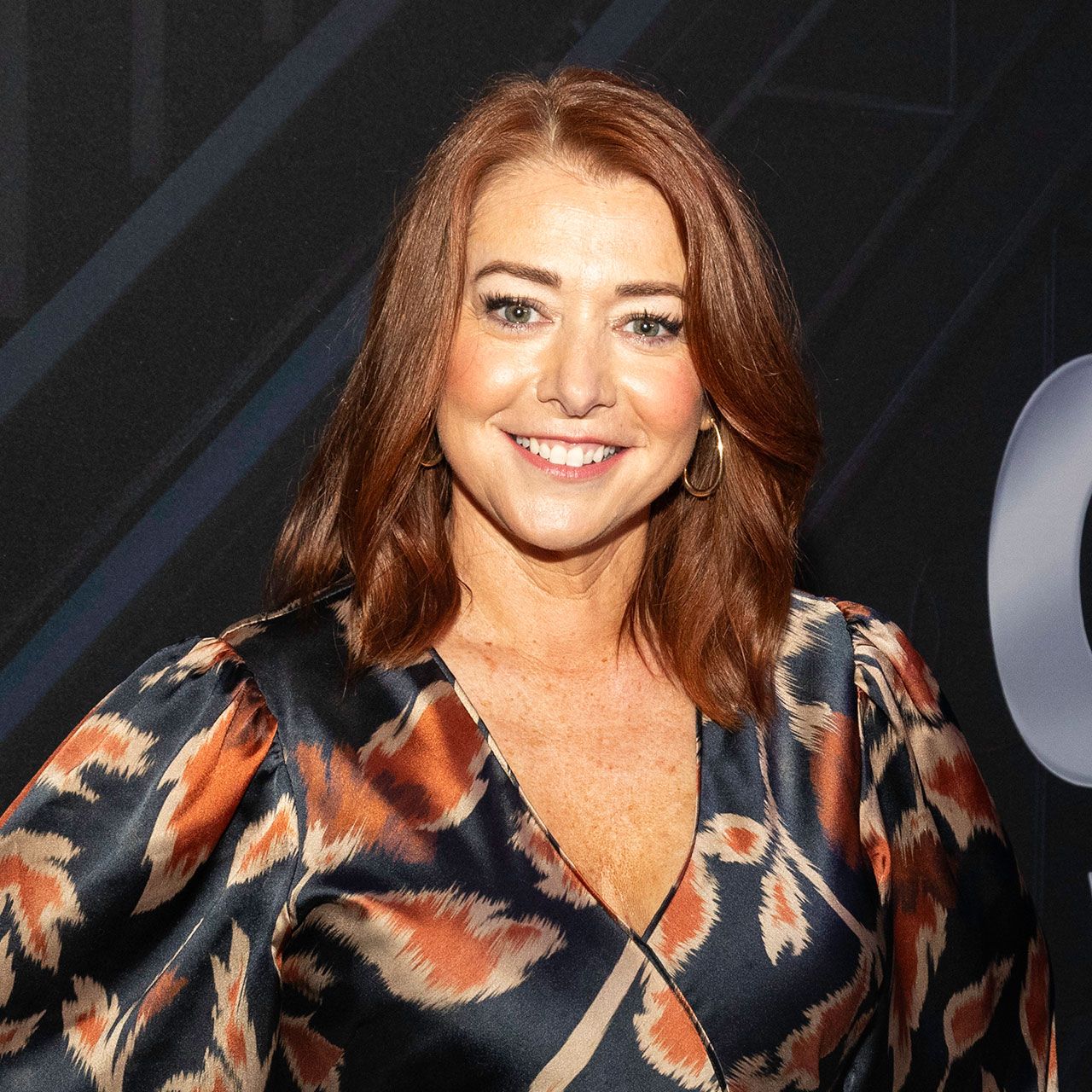
Alyson Hannigan’s commercial portfolio demonstrates how celebrities leverage multi-generational appeal and persona-driven marketing to humanize global brands. By transitioning from "cult-classic" actress to a "relatable mom" figure, her endorsements for brands like Mastercard and Tylenol illustrate how alignment between an actor's public image and a product's target demographic drives consumer trust and long-term engagement.
The Evolution of the Celebrity Spokesperson
In the landscape of 2026 marketing, the traditional celebrity endorsement has undergone a significant transformation. No longer is it enough for a famous face to simply hold a product; the modern consumer demands authenticity and narrative alignment. Alyson Hannigan serves as a primary case study for this shift. Her career, spanning from the supernatural heights of Buffy the Vampire Slayer to the long-running sitcom success of How I Met Your Mother, created a unique "persona equity" that brands have successfully mined for decades.
Hannigan represents the "relatable everywoman"—a rare archetype that bridges the gap between aspirational celebrity and the friendly neighbor. This specific positioning allows her to enter the homes of consumers through television and digital screens without the "barrier of grandeur" that often accompanies A-list movie stars. When Hannigan endorses a product, the audience perceives it not as a paid advertisement, but as a recommendation from a trusted, albeit famous, friend.
Analyzing Key Alyson Hannigan Commercial Campaigns
To understand how Hannigan facilitates brand growth, we must examine the specific mechanics of her most prominent campaigns. Each partnership utilizes a different facet of her public identity, showing the versatility required of a modern brand ambassador.
Mastercard and the "Masterpass" Initiative
One of Hannigan’s most effective campaigns was her work for Mastercard, specifically promoting the Masterpass digital wallet. At the time, digital payment security was a significant hurdle for many consumers. The campaign utilized Hannigan’s "Lily Aldrin" persona—the busy, tech-savvy but grounded mother—to demonstrate the ease of use and security of the platform.
The technical success of these commercials relied on comedic timing and situational relatability. By placing Hannigan in everyday scenarios—navigating holiday shopping or managing a household—Mastercard bypassed the dry, technical explanation of encrypted payments. Instead, they focused on the emotional payoff: time saved and stress reduced. This is a hallmark of celebrity endorsement theory, where the celebrity’s ease of use acts as a proxy for the consumer’s potential experience.
Tylenol and the "Mom" Archetype
In her partnership with Tylenol, Hannigan leaned heavily into the parental demographic. These advertisements often lacked the fast-paced humor of her other work, opting instead for a softer, more sincere tone. This transition is vital for brand safety and trust-building in the pharmaceutical sector.
For Tylenol, the "Match-Up Hypothesis"—a marketing theory suggesting that the effectiveness of an endorsement increases when the celebrity's image matches the product—was in full effect. Hannigan’s real-life status as a mother of two provided the necessary social proof. The campaign didn't just sell pain relief; it sold the reliability required to keep a household running.
Zillow and the Narrative of Home
More recently, Hannigan’s work with Zillow showcased the power of storytelling in endorsements. Rather than focusing on house listings, the commercials focused on the feeling of finding a home. Hannigan’s voice and presence served as the emotional anchor. Because audiences have watched her "grow up" on screen, from a teenager in Sunnydale to a mother in Manhattan, her endorsement of a home-buying platform felt like a natural progression of her life’s narrative.
The Mechanics of Why Alyson Hannigan Works for Brands
The effectiveness of Alyson Hannigan in commercials is not accidental. It is the result of specific psychological triggers and strategic brand alignment. Marketing professionals look for three key metrics when selecting a spokesperson: attractiveness, trustworthiness, and expertise.
1. Trustworthiness Over Glamour
While many celebrities are chosen for their unattainable glamour, Hannigan is chosen for her perceived honesty. In the "Got Milk?" campaigns and her work with Head & Shoulders, she often addresses minor flaws or everyday inconveniences. This self-deprecating approach breaks down the "celebrity wall." When a consumer believes a celebrity is telling the truth about their hair care or their milk consumption, the brand gains immediate credibility.
2. Multi-Generational Reach
As of 2026, Hannigan holds a unique position in the "nostalgia economy."
- Gen X remembers her from the American Pie franchise.
- Millennials view her as a foundational icon from Buffy and How I Met Your Mother.
- Gen Z has discovered her through streaming platforms and her hosting duties on Penn & Teller: Fool Us.
This broad reach allows a single commercial to resonate across multiple age brackets, maximizing the brand’s Return on Investment (ROI).
3. Comedic Versatility
Hannigan possesses a background in physical comedy and ensemble work. This is a technical asset in 30-second spots. She can convey a complex emotion or a "punchline" with a single facial expression, which is essential when airtime is expensive and consumer attention spans are short.
Comparative Analysis of Hannigan's Endorsement Impact
| Brand | Campaign Focus | Key Audience Segment | Psychological Trigger |
|---|---|---|---|
| Mastercard | Convenience & Tech | Busy Professionals/Parents | Reduction of Cognitive Friction |
| Tylenol | Reliability & Care | Families | Trust and Brand Safety |
| Old Navy | Humor & Accessibility | Budget-Conscious Families | Social Belonging |
| Zillow | Lifestyle & Future | First-Time Homebuyers | Emotional Aspiration |
| Head & Shoulders | Problem-Solution | General Consumers | Relatability (Shared Problems) |
The "Match-Up Hypothesis" in Action
The "Match-Up Hypothesis" is a critical concept for understanding celebrity endorsements. It posits that the "fit" between the celebrity and the brand is more important than the celebrity’s level of fame. Hannigan is rarely seen endorsing high-end luxury goods or avant-garde fashion. Why? Because it would create cognitive dissonance in the audience.
If Hannigan were to endorse a $200,000 sports car, the audience might feel she is "out of character." However, when she endorses a family-friendly SUV, a retail clothing chain like Old Navy, or a household cleaning product, the "fit" is seamless. This alignment ensures that the celebrity’s persona reinforces the brand’s identity rather than distracting from it.
The Economics of Celebrity Partnerships in 2026
In the current economic climate, brands are move away from one-off commercials toward long-term ambassadorships. Alyson Hannigan’s career reflects this trend. Her partnerships often span years rather than months. This longevity is beneficial for several reasons:
- Brand Recall: The more a celebrity is associated with a brand, the more likely the consumer is to think of that brand when they see the celebrity in other contexts (e.g., watching a rerun of a show).
- Contractual Stability: Long-term contracts often include "moral clauses" and social media requirements, ensuring the brand has a consistent and safe presence in the celebrity’s digital life.
- Cost Efficiency: While the initial payout for a celebrity of Hannigan’s stature is high, the cost-per-impression decreases as the content is reused across TV, social media ads, and in-store displays.
Practical Lessons for Brands Using Celebrity Talent
Using Alyson Hannigan as a blueprint, brands can derive several actionable strategies for their own endorsement campaigns:
- Prioritize Persona over Fame: Don't just hire the person with the most followers. Hire the person whose "on-screen history" aligns with your product’s values.
- Utilize "Micro-Moments": Hannigan’s commercials often focus on small, relatable frustrations (a slow computer, a headache, a lost shoe). Solving small problems builds more trust than promising life-changing transformations.
- Leverage Humor to Lower Defenses: Advertising is inherently intrusive. Humor, delivered by a likable actor, acts as a "social lubricant" that makes the sales pitch more palatable to a cynical audience.
- Ensure Cross-Platform Consistency: In 2026, a commercial isn't just a TV spot. It's a TikTok sound, an Instagram Story, and a YouTube pre-roll. Hannigan’s ability to adapt her performance to these different formats is a key part of her value proposition.
Addressing Potential Risks in Celebrity Endorsements
Even with a "safe" celebrity like Hannigan, brands must navigate risks. Oversaturation occurs when a celebrity endorses too many products simultaneously, leading to "spokesperson fatigue." If a consumer sees Hannigan in five different commercials during a single sports broadcast, the impact of each individual brand is diluted.
Furthermore, Brand overshadowing (the "Vampire Effect") can occur if the celebrity is too interesting or famous, causing the audience to remember the person but forget the product. Hannigan avoids this by often playing a "supportive" role in the commercial’s narrative—the product is the hero that solves the problem she is facing.
Frequently Asked Questions
Why do brands specifically choose Alyson Hannigan for family-oriented commercials?
Brands choose Alyson Hannigan because she successfully transitioned from a teen icon to a relatable adult figure. Her long-standing roles as Willow Rosenberg and Lily Aldrin built a foundation of "friendliness" and "reliability." This makes her an ideal surrogate for the "average parent" in the eyes of consumers.
How does celebrity endorsement impact the pricing of products?
While hiring a celebrity like Hannigan requires a significant upfront investment, it typically does not directly increase the retail price of a single item. Instead, the cost is factored into the brand's total marketing budget. The goal is to increase sales volume, which offsets the cost of the endorsement.
Is Alyson Hannigan's commercial work more effective than her television roles?
The two are symbiotic. Her television roles provide the "character data" that makes her commercials effective. Without the trust built through years of scripted television, her commercial endorsements would lack the necessary emotional resonance.
What is the "Match-Up Hypothesis" mentioned in her campaigns?
The Match-Up Hypothesis suggests that an endorsement is most effective when the celebrity’s image and the product's image are congruent. For example, Hannigan (known for being down-to-earth) is a perfect match for Zillow or Tylenol, but might be a poor match for a high-concept luxury jewelry brand.
How has Alyson Hannigan's commercial presence changed in the 2020s?
In recent years, her commercials have moved away from traditional "jingles" and toward lifestyle integration. There is a heavier focus on her real-life interests, such as crafting, parenting, and home renovation, which aligns with her social media presence and hosting roles.
Final Recommendation for Marketing Professionals
When studying Alyson Hannigan's commercial success, the most important takeaway is the value of persona consistency. Brands looking to replicate this success should seek out talent that possesses a "pre-built" relationship with the target audience. Focus on actors who have played "long-arc" characters on television, as these performers often carry a level of subconscious trust that movie stars or social media influencers cannot match. By prioritizing narrative fit and relatability over raw celebrity power, brands can create commercials that do more than just sell—they build lasting consumer loyalty.