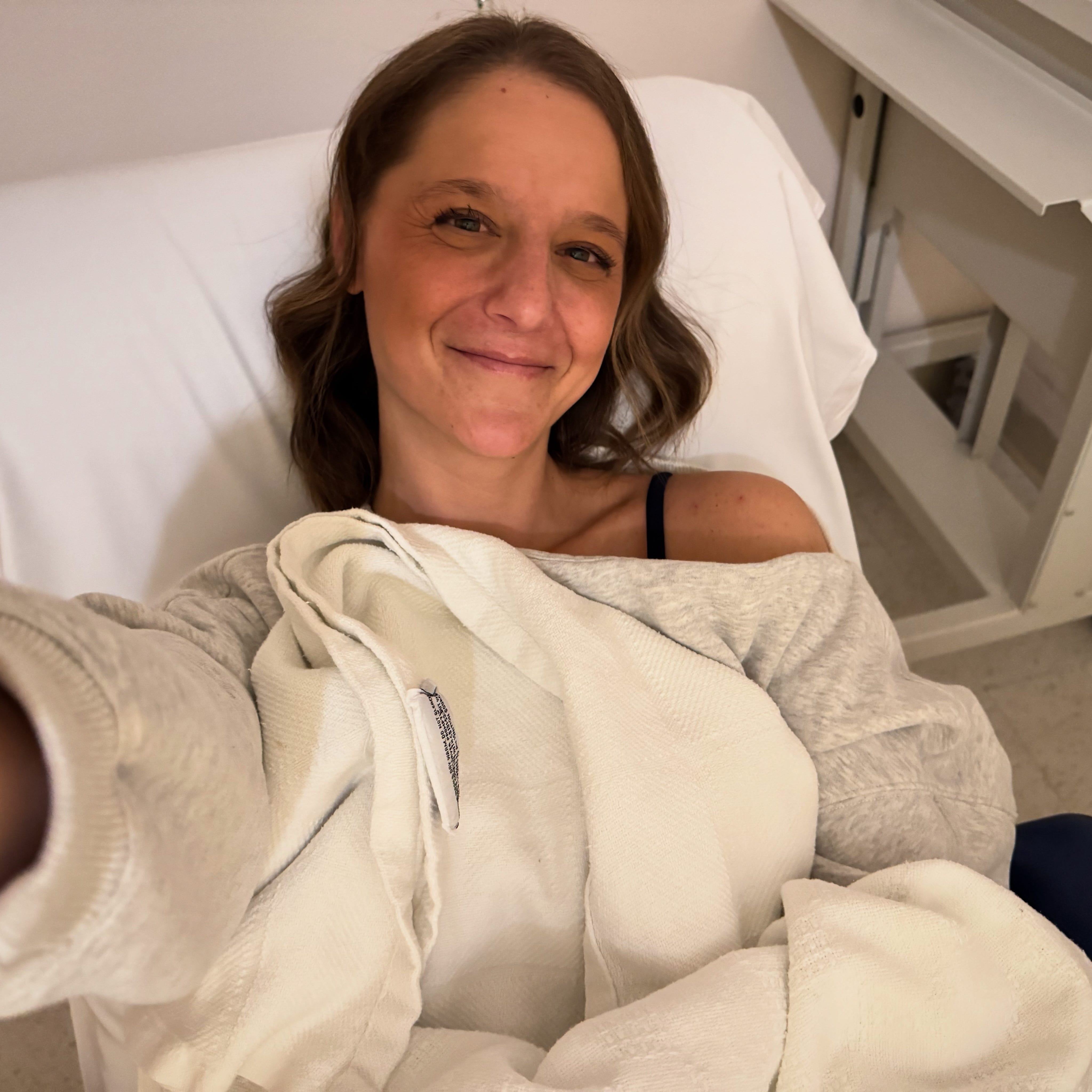
Ali Feller, the creator and host of the popular "Ali on the Run Show" podcast, was diagnosed with Stage 1 Invasive Ductal Carcinoma (breast cancer) in May 2024. Following a double mastectomy in July 2024 and subsequent treatments, she has become a prominent voice for cancer awareness, navigating survivorship alongside her long-term battle with Crohn’s disease.
The running community is no stranger to stories of endurance, but few narratives have resonated as deeply or as personally as that of Ali Feller. Known for her high-energy interviews with marathon legends and everyday athletes alike, Feller found herself at the center of a different kind of race in 2024—one that required a different brand of stamina. As of 2026, her journey through breast cancer has evolved from an acute medical crisis into a profound chapter of advocacy, medical complexity, and communal support.
For listeners who have followed Feller for years, her diagnosis was a shock, yet her transparency in handling it was entirely on-brand. Having spent over a decade documenting her life with Crohn’s disease, Feller applied the same "radical honesty" to her cancer diagnosis. This article explores the specifics of her medical journey, the unique challenges of managing cancer alongside a pre-existing autoimmune condition, and the impact her story has had on the global running and patient communities.
The Diagnosis: Understanding Invasive Ductal Carcinoma (IDC)
In May 2024, Ali Feller shared the news that a routine screening and subsequent biopsy had confirmed the presence of Invasive Ductal Carcinoma (IDC). IDC is the most common form of breast cancer, representing approximately 80% of all breast cancer diagnoses. It begins in the milk ducts but "invades" the surrounding breast tissue, carrying the potential to spread to the lymph nodes and other parts of the body if not caught early.
Feller’s diagnosis was classified as Stage 1, which generally indicates that the tumor is small and has not spread deeply into the lymph nodes. While Stage 1 carries a high five-year survival rate—often exceeding 98%—the treatment protocol remains intensive. For an athlete and high-profile professional like Feller, the diagnosis meant an immediate halt to her "normal" life to make room for a relentless schedule of oncology appointments, imaging, and surgical consultations.
The "Ali on the Run" community saw Feller navigate the "interim period"—the agonizing weeks between diagnosis and the start of treatment. During this time, she continued to record podcast episodes, providing a raw look at the anxiety associated with medical uncertainty. Her ability to articulate the "scanxiety" and the weight of waiting for pathology reports provided a lifeline to many of her listeners facing similar health scares.
The Surgical Path: The Decision for a Double Mastectomy
One of the most significant milestones in Feller’s journey was her decision to undergo a bilateral mastectomy (double mastectomy) in July 2024. While some Stage 1 IDC cases can be treated with a lumpectomy followed by radiation, many patients choose a mastectomy for peace of mind, genetic considerations, or to avoid the need for localized radiation in the future.
Feller was open about the physical and emotional toll of the surgery. A double mastectomy is a major procedure involving the removal of all breast tissue from both breasts. For someone whose identity and career are closely tied to physical movement and the running world, the mandatory period of immobility was a significant challenge.
The Recovery Process
Recovery from a mastectomy involves more than just the healing of incisions. It includes:
- Drain Management: Patients often have surgical drains for several weeks to prevent fluid buildup.
- Range of Motion Issues: Physical therapy is frequently required to regain shoulder and arm mobility.
- Emotional Processing: The loss of breast tissue and the change in body image require significant psychological adjustment.
Feller documented these "unglamorous" aspects of recovery with her signature humor and vulnerability. By showing the drains, the bandages, and the slow walk back to health, she demystified a process that is often hidden behind pink ribbons and sanitized success stories.
The Intersection of Cancer and Crohn’s Disease
What made Ali Feller’s cancer journey particularly complex was her long-standing history with Crohn’s disease. Crohn’s is an inflammatory bowel disease (IBD) that causes chronic inflammation of the gastrointestinal tract. Managing an autoimmune condition while undergoing cancer treatment presents a unique set of "medical chess moves."
Cancer treatments, particularly surgeries and certain medications, can trigger Crohn's flares. Conversely, the immunosuppressive drugs used to manage Crohn’s can complicate how the body responds to cancer surgery and potential infections. Feller’s medical team had to coordinate closely to ensure that treating the IDC did not result in a catastrophic Crohn’s relapse.
This intersection is a reality for millions of patients living with multiple chronic conditions. Feller’s experience highlighted the importance of "integrated care"—where specialists like oncologists and gastroenterologists communicate to treat the whole person rather than just the isolated disease. Her advocacy in this place has encouraged many in the IBD community to prioritize regular cancer screenings, as some IBD medications can slightly increase the risk of certain cancers.
Impact on the "Ali on the Run Show" and the Running Community
The "Ali on the Run Show" has long been a staple of the running world, known for its deep dives into the lives of professional runners. When the host became the subject of the story, the community's response was overwhelming. The "Ali on the Run" audience, often referred to as "the community," rallied around her with the same intensity usually reserved for major marathons.
Feller used her platform to shift the conversation. While the podcast continued to feature elite athletes, it also began to feature more "medical athletes"—individuals who used running as a tool for recovery or as a way to maintain a sense of self during illness. This shift broadened the podcast's reach, making it a destination for anyone seeking resilience, not just those seeking a marathon PR (personal record).
Redefining Strength in Running
For many runners, strength is defined by mileage, pace, and podium finishes. Feller’s cancer journey redefined strength as:
- Rest as Discipline: Learning that taking a break is a form of toughness, not weakness.
- Vulnerability as Power: Being honest about pain and fear rather than performing "toxic positivity."
- Community as Fuel: Accepting help and allowing others to "carry the torch" during difficult segments of the race.
Looking Forward: Life in 2026 and Survivorship
As we look at the landscape in 2026, Ali Feller has transitioned into the "survivorship" phase of her journey. In the medical world, survivorship begins at the moment of diagnosis and continues throughout the rest of a person's life. For Feller, this means ongoing monitoring, hormonal therapies (if the cancer was hormone-receptor-positive), and the perpetual management of Crohn’s disease.
In 2026, Feller remains a central figure in the running media, but her perspective has permanently shifted. She often speaks about the "aftershocks" of cancer—the way the experience changes one's relationship with their body and their future. She has become an active supporter of organizations like the American Cancer Society and the Crohn’s & Colitis Foundation, bridging the gap between these two patient populations.
Comparative Overview: IDC vs. Other Breast Cancers
To understand the specifics of what Feller faced, it is helpful to look at how IDC compares to other diagnoses.
| Cancer Type | Description | Prevalence | Standard Treatment (Typical) |
|---|---|---|---|
| Invasive Ductal Carcinoma (IDC) | Starts in ducts, spreads to breast tissue. | ~80% of breast cancers. | Surgery, Radiation, Chemo, Hormone therapy. |
| Invasive Lobular Carcinoma (ILC) | Starts in milk-producing glands (lobules). | ~10% of breast cancers. | Surgery, Hormone therapy, occasionally Chemo. |
| Ductal Carcinoma In Situ (DCIS) | Non-invasive; cells are inside the duct only. | ~20% of new cases. | Surgery, Radiation, sometimes Hormone therapy. |
| Triple-Negative Breast Cancer | Lacks estrogen, progesterone, and HER2 receptors. | ~10-15% of cases. | Surgery, Chemotherapy, Immunotherapy. |
Note: Ali Feller’s specific treatment plan was tailored to her Stage 1 IDC diagnosis and her history with Crohn's.
Key Lessons for the Running and Patient Community
Ali Feller’s journey offers several universal takeaways for athletes and non-athletes alike. Her experience serves as a roadmap for navigating the healthcare system and maintaining mental health during a crisis.
1. The Importance of Self-Advocacy
Feller has often emphasized that being "the squeaky wheel" is necessary in the medical system. Whether it is pushing for a faster biopsy or asking for more clarity on surgical outcomes, self-advocacy ensures that the patient’s goals are aligned with the medical team’s plan.
2. Physical Activity as a Mental Health Tool
While she could not run during her immediate post-op recovery, Feller utilized walking and low-impact movement to maintain her mental health. She proved that you don't have to be running sub-7-minute miles to benefit from the "runner's mindset."
3. The Power of "Showing Up"
Feller’s decision to keep the podcast going, even in a modified capacity, highlighted the importance of purpose. Having a project or a community to show up for can provide a vital distraction and a sense of normalcy when everything else feels out of control.
Practical Resources for Those Facing a Similar Diagnosis
If you or someone you know is navigating a breast cancer diagnosis, several reputable organizations provide support and information:
- American Cancer Society (ACS): Offers comprehensive guides on IDC and treatment options. cancer.org
- Breastcancer.org: A patient-centric site with forums and detailed breakdowns of surgical procedures. breastcancer.org
- Crohn’s & Colitis Foundation: Essential for those managing IBD alongside other health issues. crohnscolitisfoundation.org
- The Ali on the Run Show: Listen to Feller’s "Cancer Chronicles" episodes for a first-person account of the experience.
FAQs About Ali on the Run and Her Cancer Journey
What specific type of cancer was Ali Feller diagnosed with?
Ali Feller was diagnosed with Stage 1 Invasive Ductal Carcinoma (IDC). This is the most common form of breast cancer, where the cancer begins in the milk ducts and invades the surrounding breast tissue. Because it was caught at Stage 1, the tumor was small and localized, though still requiring aggressive surgical intervention.
Did Ali Feller have to undergo chemotherapy?
Treatment plans are highly individualized based on the pathology of the tumor (such as hormone receptor status and HER2 status). For many Stage 1 IDC patients who undergo a double mastectomy, chemotherapy may be avoided if the Oncotype DX score (a genomic test) indicates a low risk of recurrence. Ali has been open about her specific treatment path on her podcast, focusing largely on her surgical recovery and the management of her health with Crohn's.
How did her Crohn’s disease affect her cancer treatment?
Crohn's disease added a layer of complexity because the body's immune response is already compromised or overactive. Her medical team had to ensure that the stress of surgery and any potential medications did not cause a flare-up of her intestinal inflammation. This required a multidisciplinary approach involving both her oncologist and her gastroenterologist.
Is Ali Feller still running in 2026?
Yes, Ali Feller has returned to running, though her approach has evolved. In 2026, she continues to run for joy, health, and community connection rather than just performance metrics. She has often spoken about the "gift" of being able to run again after her body was sidelined by surgery and recovery.
How can I support Ali Feller or others in the running community with cancer?
Supporting Ali often means engaging with her podcast and the sponsors that support her work. For the broader community, support can look like donating to cancer research, participating in "Run for the Cure" events, or simply offering "no-strings-attached" help (like meals or childcare) to friends in the community facing a diagnosis.
Final Recommendation
For those inspired by Ali Feller’s journey, the most practical next step is to prioritize your own preventative health. Schedule your annual physicals, perform regular self-exams, and do not ignore persistent symptoms, whether they are gastrointestinal or related to breast health. Ali’s story is a testament to the fact that while we cannot always control the hurdles we face, our community and our resilience determine how we clear them. Stay informed, stay vocal, and—as Ali would say—keep showing up.