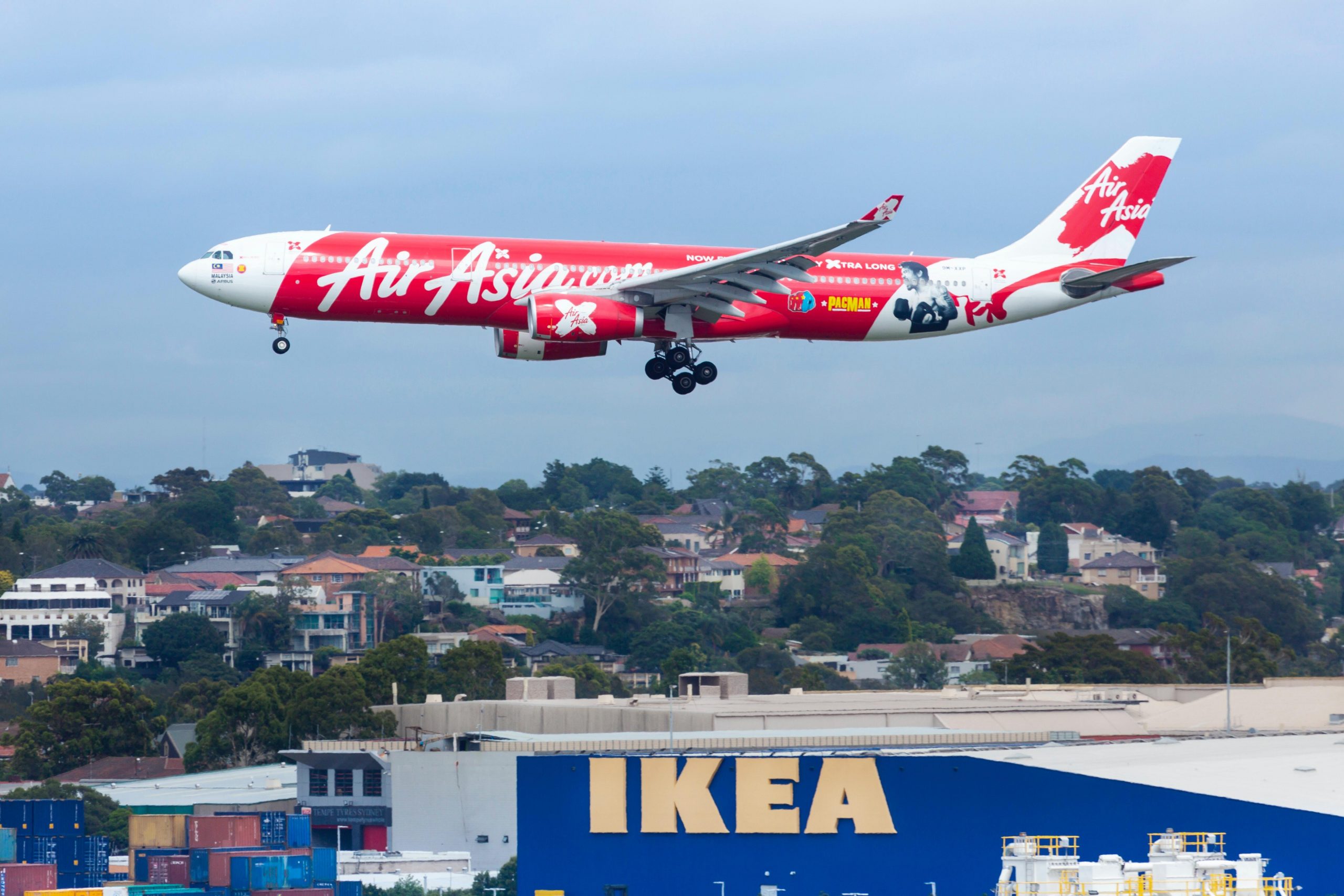
AirAsia operates as a high-volume, low-cost carrier (LCC) model, and reviews of the airline consistently reflect a trade-off between extreme price competitiveness and a strict "pay-for-what-you-need" service structure. Travelers often find that satisfaction levels hinge heavily on understanding the airline's unbundled fare system, stringent baggage policies, and the self-service nature of their digital ecosystem.
The Business Model Behind the Passenger Experience
To accurately interpret AirAsia reviews, one must first recognize the fundamental mechanics of the airline's operations. As a pioneer of the low-cost carrier model in the Asia-Pacific region, AirAsia strips away the traditional "full-service" inclusions—such as complimentary meals, advanced seat selection, and generous baggage allowances—to drive down base fares.
When reading reviews, you will notice a clear dichotomy in passenger sentiment. Negative feedback often stems from "bill shock" at the airport, specifically regarding excess baggage fees or charges for carry-on weight violations. Conversely, positive reviews frequently come from travelers who utilized the airline's website or mobile app to pre-purchase add-ons, effectively locking in a low-cost travel experience that fits their specific requirements. In 2026, this digital-first approach remains the backbone of their customer interaction strategy, pushing passengers toward self-service for check-in and ancillary purchases.
Decoding Common Themes in Customer Feedback
Across major travel forums and review aggregators, AirAsia experiences are typically classified into five primary domains. Understanding these helps you filter reviews to see if they are relevant to your specific travel plans.
1. Baggage and Fare Transparency
The most frequent source of friction in AirAsia reviews involves the carrier's baggage policy. AirAsia maintains a strict carry-on weight limit (typically 7kg total for all cabin bags). Travelers who are accustomed to legacy carriers that allow a personal item plus a cabin bag without strict weighing often report negative experiences when forced to pay gate fees.
- The Pro-Tip: Reviews from frequent flyers consistently suggest that the "My Booking" portal on the AirAsia website is the only way to avoid higher airport fees. Purchasing baggage allowance at the gate is significantly more expensive, leading to the complaints commonly seen in online reviews.
2. Onboard Services and Add-ons
Since AirAsia is a budget airline, all food, beverages, and comfort items (like blankets or pillows) are available for purchase. Reviews regarding food are polarized: those expecting a complimentary meal often leave disappointed, while those who pre-order the "Santan" menu items (AirAsia’s signature onboard dining) generally rate the value for money as high.
3. Digital Experience and Mobile App
The AirAsia MOVE (formerly known as the AirAsia Superapp) is the central interface for all passenger tasks. Reviews from 2026 highlight the app’s utility for managing bookings and checking in. However, a segment of users reports frustration with the automated chatbot (AVA) when attempting to resolve complex rebooking issues or refunds.
4. Flight Reliability and Punctuality
As a high-frequency short-haul carrier, AirAsia's operational efficiency is a point of contention. Reviews regarding punctuality often mention that while the airline is efficient at boarding, delays can ripple through their network during peak travel seasons. Passengers often note that their expectations for a budget carrier remain moderate regarding timing, but they value the extensive route connectivity.
5. Cabin Comfort and Seat Configuration
AirAsia utilizes a high-density seating configuration to maximize capacity. Reviews frequently note that seat pitch (the distance between your seat and the one in front) is limited. Travelers over six feet tall often suggest opting for "Hot Seats" (extra legroom) when reading through seating advice, which helps manage expectations before booking.
Comparative Overview: Expectations vs. Reality
When evaluating whether AirAsia is the right choice for your trip, it is helpful to contrast their service level with traditional carriers.
| Feature | AirAsia (Budget) | Traditional Full-Service Carrier |
|---|---|---|
| Base Fare | Ultra-low, unbundled | Higher, includes base services |
| Baggage | Fee for all checked items | Often includes 20–30kg free |
| In-flight Food | Purchase required | Usually complimentary |
| Seat Selection | Fee required | Often free or low-cost |
| Flexibility | Rigid; high change fees | Varies; usually more flexible |
This table illustrates why reading reviews requires context. A traveler who values comfort and flexibility may rate AirAsia poorly, while a budget-conscious traveler may give the same flight a five-star rating because the price allowed them to reach their destination without exceeding their budget.
Addressing Frequent Pain Points
If you are researching AirAsia because you have an upcoming trip, take note of the following strategies derived from recurring user advice:
- Weight Management: Always weigh your cabin bags at home using a luggage scale. Because AirAsia enforces the 7kg limit strictly during boarding, this is the most common cause of negative "surprise" fees.
- The Importance of Pre-Booking: Never wait until you reach the airport to handle baggage or food needs. Prices are significantly marked up once you arrive at the terminal.
- Resolution Channels: If a problem arises, avoid relying solely on the chatbot. Check official social media support channels or physical service counters at the airport if the issue is urgent.
- Connectivity: AirAsia often operates in airports that have specific terminal requirements for budget carriers (such as klia2 in Malaysia). Ensure you have checked your terminal and gate information via the app to avoid last-minute rushing.
FAQ: Frequently Asked Questions About AirAsia
Is it worth flying with AirAsia for long-haul routes? AirAsia covers a vast network of short and medium-haul flights. Whether it is "worth it" depends on your tolerance for a high-density cabin. For shorter durations (under 4 hours), the cost-saving benefits usually outweigh the lack of amenities. For longer flights, travelers often suggest buying a seat upgrade to ensure enough space to sleep.
Are the refund processes for AirAsia difficult to navigate? Reviews frequently mention that refunds for cancelled or disrupted flights can be a multi-step process. The airline typically defaults to issuing "Credit Accounts" rather than cash refunds, depending on the circumstances of the cancellation. It is highly recommended to read the Terms and Conditions at the time of booking to understand your specific eligibility for cash refunds versus travel credits.
How strict is the 7kg cabin baggage limit? The limit is strictly enforced. Ground staff frequently check cabin bags at the boarding gate. If your bag exceeds the weight limit or exceeds the dimension requirements, you will likely be charged a fee to check the item into the hold.
Can I get a better experience if I pay for upgrades? Yes. AirAsia offers various bundles and individual add-ons. Reviews from frequent passengers often state that purchasing a "Value Pack" (which includes 20kg checked baggage, a meal, and standard seat selection) is often cheaper and provides a much more stress-free experience than booking the "base" fare and paying for extras individually.
What is the best way to contact support if something goes wrong? The AirAsia MOVE app is the primary support tool. For complex issues that the chatbot cannot resolve, users have historically found success by engaging through the airline’s official social media channels, where human agents are sometimes available to assist with escalations.
Final Recommendation for Travelers
If you are considering flying with AirAsia in 2026, your experience will largely be determined by your preparation. If you treat the airline as a "transport-only" service and carefully purchase exactly what you need—no more, no less—during the booking phase, you can achieve significant cost savings. However, if you arrive at the airport expecting legacy airline standards or fail to manage your baggage weight beforehand, you are likely to experience the frustration often echoed in negative reviews. Always prioritize pre-booking your add-ons and verifying your terminal information to ensure a seamless transit.