The cash value of an AIG whole life insurance policy is a living benefit that accumulates over time, functioning as a tax-advantaged savings component within a permanent life insurance contract. Policyholders can access these funds through loans or withdrawals to address financial needs, though these actions may reduce the policy’s death benefit and overall account performance if not managed carefully.
The Mechanics of Cash Value in Whole Life Insurance
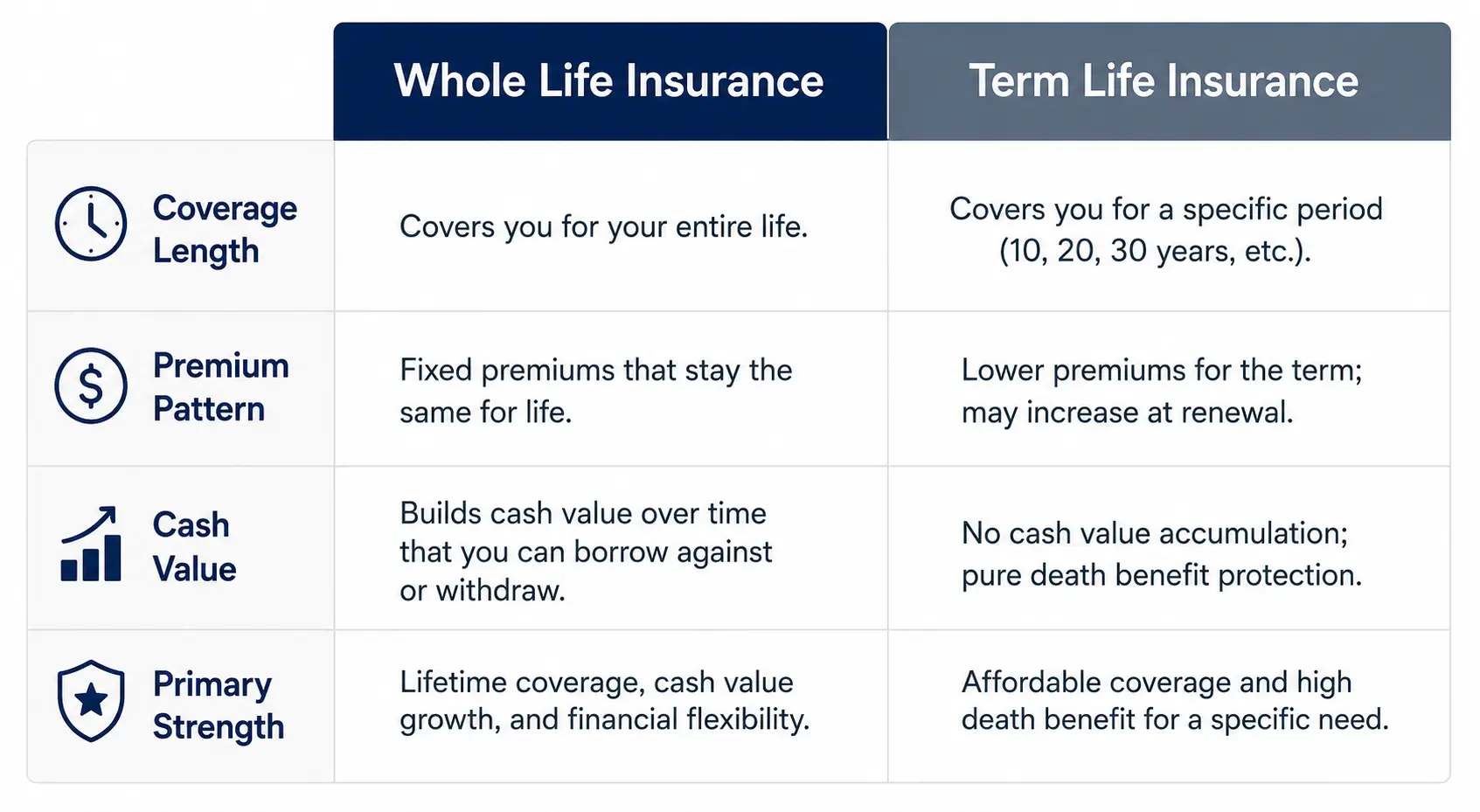
Whole life insurance is a type of permanent life insurance designed to remain in effect for the duration of the insured’s life, provided that required premiums are paid. Unlike term life insurance, which only provides a death benefit for a specified period, whole life policies include a cash value component.
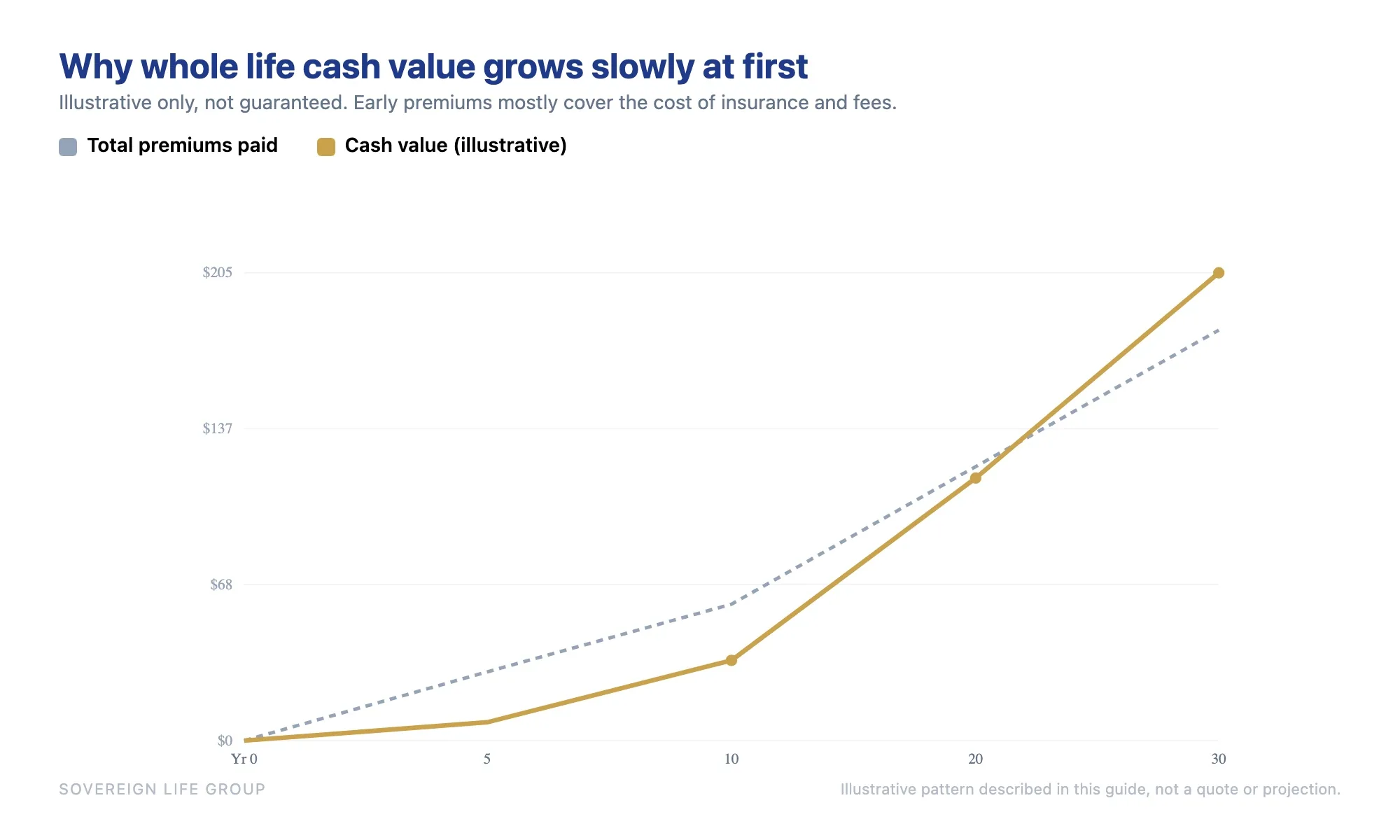
A portion of each premium payment is allocated toward the cost of insurance and administrative fees, while the remainder is directed into the policy’s cash value account. This account grows over time, typically credited with interest based on the insurer's internal performance and guaranteed minimums set forth in the policy contract. Because the insurance company bears the investment risk, the growth of the cash value is generally predictable and steady, shielded from the volatility of the stock market.
For AIG-related life insurance products—often serviced through subsidiaries like American General Life Insurance Company—the cash value acts as a form of "forced savings." As the policyholder ages, the cost of insurance increases; however, because the premium remains level throughout the life of the policy, the excess premiums paid in the early years balance out the higher costs in later years. This mathematical structure is what allows the cash value to accumulate consistently.
Accessing Your Cash Value: Loans vs. Withdrawals
One of the primary advantages of a whole life policy is the liquidity provided by the cash value. Policyholders generally have two primary methods to access these funds: policy loans and partial surrenders (withdrawals).
Policy Loans A policy loan is an advance against the cash value of your policy. When you take a loan, you are essentially borrowing from the insurance company, using your policy’s cash value as collateral.
- The Benefit: Loans are generally tax-free, provided the policy remains in force and is not classified as a Modified Endowment Contract (MEC).
- The Cost: The insurance company charges interest on the loan. While this interest is paid back into the policy, failing to pay the interest can lead to a reduction in the death benefit or, in extreme cases, the lapse of the policy.
Partial Withdrawals (Surrenders) You may also choose to surrender a portion of your policy’s cash value.
- The Benefit: Unlike a loan, a withdrawal does not require repayment.
- The Limitation: Withdrawals are often subject to income tax if they exceed your "cost basis" (the total amount of premiums paid into the policy). Additionally, a withdrawal permanently reduces the death benefit of your policy, meaning your beneficiaries will receive less than the original face amount upon your passing.
Financial Considerations and Policy Performance
In 2026, policyholders must evaluate their cash value performance through the lens of long-term financial planning. It is critical to distinguish between the "gross" cash value and the "net" cash value. The net cash value is the amount available to you after any outstanding loans or surrender charges are deducted.
Surrender charges are a key factor in the early years of a policy. Most whole life insurance contracts have a declining surrender charge schedule. This means that if you attempt to access or cancel your policy shortly after purchase, the insurance company may subtract a significant fee from your accumulated cash value. As the policy matures—typically after 10 to 15 years—these charges usually vanish, granting you full access to the accumulated value.
Furthermore, the "dividends" feature (if applicable to your specific AIG product) can significantly impact cash value growth. While dividends are never guaranteed, they represent a return of premium when the insurance company performs better than expected regarding mortality rates, expenses, and investment income. When you choose to leave these dividends in the policy, they can purchase "paid-up additions," which increase both the cash value and the death benefit over time.
Comparing Whole Life Cash Value with Other Vehicles
When assessing the utility of your cash value, it is helpful to contrast it with standard investment vehicles like savings accounts or brokerage accounts.
| Feature | Whole Life Cash Value | Traditional Savings Account | Brokerage/Investment Account |
|---|---|---|---|
| Growth Potential | Moderate (Guaranteed) | Low (Variable) | High (Market Dependent) |
| Tax Treatment | Tax-deferred growth | Taxable interest | Capital gains tax |
| Liquidity | High (via loans/withdrawals) | Very High | High (if assets are sold) |
| Purpose | Death benefit + savings | Short-term cash storage | Long-term wealth building |
Unlike a standard savings account, the cash value of a life insurance policy is not intended to be a primary vehicle for short-term liquidity. It is a secondary benefit designed to support your broader estate plan. If you need immediate, volatile access to cash, a liquid savings account or money market fund is often superior. However, for those seeking a "safe harbor" component that provides a death benefit alongside tax-advantaged growth, the whole life cash value is a unique financial tool.
Prerequisites for Maximizing Your Policy
To ensure your policy reaches its potential for cash value accumulation, consider the following requirements:
- Consistent Premium Payments: The mathematical projections for your policy assume premiums are paid on time, every time. Missing payments or opting for "premium offsets" using dividends too early can cause the policy to underperform.
- Understand Your Policy Contract: Not all "whole life" policies are identical. Review your specific illustrations to see how the interest crediting rate is calculated.
- Monitor Loan Balances: If you take a loan, aim to repay at least the interest portion annually. This prevents the loan from "snowballing" and eating into your death benefit.
- Avoid MEC Status: If you pay too much into the policy in a short timeframe, it may become a Modified Endowment Contract under IRS rules. This changes the tax status of your loans and withdrawals, making them subject to taxation. Work with a tax professional or your agent to ensure your contributions remain within legal limits.
Frequently Asked Questions
Can I lose my cash value if the market crashes? No. A significant benefit of whole life insurance is that the cash value growth is guaranteed by the insurance company, not by the performance of the equity markets. While the company may declare dividends based on their performance, your base cash value accumulation is protected from market downturns.
Is the cash value automatically paid to my beneficiaries upon death? Generally, no. Most standard whole life policies pay out the death benefit to your beneficiaries. The accumulated cash value is typically absorbed by the insurance company to offset the cost of the death benefit payout. If you desire your beneficiaries to receive the cash value as well, you must purchase a specific rider, such as a "Return of Cash Value" rider, or verify if your specific product structure includes this feature.
How do I verify my current cash value balance in 2026? You should consult your annual policy statement. Alternatively, most major insurance carriers provide an online policyholder portal where you can view your current account balance, surrender value, and loan availability in real-time.
Are there tax implications for taking a loan? Policy loans are generally tax-free as long as the policy remains in force. However, if the policy lapses while a loan is outstanding, the IRS may treat the outstanding loan balance as taxable income, which could result in a significant, unexpected tax bill.
What is the difference between surrender value and cash value? The cash value is the total amount accumulated in the account. The surrender value is that cash value minus any applicable surrender charges and policy fees. It represents the actual amount you would receive if you were to terminate the policy today.
Practical Next Steps for Policyholders
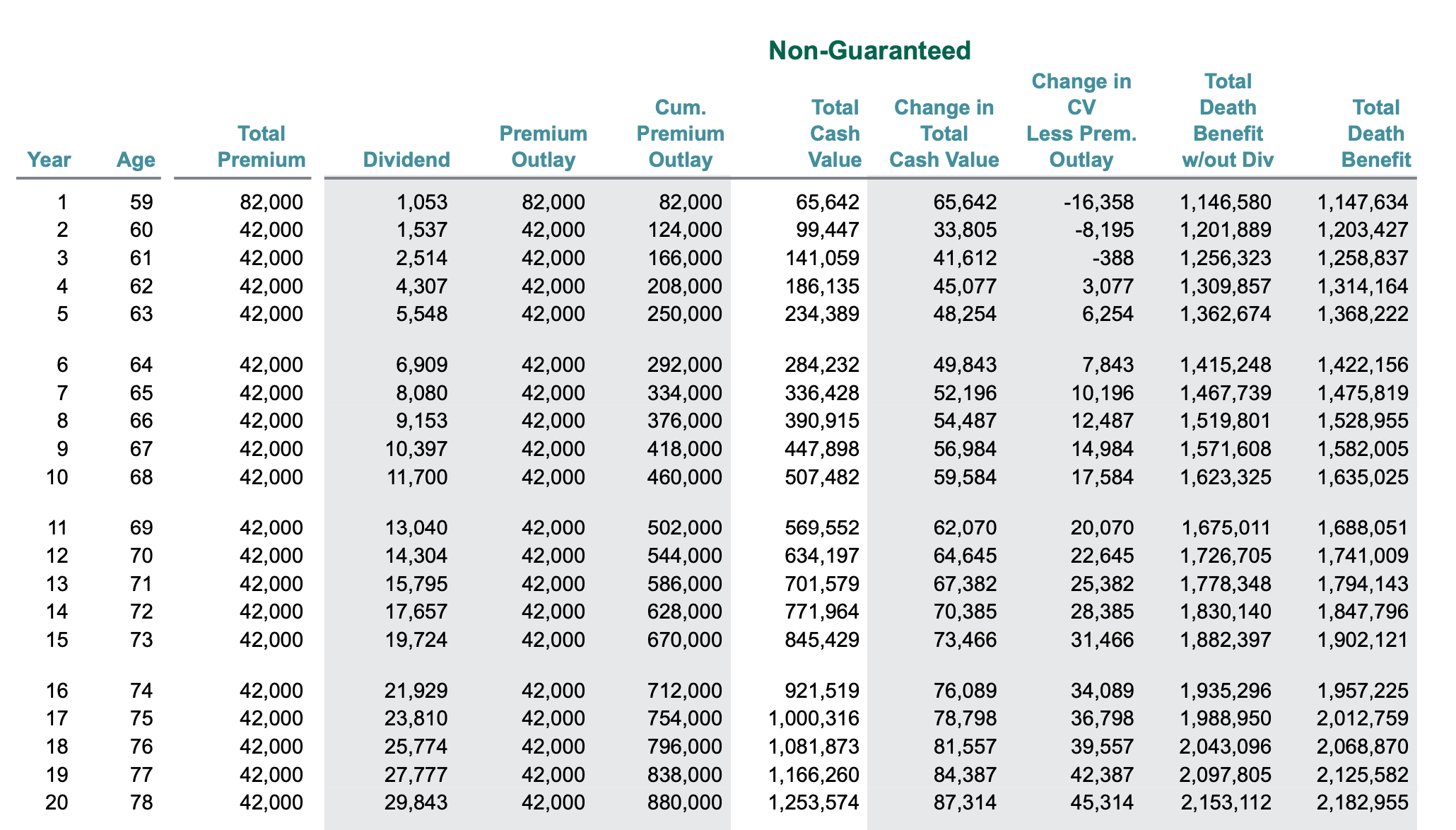
If you own an AIG whole life insurance policy and wish to understand your cash value better, start by gathering your most recent policy anniversary statement. This document contains the "Illustration of Values," which outlines the projected growth of your policy based on your current age and premium payment history.
If you are considering taking a loan or withdrawal, contact the customer service department provided by your insurer or your licensed insurance advisor. Request a "loan illustration." This document will show you exactly how a withdrawal or loan will impact your death benefit and your policy’s future growth projections. Making decisions based on these projections rather than guesswork is the best way to preserve your long-term financial security.