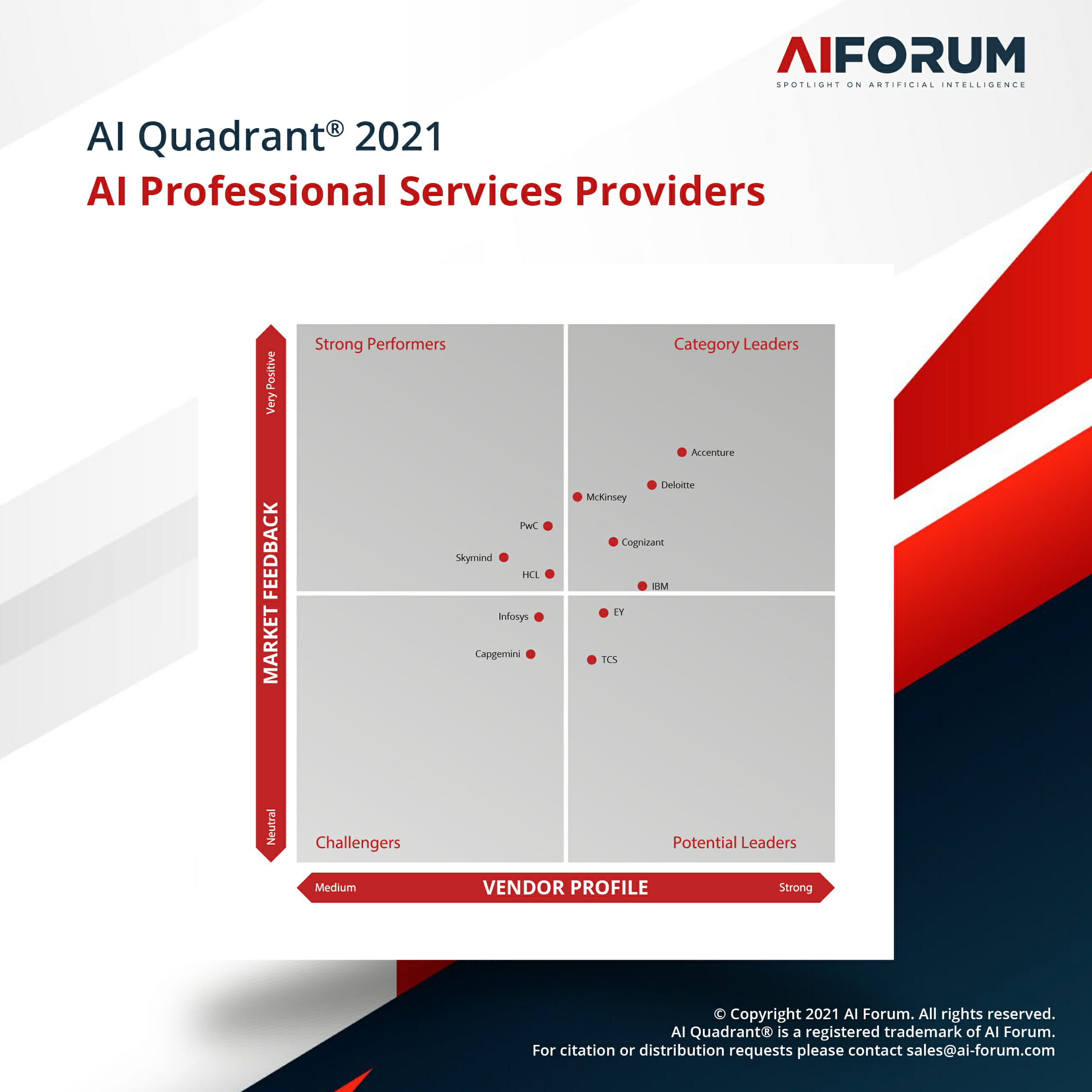
AI professional services encompass the specialized consulting, implementation, and managed support provided by third-party experts to help organizations design, deploy, and maintain artificial intelligence systems. These services bridge the gap between raw machine learning capabilities and tangible business value, addressing critical hurdles such as data governance, infrastructure requirements, and organizational change management.
Understanding the Role of AI Professional Services
The rapid maturation of artificial intelligence in 2026 has transitioned the technology from experimental sandbox environments to core enterprise infrastructure. However, the complexity of modern Large Language Models (LLMs), predictive analytics, and automated decision-making engines often exceeds the internal capacity of even highly technical organizations. AI professional services firms provide the external technical and strategic expertise required to translate these complex tools into specific, measurable business outcomes.
These services generally fall into four primary categories:
- Strategy and Assessment: Defining the high-level roadmap, identifying ROI-positive use cases, and establishing ethics and compliance frameworks.
- Data Engineering and Readiness: Cleaning, structuring, and securing the data pipelines required for training or fine-tuning models.
- Model Development and Integration: Building custom neural networks, fine-tuning pre-trained models (such as those offered via enterprise APIs), and embedding these models into existing software stacks.
- Managed Services and Maintenance: Providing continuous monitoring, drift detection, and security updates for AI models that are already in production.
Prerequisites for Engaging AI Services
Before initiating a contract with a professional services provider, an organization must establish a foundational baseline to ensure the engagement yields a positive return on investment. Attempting to apply AI to poorly documented or inconsistent data often leads to "model hallucination" or biased decision-making, which can have significant legal and operational repercussions.
First, identify the business problem clearly. "We need AI" is an objective; "We need to reduce customer support response time by 30% through automated triage" is a project. The latter allows a service provider to define success metrics, select appropriate architectures, and measure progress against a baseline.
Second, evaluate data readiness. Professional services firms can assist with data hygiene, but they cannot create data where none exists. Ensure your organization has access to relevant, labeled, and legal-to-use datasets. If your data is siloed across legacy systems, your first project may involve data warehousing rather than model building.
Third, define your risk tolerance. Industries governed by strict regulations—such as healthcare (HIPAA) or finance (SOX)—require AI services that prioritize interpretability, data sovereignty, and security protocols. Discussing compliance during the initial consultation is mandatory, as retrofitting privacy safeguards into an existing architecture is exponentially more expensive than designing them from the start.
Phases of an AI Professional Services Engagement
A typical engagement follows a structured methodology to mitigate technical and financial risks.
1. Discovery and Feasibility Analysis
In this phase, the provider conducts an audit of the current state of technology. The output here should be a feasibility report that includes technical constraints, expected costs, and potential pitfalls. Avoid providers that promise "turnkey AI solutions" without a clear diagnostic period, as custom model performance is almost entirely dependent on the specific context of your enterprise data.
2. Architecture Design and Proof of Concept (PoC)
Before committing to an enterprise-wide rollout, the firm develops a PoC. This serves as a "fail fast" mechanism. If the model fails to perform within acceptable accuracy thresholds, the project can be scrapped or pivoted before capital expenditures reach critical levels. During this phase, the firm will select the technology stack, such as choosing between proprietary cloud-native models or open-source frameworks.
3. Deployment and MLOps
Machine Learning Operations (MLOps) is the lifecycle management of AI in production. This stage involves setting up automated pipelines for model training, testing, and deployment (CI/CD for machine learning). A professional service firm should provide documentation on how the system handles model drift—the degradation of model accuracy as real-world data evolves over time.
Comparison of AI Service Models
When evaluating partners, consider the following structural differences in how they engage with your business.
| Service Model | Primary Focus | Best For |
|---|---|---|
| Strategy Consultancies | Governance, ethics, ROI modeling | Large-scale digital transformation projects |
| Custom Engineering Firms | Codebase development, fine-tuning, API integration | Organizations with specific, proprietary use cases |
| Managed AI Service Providers | Continuous monitoring, MLOps, security patching | Production-critical systems with limited internal staff |
| Cloud-Native Solution Partners | Optimization of existing AWS/Azure/GCP AI tools | Companies heavily invested in a specific cloud ecosystem |
Challenges and Risk Management
The primary challenge in AI professional services is the "Black Box" problem. If a model generates an output that results in a financial loss or a violation of internal policy, the organization must be able to trace the decision back to its source. A high-quality professional service provider will implement "Explainable AI" (XAI) frameworks to ensure that stakeholders understand how and why a model reached a specific conclusion.
Another significant risk is vendor lock-in. Many providers recommend proprietary platforms that make it difficult to migrate your data or models if the relationship sours. Demand portability in your contracts. Ensure that all code, model weights, and datasets remain the property of your organization and are documented in a language your internal IT team can manage if the external contract ends.
Frequently Asked Questions
How much do AI professional services typically cost? Costs vary based on the scope, but in 2026, most firms charge either a time-and-materials rate (often ranging from $200 to $500+ per hour for senior architects) or a fixed-price engagement for specific project milestones. Expect to budget for significant data infrastructure costs beyond the consulting fees.
How do I verify the technical competence of a firm? Request anonymized case studies that demonstrate measurable outcomes, not just "AI implementation." Ask for references from clients in your specific vertical. Verify whether they have experience with the specific tech stack you intend to use (e.g., PyTorch, TensorFlow, or specific cloud-native AI tools).
What happens if the model performs poorly after deployment? A reputable firm includes an "acceptance period" in their contract. Ensure that the agreement includes defined metrics for success (e.g., F1 scores, latency requirements, or error rates). If the model fails these metrics post-launch, the firm should be contractually obligated to troubleshoot and remediate the issue as part of the initial implementation.
Do I need a large internal team to use professional services? No, but you do need an internal "champion"—an individual or team who understands the business goal and can interface with the consultants. Even if you outsource the technical labor, you must retain the ability to oversee the project's strategy and approve the data policies used by the provider.
What is the difference between AI consulting and AI implementation? Consulting is advisory; the firm tells you what to build and how to manage risk. Implementation is execution; the firm writes the code, trains the models, and connects the APIs. Most high-end firms offer both, but it is important to clarify where their responsibility ends and your internal team’s begins.
Recommended Next Actions
Before contacting providers, compile a "State of Data" document. This should include a brief overview of where your data resides, the quality of that data, and the primary business friction you aim to solve. This document will act as the foundation for your initial RFP (Request for Proposal). By entering the conversation with clear requirements, you avoid generic sales pitches and focus the firm on providing a solution tailored to your specific infrastructure. Always prioritize providers who ask questions about your governance and security before discussing technical model specifications.