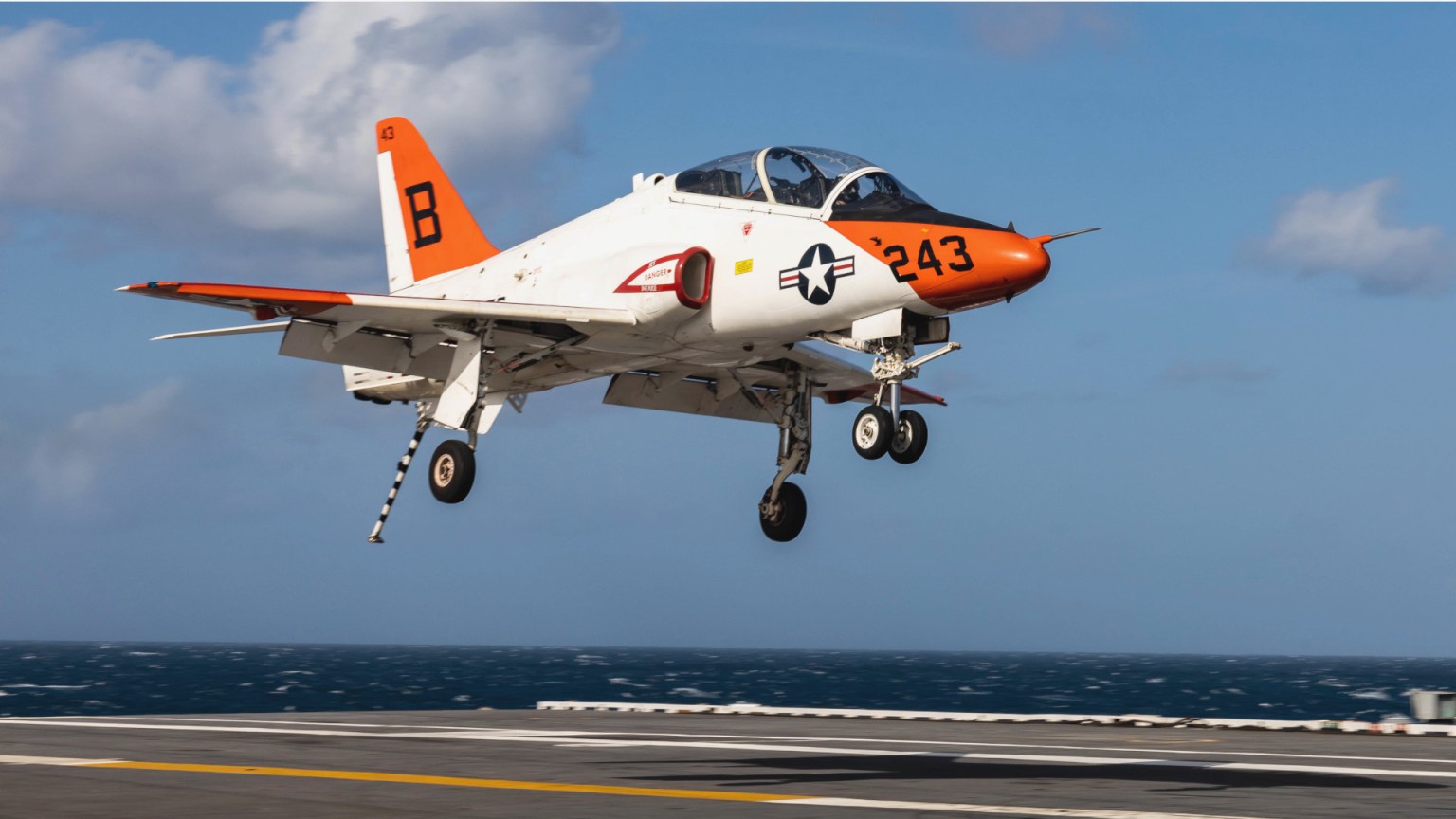
To serve as a commissioned officer and pilot in the United States Navy, candidates must be at least 19 years old and must not have reached their 32nd birthday at the time of commissioning. While these represent the baseline statutory and policy constraints, the selection process is highly competitive, and age-related waivers or specific program requirements may alter an applicant's individual eligibility path.
Understanding the Statutory Age Window
The age requirement for becoming a US Navy pilot is fundamentally tied to the Navy's broader commissioning standards and the timeline required for rigorous flight training. As of 2026, the official guidance dictates that candidates for the Naval Aviation program must be between the ages of 19 and 31. The critical date for meeting these requirements is the date of commissioning as an officer, not the date of application or the date of arrival at Officer Candidate School (OCS).
The "not having reached their 32nd birthday" rule is a firm threshold designed to ensure that the Navy maximizes the return on investment for the significant time and financial resources poured into training a Naval Aviator. Flight training is a multi-year commitment, and the Navy aims to retain pilots for a substantial period of operational service before they reach mandatory retirement or performance plateau ages.
The Role of Age Waivers
While the 32nd birthday represents the standard upper limit, age waivers are occasionally granted based on the needs of the Navy. These waivers are not guaranteed and are handled on a case-by-case basis. They are most commonly issued when a candidate possesses specialized skills, prior service experience, or credentials that are deemed mission-critical.
If a candidate is nearing the age limit, the best course of action is to consult with an Officer Recruiter early. An OCS recruiter can review the current "recruiting mission"—a document outlining the specific talent gaps the Navy is looking to fill—to determine if an age waiver is a viable avenue for that specific cycle. Applicants should never assume a waiver will be granted; rather, they should focus on submitting an exceptionally strong package that highlights why the Navy should make an exception for their candidacy.
Education and Citizenship Prerequisites
Age is only one piece of the eligibility puzzle. To be considered for a pilot slot, candidates must also meet strict academic and legal standards. A four-year bachelor’s degree from an accredited institution is mandatory. While the Navy does not strictly require a specific major for aviation, degrees in STEM (Science, Technology, Engineering, and Mathematics) fields often provide a foundational advantage, as the training curriculum for flight school is heavy on aerodynamics, meteorology, and navigation mathematics.
Furthermore, applicants must be United States citizens. Because pilot roles involve access to classified information and high-value military technology, a rigorous security clearance process is conducted. A clean legal history is essential, as any disqualifying criminal records or significant substance abuse history will preclude an applicant regardless of whether they meet the age and physical standards.
The Aviation Selection Test Battery (ASTB-E)
Before the age criteria are even finalized by a board, candidates must perform well on the Aviation Selection Test Battery (ASTB-E). This standardized exam is specifically designed to gauge the aptitude of prospective pilots. It includes sections on mechanical comprehension, spatial apperception, and aviation/nautical information.
The ASTB-E is one of the most critical metrics used by the selection board to differentiate between candidates who meet the age and academic requirements. A high score on this test can sometimes compensate for an applicant who is at the older end of the eligibility spectrum, as it provides objective evidence of the candidate's cognitive ability to survive the high-pressure environment of the Naval Air Training Command.
Physical and Medical Standards
Age requirements are inextricably linked to physical health standards. As a candidate ages, the likelihood of pre-existing conditions that might disqualify them from aviation duty increases. All prospective pilots must pass a Class I Flight Physical. This examination is significantly more stringent than a standard military enlistment physical.
Vision, hearing, and cardiovascular health are checked to the highest specifications. While corrective eye surgery (such as PRK or LASIK) is now generally accepted, it must meet specific requirements and requires a recovery period before the vision is stable enough to qualify for flight duty. Candidates should be proactive in obtaining their medical records and understanding the physical requirements early, as many minor medical issues that are easily treated in civilian life can result in permanent disqualification from flight status.
Timeline Comparison: When to Apply
Because the age limit is tied to the commissioning date, the time taken to process an application package is vital. An applicant who is 30 years old must consider that the administrative processing, medical screening, and board selection timeline can take several months.
| Candidate Stage | Age Considerations |
|---|---|
| Freshman/Sophomore Year | Ideal time to meet with a recruiter and plan for degree completion. |
| Junior Year | Time to take the ASTB-E and prepare the physical fitness assessment. |
| Senior Year (Pre-Graduation) | Final window to submit the commissioning package to meet age limits. |
| Post-Graduate (Under 31) | Accelerated track; limited buffer time for administrative delays. |
The Selection Board Process
Once an application is complete, it is reviewed by a board of senior officers. They do not just look at age; they look at the "whole person" concept. This includes GPA, leadership roles in college or the workforce, athletic performance, and the ASTB-E scores. An older candidate (for example, someone who is 30) may be viewed favorably if their resume reflects significant leadership experience or advanced academic achievement, as this suggests a level of maturity that is beneficial in the cockpit.
Conversely, a 20-year-old applicant is judged on their potential for growth and their physical capacity to endure the rigors of flight school. The board is looking for candidates who demonstrate the mental fortitude to handle the "attrition" nature of Navy flight training—a process that intentionally tests pilots to their limits.
Common Mistakes for Aspiring Pilots
Many applicants fail not because they are "too old," but because they waited too long to address administrative hurdles.
- Waiting until the last minute: If you are within 18 months of your 32nd birthday, you are at risk. Unexpected delays in medical waivers or security clearance background checks can push your commissioning date past the statutory limit.
- Ignoring the Physical: Some candidates focus entirely on GPA and flight tests, forgetting that a minor heart murmur or vision issue can disqualify them entirely. Check your medical eligibility immediately.
- Weak Physical Fitness: While not an "age" requirement per se, the Physical Readiness Test (PRT) is non-negotiable. Being in top physical shape at 30 is harder than at 20, but the standards remain the same. Ensure your cardiovascular endurance is at peak levels.
- Under-preparing for the ASTB-E: Do not walk into this test without significant study. It is the single most important factor for many board members when evaluating an applicant’s raw aptitude.
Next Steps and Professional Guidance
If you are currently between the ages of 19 and 31 and are interested in pursuing a career as a US Navy pilot, your first action should be to locate an Officer Recruiter near your location. Do not rely on internet forums or anecdotal evidence regarding "age extensions," as these are subject to change based on the specific needs of the Navy and individual legislative adjustments.
The Navy’s official career portal is the only authoritative source for the most current application deadlines and eligibility packets. Request an initial consultation to discuss your specific profile. If you have any medical, legal, or educational questions, bring documentation to your first meeting. Being organized, transparent, and proactive is the hallmark of a successful naval officer, and that evaluation begins the moment you reach out to a recruiter.
By starting early, focusing on high test scores, and maintaining peak physical condition, you maximize your chances of securing an aviation contract before the age limit expires. The path is challenging, but for those who qualify, it leads to one of the most demanding and rewarding roles in the United States military.
Frequently Asked Questions
Does a master’s degree grant an age extension? No. The age limit of 32 is a statutory baseline. While a master’s degree makes a candidate more competitive for selection, it does not automatically extend the age limit for commissioning.
Can I apply for aviation if I have prior military service? Yes. Prior service members may be eligible for age waivers if their time in service can be subtracted from their current age, effectively lowering their "calculated age" for the purpose of the application. Speak with a recruiter to determine if your service time qualifies.
How long does flight training take? Flight training generally lasts between 18 to 24 months, depending on the specific aircraft pipeline (Jet, E-2/C-2, Maritime, or Rotary). Because this is a lengthy process, the Navy enforces the age cap to ensure that pilots have a long enough career ahead of them to provide a return on the training investment.
What happens if I turn 32 during flight school? The age requirement applies to the commissioning date. Once you are commissioned as an officer and begin flight school, you are already in the system. You will not be removed from the program simply for turning 32 during your training, provided you commissioned before that milestone.
Are there different age requirements for reservists? The Navy Reserve aviation programs often have different thresholds and mission requirements. If you are interested in the Reserve component, specifically clarify this with your recruiter, as the "needs of the Navy" for Reserve slots change independently of Active Duty requirements.
Is it possible to become a pilot after age 32? Under standard commissioning paths, the answer is no. Unless a specific, highly publicized program creates a temporary exception for a particular fiscal year or a critical pilot shortage is declared that mandates a legislative change, the 32-year limit remains the hard cutoff for initial accessions.