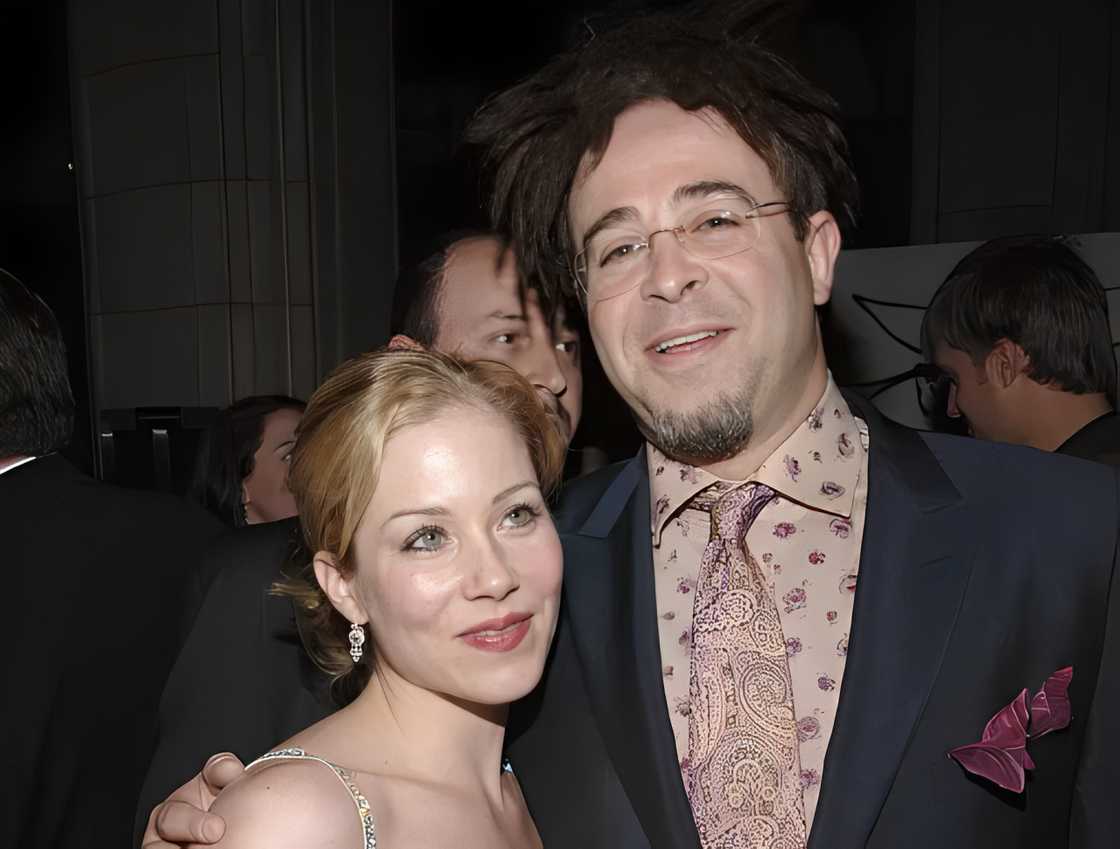
As of 2026, Adam Duritz has an estimated net worth of approximately $50 million. The primary drivers of his financial standing include multi-platinum record sales with Counting Crows, extensive worldwide touring, substantial publishing royalties as the band's primary songwriter, and lucrative film soundtrack licensing fees from tracks such as the Oscar-nominated hit "Accidentally in Love."
Early Life and the Formation of Counting Crows
Adam Duritz was born on July 1, 1964, in Baltimore, Maryland, and spent his formative years moving across several states—including Maryland, Massachusetts, and Pennsylvania—before his family settled in the San Francisco Bay Area. He attended the University of California, Berkeley, and the University of California, Davis, though he ultimately chose to leave higher education to pursue music full-time.
Before achieving commercial success, Duritz spent years performing in the Northern California indie rock circuit. He performed with bands such as Sordid Humor and The Himalayans. In 1991, Duritz co-founded Counting Crows alongside guitarist David Bryson in San Francisco. Beginning as an acoustic duo playing local coffeehouses and clubs, the group expanded into a full band, quickly building a strong regional following characterized by expressive lyricism and roots-rock arrangements.
The financial turning point came in 1992. A demo tape and high-profile industry showcase performances ignited a competitive bidding war among major record labels. Counting Crows signed with Geffen Records, securing an initial recording contract that set the stage for one of the most commercially explosive debuts in 1990s alternative rock history.
Breakdown of Major Income Streams
Adam Duritz’s $50 million net worth is built on several complementary revenue streams across music creation, performance, licensing, and media production.
- ADAM DURITZ TOTAL NET WORTH (Approx. $50 Million)
- ALBUM SALES & RECORDING: Multi-Platinum, Master Shares
- PUBLISHING & ROYALTIES: Primary Writer, ASCAP Catalog
- LIVE TOURING & MERCHANDISE: Amphitheaters & Arenas
- SYNC LICENSING & OTHER ASSETS: Film Soundtracks ("Shrek 2"), NYC & California Real Estate
1. Album Sales and Master Recording Revenues
The cornerstone of Duritz's initial wealth was the massive commercial success of Counting Crows' debut studio album, August and Everything After (1993). Produced by T-Bone Burnett, the album became one of the fastest-selling alternative rock records of the 1990s. Driven by the breakout hit single "Mr. Jones," the album was certified 7x Platinum by the Recording Industry Association of America (RIAA), denoting over 7 million physical units sold in the United States alone. Worldwide sales eventually exceeded 10 million copies.
Subsequent album releases generated substantial continuous income:
- "Recovering the Satellites" (1996): Debuted at #1 on the Billboard 200 chart and earned double-platinum status (over 2 million units sold in the US).
- "This Desert Life" (1999): Certified Platinum, supported by radio singles like "Hanginaround."
- "Hard Candy" (2002): Certified Gold, featuring popular tracks such as "American Girls" and a cover of Joni Mitchell's "Big Yellow Taxi."
- Later Discography: Albums like Saturday Nights & Sunday Mornings (2008), Somewhere Under Wonderland (2014), and the EP Butter Miracle, Suite One (2021) expanded the catalog, securing modern streaming revenue across Spotify, Apple Music, and Amazon Music.
Under major label contracts from the 1990s, artist royalty rates on multi-platinum physical album sales yielded millions of dollars in gross pay after advance recoupment.
2. Songwriting and Publishing Royalties
While record sales provide artist royalties, songwriting and music publishing generate the most durable, long-term wealth in the music industry. Adam Duritz serves as the principal lyricist and primary songwriter on virtually every Counting Crows track.
Music publishing encompasses two distinct legal rights:
- Performance Royalties: Collected by Performance Rights Organizations (PROs) such as ASCAP (American Society of Composers, Authors and Publishers) whenever a song is played on terrestrial radio, satellite radio, television broadcasts, streaming services, or performed live in venues.
- Mechanical Royalties: Paid per physical copy sold or permanent digital download, as well as calculated stream-equivalent payments under statutory rates governed by copyright organizations like the U.S. Copyright Office.
Because Duritz holds credited ownership on classic rock radio staples like "Mr. Jones," "Round Here," "A Long December," and "Colorblind," he receives continuous performance and mechanical royalty checks decades after their original release. Unlike band members who rely solely on session or performance pay, primary songwriters capture publisher-share revenues that persist over their entire lifetime.
3. Global Touring and Concert Revenue
For legacy rock bands, live performance represents the single largest ongoing driver of gross annual income. Counting Crows have maintained a rigorous touring schedule since the early 1990s, frequently headlining North American and European tours as well as co-headlining major amphiteater packages alongside groups like Matchbox Twenty, Live, and The Wallflowers.
- Venue Capacities: The group regularly performs in venues seating between 5,000 and 15,000 attendees, including iconic locations like Red Rocks Amphitheatre and the Hollywood Bowl.
- Ticket Economics: Modern amphiteater and arena tours generate gross ticket revenues ranging from $250,000 to over $600,000 per concert date.
- Merchandise Revenue: Direct-to-fan merchandise sales (apparel, vinyl, tour programs) yield high profit margins at live events, adding substantial revenue per attendee.
As the founder and iconic frontman, Duritz secures a major share of tour profits after production overhead, crew compensation, agency fees, and logistics expenditures are deducted.
4. Sync Licensing and Film Soundtracks
Synchronization (sync) licensing—placing written compositions into films, television series, video games, and commercials—provides lucrative upfront licensing fees alongside long-tail performance royalties.
The most notable sync achievement for Duritz was writing and performing "Accidentally in Love" for the animated feature film Shrek 2 (2004).
- Commercial Reach: Shrek 2 grossed over $920 million globally at the box office, becoming one of the highest-grossing animated films in history.
- Accolades & Exposure: The track was nominated for an Academy Award for Best Original Song, a Golden Globe Award, and a Grammy Award.
- Royalty Impact: Extensive exposure across broadcast television, international theatrical releases, DVD sales, streaming video on demand (SVOD), and global radio generated several million dollars in combined sync and publishing royalties for Duritz.
Additionally, tracks like "Colorblind" were prominently featured in major films such as Cruel Intentions (1999), maintaining consistent stream plays and licensing renewals.
Financial Benchmark Comparison
The following table outlines key financial and commercial milestones throughout Adam Duritz's career with Counting Crows:
| Release / Project Era | Release Year | Peak Chart Position | Key RIAA Certification / Milestone | Dominant Revenue Source |
|---|---|---|---|---|
| August and Everything After | 1993 | #4 (US Billboard 200) | 7x Platinum (US) / 10M+ Worldwide | Physical Album Sales & Radio Royalties |
| Recovering the Satellites | 1996 | #1 (US Billboard 200) | 2x Platinum (US) | Physical Album Sales & Arena Touring |
| This Desert Life | 1999 | #8 (US Billboard 200) | 1x Platinum (US) | Physical Sales & Global Festival Touring |
| Hard Candy | 2002 | #5 (US Billboard 200) | Gold (US) | Album Sales & International Sync Licensing |
| "Accidentally in Love" (Shrek 2) | 2004 | #39 (US Billboard Hot 100) | Certified Gold / Academy Award Nominee | Sync Licensing & Global Publishing |
| Saturday Nights & Sunday Mornings | 2008 | #3 (US Billboard 200) | Top 5 Billboard Debut | Independent Distribution & Live Touring |
| Somewhere Under Wonderland | 2014 | #6 (US Billboard 200) | Top 10 Billboard Debut | Direct-to-Fan Sales & Global Touring |
| Butter Miracle, Suite One (EP) | 2021 | Independent Release | Debut on Independent Charts | Streaming Monetization & Headline Touring |
Real Estate and Private Asset Portfolio
In addition to direct earnings from the entertainment industry, Adam Duritz’s net worth has been supported by strategic real estate acquisitions in high-value urban markets.
Manhattan Real Estate
Duritz acquired a spacious residential loft in New York City’s Greenwich Village during the late 1990s. Manhattan residential properties purchased during that era have experienced historic appreciation. Similar industrial-style residential lofts in lower Manhattan command multi-million-dollar valuations, contributing several million dollars in real equity to his overall asset portfolio.
West Coast Holdings
Throughout his career, Duritz has maintained properties in California, particularly around the San Francisco Bay Area and Los Angeles. These prime West Coast residential assets serve as both primary/secondary residences and long-term capital preservation vehicles outside the volatility of music industry streaming shifts.
Independent Labels, Podcasts, and Business Ventures
Beyond his work as a recording artist and performer, Duritz has extended his business operations into media production, independent talent cultivation, and event curation.
Tyrannosaurus Records
In the late 1990s, Duritz launched Tyrannosaurus Records, an independent record label established to sign and mentor indie rock artists. The label funded and released project recordings from emerging artists such as Black Lab and Ryan Adams' early band projects. By funding these ventures independently, Duritz retained master ownership rights and production management controls.
Film Production Credits
Duritz has engaged in independent film executive production. He served as an executive producer for independent feature films including The Anarchist Cookbook (2002) and Freeloaders (2012). Executive producers receive compensation through production fees, deferred backend profit-sharing points, and equity financing returns.
Podcasts and Music Festivals
Duritz co-created the Underwater Sunshine podcast and independent music festival alongside music journalist James Campion. The non-profit/independently operated platform highlights unsigned and emerging indie musicians. While designed primarily as a curation project rather than a major profit center, it reinforces Duritz's influence across music media and independent distribution networks.
Music Rights Economics: Master vs. Publishing Earnings
To understand how a musician from the 1990s alternative rock era retains a multi-million-dollar fortune, it is crucial to analyze the dual structure of music copyrights:
- MUSIC COPYRIGHT SYSTEM
- MASTER RIGHTS (Sound Recording)
- Controls original audio file
- Split with label
- Generates record royalty splits
- PUBLISHING RIGHTS (Composition/Lyrics)
- Controls melody and words
- Held by songwriter
- Generates PRO & mechanical money
- MASTER RIGHTS (Sound Recording)
- Master Rights (Sound Recording): The master right belongs to the entity that owns the physical audio recording. In the 1990s, major labels like Geffen paid large upfront advances to fund studio recording costs in exchange for ownership of the master tapes. Artists received percentage royalties (often 12% to 20%) after the label recouped all production and marketing expenses.
- Publishing Rights (Composition): The composition right belongs to the individuals who write the lyric content, chords, and musical structure. By retaining his songwriting credits, Duritz established a revenue pipeline that bypasses traditional record label recoupment bottlenecks.
Every time a song like "A Long December" streams or airs on radio, Duritz receives payment as a writer through ASCAP, independent of whether the record label has fully settled historical distribution accounting. This structure protects primary songwriters from shifts in physical music distribution.
Frequently Asked Questions (FAQs)
What is Adam Duritz’s net worth in 2026?
Adam Duritz’s net worth is estimated at $50 million as of 2026. This total is supported by over three decades of album sales, global concert tours, real estate appreciation, and continuous songwriting royalties from the Counting Crows discography.
How much money did Counting Crows make from "Mr. Jones"?
While exact individual song payouts are private, "Mr. Jones" generated tens of millions of dollars in total gross revenue across radio airplay, physical CD sales of August and Everything After (7x Platinum), digital downloads, and global streaming. As the main lyricist and co-writer, Duritz earned a substantial share of both songwriting and performance revenues.
Does Adam Duritz own the publishing rights to his songs?
Adam Duritz holds credited songwriting rights on the majority of Counting Crows songs, registered through ASCAP. While historical major label deals governed master recordings, his publisher and songwriter shares generate lifetime performance and mechanical royalties whenever the music is broadcast, streamed, or licensed.
How much income did "Accidentally in Love" generate?
"Accidentally in Love" earned millions in gross revenues across global sync fees, soundtrack CD sales, digital streams, and performance royalties. Its prominent inclusion in Shrek 2, combined with Academy Award and Grammy nominations, established it as one of the band's most commercially lucrative licensing assets.
Is Adam Duritz still earning money from touring?
Yes. Live performance remains one of the largest annual sources of revenue for Duritz and Counting Crows. The band continues to headline summer amphitheater tours, perform at international festivals, and command major ticket sales across North America and Europe.
Financial Legacy and Takeaways
Adam Duritz’s financial trajectory illustrates key principles of wealth accumulation and preservation within the entertainment industry:
- Prioritize Songwriting Ownership: By retaining primary lyric and composition credits across thirty years of recorded music, Duritz established recurring royalty revenue streams that outlasted the decline of physical media sales.
- Capitalize on Cultural Sync Hits: Writing material for major film franchises—exemplified by "Accidentally in Love" for Shrek 2—provides long-term global sync and broadcasting royalties that act as an hedge against changing music consumption trends.
- Diversify into Tangible Assets: Reinvesting early career earnings into prime residential real estate in major metropolitan markets (such as Greenwich Village, NYC) helped preserve capital and grow his non-music equity portfolio.
- Maintain Live Performance Touring: Transitioning from early major-label recording dependencies into a steady, independent touring business model ensures consistent cash flow regardless of commercial radio trends.
Next Recommended Steps: For creators and entertainment industry professionals analyzing legacy wealth models, reviewing resources provided by the U.S. Copyright Office and professional performing rights organizations like ASCAP offers practical guidance on copyright retention, publishing protection, and licensing strategy.