Setting effective academic goals gives students a clear sense of direction, transforming abstract educational aspirations into actionable daily habits. Whether a learner is navigating elementary school, preparing for rigorous university coursework, or returning to the classroom as an adult, establishing structured targets helps maintain motivation and measure genuine progress. Without explicit objectives, studying often becomes reactive, driven primarily by impending deadlines rather than long-term mastery.
To help learners build a roadmap for success, this guide explores practical academic goal examples across various educational levels and subjects. It examines how to apply proven frameworks like SMART goals, overcome common roadblocks, and track long-term improvements in GPA, time management, and subject-matter comprehension.
Understanding the Purpose of Academic Goals
Academic goals are specific, planned targets that direct a student's educational efforts, time, and resources toward a defined outcome. They provide a psychological anchor, reducing the anxiety often associated with heavy workloads by breaking massive projects down into manageable steps.
When students understand the underlying purpose of their objectives, they transition from passive recipients of information to active participants in their learning. This shift fosters metacognition—the ability to monitor and understand one's own learning processes. By evaluating what works and what fails, students refine their study techniques, improve retention rates, and develop resilience in the face of difficult examinations or challenging group projects.
The Science of Motivation and Goal Setting
Psychological research consistently shows that specific, challenging goals lead to higher performance than vague aspirations like "study harder" or "get better grades." When a goal is clearly defined, the brain can allocate cognitive resources more efficiently. Furthermore, achieving short-term milestones triggers dopamine releases, reinforcing positive study habits and building the self-efficacy required to tackle larger academic hurdles.
Applying the SMART Framework to Education
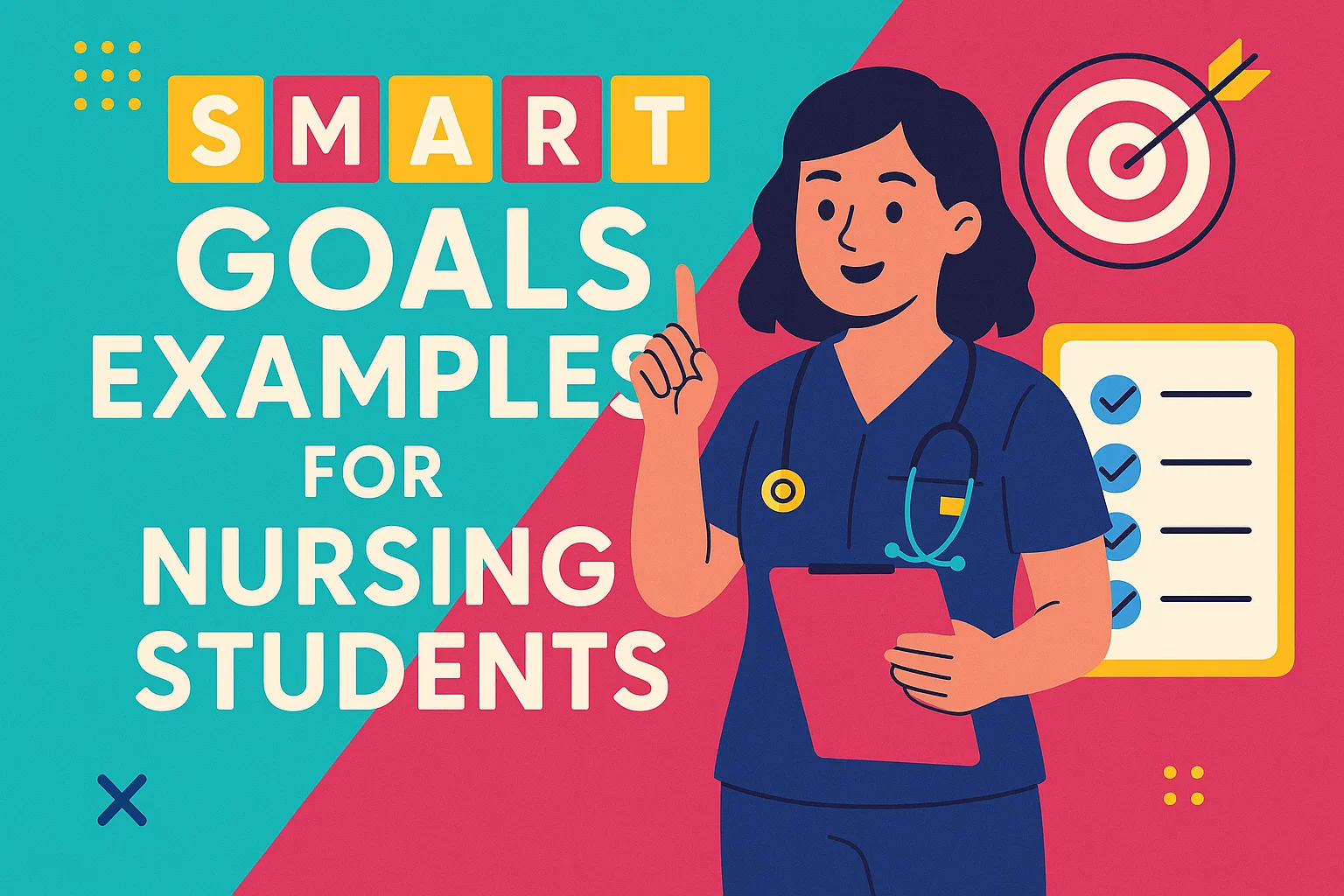
A common mistake students make is setting goals that are too broad or unrealistic. To ensure an objective is actionable, educational psychologists and institutional advisors recommend the SMART framework. Every academic goal should possess five distinct attributes:
- Specific: Target a precise area for improvement (e.g., "I want to improve my essay structure" rather than "I want to write better papers").
- Measurable: Include quantifiable metrics to track progress (e.g., "I will increase my quiz average by 10%").
- Achievable: Ensure the goal is realistic given current resources, time constraints, and baseline skill levels.
- Relevant: Align the goal with broader educational or career aspirations.
- Time-bound: Set a strict deadline or timeframe for completion.
By filtering every objective through these criteria, students eliminate ambiguity and create a reliable tracking system for their academic journey.
Categorized Academic Goal Examples
To make goal setting practical, it helps to examine examples tailored to different areas of student life. The following sections break down goals by focus area, ranging from short-term study habits to long-term GPA targets.
1. Short-Term Study Habit Goals
Short-term goals focus on daily routines and weekly execution. They form the foundational habits required for long-term academic achievement.
- Active Recall Integration: "This semester, I will replace passive re-reading with active recall techniques—such as flashcards and practice quizzes—for at least 30 minutes after every lecture."
- Distraction-Free Study Blocks: "For the next four weeks, I will utilize the Pomodoro technique (25 minutes of focused work followed by a 5-minute break) without checking my smartphone during study blocks."
- Weekly Material Review: "Every Sunday evening, I will spend 45 minutes reviewing and synthesizing my notes from the past week to identify any confusing concepts before attending office hours."
2. Medium-Term Performance and Skill Goals
Medium-term goals generally span a grading period, a semester, or a specific term. They target skill development, grade improvements, and conceptual mastery.
- Mathematical Proficiency: "I will raise my algebra exam average from a 78% to an 85% by the mid-term by completing three extra practice problem sets per week."
- Essay Writing and Feedback Utilization: "During this semester, I will draft all major history essays at least four days before the deadline, allowing me to visit the writing center for feedback at least once per paper."
- Foreign Language Vocabulary Expansion: "Over the next three months, I will learn and correctly apply 200 new vocabulary words in my intermediate Spanish coursework."
3. Long-Term Educational and Career Preparation Goals
Long-term goals encompass an entire academic year, a multi-year degree program, or preparation for post-graduation opportunities.
- GPA Maintenance: "I will maintain a cumulative GPA of 3.5 or higher through consistent weekly revision and proactive participation in study groups."
- Standardized Test Preparation: "I will dedicate five hours every weekend to SAT or MCAT preparation, aiming for a composite score in the 90th percentile by my test date next spring."
- Professional Networking: "By the end of my junior year, I will secure a faculty-mentored research position or a relevant summer internship in my major field of study."
Comparing Goal Types and Their Implementation
Different types of academic goals serve distinct functions in a student's educational lifecycle. The table below outlines how various goal categories differ in scope, timeline, and primary benefits.
| Goal Category | Typical Timeline | Primary Focus | Example Metric |
|---|---|---|---|
| Habitual/Daily | 1 to 4 weeks | Building consistent routines and study hygiene | Studying without phone distractions for 45 minutes daily |
| Performance/Semester | 2 to 4 months | Improving grades, mastering specific subjects | Raising chemistry lab scores from a C to a B |
| Long-Term/Milestone | 1 to 4 years | Degree completion, honors, or career placement | Graduating with honors or securing a thesis advisor |
Common Mistakes When Setting Academic Goals
Even with the best intentions, students often abandon their goals due to predictable pitfalls. Recognizing these errors helps learners adjust their strategies before frustration sets in.
Setting Too Many Goals Simultaneously
Attempting to overhaul every study habit, sleep schedule, and extracurricular activity at once often leads to burnout. Cognitive load theory suggests that mental energy is a finite resource. Instead of changing everything overnight, students should focus on one or two high-impact goals at a time. Once those behaviors become automatic, new objectives can be introduced.
Ignoring Leading Indicators in Favor of Lagging Indicators
Grades, final exam scores, and graduation honors are lagging indicators—they measure outcomes after the fact. If a student only sets goals based on final grades, they lack control over the daily mechanics of learning. Effective academic goal setting prioritizes leading indicators, such as hours spent in the library, number of practice problems solved, or frequency of visits to academic support centers.
Failing to Adjust for Changing Circumstances
Rigidity can sabotage academic success. If a student experiences unexpected health issues, increased work hours, or shifting family responsibilities, maintaining an overly rigid goal schedule can cause unnecessary stress. Goals should be dynamic; they can be scaled down or modified to match changing life realities without viewing the adjustment as a failure.
Practical Steps to Track and Maintain Momentum
Establishing a goal is only the first step. Maintaining momentum requires systematic tracking and periodic reflection.
- Write Goals Down: Physical documentation increases accountability. Keep goals visible by posting them near a study desk or inside a digital planner.
- Establish a Review Cadence: Set aside 10 minutes every Sunday to evaluate progress. Ask simple questions: What worked this week? Where did I fall short? What adjustments are needed for the upcoming week?
- Celebrate Small Wins: Acknowledge milestones along the way. Completing a difficult chapter or surviving a grueling midterm week warrants positive reinforcement.
- Seek External Accountability: Share goals with a trusted study partner, parent, academic advisor, or teacher who can offer constructive feedback and encouragement.
Frequently Asked Questions
What are the best academic goals for a struggling student?
Struggling students benefit most from foundational habit goals rather than outcome-based goals like grade targets. Focus on establishing a consistent study schedule, utilizing campus resources such as tutoring centers, practicing active recall, and communicating early with instructors when concepts are unclear.
How many academic goals should a student set at once?
It is generally recommended to focus on no more than two to three core academic goals at any given time. Concentrating effort prevents mental fatigue and ensures that daily habits receive the deep focus required for genuine behavioral change.
How do I stay motivated when my academic goals feel overwhelming?
When goals feel overwhelming, break them down into micro-tasks. Instead of setting a goal to "write a 15-page research paper," set a goal to "write a single paragraph or outline three sources today." Micro-tasks reduce cognitive resistance and build momentum.
Can academic goals include mental health and well-being?
Yes, student well-being is directly tied to academic performance. Goals addressing sleep hygiene, regular physical activity, and stress management are vital components of a sustainable educational routine, as chronic fatigue and anxiety severely impair memory and cognitive processing.
What should I do if I fail to reach an academic goal?
Treat missed goals as diagnostic data rather than personal failures. Analyze why the objective was not met: Was the timeline unrealistic? Were there unforeseen obstacles? Use these insights to recalibrate the goal, adjust the strategy, and try again with a revised approach.
Next Actions and Conclusion
Setting meaningful academic goals bridges the gap between where a student is today and where they want to be tomorrow. By replacing vague wishes with specific, measurable targets, learners take control of their educational destiny.
To begin, select a single area for improvement—whether it is refining note-taking habits, boosting a specific subject grade, or managing weekly study time more effectively. Write down one SMART goal for that area, outline the daily actions required to reach it, and establish a weekly review habit to monitor your progress.