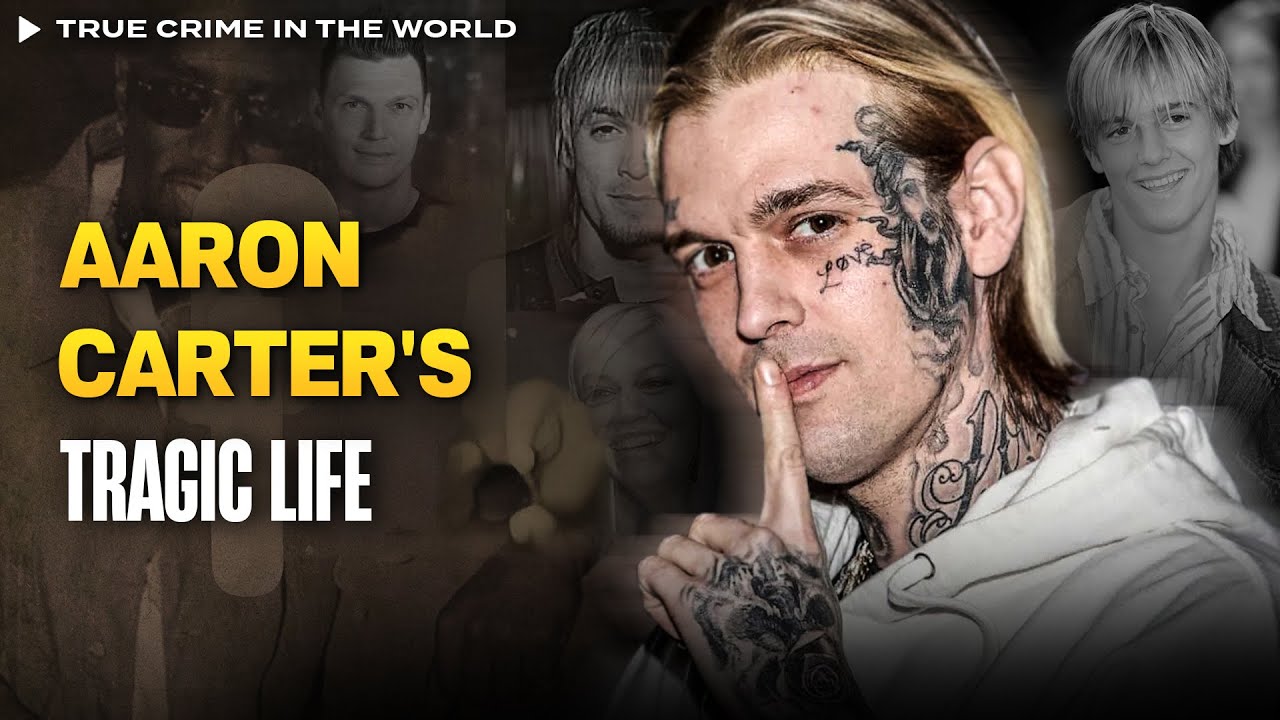
Aaron Carter’s early involvement in the band Dead End represents an intriguing chapter in the late pop star's formative musical years, showcasing how a young performer from Tampa, Florida, first stepped into the world of rock and pop performance before launching a rapid solo career. Long before he released his self-titled debut album or opened for the Backstreet Boys, Carter was a child musician navigating local bands, rehearsals, and regional stages. Understanding this period requires examining his upbringing, the origins of Dead End, and how these early experiences shaped his trajectory in the music industry.
The Early Musical Environment in Tampa
To understand Aaron Carter's early participation in bands like Dead End, it is necessary to examine the environment in which he and his siblings grew up. Born in Tampa, Florida, in December 1987, Aaron was part of a family heavily engaged in the entertainment sphere. His older brother, Nick Carter, had already begun achieving massive global success as a member of the Backstreet Boys during the mid-1990s. This proximity to the music industry placed extraordinary pressure and unusual opportunities on the younger Carter children, who grew up surrounded by recording equipment, rehearsal spaces, and industry professionals.
Tampa's local music scene during the mid-1990s offered numerous avenues for aspiring young musicians to form garage bands, participate in local talent showcases, and seek out performance spaces. For a child with an interest in singing and performance, joining or forming a local group was a standard rite of passage. In this context, Dead End emerged as a local youthful rock band where Aaron Carter honed his stage presence and experimented with vocal performance alongside other kids from the area.
Key Factors of Carter's Early Musical Upbringing
- Proximity to Industry Success: Nick Carter's rise with the Backstreet Boys provided Aaron with direct exposure to professional recording studios, management discussions, and major-label expectations.
- Local Band Culture: Like many aspiring young artists in Florida during the 1990s, Carter participated in informal local groups focused on rock, pop-rock, and cover tunes.
- Early Drumming and Vocal Training: Before transitioning fully into a solo pop and hip-hop crossover teen idol, Carter initially focused heavily on drumming and live band performance dynamics.
The Formation and Dynamic of Dead End
Dead End was formed as a local rock band consisting of young musicians in the Tampa area. While many retrospective accounts of pop stars gloss over their pre-fame garage bands, Carter's time in Dead End is notable because it predated his commercial pop breakthrough by several years. The band was typical of youth-led musical projects of the era, bringing together kids who shared an interest in contemporary rock music, instrumental practice, and performing at local venues, school events, or community gatherings.
Within Dead End, Carter often took on the role of drummer rather than primary lead vocalist, a detail that frequently surprises fans who remember him primarily as a dancing pop singer holding a handheld microphone. Playing the drums required a high level of coordination and focus, providing him with a foundational understanding of rhythm, timing, and song structure. This instrumental background influenced his musical ear and gave him a practical appreciation for live instrumentation that extended beyond studio-produced pop tracks.
Comparative Overview of Carter's Early Projects vs. Solo Career
| Aspect | Dead End (Early Childhood Band) | Solo Career (Late 1990s–2000s) |
|---|---|---|
| Primary Role | Drummer / backing vocals | Lead vocalist / solo performer |
| Musical Style | Local rock, alternative, and cover tunes | Teen pop, dance-pop, hip-hop crossover |
| Environment | Local garages, community spaces, regional gigs | International recording studios, arenas, stadiums |
| Management | Informal local coordination / parental support | Professional talent agencies, major record labels (Jive) |
The Transition from Local Band to Solo Stardom
The window of time between Carter's participation in Dead End and his emergence as a solo pop sensation was remarkably short. The mid-to-late 1990s music industry was actively seeking young talent who could capitalize on the explosive success of the teen pop revival led by groups like the Backstreet Boys and *NSYNC. Executives and managers recognized the market appeal of younger sibling acts and solo performers who could bridge the gap between child stardom and mainstream pop accessibility.
By 1997, at just nine years old, Carter secured his first major solo recording contract. His transition away from Dead End and local rock projects toward commercial pop was swift. He made his notable solo debut opening for the Backstreet Boys in Berlin in March 1997, which immediately thrust him into the international spotlight. His self-titled debut studio album, released in 1997, achieved gold status in several countries, establishing him as a standalone commercial entity and moving him permanently away from the garage-band circuit.
Key Steps in the Transition to Solo Success
- Local Band Experience: Performing with groups like Dead End to build stage confidence and instrumental skills.
- Industry Exposure: Traveling with family members and gaining backstage access to major tours and recording sessions.
- Audition and Signing: Catching the attention of industry scouts and securing a recording deal with Edel Records in Europe before expanding globally.
- Breakthrough Performance: Opening for the Backstreet Boys in 1997, which generated immediate international media coverage and a dedicated fan base.
Legacy and Impact of the Dead End Era
While Dead End was a brief, localized project that existed long before Aaron Carter achieved global fame, it remains an important historical footnote in his life story. It illustrates that his entry into music was rooted in traditional hands-on musicianship—playing drums and rehearsing in local spaces—rather than being an entirely manufactured studio construct.
Biographical retrospectives of Carter often highlight this early period to demonstrate his lifelong affinity for live music and performance. Even as his career evolved through various genres—ranging from bubblegum pop hits like "Crush on You" and "I Want Candy" to later hip-hop and electronic projects—the foundational discipline he developed as a child drummer in bands like Dead End remained part of his musical background.
Frequently Asked Questions
What instrument did Aaron Carter play in the band Dead End?
In Dead End, Aaron Carter primarily played the drums. This early experience with percussion helped him develop a strong sense of rhythm and timing before he transitioned into a front-facing solo pop singer and dancer.
How old was Aaron Carter when he was in Dead End?
Carter was a young child, roughly pre-adolescent, during his time in Dead End. The band predated his major commercial debut in 1997, meaning he participated in these local musical projects during his early-to-mid childhood years in Tampa, Florida.
Why did Aaron Carter leave Dead End?
Carter left the local band circuit as opportunities for a professional solo career materialized. With his older brother Nick achieving massive global success in the Backstreet Boys, industry interest in Aaron grew rapidly, leading to his first solo recording contract and international touring opportunities in 1997.
Did Dead End release any official albums or singles?
Dead End was an informal local youth band rather than a commercially signed recording act. As a result, the group did not release commercial albums or chart-topping singles, functioning instead as a grassroots starting point for local kids interested in rock music.
Practical Recommendations for Music Historians and Fans
For researchers, biographers, and fans examining Aaron Carter's early life, distinguishing between verified local accounts and sensationalized rumors is essential. When studying his pre-fame years in Tampa:
- Consult documented interviews where Carter discussed his early musical beginnings and drumming background.
- Recognize that local childhood bands like Dead End rarely left behind extensive commercial audio recordings, meaning most documentation exists via oral history, early photographs, and family recollections.
- Focus on how these formative grassroots experiences contributed to his lifelong passion for live performance, instrumentation, and stage craft.