Colorado features some of the most diverse and celebrated skiing in North America, offering terrain that ranges from gentle groomers for beginners to steep, technical couloirs for seasoned experts. Choosing the right destination depends heavily on your skill level, preferred terrain style, logistical preferences, and what kind of off-mountain atmosphere you want to experience.
Understanding Colorado’s Ski Landscape
Planning a ski trip to Colorado requires understanding how geography, resort infrastructure, and resort ownership models shape the overall vacation experience. Colorado’s ski areas are largely split between the Front Range corridor—accessible quickly from Denver International Airport via Interstate 70—and the more remote, rugged peaks of the Western Slope and San Juan Mountains.
Furthermore, mega-pass networks such as the Epic Pass and Ikon Pass dominate the market, dictating lift ticket strategies and economic considerations for most travelers. Understanding these foundational elements prevents logistical bottlenecks and ensures that your chosen mountain matches your exact technical capabilities and expectations.
| Resort | Primary Audience | Terrain Highlights | Logistics / Access |
|---|---|---|---|
| Vail Mountain | Intermediates | Vast back bowls, groomers | Easy I-70 access, large base |
| Aspen Snowmass | Experts / Diverse | Four distinct mountains | Fly into ASE, premium setting |
| Telluride | Advanced / Scenic | Steep runs, historic town | Remote southwest, gondola |
| Steamboat Springs | Families / Powder | Champagne Powder®, trees | Dedicated airport, western feel |
| Crested Butte | Extreme Experts | Extreme limits, steeps | Remote, authentic mountain |
| Breckenridge | All-Levels / Park | High alpine, huge parks | Heavy I-70 traffic, high base |
| Winter Park | Moguls / Locals | Mary Jane bumps, trees | Shortest rail/road from DIA |
1. Vail Mountain: The Best for Intermediate Cruisers and Vast Exploration
Vail Mountain stands as an iconic titan in the American ski landscape, renowned primarily for its immense scale and legendary Back Bowls. Spanning over 5,300 acres of skiable terrain, Vail offers an unmatched playground for intermediate skiers who want to log miles on wide, perfectly groomed trails without feeling boxed in.
For intermediates, the Blue Sky Basin and mid-mountain zones provide seemingly endless rolling cruisers. The resort’s layout allows skiers to traverse large distances, mimicking a European-style hut-to-hut or village-to-village tour without ever leaving the boundary.
However, beginners should note that getting down from the top of the mountain requires navigating intermediate blue runs, which can prove intimidating for true novices. Experts, while sometimes dismissive of Vail's front-side groomers, find genuine challenge in the steep, wind-scoured pitches of the Back Bowls and Blue Sky Basin when conditions align.
Logistical Considerations at Vail
Vail Village and Lionshead Village mimic a pedestrian European alpine town, featuring heated cobblestone streets, high-end dining, and luxury lodging. This convenience comes at a premium, as lift tickets, lodging, and dining rank among the most expensive in the industry.
- Best For: Intermediates seeking massive acreage and luxury village amenities.
- Crowd Factor: High, particularly on weekends and holidays due to its proximity to Denver via I-70.
- Pass Affiliation: Epic Pass.
2. Aspen Snowmass: The Best for Variety and Cultural Sophistication
Aspen Snowmass is not a single mountain, but rather a collection of four distinct peaks—Snowmass, Aspen Mountain (Ajax), Aspen Highlands, and Buttermilk—all operated under one umbrella and connected by an efficient local transit system. This multi-mountain structure makes Aspen Snowmass the ultimate destination for mixed-ability groups or families where everyone wants something completely different.
- Snowmass: The largest of the four, Snowmass is a paradise for intermediates and families, offering sweeping cruiser runs, terrain parks, and immense vertical drop.
- Aspen Mountain (Ajax): Rising directly from the town of Aspen, Ajax features zero beginner terrain. It is a steep, relentless playground of bumps and groomers tailored for intermediates and advanced skiers who want to ski right into town for après-ski.
- Aspen Highlands: Home to the legendary Highland Bowl, this mountain is a mecca for experts. Hiking to the summit rewards skiers with some of the steepest, longest continuous powder runs in North America.
- Buttermilk: Historically famous for hosting the Winter X Games, Buttermilk is the premier learning mountain in the area, dominated by gentle, rolling slopes and exceptional progressive terrain parks.
Beyond skiing, Aspen offers a sophisticated cultural scene, world-class dining, and high-end shopping. While lodging is notoriously expensive, flying directly into Aspen-Pitkin County Airport (ASE) bypasses the grueling I-70 mountain corridor traffic entirely.
3. Telluride Ski Resort: The Best for Advanced Skiers and Dramatic Scenery
Nestled deep in the rugged San Juan Mountains of southwest Colorado, Telluride delivers some of the most dramatic, visually arresting alpine scenery in the world. Telluride is a haven for advanced and expert skiers looking for technical challenge paired with a genuine, historic Victorian mining town atmosphere.
The resort is split into two distinct tiers: the historic town of Telluride and the modern, purpose-built alpine village of Mountain Village. They are connected by a free, scenic gondola—the first of its kind in the United States—which operates as public transit between the two hubs.
For advanced skiers, the Plunge and the runs off the Prospect Express offer steep, sustained pitches. For experts willing to test their limits, the hike-to terrain in the Revelation Bowl and the extreme chutes of Palmyra Peak deliver heart-pounding exposure and deep powder stashes well after major storms have tracked out other resorts. Beginners are well-catered to in the Meadows area near Mountain Village, completely separated from the high-speed chaos of expert traffic.
4. Steamboat Springs: The Best for Powder Seekers and Families
Steamboat Springs has earned global fame for its trademarked "Champagne Powder®"—snow that features a remarkably low water content (around 4% to 5% compared to the 15% average found in coastal ranges). This dry, light snow makes Steamboat one of the most forgiving and joyful places in the world to ski powder, particularly in the heavily-treed areas of Sunshine Peak and Morningside Park.
Steamboat is widely considered one of the most family-friendly major resorts in Colorado. The mellow lower mountain areas, combined with a robust ski school and a distinctly welcoming Western cowboy culture, create an approachable, low-stress environment for children and casual skiers.
Recent massive infrastructure upgrades under the "Full Steam Ahead" initiative have expanded terrain into Mahogany Ridge and Fish Creek Canyon, introducing serious expert-level steeps and boundary-to-boundary technical terrain that previously required hiking. After a day on the slopes, families can soak in the natural Strawberry Park Hot Springs located just outside town.
5. Crested Butte Mountain Resort: The Best for Extreme Terrain Purists
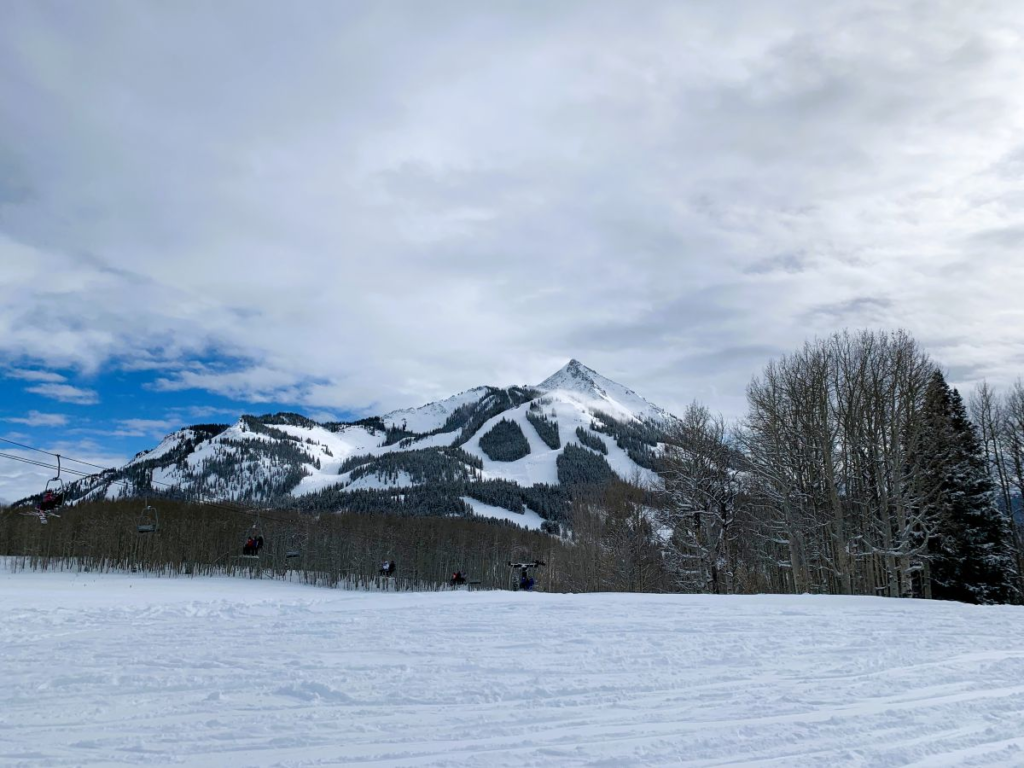
Crested Butte, located in the West Elk Mountains, is legendary among hardcore skiers for its fierce, uncompromising extreme terrain. While the lower and mid-mountain areas offer plenty of classic groomers for intermediates, the upper mountain is defined by the iconic peak of Mount Crested Butte, a dramatic volcanic spire blanketed in cliffs, couloirs, and extreme-rated bowls.
The North Face and the Headwall feature some of the steepest inbound skiing on the planet. Skiers entering these zones are often required to carry avalanche beacons and demonstrate competence in steep, no-fall-margin environments. Navigating this terrain safely requires careful assessment of snowpack stability and local conditions.
Off the slopes, the town of Crested Butte retains a gritty, authentic Colorado mining town vibe, free of the corporate glitz found at some of the state's larger destination resorts. It remains a favorite for skiers who prioritize raw terrain and community authenticity over luxury village amenities.
6. Breckenridge Ski Resort: The Best for High Alpine Access and Park Riders
Breckenridge is a powerhouse resort that attracts millions of visitors annually, anchored by five distinct peaks spanning the Tenmile Range. Breckenridge's primary calling card is its high alpine terrain. Peak 8 hosts the Imperial Express SuperChair, which lifts skiers to an astounding 12,840 feet, granting access to wide-open bowls and steep chutes without requiring a strenuous backcountry hike.
This high-altitude access makes Breckenridge a favorite for intermediates and advanced skiers looking to experience true high-alpine skiing environments. Furthermore, Breckenridge boasts world-class terrain parks across multiple peaks, making it a premier destination for freestylers, snowboarders, and park riders sessioning jumps, rails, and halfpipes.
Managing the Breckenridge Experience
Because of its proximity to Denver and inclusion on major pass networks, Breckenridge experiences significant crowds, particularly on weekends, holidays, and during spring break. Base area lift lines can grow long, requiring strategic timing (such as riding the outer peaks early) to maximize vertical feet.
- Best For: Intermediates, high-altitude bowl explorers, and park enthusiasts.
- Logistics: Heavy weekend traffic on I-70; free town shuttle system makes navigating without a car seamless.
- Pass Affiliation: Epic Pass.
7. Winter Park Resort: The Best for Mogul Skiers and Quick Access
Winter Park Resort, located just over the Moffat Tunnel route from Denver, is Colorado’s oldest continuously operated ski resort. It is divided into several distinct mountains, but it is globally famous for one specific sub-resort: Mary Jane.
Mary Jane is a badge of honor for mogul skiers. Unlike the manicured groomers found elsewhere, Mary Jane’s terrain is famously rugged, steep, and blanketed in endless, leg-burning bump runs interspersed with tight tree skiing. If you want to test your technical bump-skiing endurance, Mary Jane is the definitive destination in the American Rockies.
On the other side of the resort, Winter Park proper and Vasquez Ridge offer wide-angle intermediate groomers and excellent family terrain. Because Winter Park sits closer to Denver than the Central Rockies resorts further west, it serves as a favorite weekend escape for local skiers, leading to energetic, bustling base areas.
Choosing Your Colorado Ski Destination
To simplify the decision-making process, evaluate your group's primary skiing style against the key attributes of each destination using the summary below.
- If you want luxury cruising and expansive bowls: Choose Vail.
- If you have a diverse group that wants multi-mountain variety: Choose Aspen Snowmass.
- If you prioritize dramatic views and technical steeps: Choose Telluride.
- If you are hunting dry powder and family fun: Choose Steamboat.
- If you want hardcore extreme runs and authentic town vibe: Choose Crested Butte.
- If you want high-alpine elevation and terrain parks: Choose Breckenridge.
- If you love mogul fields and quick mountain access: Choose Winter Park.
Frequently Asked Questions
When is the best time to ski in Colorado?
The peak snowpack and most reliable ski conditions typically occur between February and March. January offers cold temperatures and light powder, while December can feature variable snowpack coverage as early-season storms build. Spring skiing in April brings warm sunny days and softer snow, making it popular for casual cruisers and outdoor patio dining.
Should I rent a car or use shuttle services?
If you are visiting resorts along the I-70 corridor like Vail, Breckenridge, or Winter Park, renting a 4WD vehicle is essential for mountain safety laws, but dealing with weekend traffic and parking fees can be challenging. Many travelers prefer taking commercial shuttle services (such as Epic Mountain Express) from Denver International Airport and relying on local, free town transit systems once at the resort.
How do I manage high-altitude sickness while skiing?
Colorado ski resorts sit at high elevations, often ranging from 8,000 to over 12,000 feet at peak summits. To mitigate altitude sickness, hydrate aggressively starting days before your trip, limit alcohol consumption during your first 48 hours at altitude, and give your body time to acclimate by taking lighter runs on your first day.
Are lift tickets cheaper if purchased in advance?
Yes. Purchasing lift tickets or multi-resort passes (such as the Epic or Ikon Pass) well in advance of the ski season yields the lowest rates. Buying window-rate single-day lift tickets at the resort ticket counter on the day of skiing is significantly more expensive.
What is the best resort for absolute beginners?
Resorts like Buttermilk (Aspen Snowmass) and specific designated learning zones at Steamboat and Beaver Creek offer dedicated, low-angle beginner slopes isolated from fast-moving expert traffic, ensuring a safe and encouraging learning environment.
Plan your itinerary carefully, match your resort choice to your technical skill level, and secure your lodging and lift access months in advance to ensure a seamless Colorado ski vacation.