Securing a $500,000 whole life insurance policy for a 16-year-old involves a significant financial and structural commitment. Parents or legal guardians frequently explore permanent life insurance coverage for minors to lock in exceptionally low base rates, accumulate tax-deferred cash value over decades, and guarantee future insurability regardless of health changes. Because whole life insurance combines lifetime protection with a cash value component, purchasing a half-million-dollar face amount for a minor requires careful navigation of underwriting standards, insurable interest laws, and long-term financial planning principles.
Understanding Whole Life Insurance for Minors
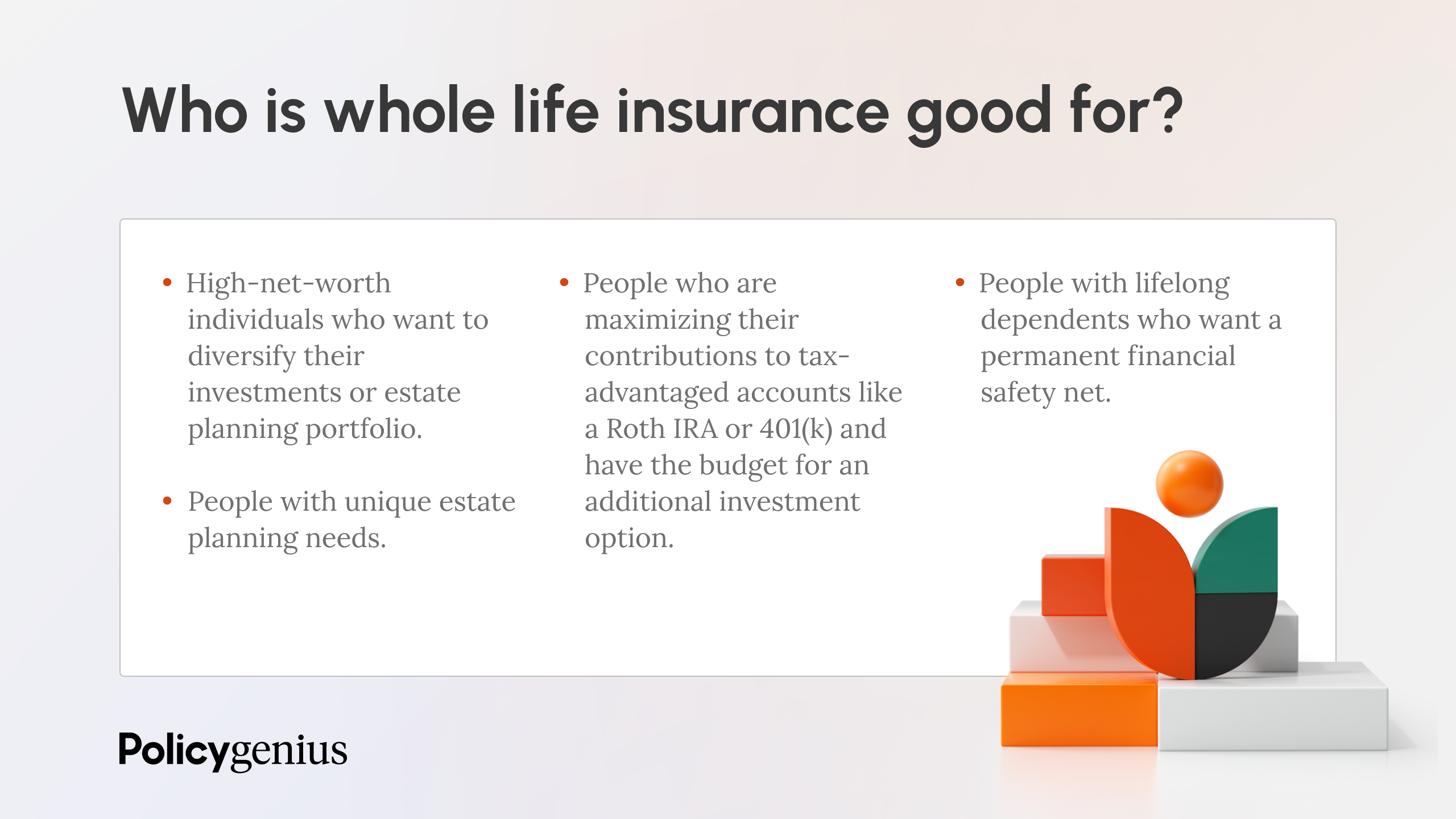
Whole life insurance is a form of permanent life insurance designed to remain active for the insured person's entire life, provided premiums are paid. Unlike term life insurance, which expires after a set period, whole life policies feature a guaranteed level premium, a guaranteed death benefit, and a cash value account that grows at a fixed rate set by the insurer. When applied to a 16-year-old, the primary advantages stem from the youth and overall health of the insured.
At age 16, an individual represents the lowest possible risk tier for standard mortality tables. Consequently, the cost of insurance (COI) charges are minimal, allowing a larger portion of the early premium payments to flow directly into the policy’s cash value or buy paid-up additions. However, a $500,000 face amount is remarkably large for a minor. Most insurance companies maintain strict underwriting guidelines regarding juvenile policies to prevent speculation and ensure that an insurable interest clearly exists between the policyowner (usually a parent or grandparent) and the minor insured.
Purchasing a policy of this magnitude requires an understanding of how juvenile underwriting differs from adult underwriting. While a 16-year-old generally requires minimal medical testing beyond a paramedical exam, medical history, family medical history, and lifestyle factors are scrutinized. Furthermore, insurers evaluate the financial capacity of the adult applicant to sustain long-term premium payments, as a lapse in the policy down the road can carry financial penalties and erode accumulated value.
Financial Dynamics and Cost Considerations
The financial commitment required for a $500,000 whole life insurance policy on a teenager is substantial. Whole life premiums are significantly higher than term life or universal life premiums because the insurer guarantees both the death benefit and cash value accumulation.
While exact premiums depend heavily on the issuing mutual or stock carrier, dividend scales, health classifications, and whether the policy is designed to be paid up over a specific timeframe (such as 20 payment periods or pay-up to age 65), a half-million-dollar whole life policy will require thousands of dollars in annual premiums.
To evaluate the long-term financial impact, consider the following structural elements of juvenile whole life insurance:
- Guaranteed Level Premiums: The rate established when the 16-year-old is insured will never increase, regardless of future health conditions, career choices, or lifestyle hobbies.
- Cash Value Growth: A portion of each premium payment enters a cash account that grows tax-deferred. Over decades, this accumulation can serve as a financial asset for college tuition, first-home down payments, or emergency funds through policy loans and withdrawals.
- Dividend Potential: If purchased through a mutual insurance company, the policy may be eligible for annual dividends, which can be used to purchase paid-up additions, thereby increasing both the total cash value and the overall death benefit over time.
- Paid-Up Additions (PUAs): Riders can be attached to accelerate cash value growth, though this increases the immediate annual premium requirement.
| Policy Feature | Standard Term Life (Minor) | $500,000 Whole Life (16-Year-Old) |
|---|---|---|
| Duration | Fixed period (e.g., 10, 20 years) | Lifetime coverage |
| Cost | Low, economical | High, requires long-term capital |
| Cash Value | None | Guaranteed accumulation + dividends |
| Premium Behavior | Increases upon renewal (if convertible) | Fixed and level for life |
| Insurability | Temporary protection | Guaranteed future insurability |
Underwriting and Legal Requirements for High-Face-Amount Juvenile Policies
Obtaining a $500,000 policy for a 16-year-old is not a standard transaction. Most juvenile policies sold by standard agents are written for face amounts between $10,000 and $50,000 to cover final expenses or provide a small financial head start. A face amount of $500,000 triggers strict financial underwriting guidelines.
Insurance companies must comply with state laws regarding insurable interest. An adult applicant must demonstrate that they would suffer a genuine economic or emotional loss upon the death of the minor. More importantly, underwriters enforce limits on total household juvenile coverage. Generally, an insurance company will not issue a face amount on a child that exceeds the total amount of life insurance carried by the primary breadwinner or parents. This cap prevents over-insurance and maintains logical proportionality within a household's overall financial portfolio.
Medical underwriting for a 16-year-old typically involves:
- Application and Health Questionnaire: Detailed medical history of the minor and immediate family members (parents and siblings), checking for hereditary conditions such as heart disease, diabetes, or certain cancers.
- Medical Records (APS): The insurer may request pediatric or adolescent medical records to verify developmental milestones and treatment histories.
- Paramedical Exam: Depending on the carrier and the $500,000 threshold, a brief exam involving height, weight, blood pressure, and sometimes a blood or urine sample may be required.
Alternative Strategies and Comparative Options
Before committing to a $500,000 whole life policy, financial planners often recommend evaluating alternative vehicles to determine if permanent insurance aligns best with the family's long-term wealth transfer goals.
Term Life with Guaranteed Insurability Options
Parents can purchase a lower-cost term policy or a smaller permanent policy equipped with a Guaranteed Insurability Rider (GIR). This rider allows the insured individual to purchase additional blocks of permanent insurance at specific milestone ages (such as ages 21, 25, 30, or upon marriage and the birth of children) without undergoing new medical underwriting. This provides a way to secure future coverage at a fraction of the immediate cost of a large whole life policy.
Custodial Accounts (UGMA/UTMA) and 529 Plans
If the primary motivation behind a $500,000 policy is wealth accumulation or funding higher education, traditional investment vehicles often outperform the internal rates of return found in the early decades of a whole life policy. Uniform Gifts to Minors Act (UGMA) and Uniform Transfers to Minors Act (UTMA) accounts, alongside 529 college savings plans, offer direct equity market exposure and tax advantages tailored specifically to asset accumulation for minors.
Common Mistakes and Pitfalls to Avoid
Navigating the purchase of a large permanent life insurance policy for a teenager requires vigilance against several common pitfalls:
- Overestimating Household Limits: Assuming any amount of insurance can be purchased simply because the premium can be paid. Underwriters will restrict policies that violate maximum household ratios.
- Ignoring Policy Maintenance: Failing to plan for long-term premium continuity. If the adult purchaser passes away or faces financial hardship, a whole life policy can lapse unless ownership is successfully transferred or the policy is structured with a Payor Benefit Rider.
- Overlooking the Payor Benefit Rider: This essential rider waives future premium payments if the adult policyowner dies or becomes totally disabled before the insured minor reaches age 21 or 25. Without this, a $500,000 policy could lapse prematurely if unexpected financial tragedy strikes the family.
- Misunderstanding Early Cash Value Yields: Expecting high liquidity in the first few years. Whole life policies front-load administrative and acquisition costs, meaning cash values are often minimal or lower than cumulative premiums paid during the first 5 to 10 years.
Frequently Asked Questions
Can a 16-year-old own a $500,000 whole life insurance policy?
No. Minors generally cannot legally enter into binding financial contracts in most jurisdictions. An adult—typically a parent, legal guardian, or grandparent—must act as the initial policyowner and applicant. Ownership can usually be transferred to the insured individual once they reach the age of majority (18 or 21 depending on the state).
Why would someone buy $500,000 of whole life insurance for a teenager?
The primary motivations are locking in the lowest possible permanent health-based premium rate, securing insurability against future health developments, and building a large tax-deferred cash value asset that the minor can utilize for major life expenses in adulthood.
Will a medical exam be required for a 16-year-old?
Yes, for a face amount as high as $500,000, most life insurance carriers require a paramedical examination, which typically includes recording vital statistics and collecting basic laboratory samples, alongside a review of medical history.
What happens to the policy when the minor turns 18?
The adult owner retains control until ownership is officially transferred. Many policies are structured so that ownership transfers smoothly to the insured once they reach the designated age of majority, allowing them to manage premium payments, policy loans, and beneficiary designations independently.
Are the cash value gains taxable?
The cash value inside a whole life insurance policy grows on a tax-deferred basis. Withdrawals up to the total amount of premiums paid (cost basis) are generally tax-free, and policy loans can also be accessed without triggering immediate income tax, provided the policy remains active and does not lapse.
Next Steps and Professional Guidance
Purchasing a $500,000 whole life insurance policy on a 16-year-old is an advanced financial maneuver that demands consultation with an independent financial advisor or an experienced life insurance broker. Because insurance carrier underwriting guidelines, dividend payout histories, and product designs vary widely, working with an independent professional allows you to compare quotes across multiple top-rated mutual companies. Ensure that any proposed policy includes a robust payor benefit rider and aligns transparently with your comprehensive family estate and wealth transfer strategy.