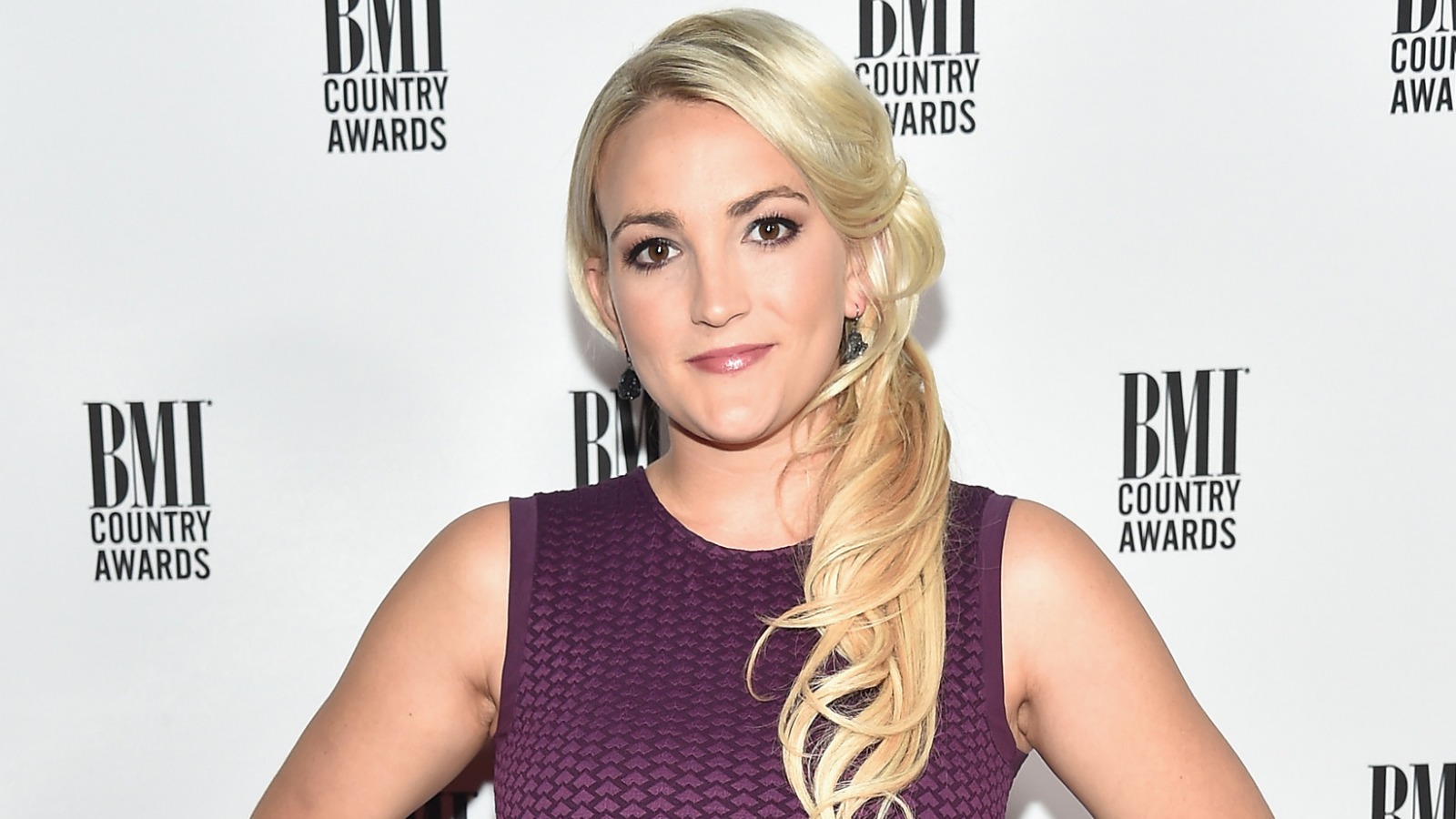
The discourse surrounding the Zoey 101 revival centers on five major narrative shifts: the transition from nostalgic reboot speculation to the reality of the Paramount+ original movie Zoey 102, the evolving public perception of Jamie Lynn Spears' role in the franchise, the careful handling of missing original cast members, the shift toward mature, PG-13 comedic storytelling aimed at adult millennials, and the broader cultural conversation regarding the treatment of child stars in the 2000s Nickelodeon ecosystem.
1. From Reboot Rumors to the Reality of Zoey 102
For over a decade, rumors regarding a continuation of the hit mid-2000s Nickelodeon television series Zoey 101 circulated across social media platforms, fan forums, and entertainment news outlets. Early discussions were largely speculative, fueled by cast reunions on digital platforms and cryptic social media posts from actors reminiscing about their time at Pacific Coast Academy (PCA). These early phases of the discussion were characterized by a collective yearning among millennials for comforting, early-2000s nostalgia.
The narrative experienced a definitive shift when Paramount+ officially greenlit and subsequently released Zoey 102 in July 2023. This transition moved the conversation away from hypothetical plotlines—such as what Zoey Brooks and Chase Matthews would be doing years later—and forced critics, fans, and media analysts to evaluate an actual, finished media product. The discussion shifted from "What if?" to "How well did it execute the legacy?"
Moving from endless fan speculation to a concrete narrative release meant that audiences had to confront the creative choices made by the production team. Rather than relying solely on high school tropes, the revival had to establish a contemporary setting where the characters were navigating their late twenties, career pressures, and modern relationship dynamics. This structural evolution changed the fundamental tone of online commentary, moving it from rose-tinted reminiscence to analytical critique of modern streaming revivals.
2. Re-evaluating Jamie Lynn Spears' Position in the Franchise
No aspect of the Zoey 101 revival discussion has been more polarizing or heavily debated than the involvement of Jamie Lynn Spears, who reprised her role as the titular character Zoey Brooks and served as an executive producer on Zoey 102. In the years following the original series' conclusion in 2008, and particularly leading up to the 2023 movie release, public sentiment regarding Spears underwent intense scrutiny.
The online discourse surrounding Spears was heavily influenced by broader cultural reckonings within the entertainment industry, including public family dynamics, memoirs, and changing attitudes toward child stardom. When her return to the franchise was announced, the revival discussion fractured into two distinct camps:
- Nostalgic Supporters: Fans who separated the actor from her personal life, viewing the project purely through the lens of childhood fandom and narrative continuity.
- Critical Observers: Critics and vocal segments of the internet who questioned the appropriateness of centering a major reboot around a figure tied to historical controversies and complex fan loyalties.
This tension forced entertainment journalists and commentators to analyze how modern media properties market nostalgia when the central star carries significant public baggage. The discussion evolved past simple television criticism into a complex sociological debate about accountability, the right to work, and how audiences reconcile real-world controversies with fictional comfort watches.
3. Addressing the Absence of Key Original Cast Members
A revival of an ensemble-driven show inherently relies on the chemistry of its original cast. A major shift in the Zoey 101 revival discussion involved the conspicuous absence of several prominent cast members from the original series, most notably Victoria Justice (who played Lola Martinez), Austin Butler (who played James Garrett), and Paul Butcher (who played Dustin Brooks).
The absence of these actors—particularly Victoria Justice, whose character was a core part of Zoey's friend group in later seasons—forced the writers of Zoey 102 to reallocate narrative weight. Fans actively dissected why certain actors chose not to return, leading to widespread speculation, verified statements, and industry analysis regarding scheduling conflicts, career trajectories, and personal boundaries.
To compensate for these gaps, the production leaned heavily on returning fan favorites such as Christopher Massey (Michael Barret), Erin Sanders (Quinn Pensky), and Matthew Underwood (Logan Reese), while introducing new characters to fill out the wedding setting that anchors the film's plot. The community discussion closely monitored how successfully these returning dynamics bridged a fifteen-year gap without feeling hollow or incomplete.
| Cast Member | Original Role | Status in Zoey 102 Revival | Narrative Impact |
|---|---|---|---|
| Jamie Lynn Spears | Zoey Brooks | Returned (Lead / EP) | Anchored the core plot around her professional life and romantic future. |
| Sean Flynn | Chase Matthews | Returned | Resolved the long-standing "will-they-won't-they" romantic arc. |
| Erin Sanders | Quinn Pensky | Returned | Provided continuity and comedic relief through established relationships. |
| Christopher Massey | Michael Barret | Returned | Maintained the camaraderie of the original PCA friend group. |
| Victoria Justice | Lola Martinez | Did Not Return | Shifted focus away from the original ensemble to a more centralized narrative. |
| Austin Butler | James Garrett | Did Not Return | Required the introduction of new love interests and supporting characters. |
4. Maturing the Tone: From Children's Sitcom to PG-13 Millennial Comedy
The original run of Zoey 101 on Nickelodeon was tailored for a pre-teen and early adolescent demographic, adhering strictly to the network's family-friendly standards and practices. When Zoey 102 was developed for Paramount+, a deliberate creative shift occurred regarding tone, humor, and thematic scope. The project transitioned from a multi-camera family sitcom setup to a single-camera, PG-13 romantic comedy format designed for adults who grew up watching the original series.
This shift in target demographic sparked extensive discussion among pop culture analysts regarding the "millennial nostalgia trap." The discourse examined whether modern revivals successfully age up with their audiences or if they awkwardly cling to juvenile gags while forcing adult themes. In Zoey 102, this manifested as plots centered around awkward modern dating, bridesmaid duties, career insecurity, and professional compromises—topics entirely foreign to Pacific Coast Academy students.
Reviewers and fans debated the success of this transition:
- The Pro-Maturity Argument: Supporters argued that allowing characters to age realistically prevented the project from feeling like an uninspired children's show retread, validating the audience's own passage into adulthood.
- The Critical Perspective: Skeptics noted that stripping away the innocent, sunny aesthetic of the original California boarding school robbed the franchise of its specific charm, turning it into a generic streaming romantic comedy.
5. The Broader Context of 2000s Nickelodeon Retrospectives
Perhaps the most profound shift in the Zoey 101 revival discussion is its intersection with the broader, systemic reassessment of the 2000s children's television industry. As documentaries, investigative reports, and former child actors shed light on the pressures, working conditions, and power dynamics behind the scenes of popular networks during that era, public perception of shows like Zoey 101 changed fundamentally.
When Zoey 102 was released, viewers could no longer watch the fictional universe of PCA without filtering it through the lens of industry realities. The online discourse frequently tied the revival to discussions about child star protection, labor laws on children's sets, and the psychological toll of early fame. Consequently, the revival discussion became a case study in how modern audiences consume nostalgia media with a heightened awareness of off-screen contexts, proving that legacy properties can no longer exist in a cultural vacuum.
Frequently Asked Questions
Is Zoey 102 a direct continuation of Zoey 101?
Yes, Zoey 102 is a feature-length film that directly continues the story of the original television series. It picks up roughly fifteen years later, catching up with the lives of adult Zoey Brooks, Chase Matthews, Quinn Pensky, and Logan Reese as they reunite in California for a wedding.
Why didn't Victoria Justice return for the revival?
Victoria Justice did not return for Zoey 102 due to scheduling conflicts and other career commitments. Her absence meant the character of Lola Martinez was omitted from the narrative, requiring the production to focus its ensemble energy on other returning legacy characters and new additions.
Where can I stream Zoey 102?
Zoey 102 is available to stream on Paramount+. Access requires a subscription to the streaming platform, which offers various plan tiers that include or exclude Showtime content, depending on regional availability and current service offerings.
Does the revival address the romance between Zoey and Chase?
Yes, resolving the long-standing romantic tension between Zoey Brooks and Chase Matthews is the primary narrative engine of Zoey 102. The film explores how their dynamic has evolved since their teenage years at Pacific Coast Academy and confronts the lingering questions left open by the series finale.
What is the official rating of Zoey 102?
Zoey 102 carries a PG-13 rating for language, suggestive references, and brief drug material. This represents a distinct shift from the original G-rated television series, reflecting the mature, adult-oriented themes directed at the original audience who grew up alongside the characters.
Next Actions and Viewing Recommendations
For viewers interested in exploring the Zoey 101 revival, the most effective approach is to re-familiarize oneself with the tone of the later seasons of the original series before watching Zoey 102 on Paramount+. Keep in mind the shift in target demographic from family-friendly television to adult romantic comedy to align expectations properly. For researchers and cultural analysts, examining the film alongside contemporary documentary coverage of 2000s children's television provides a deeper, more comprehensive understanding of how modern media handles legacy entertainment.