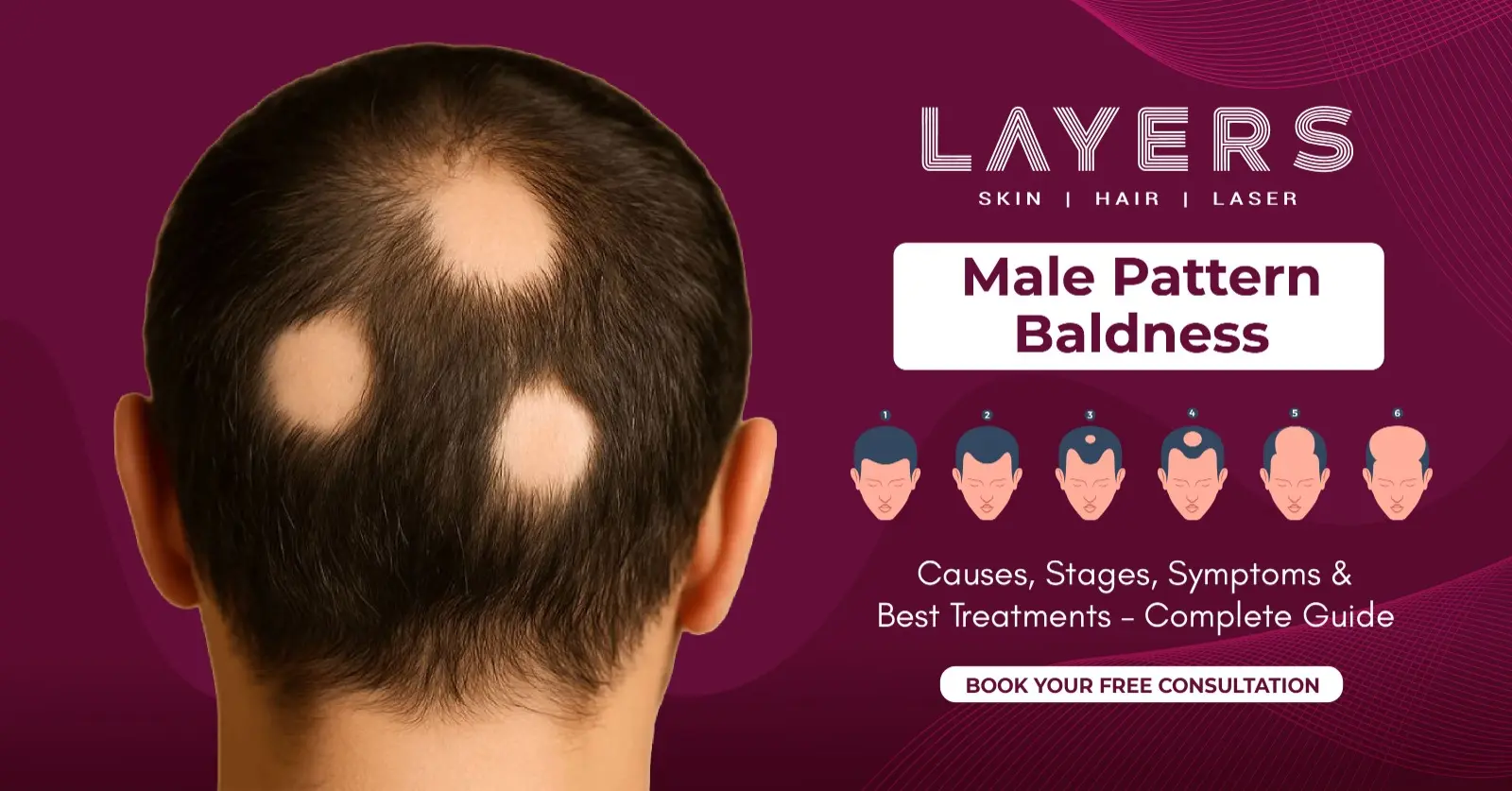
Experiencing hair loss at the age of 22 can be an alarming and isolating experience, as it deviates significantly from the expected timeline of natural aging. Understanding the underlying mechanisms of early male pattern baldness helps demystify the condition, separates medical reality from popular myths, and empowers young men to make informed choices about their health, psychological well-being, and proactive management strategies.
Understanding the Landscape of Early Male Pattern Baldness
When a 22-year-old male notices a receding hairline, thinning at the crown, or excessive shedding in the shower, the immediate reaction is often panic. Society traditionally associates significant hair loss with middle age or older adulthood. However, genetic hair loss—clinically known as androgenetic alopecia—frequently initiates much earlier than most people realize. Recognizing that hair thinning in early adulthood is a common medical phenomenon rather than a rare anomaly is the first step toward effective coping and management.
To contextualize this issue, it is vital to examine the physiological baseline of young adult hair growth. The human scalp contains roughly 100,000 hair follicles, which cycle continuously through growth (anagen), regression (catagen), and resting (telogen) phases. In genetically susceptible individuals, this cycle is disrupted prematurely by internal chemical triggers. Addressing this issue requires looking past superficial cosmetic fixes and examining the biological, genetic, and psychological factors that define baldness at age 22.
Fact 1: Genetics and Dihydrotestosterone (DHT) Are the Primary Drivers
The single most important biological fact regarding baldness at age 22 is that the condition is fundamentally driven by genetics and a specific androgen hormone called dihydrotestosterone (DHT). Contrary to popular belief, early hair loss is rarely caused by stress, wearing hats too frequently, or poor hygiene. Instead, it is an inherited trait dictated by a complex interplay of multiple genes passed down from either the maternal or paternal side of the family.
DHT is a potent byproduct of testosterone, converted locally within hair follicles by the enzyme 5-alpha-reductase. In young men with a genetic predisposition, hair follicles on the scalp possess specific androgen receptors that are hypersensitive to DHT. When DHT binds to these receptors, it initiates a process called follicular miniaturization.
The Mechanism of Follicular Miniaturization
- Prolonged Telogen Phase: The normal anagen (growth) phase of the hair cycle is drastically shortened.
- Follicle Shrinking: Over successive cycles, the hair follicles shrink in diameter, producing finer, shorter, and lighter-colored hairs (vellus hair) instead of thick terminal hairs.
- Eventual Atrophy: Eventually, the affected follicles become so small that they cease producing hair altogether, leading to permanent localized baldness if left unaddressed.
Because genetic predisposition dictates both the sensitivity of the receptors and the concentration of 5-alpha-reductase, some young men experience rapid miniaturization as early as their late teens or very early twenties.
Fact 2: Early Onset Often Corresponds with Greater Severity
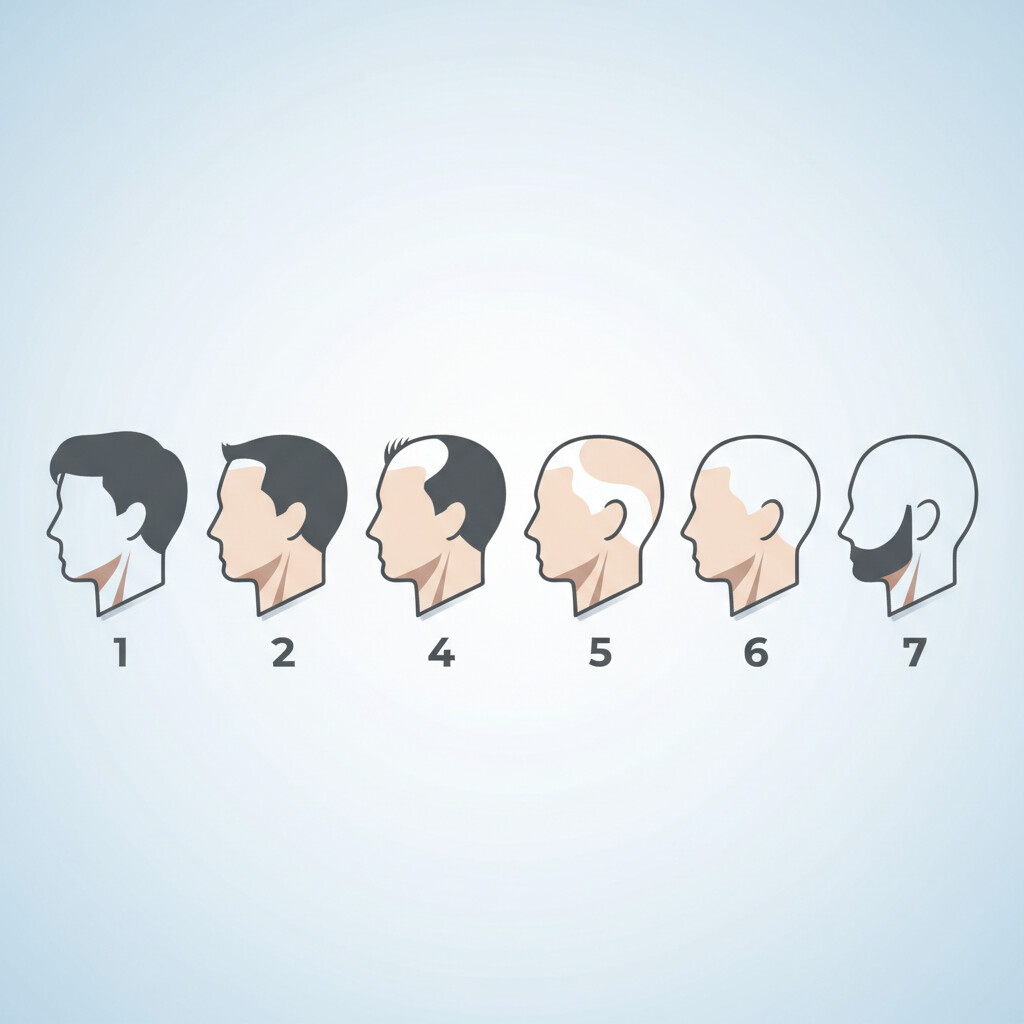
For a 22-year-old male, the timing of hair loss carries significant prognostic value. Medical dermatology studies consistently show an inverse relationship between the age of onset and the ultimate severity of androgenetic alopecia. In practical terms, losing hair earlier in life typically correlates with a faster progression rate and a more advanced final Norwood scale classification if left untreated.
When hair thinning begins at 22, the endogenous signaling driving follicular miniaturization is exceptionally active. While a man who begins losing his hair at age 50 may experience a gradual recession that stabilizes naturally, a 22-year-old is often at the beginning of a decades-long biological process. This reality underscores the importance of early intervention for individuals who wish to preserve their existing hair density.
| Characteristic | Early Onset (Age 22) | Late Onset (Age 45+) |
|---|---|---|
| Primary Driver | High genetic sensitivity to DHT | Gradual hormonal shifts and normal aging |
| Progression Rate | Often rapid and aggressive | Typically slow and gradual |
| Ultimate Extent | Higher likelihood of advanced Norwood stages | Often localized crown or hairline recession |
| Intervention Window | Requires long-term proactive management | May require minimal or cosmetic-only intervention |
Fact 3: Effective Evidence-Based Treatments Exist, But Require Long-Term Commitment
Young men navigating early baldness are frequently targeted by predatory marketing campaigns promoting unverified supplements, miraculous shampoos, and laser combs that promise miraculous reversals. However, modern medicine recognizes only a few FDA-approved or clinically validated pharmaceutical interventions for androgenetic alopecia: topical minoxidil and oral 5-alpha-reductase inhibitors like finasteride.
Overview of Clinical Options
- Minoxidil (Topical or Oral): A vasodilator that prolongs the anagen phase and increases blood flow to hair follicles, stimulating growth and nutrient delivery. It does not block DHT, meaning it addresses the symptom rather than the root hormonal cause.
- Finasteride (Oral): A prescription medication that inhibits the Type II 5-alpha-reductase enzyme, reducing serum DHT levels by roughly 70% and halting miniaturization at its source.
Because androgenetic alopecia is a progressive, chronic condition, these treatments are not cures. If a 22-year-old begins using finasteride or minoxidil and subsequently discontinues use, the underlying genetic process resumes, and any hair preserved or regrown through the medication will shed within several months, catching up to the natural progression timeline. Furthermore, prescription medications carry potential side effects and require professional medical supervision by a dermatologist or primary care physician.
Fact 4: Psychological Impact in Young Adulthood Is Significant and Valid
The psychological and social implications of losing hair at 22 are profound. While society often trivializes male pattern baldness as a superficial concern, entering adulthood with thinning hair can trigger anxiety, diminished self-esteem, body dysmorphia, and social withdrawal. At 22, individuals are navigating critical life transitions, including college graduation, entering the workforce, and establishing romantic relationships.
Research in dermatological psychology indicates that young men experiencing premature hair loss frequently perceive themselves as looking significantly older than their chronological age. This mismatch between internal identity and external appearance can lead to chronic distress. Acknowledging this psychological weight is crucial. Mental health professionals emphasize that seeking peer support, reframing self-image beyond physical appearance, or discussing concerns openly with a physician can mitigate anxiety and improve overall quality of life.
Fact 5: Surgical Restoration Has Age-Related Limitations at 22
Many young men assume that a hair transplant is a quick, definitive fix for a receding hairline at age 22. However, ethical hair restoration surgeons exercise extreme caution when evaluating patients in their early twenties.
Why Early Hair Transplants Are Often Discouraged
- Unpredictable Future Loss: Because early-onset hair loss is progressive, transplanting hair into a receding hairline today does not stop native hair directly behind it from thinning tomorrow. This can lead to unnatural-looking patches or depleted donor areas as the surrounding hair continues to recede.
- Finite Donor Supply: The permanent donor hair at the back and sides of the head is a finite resource. Over-harvesting a young patient can exhaust this supply before his balding pattern stabilizes in later decades.
Consequently, responsible medical practice dictates that 22-year-olds exhaust medical therapy and allow their balding pattern to mature or stabilize under medication before considering surgical options like Follicular Unit Extraction (FUE) or Follicular Unit Transplantation (FUT).
Frequently Asked Questions
Can stress cause permanent baldness at 22?
Acute physical or psychological stress can trigger a temporary shedding condition called telogen effluvium, where a large percentage of hair follicles enter the resting phase simultaneously. However, this condition is generally reversible once the stressor is resolved. It does not cause permanent male pattern baldness, though high stress can accelerate an underlying genetic predisposition to androgenetic alopecia.
Will wearing baseball caps or beanies accelerate hair loss?
No. Headwear does not restrict oxygen to the scalp or pull hair out aggressively enough to cause permanent miniaturization. Hair follicles receive their oxygen and nutrients via the bloodstream from inside the body, not from the external air. Wearing hats is entirely safe, though poor hygiene or dirty hats can occasionally contribute to localized scalp irritation or folliculitis.
Are natural oils and vitamins effective for genetic baldness?
Vitamins like biotin, collagen supplements, and natural oils such as rosemary or castor oil can improve overall hair shaft quality, strength, and scalp health. However, they do not block DHT or alter genetic sensitivity. While they can serve as beneficial complementary care, they cannot halt or reverse advanced androgenetic alopecia on their own.
When should a 22-year-old see a dermatologist?
A young man noticing rapid thinning, localized patchy hair loss, or inflammation and itching on the scalp should consult a board-certified dermatologist promptly. A professional evaluation helps rule out other medical causes of hair loss, such as alopecia areata, thyroid disorders, or nutritional deficiencies, ensuring an accurate diagnosis before starting any regimen.
Conclusion and Next Actions
Facing baldness at 22 is challenging, but understanding the biological realities transforms a source of anxiety into a manageable health condition. The primary action for any young man experiencing early hair loss is to schedule a consultation with a qualified dermatologist to get an accurate diagnosis, rule out underlying medical conditions, and discuss evidence-based medical management strategies tailored to his individual health profile.