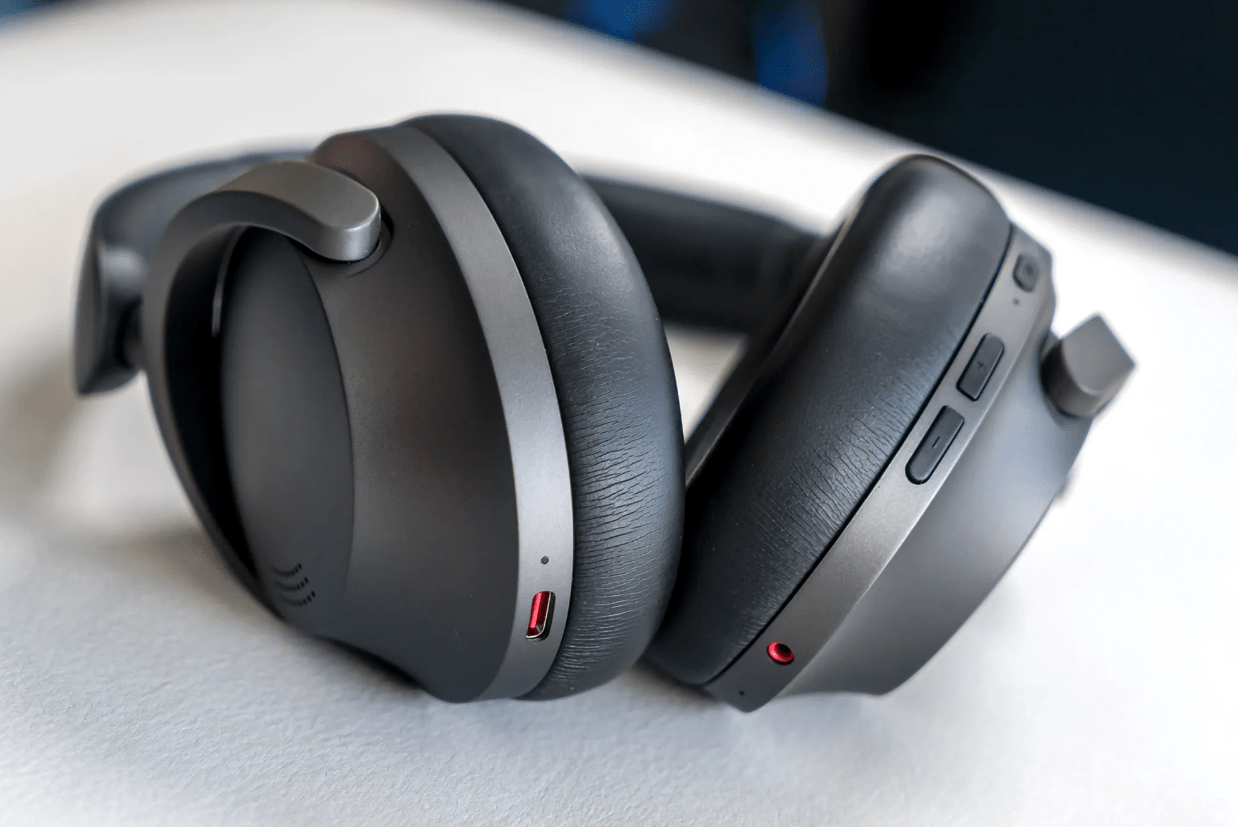
Finding the right pair of noise cancelling headphones involves balancing effective ambient sound reduction, audio fidelity, build quality, and price across various market segments. Whether you require professional-grade attenuation for frequent travel or a durable, cost-effective option for daily commuting, established audio manufacturers offer tailored solutions for every financial tier.
Active noise cancellation (ANC) has evolved from an elite, high-cost feature into a widely accessible technology available across diverse price points. Selecting the ideal brand and model requires a careful examination of how different manufacturers approach sound engineering, battery endurance, comfort ergonomics, and ambient mode transparency. Navigating these factors ensures you invest in a device that meets your precise listening requirements without overspending on unnecessary features.
Understanding Active Noise Cancellation Technology
Before evaluating specific brands, it is essential to understand how active noise cancellation functions in modern consumer audio products. ANC works by utilizing tiny built-in microphones to sample external ambient sounds, predominantly low-frequency environmental noise such as airplane engines, train rumbles, and HVAC hums. An onboard digital signal processor (DSP) then inverts this ambient wave by generating an exact "anti-phase" sound wave. When the incoming noise and the inverted wave collide, they destructively interfere, effectively neutralizing the audible disturbance.
Passive noise isolation, by contrast, relies entirely on physical barriers—such as memory foam ear cushions, tight clamping force, and closed-back earcups—to block high-frequency sounds like human speech and sharp clicks. Premium headphones combine both active and passive mechanisms to create a comprehensive acoustic seal. Understanding this distinction helps explain why certain brands excel at blocking deep rumblings while others struggle with sudden, unpredictable noises.
Key Factors to Evaluate Beyond Noise Cancellation
While noise cancellation remains the primary draw, purchasing a pair of headphones requires weighing several interconnected technical specifications:
- Audio Codecs Support: High-resolution codecs like LDAC, aptX Adaptive, and AAC determine how much audio data can be wirelessly transmitted from your source device to your headphones, directly impacting clarity and instrument separation.
- Battery Longevity: Modern wireless headphones typically range from 20 to 60 hours of playback on a single charge. Fast-charging capabilities—yielding hours of playback from a brief 10-minute charge—are increasingly vital for busy users.
- Multipoint Connectivity: This feature allows a pair of headphones to connect to two source devices simultaneously (such as a laptop and a smartphone), automatically switching audio output based on active playback.
- Microphone Arrays and Call Quality: Beamforming microphones combined with artificial intelligence noise suppression algorithms dictate how clearly your voice transmits during phone calls and virtual meetings.
Premium Tier: Sony
For consumers seeking industry-leading performance and refusing to compromise on technological innovation, Sony maintains a dominant position in the premium noise-cancelling market. Flagship models such as the WH-1000XM5 utilize advanced multi-microphone architectures paired with dedicated integrated processors to analyze and eliminate ambient noise in real-time across unpredictable environments.
Sony’s proprietary LDAC codec technology allows for the transmission of three times more data than standard Bluetooth audio, resulting in high-resolution wireless sound that appeals directly to audiophiles. Furthermore, the companion Sony Headphones Connect application offers granular control over ambient sound levels, equalizer presets, and spatial audio calibration.
While premium-tier products carry a substantial financial investment, the build quality, regular firmware enhancements, and class-leading noise cancellation justify the expense for frequent flyers, remote workers in loud environments, and serious music enthusiasts.
Value-Focused Flagship Tier: Bose
Bose remains synonymous with comfort and pioneering noise cancellation research. The brand's QuietComfort line has long set the benchmark for ergonomic design, utilizing ultra-soft protein leather and balanced headband clamping forces that allow for hours of continuous wear without physical fatigue.
In terms of acoustic performance, Bose excels at creating a natural-sounding noise cancellation effect. Unlike some competitors that can induce a "vacuum ear" sensation—a subtle pressure buildup in the ear canal when ANC is engaged—Bose engineers its processors to neutralize environmental disruptions smoothly. The QuietComfort Ultra models also introduce immersive audio features, rendering spatial soundscapes that track head movement for a more engaging media consumption experience.
Bose targets consumers who prioritize all-day wearability, straightforward tactile controls, and dependable ambient sound management over exhaustive custom equalizer tweaking.
Versatile Ecosystem Tier: Apple
Apple occupies a unique space in the audio market, offering deeply integrated solutions primarily optimized for users within the iOS, iPadOS, and macOS ecosystems. While the AirPods Max represent their over-ear flagship offering, the broader AirPods lineup demonstrates how advanced computational audio can compensate for physical form factor limitations.
Powered by custom silicon chips, Apple's noise-cancelling devices continuously adapt their audio tuning in real-time to fit the unique geometry of the user's ear. Features like Adaptive Audio dynamically blend active noise cancellation and transparency modes based on changing environmental conditions, allowing users to remain aware of sudden safety hazards without manual intervention.
The seamless device-switching capabilities within the Apple ecosystem make these headphones exceptionally convenient for users who frequently transition playback between iPhones, iPads, and Mac computers. However, full feature access often requires Apple hardware, making them less suitable for Android or Windows-centric workflows.
Feature-Rich Mid-Range Tier: Sennheiser
Sennheiser bridges the gap between reference-grade studio acoustics and consumer-friendly wireless convenience. Known historically for high-end open-back audiophile headphones, the German manufacturer brings decades of acoustic engineering expertise to its Momentum and Accentum wireless lines.
Sennheiser stands out by delivering balanced, distortion-free sound profiles characterized by accurate bass response, clear midrange frequencies, and detailed treble extension. Rather than artificially boosting low-end frequencies to mimic consumer preferences, Sennheiser focuses on natural instrument reproduction and wide soundstages.
The brand's mid-range and upper-mid-range offerings often include hybrid adaptive noise cancellation, customizable touch controls, and robust battery performance, making them an excellent choice for listeners who value sonic accuracy above all else.
Budget-Conscious Practical Tier: Anker Soundcore
For buyers seeking reliable performance without a significant financial commitment, Anker Soundcore has redefined the entry-level and mid-tier markets. Models like the Soundcore Space Q45 and Life Q30 prove that effective hybrid active noise cancellation and multi-mode ambient transparency are no longer exclusive to premium brands costing three or four times as much.
Soundcore products frequently outperform expectations by offering companion smartphone apps equipped with extensive multi-band equalizers, customizable noise-cancelling profiles (such as transport, indoor, and outdoor modes), and impressive battery life figures often exceeding 50 hours with ANC disabled.
While material finishes may rely more heavily on reinforced plastics rather than premium metals and plush leathers, the structural durability and core acoustic performance provide exceptional value for students, budget-conscious commuters, and casual listeners.
Comprehensive Comparison of Noise Cancelling Headphone Brands
| Brand | Price Tier | Primary Strengths | Ideal User Profile |
|---|---|---|---|
| Sony | Premium | Industry-leading ANC, LDAC high-res audio, deep app customization | Frequent travelers, audiophiles, remote professionals |
| Bose | Premium to Mid | Exceptional comfort, natural noise cancellation, ergonomic design | Users sensitive to ear pressure, all-day wearers |
| Apple | Premium | Ecosystem integration, adaptive audio, computational audio | Dedicated iOS and macOS users |
| Sennheiser | Mid to Upper-Mid | Audiophile-grade sound tuning, balanced acoustics, build quality | Critical music listeners valuing sonic accuracy |
| Anker Soundcore | Budget to Mid | Exceptional price-to-performance ratio, massive battery life | Students, casual listeners, budget-focused buyers |
Frequently Asked Questions
Do noise-cancelling headphones completely block out human speech?
No, active noise cancellation is fundamentally designed to neutralize continuous, predictable low-frequency sounds. Human speech consists of unpredictable, mid-to-high frequency variations that bypass the phase-inversion process. High-frequency sounds are primarily mitigated through the passive acoustic seal created by the ear cushions pressing against your head.
Can I use wireless noise-cancelling headphones with a wired connection?
Many mid-range and premium headphones include a 3.5mm audio jack or USB-C audio passthrough, allowing you to use them with wired sources or on airplanes with standard entertainment systems. Depending on the specific model, wired operation may require the headphones to be powered on to utilize internal digital signal processing, or it may function entirely passively with a depleted battery.
Does active noise cancellation damage hearing health?
No, active noise cancellation does not generate harmful sound waves. By reducing the ambient noise level of loud environments like subways or airplanes, ANC actually allows listeners to enjoy music, podcasts, or audiobooks at lower, safer volume settings without needing to overpower background noise.
How do I maintain and clean my noise-cancelling headphones?
Ear cushions and headbands accumulate sweat, oils, and debris over time, which can degrade protein leather and foam integrity. Wipe down exterior surfaces and ear cushions periodically using a microfiber cloth slightly dampened with water or a mild, non-abrasive lens cleaner. Avoid using harsh chemical solvents or submerging electronic components in liquid.
Is battery degradation a major concern for wireless headphones?
Like all devices powered by lithium-ion batteries, wireless headphones experience gradual capacity loss over several years of regular charging cycles. While many premium manufacturers offer out-of-warranty battery replacement services, the overall lifespan depends heavily on usage frequency, charging habits, and exposure to extreme temperatures.
Final Recommendation and Purchasing Strategy
Selecting the ideal noise-cancelling headphones requires aligning your budget with your primary environmental use cases. If your daily routine involves navigating loud commutes and you demand absolute silence alongside high-resolution audio codecs, investing in premium-tier offerings from Sony or Bose provides the most robust return on investment.
Conversely, if you need reliable background noise reduction for office work or casual listening without straining your finances, brands like Anker Soundcore deliver remarkable functionality at a fraction of the cost. Assess your daily listening habits, prioritize comfort and battery longevity over marginal feature sets, and choose the tier that matches your financial comfort zone.