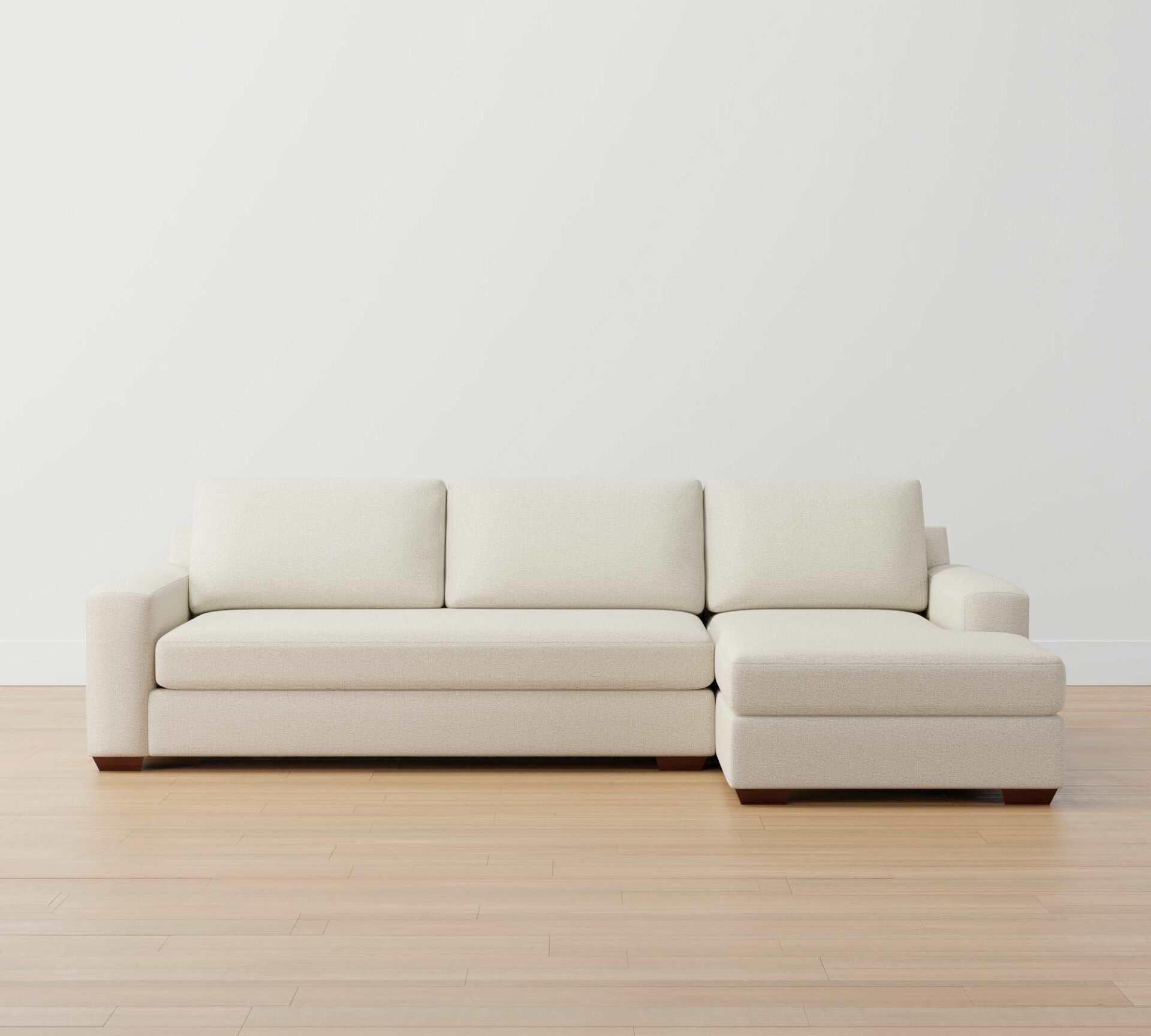
Finding a couch that survives a household with cats requires balancing aesthetic appeal with high-performance fabrics, solid frame construction, and low-maintenance features that resist claw punctures, trapped fur, and staining.
Living with felines brings immense joy, but it often comes at a steep cost to traditional living room furniture. Standard upholstery materials like loosely woven linen, textured tweed, and delicate chenille act like built-in scratching posts, quickly accumulating pulled threads, snagged loops, and deeply embedded pet hair. For cat owners, the ideal couch requires a specific engineering approach: tightly woven technical textiles, heavy-duty synthetic blends, or high-grade performance leathers that deter scratching behavior while offering effortless hair removal and stain mitigation.
Understanding how cats interact with furniture is the first step toward making a smart investment. Felines scratch to shed the outer layer of their claws, stretch their muscles, and leave scent markings. Couches covered in smooth, tight surfaces provide little tactile satisfaction for scratching, naturally encouraging cats to redirect their instincts toward designated scratching posts. Furthermore, modern textile engineering has evolved past stiff, unbreathable vinyls, introducing luxurious high-performance fabrics that withstand active pets without sacrificing contemporary interior design standards.
Understanding Cat Behavior and Furniture Damage
Before evaluating specific couch types, it helps to analyze why cats target certain pieces of furniture. Feline claws easily hook into loose weaves, creating a compounding cycle of damage where a single snagged thread invites the cat back to the same spot repeatedly.
Cats also shed year-round, and static electricity often bonds pet hair to synthetic microfibers or textured wool blends. Choosing the right upholstery minimizes both physical structural damage and the daily labor of grooming your living space.
The Mechanics of Claw Damage
When a cat extends its claws into a couch, the damage typically falls into two categories: pulling and tearing.
- Loop Woven Fabrics: Materials like tweed, boucle, and traditional burlap-style weaves feature raised loops. A cat's curved claw slides effortlessly under these loops, pulling them upward and unravelling yards of fabric with a single stretch.
- Flat Woven and Performance Fabrics: Microfibers, velvet, and heavy canvas feature a dense, flat surface structure. Because there are no loops to catch, a cat's claws simply slide off the surface, offering no tactile reward and discouraging repeat attempts.
Hair Retention and Static Load
Fur accumulation is an inevitable challenge in multi-cat households. Fabrics with high static attraction act as magnets for loose undercoats. Traditional velvets and faux leathers generally rank highest for hair management because individual hairs rest on the surface rather than weaving themselves into the fabric matrix, allowing for quick removal with a rubber pet hair brush or vacuum attachment.
Key Criteria for Evaluating Cat-Friendly Couches
When shopping for pet-proof furniture, several objective standards dictate long-term durability and owner satisfaction.
| Evaluation Criteria | Low-Performance (Avoid) | High-Performance (Recommended) | |------------------------|---------------------------------------------------+---------------------------------------------------| | Fabric Weave | Loose loops, textured tweed, boucle, raw linen | Tight micro-weave, commercial velvet, faux leather| | Scratch Resistance | High snag potential; invites kneading | Slick surface; claws slide off without resistance | | Hair Cleanup | Traps fur deep within fibers; difficult to vacuum | Surface-level shedding; easily wiped or brushed | | Stain & Odor Defense | Absorbs oils and liquids; retains pet odors | Fluid-repellent finish; moisture barrier backing |
Frame and Cushion Construction
A cat-resistant cover is only as good as the skeleton underneath it. Cats frequently jump onto the backs and arms of couches, exerting sudden downward pressure. Kiln-dried hardwood frames joined with reinforced corner blocks prevent structural squeaking and sagging over time. High-resilience polyurethane foam wrapped in down-alternative layers provides a supportive sit while retaining its shape despite heavy feline lounging.
Removable and Washable Slipcovers
Accidents happen, and hair accumulates in hidden crevices. Couches featuring zippered, machine-washable slipcovers provide a vital insurance policy for pet owners. Being able to launder cushion covers or entire frame jackets eliminates deep-set odors and sanitizes the living area effectively.
The 5 Best Couch Types for Cat Owners
Rather than relying on single brand names that change inventory rapidly, this breakdown focuses on the five structural and material categories proven to withstand feline co-habitation.
1. Performance Velvet Sofas
Performance velvet has emerged as the gold standard for pet-friendly living rooms. Unlike delicate vintage velvet, modern performance velvet is typically woven from synthetic fibers such as polyester or nylon, engineered for high commercial durability.
- Why it works for cats: Performance velvet has an exceptionally dense, upright pile with no loops. When a cat attempts to scratch, its claws glide harmlessly over the microscopic fibers without catching.
- Maintenance benefits: Liquid beads up on the surface rather than soaking in immediately, giving owners time to blot spills. Fur sits loosely on top and lifts away with a damp rubber glove or vacuum crevice tool.
2. Heavy-Duty Microfiber and Microsuede
Microfiber consists of finely split synthetic fibers, creating a textile that mimics the soft hand-feel of suede while offering industrial-grade strength.
- Why it works for cats: The ultra-tight weave leaves zero space for claws to penetrate. Cats quickly lose interest in scratching microfiber because the texture provides no resistance or satisfying feedback.
- Maintenance benefits: Microfiber resists staining naturally due to its synthetic composition. Minor marks clean easily with mild soap and water without leaving water rings or fading the dye lot.
3. Genuine Top-Grain Leather (With Caveats)
Top-grain leather offers a sophisticated aesthetic paired with exceptional durability against everyday wear, though it requires careful management regarding sharp claws.
- Why it works for cats: High-quality leather has a smooth, taut surface that cats generally avoid scratching once they realize their claws slip off.
- Important considerations: While cats rarely claw top-grain leather out of boredom, accidental punctures can occur during high-speed leaps. Opt for distressed or pull-up leathers where minor surface patinas blend naturally into the hide over time rather than showing pristine perfection. Avoid bonded leather, which flakes and delaminates rapidly under pet use.
4. Heavyweight Canvas and Sailcloth Slipcovered Couches
Relaxed, casual aesthetic styles utilizing thick, utilitarian cotton-canvas or industrial sailcloth offer heavy-duty protection with a casual look.
- Why it works for cats: These textiles feature flat, utilitarian weaves that lack the fuzzy texture cats crave for tactile stimulation.
- Maintenance benefits: The defining advantage of canvas couches is their washability. Most high-end canvas slipcovered sofas can be completely stripped off the frame and laundered in standard washing machines, neutralizing dander, oils, and odors completely.
5. Solution-Dyed Acrylic and Olefin Weaves (Crypton-Style)
Solution-dyed synthetic blends, often treated with permanent stain-resistant technology woven directly into the yarn, provide ultimate defense against aggressive wear.
- Why it works for cats: The chemical and physical bonding of the fibers creates a rigid, tightly packed textile that resists pulling, tearing, and snagging from claws.
- Maintenance benefits: Originally designed for high-traffic marine and commercial hospitality environments, these fabrics repel moisture, oils, and pet stains effortlessly while maintaining vibrant color fastness through repeated cleanings.
Comparing Cat-Friendly Couch Materials
Selecting the right couch depends on balancing your aesthetic preferences with your cat's specific habits, whether they are quiet loungers or enthusiastic scratchers.
| Material Category | Scratch Resistance | Hair Removal Ease | Fluid Defense | Overall Durability |
|---|---|---|---|---|
| Performance Velvet | Excellent | Excellent | Very Good | High |
| Microfiber / Microsuede | Excellent | Very Good | Good | High |
| Top-Grain Leather | Good | Excellent | Excellent | Very High |
| Heavyweight Canvas | Good | Moderate | Fair | Moderate |
| Solution-Dyed Olefin | Very Good | Good | Excellent | Very High |
Practical Mitigation Strategies and Training
Even the best cat-friendly couch benefits from proactive environmental enrichment and training. Cats rarely scratch furniture out of spite; they do so because it fulfills a biological need in a convenient location.
- Strategic Placement of Scratching Posts: Place sturdy, tall sisal rope scratching posts immediately adjacent to your couch. If your cat approaches the furniture, gently redirect them to the post and reward them with praise or a treat.
- Double-Sided Deterrent Tapes: Temporarily applying specialized, cat-safe sticky deterrent tape to the favorite scratching corners of a new couch for the first few weeks breaks the habit loop quickly, as cats dislike the tacky sensation on their paws.
- Regular Nail Maintenance: Keep your cats' claws trimmed every two to three weeks. Regular clipping minimizes the mechanical potential for accidental snags during play sessions.
Common Mistakes to Avoid When Buying a Couch with Cats
Navigating furniture showrooms requires vigilance against common marketing traps that lead to premature wear and tear in pet-owning households.
- Falling for "Pet-Friendly" Marketing Without Weave Inspection: Always inspect the actual fabric swatch. If you can slide a fingernail under a thread and pull it up, your cat's claws will do the exact same thing within days.
- Choosing Chenille or Tweed for Aesthetic Reasons: While textured fabrics look trendy in interior design magazines, they are incompatible with cats. The looped structure guarantees immediate damage.
- Ignoring Cushion Density: Cats love to sleep on the top cushions of a couch. Low-density foam compresses quickly under combined human and pet weight, leading to a lumpy appearance even if the fabric remains intact.
Conclusion
Investing in a cat-friendly couch does not mean sacrificing your home's interior design. By prioritizing tight-weave performance velvets, heavy microfibers, or durable top-grain leathers, you protect your investment from claws and fur while maintaining an elegant living space. Pair your chosen seating with proper scratching infrastructure and regular nail trims to ensure a harmonious environment where both humans and felines thrive.