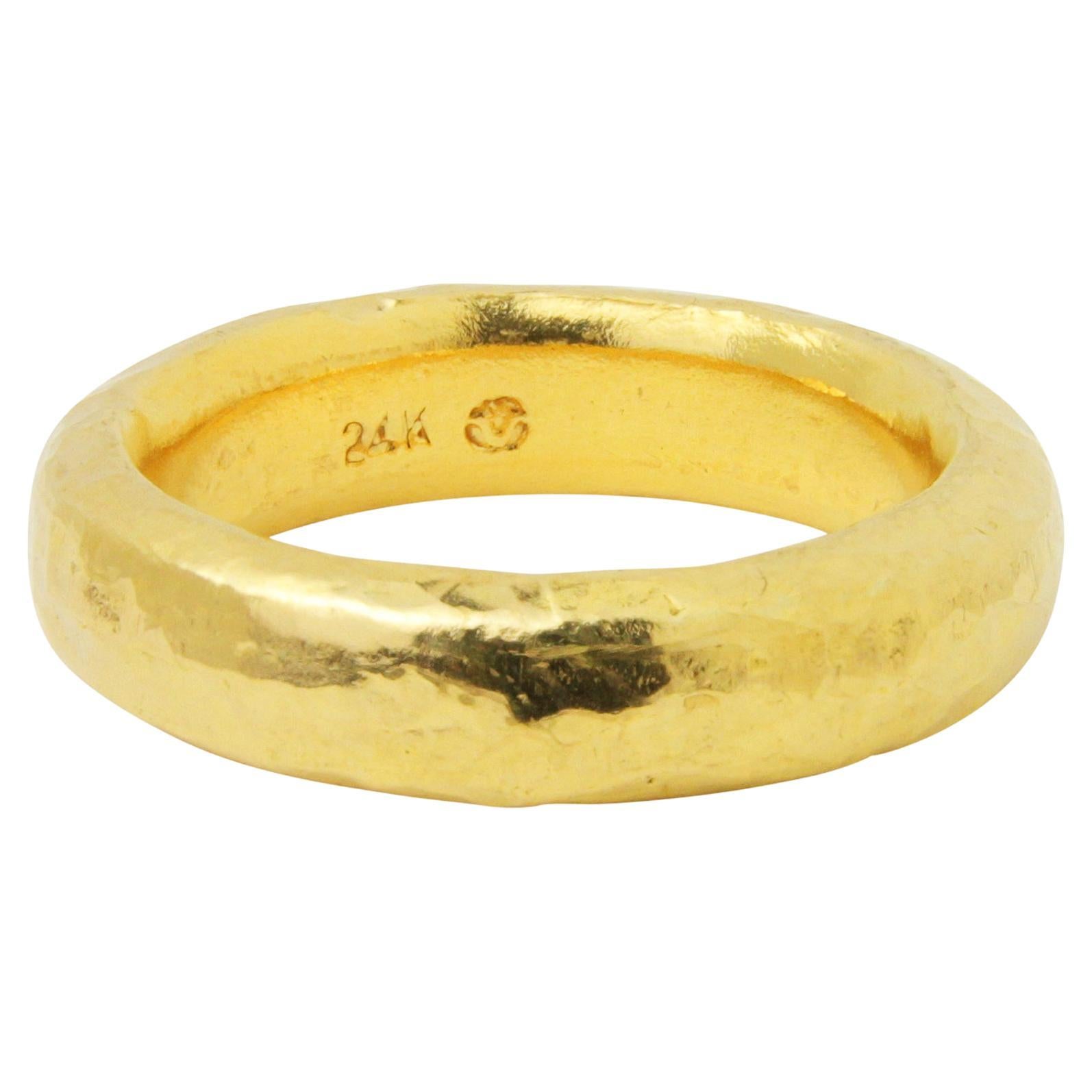
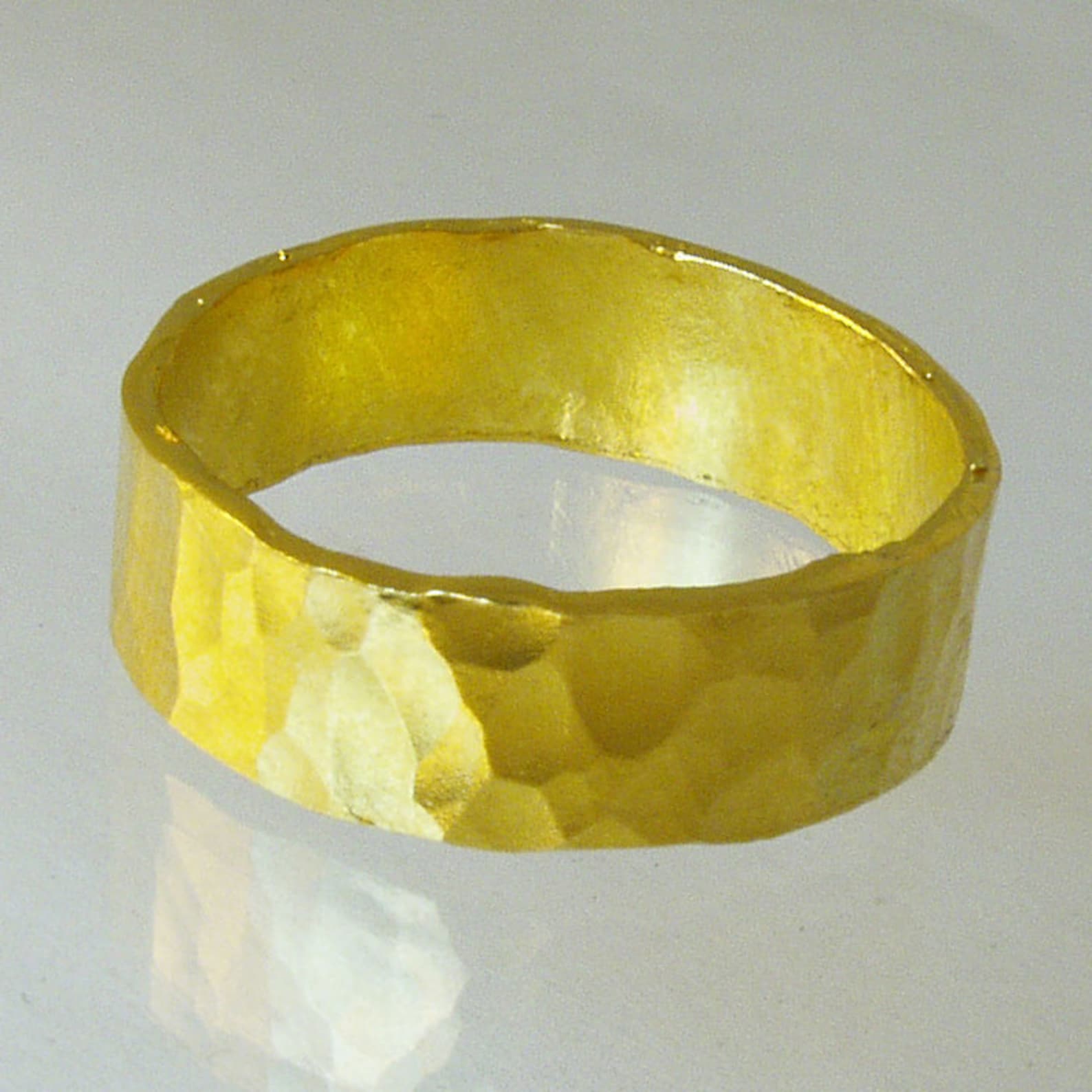
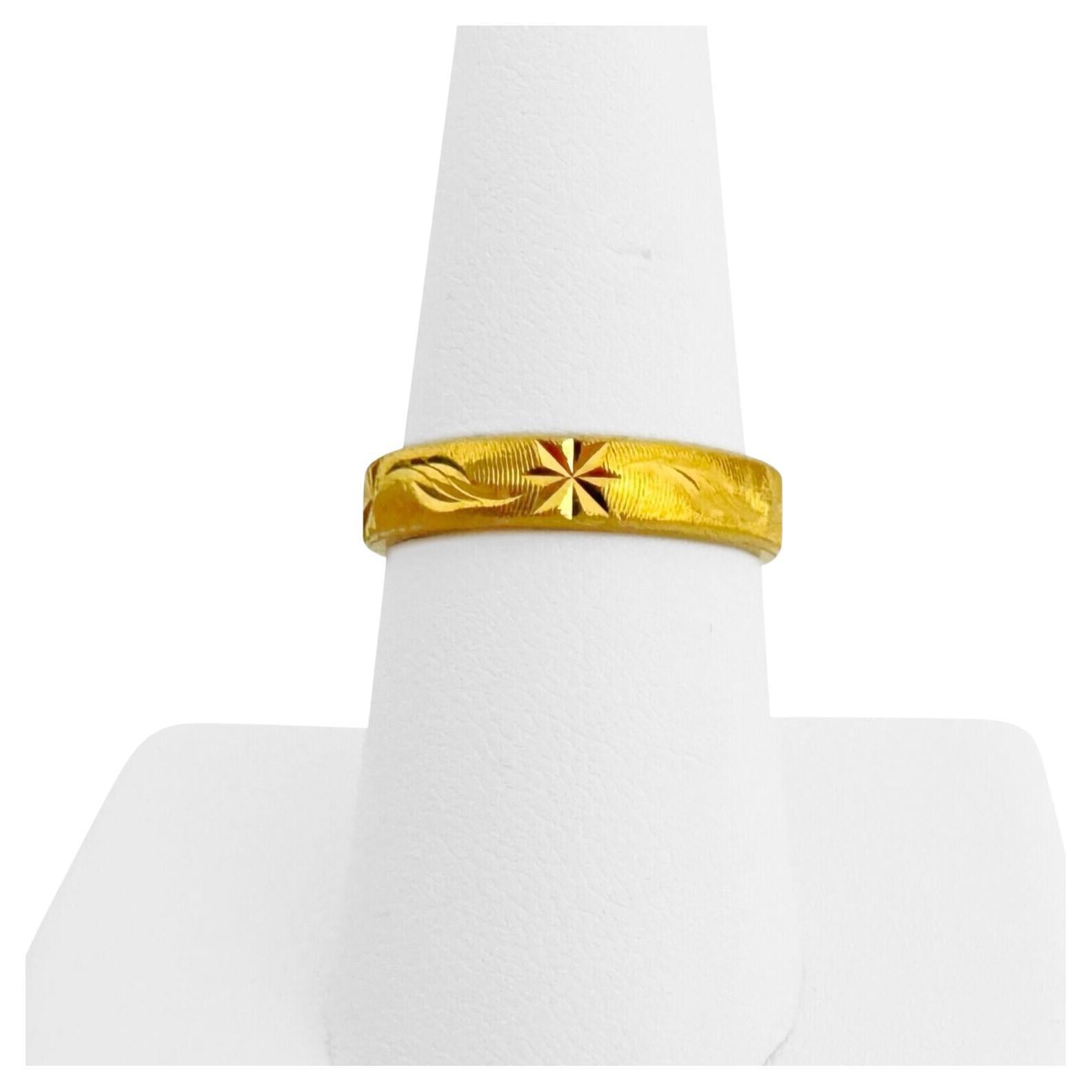
A 24 karat gold wedding ring is crafted from pure, 99.9% gold, representing the highest possible purity for jewelry. Because pure gold is naturally soft and malleable, these rings offer a distinct, deep yellow luster but require careful consideration regarding daily wear, potential for deformation, and the specialized maintenance needed to preserve their pristine appearance over time.
Defining 24 Karat Gold Purity
Gold purity is measured in karats (K), with 24K representing 100% pure gold—or, more accurately in a commercial context, 99.9% gold content. Unlike 14K or 18K gold, which are alloys mixed with metals like copper, silver, or nickel to increase structural integrity, 24K gold contains no significant alloying metals.
This lack of additives gives 24K gold its characteristic "rich" yellow hue, which is significantly more vibrant than the paler, slightly muted tones seen in lower-karat alloys. In many parts of the world, particularly in East and South Asia, 24K gold is the standard for bridal jewelry, representing not only a symbol of commitment but also a form of portable, liquid wealth. However, when purchasing a 24 karat gold wedding ring, it is vital to verify the hallmark. Reputable jewelers will stamp the piece with "999" or "24K" to certify its purity level.
The Trade-off: Softness vs. Brilliance
The primary technical challenge of wearing a 24 karat gold wedding ring is its mechanical property: softness. On the Mohs scale of mineral hardness, pure gold ranks between 2.5 and 3. This makes it roughly as hard as a copper penny or a fingernail.
While this softness allows for intricate, hand-hammered, or brushed textures that are difficult to achieve with harder alloys, it also means the ring is susceptible to surface scratches, nicks, and—if the design is thin—dents or warping. A ring subjected to heavy manual labor, frequent contact with hard surfaces, or repetitive pressure (such as gripping metal gym equipment) will likely show "patina" or wear much faster than an 18K or platinum band. For many, this is seen as part of the item's evolution and unique history, but for those seeking a "factory-new" look throughout their marriage, it is a reality that requires careful management.
Comparing Wedding Band Compositions
Understanding how 24K gold stacks up against standard alternatives is essential for informed decision-making. The following table highlights the physical and practical differences between common gold standards used for wedding rings.
| Gold Karat | Gold Content | Hardness | Suitability for Daily Wear |
|---|---|---|---|
| 24K | 99.9% | Very Low | Limited; prone to scratching and bending |
| 22K | 91.6% | Low | Moderate; slightly harder than 24K |
| 18K | 75.0% | Moderate | High; standard for daily jewelry wear |
| 14K | 58.3% | High | Excellent; best for rings with stone settings |
Practical Considerations for Daily Wear
If you choose a 24 karat gold wedding ring, you are prioritizing purity and investment value over industrial-grade hardness. To maintain the ring’s integrity, consider the following practical steps:
- Design Selection: Opt for a thicker, wider band. A thin or dainty 24K ring is far more likely to bend out of shape (lose its roundness) compared to a heavy, low-profile band. A "comfort fit" design, which has a slightly rounded interior, can help distribute pressure more evenly across the finger.
- Lifestyle Assessment: If your daily routine involves heavy lifting, constant typing against a metal keyboard tray, or construction work, you may choose to remove your ring or wear it on a necklace during those activities.
- The "Patina" Mindset: Embrace the micro-scratches. 24K gold will inevitably develop a "satin" finish over time due to contact with everyday items. Professional polishing can restore the high-gloss shine, but excessive polishing removes small amounts of gold, so it should be limited to once every few years.
Maintenance and Professional Care
Maintaining a 24 karat gold ring requires a gentle touch. Because the metal is soft, it is easily scratched by abrasive cleaning cloths or harsh chemical cleaners.
- Cleaning: Use a solution of warm water and a tiny drop of mild dish soap. Use a soft-bristled brush (like a baby toothbrush) to gently remove skin oils and debris from the crevices. Rinse with clean water and pat dry with a microfiber cloth.
- Chemical Exposure: Keep the ring away from chlorine, which can weaken alloyed metals, and while 24K is technically chemically inert to most cleaners, it is best to avoid exposing the ring to household bleaches or strong acids to prevent surface discoloration or damage.
- Annual Inspections: Visit a jeweler once a year to check for thinning spots. If the ring has been impacted by a heavy blow, a professional can check to ensure the band has not developed stress fractures.
Investment and Resale Value
One of the distinct advantages of a 24 karat gold wedding ring is its intrinsic value. Because it is essentially pure bullion, the ring maintains a closer relationship with the global spot price of gold than 14K or 18K pieces, which have lower gold percentages and higher "fashion" markups.
When buying 24K gold, you are paying for the weight of the metal and the craftsmanship (labor). If you ever decide to sell or trade the ring, the melt-down value will be significantly higher than a lower-karat equivalent of the same weight. However, keep in mind that resale value rarely includes the original markup paid for retail craftsmanship and brand branding. Always keep your purchase documentation and original packaging, as these provide proof of purity and authenticity.
Addressing Common Questions (FAQ)
Can a 24K gold ring be resized easily? Yes. Because 24K gold is soft, it is actually easier for a skilled jeweler to cut and solder than harder alloys. However, because it is so soft, it may also require resizing more often if it stretches over time. Always use a jeweler experienced in high-purity gold working.
Will my 24K ring lose its color over time? No. Unlike plated jewelry (gold-filled or vermeil), which can reveal the base metal underneath when the plating wears off, 24K gold is the same color all the way through. It will not "fade," though it will lose its high-polish shine as it develops surface scratches.
Is 24K gold hypoallergenic? Yes, 24K gold is generally considered hypoallergenic. Because it contains virtually no nickel, copper, or other reactive base metals, it is an excellent choice for individuals with sensitive skin who suffer from contact dermatitis caused by common jewelry alloys.
Why do most jewelers push 14K or 18K instead of 24K? Most jewelers recommend 14K or 18K because they are functionally more durable for stone-setting and daily abuse. They want to avoid customer dissatisfaction related to rings bending or deforming. 24K is a "niche" product for those who value purity over convenience.
Should I wear my 24K ring while swimming or at the gym? It is advised to remove the ring during high-intensity gym sessions to prevent crushing or misshaping. While swimming is generally safe for the metal itself, the water can make your fingers shrink slightly due to temperature changes, increasing the risk of the ring slipping off in the ocean or pool.
Next Steps for Buyers
Before finalizing a purchase, ensure you are buying from a reputable vendor who provides a certificate of authenticity or a metallurgical assay report if you are buying a significant amount of weight. Inspect the ring for any signs of "porosity" (tiny holes in the metal) or uneven finishing. Finally, verify the ring size carefully; since 24K is soft, resizing it too many times can slightly weaken the structural integrity of the band over the course of decades.