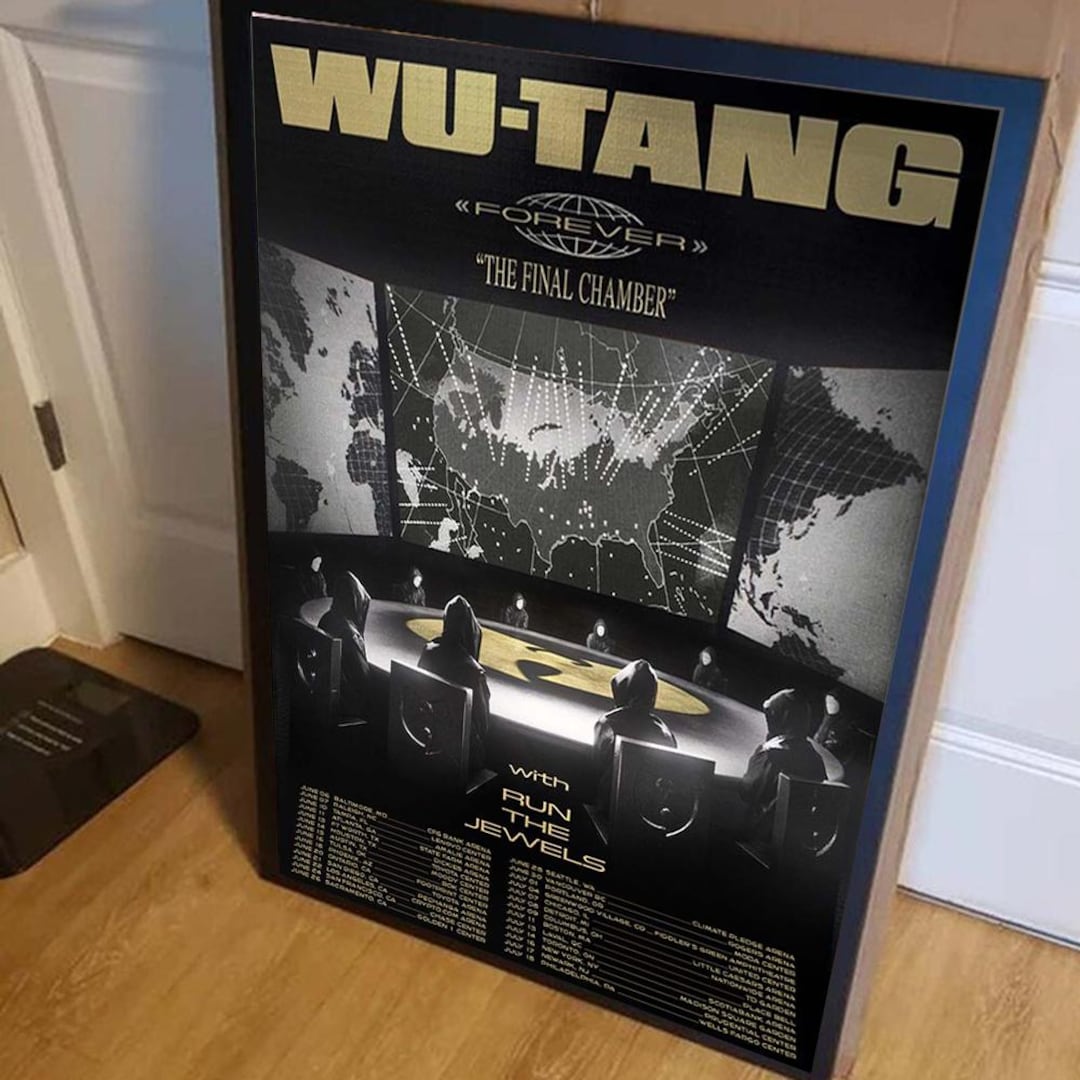
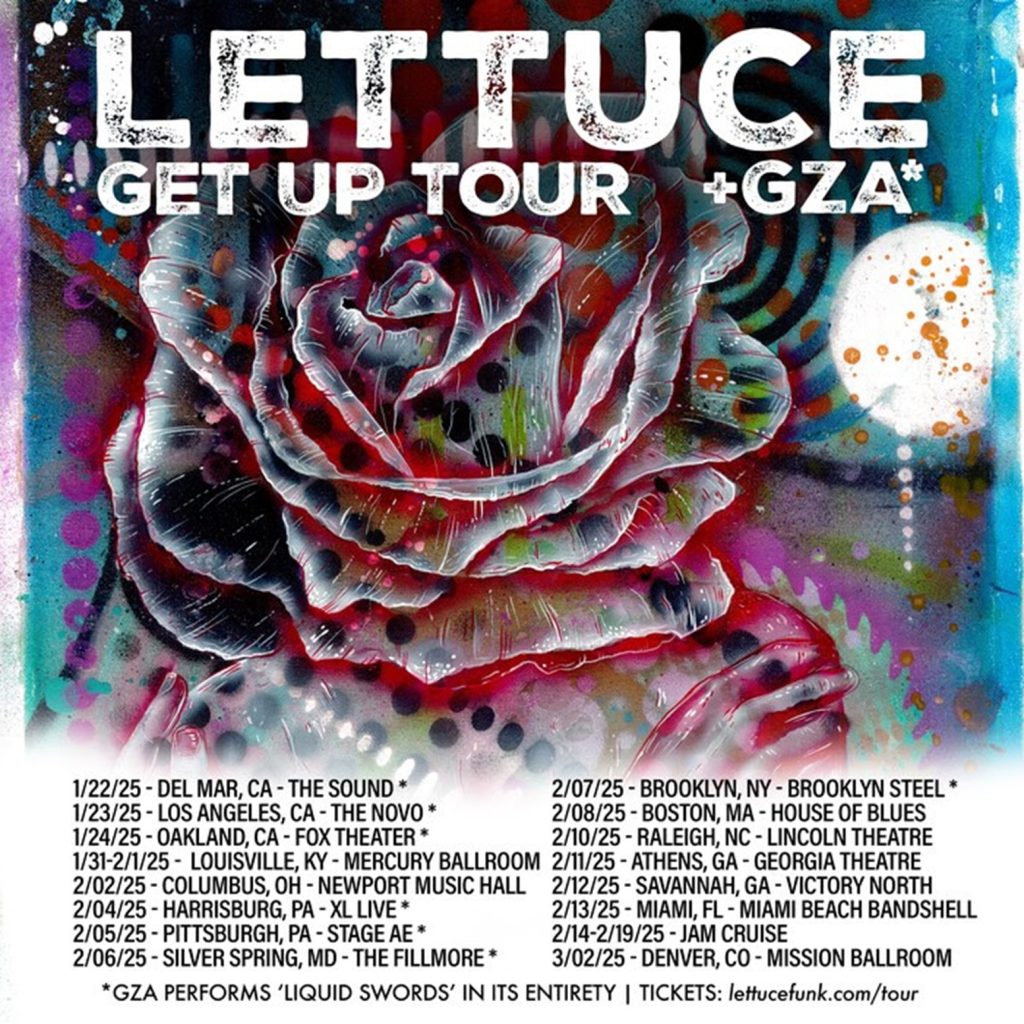
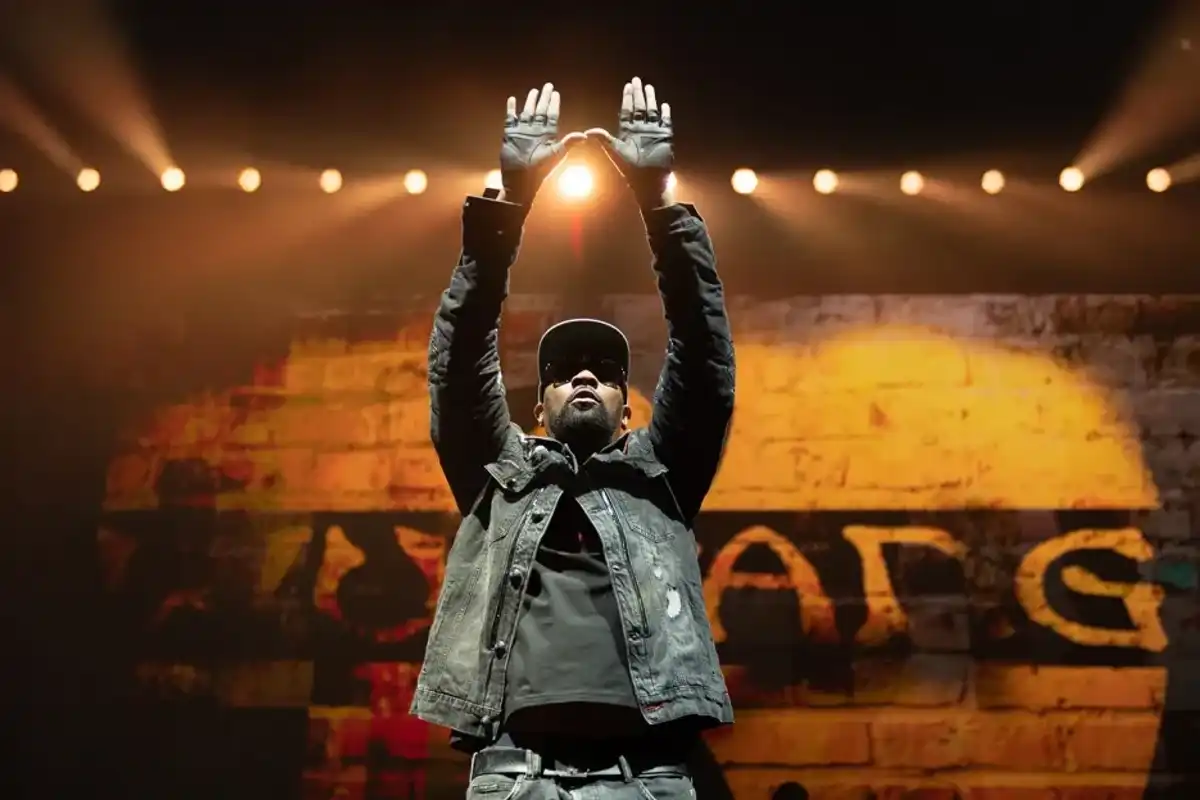
The 2025 Wu-Tang Clan tour dates represented a significant period for hip-hop performance history, characterized by high-profile residency engagements and major festival appearances. While the year 2025 has concluded, understanding the scheduling, logistics, and performance scope of these events provides essential context for evaluating the group's ongoing live legacy and the operational strategies behind legendary hip-hop tours.
The Significance of the 2025 Tour Cycle
The Wu-Tang Clan’s touring activities in 2025 were defined by a shift away from traditional multi-city arena tours toward more concentrated, high-impact residencies and curated event showcases. For fans and industry analysts alike, this period marked a deliberate departure from the standard "concert circuit" model. By anchoring their performances in specific, high-capacity venues—most notably in Las Vegas—the group was able to produce a more immersive technical experience that utilized advanced visual production values, which are often difficult to replicate in back-to-back travel schedules.
This strategy served several purposes. First, it reduced the logistical strain on the ensemble, which features numerous individual solo artists with independent professional commitments. Second, it allowed for a deeper exploration of the "36 Chambers" sonic aesthetic, integrating complex stage design, historical archival footage, and high-fidelity sound engineering that required a static stage setup.
Breakdown of Key Performance Segments
The 2025 schedule can be categorized into three distinct operational modes: the residency period, the international festival circuit, and select anniversary commemorative shows.
The Las Vegas Residency
The centerpiece of the 2025 touring calendar was the group’s residency at the Theater at Virgin Hotels Las Vegas. This series, titled Wu-Tang Clan: The Saga Continues, acted as the anchor for their live performance strategy throughout the first half of the year.
- Production Quality: Unlike transient tour dates, the residency allowed the collective to stabilize their technical requirements. This included custom lighting rigs, multi-layered digital displays that tracked the group’s history from the early 1990s, and a consistent sound reinforcement system calibrated specifically for the acoustics of the venue.
- Operational Format: The residency dates were typically structured as weekend runs. This allowed the members of the collective to maintain focus on their individual creative projects during the week while ensuring that fans could plan travel around predictable, non-moving targets.
- Capacity and Access: Because the venue was fixed, ticket distribution relied on standard primary ticketing platforms rather than the often-fragmented regional ticket brokers typical of a nationwide tour.
International Festival Appearances
In addition to the residency, 2025 featured specific, high-profile appearances at international music festivals. These dates served as the global outreach component of their 2025 strategy. Unlike the residency shows, these festival slots were shorter, high-intensity performances designed to distill the group’s expansive catalog into a "greatest hits" format.
These appearances were critical for the group’s presence in Europe and parts of Asia, where the collective maintains a massive, multi-generational fan base. The logistical requirements for these shows were vastly different from the residency, requiring the group to adapt to diverse stage sizes, variable sound check times, and different production hardware providers.
Comparative Overview of Tour Formats
To understand the 2025 touring strategy, it is useful to compare the logistical differences between the residency model and the traditional touring model.
| Feature | Residency Model (2025) | Traditional Touring Model |
|---|---|---|
| Logistics | Static; minimal transport of equipment | Highly mobile; frequent equipment setup/breakdown |
| Stage Production | High; complex, permanent installs | Scalable; limited by venue hardware |
| Attendance | Destination-based; international draw | Local/Regional; proximity-based |
| Performance Length | Extended; allows for deep-cut sets | Fixed; industry standard for festival slots |
| Ticketing | Centralized; predictable pricing | Fluctuating; demand-based dynamic pricing |
Logistics and Attendee Requirements
For those analyzing the 2025 tour data, it is necessary to recognize the requirements imposed on attendees. Managing a multi-member group like the Wu-Tang Clan requires a high degree of coordination between the venue security, the production team, and the audience.
Venue Requirements
Residency venues in 2025 necessitated specific health and safety protocols common to large-scale indoor events. Attendees were required to comply with venue-specific digital ticketing protocols. In instances where secondary market tickets were purchased, verification through authorized transfers was essential to avoid fraudulent credentials.
Understanding Ticket Dynamics
The 2025 tour dates saw significant use of "Dynamic Pricing" models. This practice, while controversial, became standard for high-demand acts. When reviewing historical ticket costs for these dates, it is important to note that the price for the same seat category could vary drastically depending on the time of purchase and the fluctuating demand metrics managed by the ticketing platform’s algorithms.
Frequently Asked Questions Regarding 2025 Dates
How many members were typically present at 2025 tour dates?
While the full lineup depends on the individual schedules of each member, the 2025 residency dates generally maintained a core group of key performers. It was standard for the group to rotate availability, though the most prominent members remained a consistent fixture throughout the residency schedule.
Was the 2025 tour a continuation of a specific album cycle?
The 2025 tour dates were not tied to a singular new album release. Instead, they functioned as a retrospective of the group's thirty-plus-year career. The sets were heavily curated to celebrate the legacy of their debut album and subsequent collective works, rather than promoting a new studio project.
Where can I find the official setlists for these dates?
While official setlists for specific nights can be difficult to verify through one central portal, community-driven concert archives like Setlist.fm have captured the majority of the 2025 performance data. These platforms rely on fan submissions and concert-goer evidence to verify which tracks were performed at specific venues.
Were the 2025 residency dates considered a "final" tour?
There was no official designation of the 2025 dates as a farewell or final tour. The residency format was marketed as an "experience" rather than a farewell. Fans should interpret the 2025 schedule as a strategic choice in venue selection rather than a conclusion to the group's performing career.
How did the 2025 dates compare to previous anniversary tours?
The 2025 dates were more localized than the expansive "25th Anniversary" tours of previous years. By moving away from massive stadium tours, the group prioritized the quality and technical output of each show, opting for fewer, more controlled environments.
Lessons Learned from the 2025 Scheduling Strategy
The 2025 tour cycle provides a blueprint for legacy hip-hop acts looking to maximize their impact while minimizing the physical toll of constant touring. By shifting toward residency-style performances, the Wu-Tang Clan proved that legacy acts could maintain relevance without the necessity of grueling travel schedules.
For future concert organizers and fans, the key takeaway is the importance of venue selection. The success of the 2025 residency was largely due to the synergy between the group’s visual requirements and the specific infrastructure of the theater they selected. When looking back at these dates, one should see not just a series of concerts, but a deliberate effort to elevate the live hip-hop performance to a higher technical standard.
Moving forward, this model is likely to be adopted by other long-standing musical collectives seeking to balance professional longevity with the demand for high-tier production values. If you are researching these dates for archival purposes or historical analysis, focusing on the venue’s technical specifications—rather than just the calendar dates—will yield the most accurate understanding of the 2025 experience.