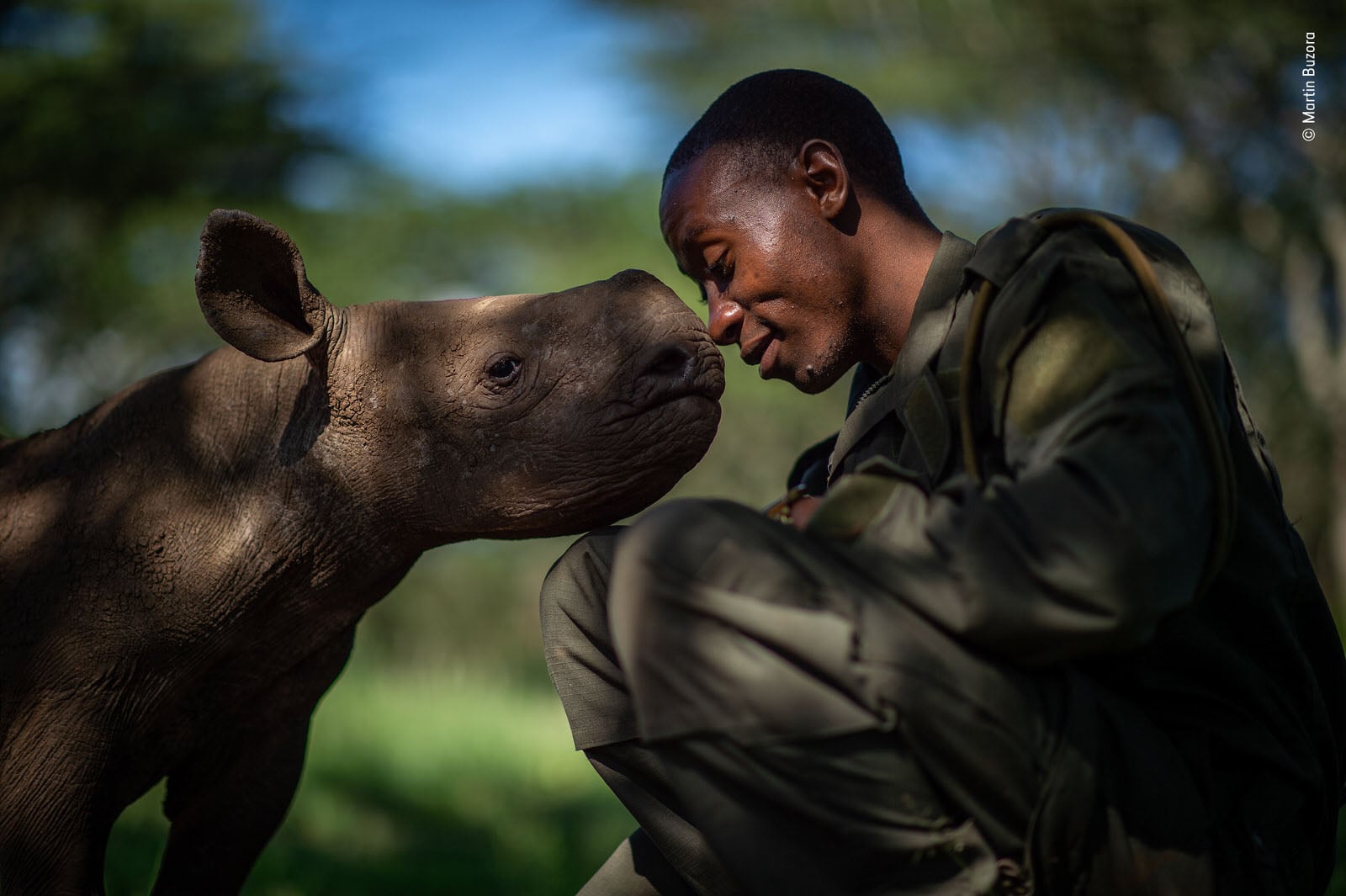
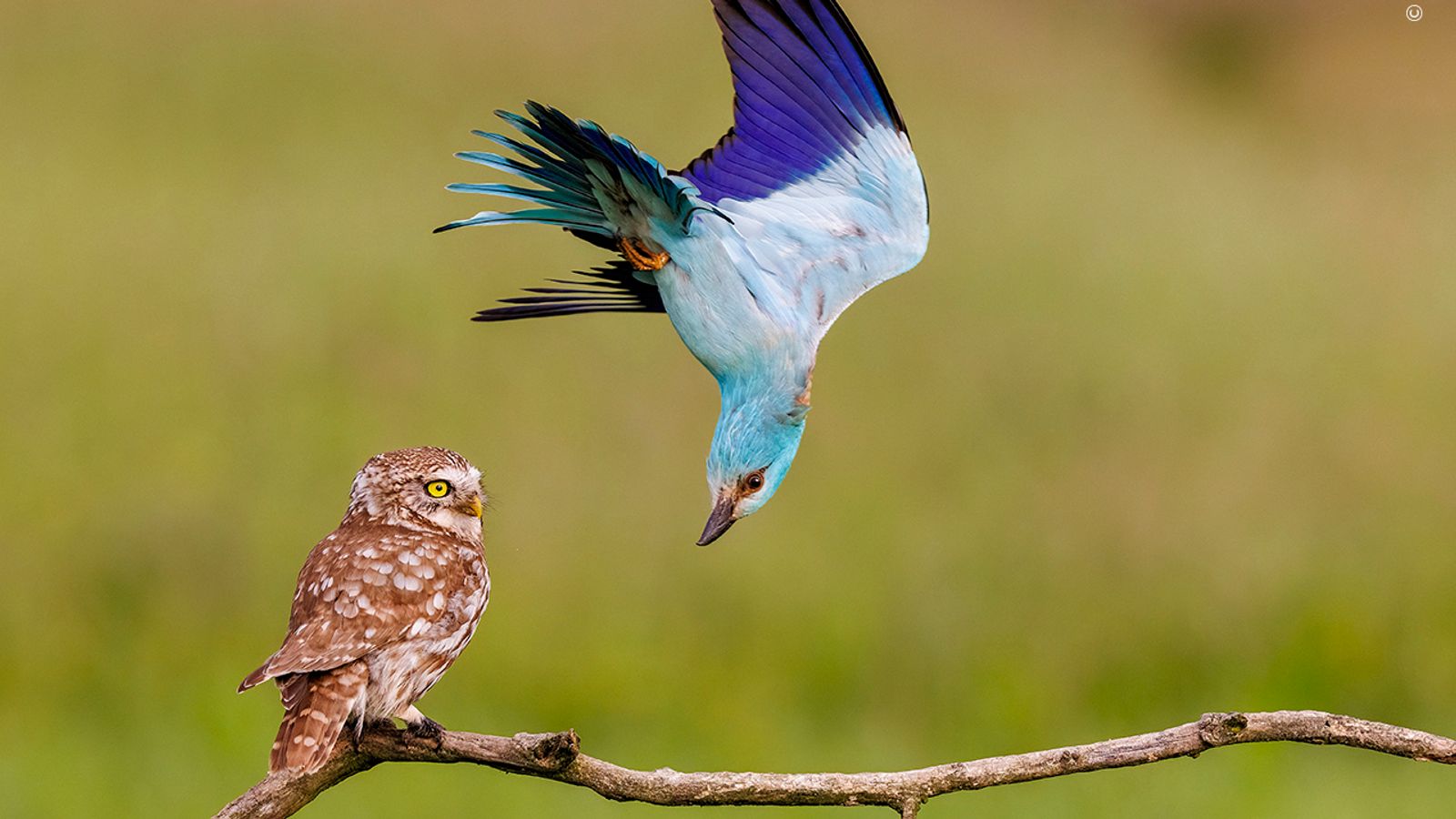
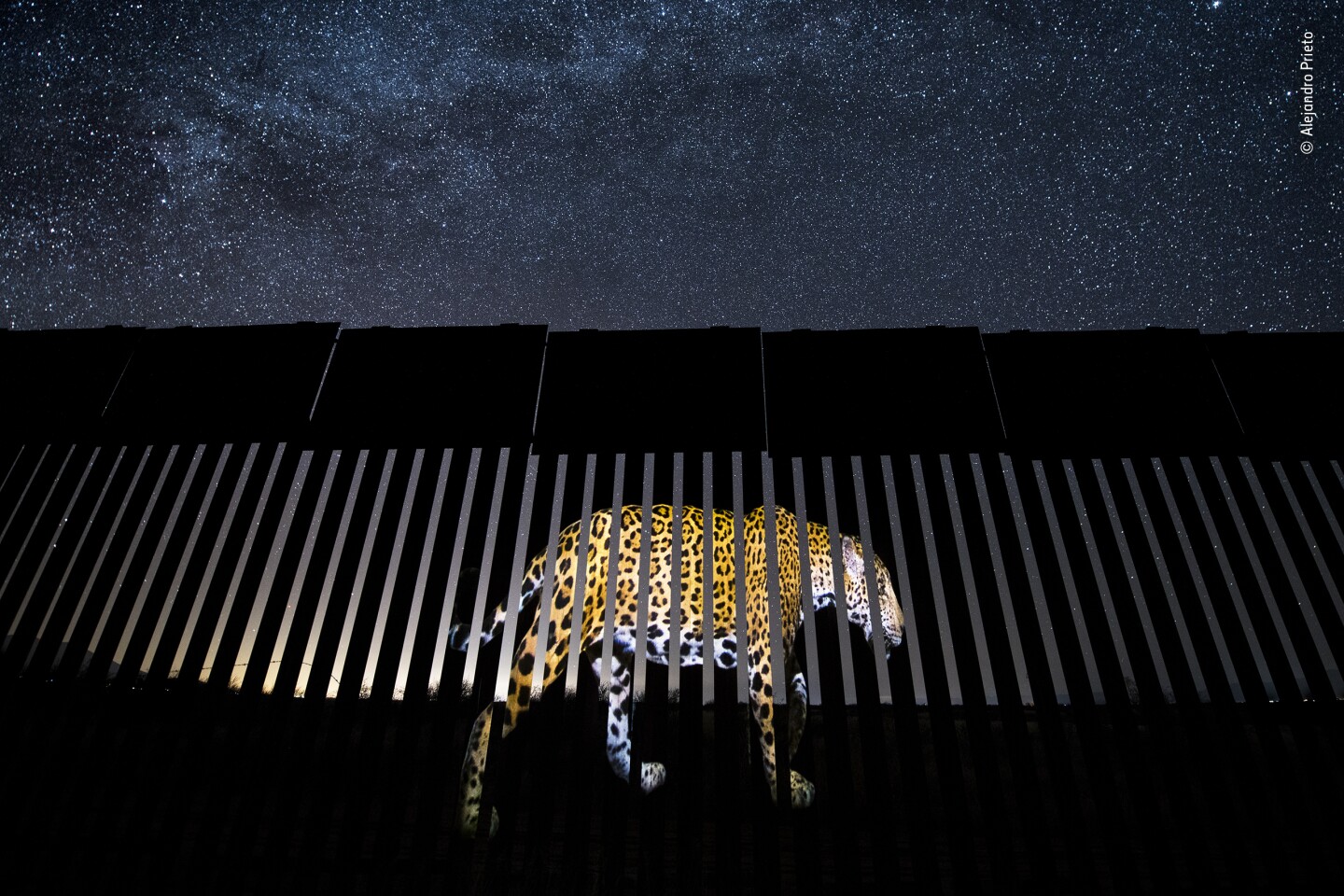
The title of 2019 Wildlife Photographer of the Year was awarded to Chinese photographer Yongqing Bao for his remarkable photograph "The Moment," depicting a high-stakes confrontation between a Tibetan fox and a stunned Himalayan marmot. Organised by London's Natural History Museum, the 55th annual competition celebrated groundbreaking fieldcraft, technical execution, and compelling ecological storytelling.
The 55th Wildlife Photographer of the Year Competition
Organised annually by the Natural History Museum, London, the Wildlife Photographer of the Year (WPY) competition is internationally recognised as the pinnacle of nature photography. Established in 1965, the contest has grown from an initial showcase of 361 entries into a premier global exhibition receiving roughly 48,000 to 50,000 submissions annually from nearly 100 countries.
The 2019 edition marked the 55th anniversary of the competition. Entries were evaluated across an array of categories, including animal portraits, behaviour (mammals, amphibians, birds, invertebrates), plants and fungi, urban wildlife, earth environments, and photojournalism.
Judges look beyond technical competence. Each submission is judged anonymously on three fundamental pillars:
- Originality: Unseen perspectives, unusual animal behaviours, or novel compositions.
- Narrative Value: The capacity of an image to tell a nuanced ecological or conservation story.
- Ethical Rigour: Absolute compliance with strict welfare guidelines. Staged compositions, live baiting, and intrusive manipulation are grounds for immediate disqualification.
The 2019 contest highlighted remote ecosystems under pressure, from the fragile alpine plateau of the Qinghai-Tibet region to the darkening depths of Indonesia’s coral reefs.
Overall Winner: Yongqing Bao and "The Moment"
The top honour—Wildlife Photographer of the Year 2019—went to Chinese nature photographer Yongqing Bao for his extraordinary frame titled "The Moment."
Captured in the Qilian Mountains National Nature Reserve on the northeastern edge of the Tibetan Plateau, the photograph frames a life-or-death encounter between two native species: a female Tibetan fox (Vulpes ferrilata) rearing three hungry cubs, and an alarmed Himalayan marmot (Marmota himalayana).
- Subject Interaction: [Tibetan Fox] (Low-angle stalk) executes a Predatory Charge toward [Himalayan Marmot] (Mid-air startle, open mouth)
- Capture Details: 0.001s Exposure
- Resulting Work: "The Moment" - Qilian Mountains
The Story Behind the Shot
The high-altitude grasslands of the Tibetan Plateau sit more than 4,500 metres above sea level. Winters are brutally cold, and spring brings a frantic rush for survival. Yongqing Bao spent hours observing the interactions of plateau wildlife, acclimating to sub-zero temperatures and thin air.
On the day of the capture, Bao observed the fox lying flat in a meadow near a marmot burrow. The fox remained motionless for an extended period, stalking patiently. When the marmot emerged from its underground winter torpor to forage, it failed to notice the predator until the fox sprang forward.
Bao reacted instantaneously, firing a rapid burst. The winning frame captures the marmot frozen mid-air, paws raised and mouth wide in a startle response, while the fox bears down with predatory precision. The exposure freezes raw instinct: humour and terror locked in an identical fraction of a second.
Technical Breakdown of "The Moment"
- Camera Body: Canon EOS-1D X
- Lens: Canon EF 800mm f/5.6L IS USM
- Exposure Settings: 1/2500 sec at f/8
- ISO Sensitivity: ISO 400
- Support: Tripod with gimbal head
Achieving critical sharpness at an 800mm focal length requires exceptional discipline. At high magnifications, even the vibration of mirror slap or wind buffeting can soften fine details around the fur, eyes, and claws. Bao's choice of 1/2500 sec eliminated subject motion blur during the explosive strike, while an aperture of f/8 expanded depth of field just enough to retain sharp focus across both animals across slightly different focal planes.
Young Wildlife Photographer of the Year: Cruz Erdmann
The Young Wildlife Photographer of the Year 2019 title was presented to 14-year-old Cruz Erdmann for his photograph "Night Glow," captured in the Lembeh Strait off North Sulawesi, Indonesia.
The Luminescence of the Lembeh Strait
Erdmann earned his scuba certification at age 10 and had logged extensive bottom time before taking the award-winning image. While diving in pitch-black waters at an organised night dive, he spotted a bigfin reef squid (Sepioteuthis lessoniana) swimming above the substrate.
Using an underwater strobe balanced carefully against the ambient water column, Erdmann captured the cephalopod's dynamic iridescence. As the squid undulated, its chromatophores fired rapidly, displaying shimmering bands of teal, neon green, and gold against the ink-black ocean background.
Technical Execution Underwater
- Camera Body: Canon EOS 5D Mark III
- Lens: Canon EF 100mm f/2.8L Macro IS USM
- Housing: Ikelite underwater housing
- Lighting: Dual Inon external strobes
- Exposure Settings: 1/125 sec at f/22, ISO 100
Underwater macro photography at night is technically unforgiving. The photographer must manage buoyancy perfectly to avoid disturbing fine silt on the seabed, adjust strobe angles to prevent backscatter (light reflecting off suspended marine particles), and acquire accurate focus on a moving, translucent subject in low-contrast conditions. Erdmann’s small aperture (f/22) ensured comprehensive depth of field across the squid’s mantle and tentacles.
2019 Category Highlights and Award-Winning Imagery
The 2019 competition produced an exceptional roster of category champions whose images highlighted behavioural nuance and urgent conservation issues.
1. Urban Wildlife: Charlie Hamilton James – "The Rat Pack"
Shot in Manhattan’s Pearl Street district near Wall Street, British photographer Charlie Hamilton James spent months profiling brown rats (Rattus norvegicus). Rather than portraying the rodents with revulsion, James used a remote-triggered camera tucked inside an exterior wall cavity, using wide-angle perspective and subtle external lighting to highlight their social hierarchy and resourcefulness.
2. Behaviour: Invertebrates: Audun Rikardsen – "Early Riser"
Norwegian biologist and photographer Audun Rikardsen spent three years planning a split-level shot of a capercaillie displaying on a coastal branch over a Norwegian fjord. Rikardsen custom-built a flash system and motion-trigger apparatus that allowed the camera to sit exposed to Arctic elements for weeks until the bird adopted its traditional perch at dawn.
3. Photojournalism: Brent Stirton – "Feeding the Orphan"
South African conservation photojournalist Brent Stirton was honoured for his sustained documentation of the illegal wildlife trade. His winning work captured an orphaned pangolin held by a carer in an African rescue sanctuary. Pangolins remain among the world's most heavily trafficked wild mammals due to illicit demand for their scales in traditional medicine and meat on black markets.
4. Animal Portraits: Stefan Christmann – "The Huddle"
Stefan Christmann documented thousands of male emperor penguins (Aptenodytes forsteri) packed tightly against the brutal Antarctic winter winds of Atka Bay. His image conveyed the structural mechanics of the huddle, where birds cycle continuously from the freezing periphery to the sheltered interior to protect their single eggs.
Technical and Compositional Comparison of Key 2019 Winners
The following table contrasts the gear, settings, and environmental obstacles encountered by the principal winners of the 2019 competition:
| Category / Image Title | Photographer | Subject Matter | Primary Gear | Camera Settings | Primary Field Challenge |
|---|---|---|---|---|---|
| Grand Title Winner"The Moment" | Yongqing Bao (China) | Tibetan Fox & Himalayan Marmot | Canon EOS-1D XEF 800mm f/5.6L IS | 1/2500s, f/8,ISO 400 | Extreme altitude (4,500m+), sub-zero conditions, unpredictability of strike behaviour. |
| Young Grand Title"Night Glow" | Cruz Erdmann (New Zealand) | Bigfin Reef Squid | Canon EOS 5D Mk IIIEF 100mm f/2.8L Macro | 1/125s, f/22,ISO 100 | Night buoyancy control, lighting a translucent subject without generating backscatter. |
| Urban Wildlife"The Rat Pack" | Charlie Hamilton James (UK) | Brown Rats in New York City | Sony α7R III16-35mm f/4 lens | 1/30s, f/11,ISO 1600 | Public space permits, light positioning, remote sensor calibration in urban filth. |
| Behaviour: Invertebrates"Early Riser" | Audun Rikardsen (Norway) | Capercaillie display | Custom Canon DSLR setupUltra-wide prime | 1/500s, f/14,ISO 800 | Weatherproofing camera trap for sub-Arctic coastal storms across multi-week periods. |
| Animal Portraits"The Huddle" | Stefan Christmann (Germany) | Emperor Penguins | Nikon D81070-200mm f/2.8 | 1/250s, f/8,ISO 200 | Severe Antarctic frostbite risks (-40°C), battery drain, wind-blown drift ice. |
Fieldcraft and Ethics: Lessons from the 2019 Selections
The 2019 Wildlife Photographer of the Year gallery serves as a masterclass in modern wildlife photography principles. For field practitioners, these winning images illustrate four critical operational standards.
- Ethically Driven Wildlife Photography
- Biological Familiarity
- Habitats & migratory cycles
- Body language monitoring
- Minimised acoustic profile
- Hardware Discipline
- Shutter speed calculation
- Aperture management for DOF
- Low-light ISO management
- Total Habitat Integrity
- No baiting or manipulation
- Zero intrusion / alteration
- True field-state reporting
- Biological Familiarity
Deep Species Knowledge Trumps Equipment
Yongqing Bao did not capture "The Moment" through accidental discovery. His success relied on an intimate comprehension of plateau ecology:
- He knew the marmot's winter emergence timing.
- He understood the denning cycle of the Tibetan fox and its nutritional demands while rearing a litter.
- He read the postural cues of the fox as it dropped low into predatory stalking mode.
Without this biological literacy, having an 800mm telephoto lens produces only distant, unremarkable images. Successful wildlife photography starts with fieldcraft, animal tracking, and extended observation before lifting the viewfinder.
Managing High-Contrast Lighting and Dynamic Range
Several winning entries in 2019 confronted harsh, extreme lighting environments:
- Snow and Ice: Stefan Christmann had to prevent clipped highlights across sunlit Antarctic snow while resolving dark plumage in the penguin huddle. Overexposing snow destroys texture; underexposing turns ice muddy. Relying on spot metering and histogram checks ensured balanced exposures.
- Marine Darkness: Cruz Erdmann used manual flash power to avoid washing out the squid’s delicate tissue. Balancing output through narrow strobes rather than broad floods isolated the cephalopod against its background.
Absolute Ethical Authenticity
The Wildlife Photographer of the Year jury enforces strict digital and physical ethics. Submitted RAW files are systematically compared against exported JPEGs to verify:
- No Structural Alteration: Adding, cloning, or removing background distractions, branches, or animals results in swift disqualification.
- Natural Tonal Mapping: Extreme saturation, local contrast painting, and unnatural edge halos are flagged during inspection.
- Animal Welfare Integrity: Staged shots using captive animals or baiting predators with tethered prey are strictly forbidden. The Natural History Museum disqualified notable past entries when external investigations revealed animal baiting or taxidermy. The authenticity of Bao's image stems from genuine, unmanipulated wild drama.
Technical Checklist for Aspiring Wildlife Photographers
Photographers seeking to elevate their wildlife work to competition standards should use a structured field checklist:
- Calculate the Minimum Shutter Speed for Fast Action
- Use the rule of focal length reciprocals as a baseline, then double it for fast-moving wildlife. For a 500mm lens tracking birds or predators, set your shutter to at least 1/2000 sec or faster.
- Select Autofocus Modes Carefully
- Set the camera to continuous autofocus (AF-C / AI Servo).
- Map focus activation to a rear button (Back-Button Focus). This decouples AF activation from the shutter release, preventing accidental refocussing when an animal momentarily obscures itself behind brush.
- Employ animal-eye detection modes when shooting close portraits, but switch to small single-point or dynamic group AF when shooting through high vegetation.
- Calibrate Aperture to Subject Distance
- Avoid shooting wide open (e.g., f/2.8 or f/4) at close ranges. The depth of field can be paper-thin, leaving the animal's nose sharp while the eyes fall out of focus. Stop down to f/5.6 or f/8 to keep the subject's entire head plane critically sharp.
- Preserve RAW Files and Meta Integrity
- Always shoot in uncompressed or lossless compressed RAW. Retain original camera memory cards intact with original sequence bursts. Major competitions require original, unmodified camera RAW files directly from the sensor to verify scene authenticity.
Frequently Asked Questions
Who won the Wildlife Photographer of the Year in 2019?
Chinese photographer Yongqing Bao won the grand title of Wildlife Photographer of the Year 2019 with his image titled "The Moment." The photograph depicts a life-or-death encounter on the Tibetan Plateau between a predatory female Tibetan fox and a startled Himalayan marmot.
What camera and lens took the winning 2019 image "The Moment"?
Yongqing Bao used a professional-grade full-frame DSLR, the Canon EOS-1D X, paired with a Canon EF 800mm f/5.6L IS USM super-telephoto lens. His settings were 1/2500 second at f/8, ISO 400, supported on a stable tripod.
Who was the 2019 Young Wildlife Photographer of the Year?
The young grand title was awarded to Cruz Erdmann, a 14-year-old diver and photographer from New Zealand. His winning photograph, "Night Glow," was an underwater macro portrait of a glowing bigfin reef squid taken during an organised night dive in the Lembeh Strait, Indonesia.
What are the main rules regarding image manipulation in WPY?
The Wildlife Photographer of the Year contest enforces strict authenticity criteria. Digital adjustments must remain faithful to what was witnessed in the field. Photographers are allowed minor adjustments to tone, contrast, colour balance, and cleaning dust spots. However, removing objects, composite blending, cloning pixels, AI generation, and digital staging are barred. Entrants must supply original RAW files during final rounds to certify compliance.
Where can the winning 2019 images be viewed?
The winning images are permanently archived on the Natural History Museum's Wildlife Photographer of the Year portfolio. The physical exhibition toured international museums, cultural centres, and regional galleries after its premiere at the Natural History Museum in London.
Practical Next Steps for Wildlife Photographers
To prepare work for professional exhibition or submission to major contests like the Wildlife Photographer of the Year:
- Study Local Species Dynamics: Choose one accessible wildlife subject within your immediate bioregion. Rather than travelling to distant ecosystems, invest weeks learning the movements, feeding windows, and seasonal behaviours of a local mammal, bird, or amphibian.
- Audit Your Submission Ethics: Practice documenting the wild world with zero disturbance. Never use digital calls to lure territorial birds during nesting periods, never alter vegetation around nests, and never bait carnivores.
- Organise Your RAW Archive: Build a dedicated archival workflow preserving camera-original RAW files with intact EXIF metadata, alongside continuous sequence shots. When judging panels request verification proofs, having unaltered sequential exposures immediately accessible is essential to validating your entry.