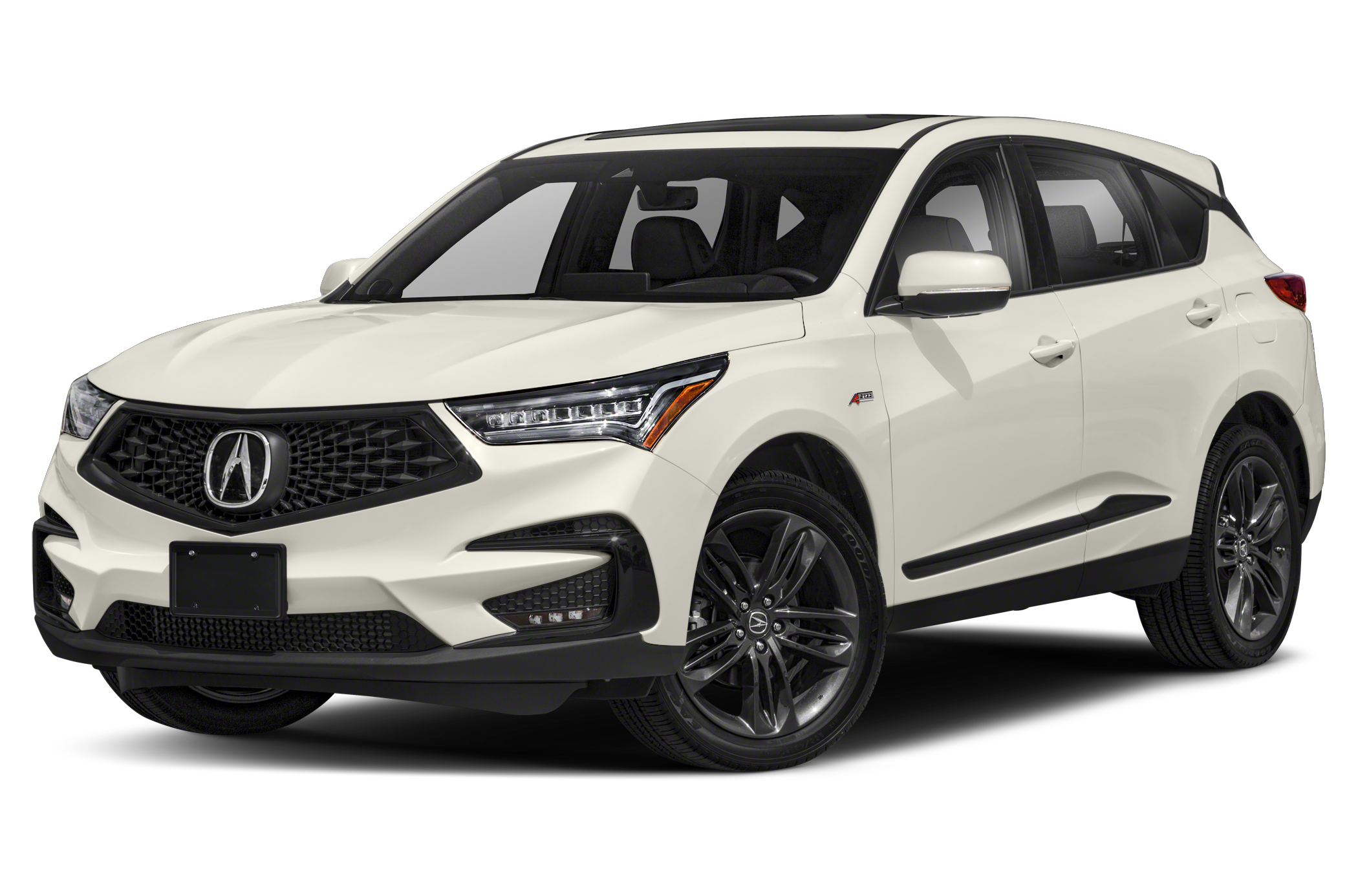
The 2019 Acura RDX delivers a 0-60 mph acceleration time of approximately 6.2 to 6.3 seconds. This performance is achieved through the integration of a 2.0-liter turbocharged VTEC engine producing 272 horsepower and 280 lb-ft of torque, paired with a 10-speed automatic transmission. The RDX’s performance profile balances swift acceleration with refined daily driving characteristics.
The 2019 model year represented a significant pivot for the Acura RDX. Abandoning the previous generation's naturally aspirated V6, Acura introduced a new platform featuring a high-output turbocharged inline-four engine. For enthusiasts and prospective buyers evaluating this crossover, understanding the performance implications of this shift is essential. The RDX does not aim to be a dedicated sports car, but it occupies a unique segment that prioritizes responsive power delivery and mechanical efficiency in a premium utility package.
The Technical Foundation of RDX Performance
To understand why the 2019 RDX performs as it does, one must look at the powertrain architecture. Acura moved away from the 3.5-liter V6 to a direct-injected 2.0-liter turbocharged DOHC engine. While the loss of two cylinders might initially suggest a reduction in capability, the torque curve tells a different story. The engine generates its peak 280 lb-ft of torque starting at just 1,600 RPM and holding through 4,500 RPM. This is the primary driver of the vehicle’s respectable 0-60 mph sprint; it provides immediate thrust where it is needed most—in city traffic and highway merging scenarios.
The engine is mated to a 10-speed automatic transmission, which serves as a critical bridge between engine power and the road. Unlike older six-speed gearboxes, the 10-speed allows the vehicle to keep the engine within its optimal power band more consistently. The transmission’s ability to downshift multiple gears instantly allows for assertive overtaking, contributing to the subjective feeling of performance that often exceeds what the raw 0-60 stopwatch numbers might suggest.
Super Handling All-Wheel Drive (SH-AWD) Impact
The performance of the 2019 RDX is heavily influenced by the availability of Acura’s Super Handling All-Wheel Drive (SH-AWD). This is a torque-vectoring system that does more than simply distribute power between the front and rear axles. It can shift up to 70% of torque to the rear wheels and then distribute that power independently between the left and right rear wheels.
In a standing-start acceleration test (the 0-60 run), the SH-AWD system provides superior traction compared to the front-wheel-drive (FWD) model. By effectively eliminating wheel slip, the AWD system ensures that the engine's 280 lb-ft of torque is translated into forward momentum rather than friction and noise. While the weight penalty of the AWD system adds roughly 100 to 150 pounds to the curb weight of the vehicle, the launch advantage typically results in more consistent acceleration times.
Driving Modes and Performance Tuning
Acura equipped the 2019 RDX with an Integrated Dynamics System (IDS), which allows drivers to tailor the vehicle's responsiveness. The system includes four modes: Snow, Comfort, Sport, and Sport+. These settings do not change the engine's mechanical output, but they fundamentally alter how the vehicle delivers that power.
In Sport+ mode, the transmission logic is sharpened to hold gears longer and execute faster shifts. The throttle mapping becomes more aggressive, reducing the delay between pedal input and engine response. For a driver attempting to achieve the optimal 0-60 sprint, utilizing Sport+ is essential. It minimizes the time spent in the lower gear ratios and keeps the turbocharger spooled, effectively cutting tenths of a second off the acceleration time compared to the Comfort setting, which favors smooth, fuel-efficient gear transitions.
Comparative Performance Metrics
When assessing the 2019 RDX, it is helpful to place its performance within the context of the luxury compact crossover segment as it stood during the vehicle's release. Competitors such as the BMW X3 (xDrive30i) and the Audi Q5 (45 TFSI) were the primary benchmarks.
| Vehicle Model | Est. 0-60 Time (Seconds) | Powertrain |
|---|---|---|
| 2019 Acura RDX | 6.2 - 6.3 | 2.0L Turbo I4 |
| 2019 BMW X3 (xDrive30i) | 6.0 - 6.2 | 2.0L Turbo I4 |
| 2019 Audi Q5 (45 TFSI) | 5.9 - 6.1 | 2.0L Turbo I4 |
| 2019 Lexus NX 300 | 7.0 - 7.2 | 2.0L Turbo I4 |
As the table demonstrates, the RDX sits comfortably in the middle of the pack. It outclasses entry-level variants of many competitors while remaining slightly behind the class leaders in outright acceleration. However, the RDX’s strength lies in its consistency and the accessibility of its power, as it does not require launch control or specific track conditions to achieve these numbers.
Variables Influencing Acceleration
Real-world 0-60 times are rarely identical to those achieved by manufacturers under controlled testing conditions. Several variables can cause a discrepancy between the 6.2-second figure and a driver's personal experience:
- Tire Grip and Compound: The RDX is often equipped with all-season tires, which are designed for longevity and versatility rather than maximum grip. Switching to summer performance tires can improve launch traction significantly.
- Elevation: As a turbocharged engine, the RDX is subject to the effects of air density. At higher altitudes, the turbocharger must work harder to compress thinner air, which can result in a measurable drop in power and slower acceleration.
- Fuel Octane: Acura recommends premium unleaded gasoline (91 octane or higher) for the 2.0L engine. While the engine will run on lower octane fuel due to knock sensors, the Engine Control Unit (ECU) will pull ignition timing to prevent damage. This results in a loss of power that can add up to 0.5 seconds to a 0-60 sprint.
- Passenger and Cargo Load: The RDX is a crossover, and adding weight significantly affects its power-to-weight ratio. A full tank of gas, additional passengers, and cargo can easily add 300+ pounds, which slows the vehicle during acceleration.
Limitations and Practical Considerations
While the performance of the 2019 RDX is impressive for its class, it is important to manage expectations regarding its use. The 10-speed transmission, while effective for efficiency, occasionally exhibits hesitation during low-speed "rolling" acceleration—such as dropping from third to second gear when exiting a slow corner. This is a common characteristic of high-gear-count transmissions and is not necessarily a sign of mechanical failure.
Furthermore, the RDX is not a track vehicle. The braking system, while capable of handling the demands of spirited road driving, is not designed for repeated heavy-duty deceleration from high speeds. Owners who focus exclusively on the 0-60 metric may find the chassis dynamics—which favor comfort and family utility—somewhat softer than a dedicated sports sedan.
Maintenance for Optimal Performance
Maintaining the 0-60 capability of the RDX over time requires adherence to Acura’s maintenance schedule. Specifically:
- Air Filters: A clogged engine air filter will restrict airflow, directly impacting turbo efficiency and acceleration performance.
- Transmission Fluid: The 10-speed automatic relies on precise fluid pressure. Ensuring fluid is changed at the intervals specified by the Maintenance Minder system is vital to preserving shift speed and quality.
- Spark Plugs: Direct-injection turbocharged engines are sensitive to spark plug wear. Worn plugs can cause misfires under high-boost conditions, leading to "stuttering" during hard acceleration.
Frequently Asked Questions
Does the 2019 RDX require premium fuel to reach its advertised performance? Yes. While the vehicle can safely operate on lower-octane gasoline, the engine timing is optimized for 91 octane. Using lower-grade fuel will cause the ECU to retard timing, leading to a noticeable reduction in horsepower and responsiveness.
Is there a difference in 0-60 time between the A-Spec and non-A-Spec trims? No. The A-Spec trim is primarily an appearance package. It includes sportier interior accents, larger wheels, and different aesthetic trim, but it does not include mechanical upgrades to the engine, transmission, or suspension that would affect straight-line acceleration.
How does the 0-60 time change with front-wheel drive (FWD) versus SH-AWD? The SH-AWD model is generally more consistent off the line. While the FWD model is lighter, the SH-AWD system provides better launch traction, especially on surfaces that are not perfectly clean or dry. In most real-world tests, the AWD model is slightly quicker to 60 mph.
Does the RDX have a launch control feature? No, the 2019 RDX does not feature a dedicated launch control mode. Achieving the best 0-60 time is best accomplished by selecting Sport+ mode, turning off the traction control system if on a closed course, and pressing the accelerator firmly from a standstill.
Will upgrading the wheels negatively impact performance? Yes. Installing aftermarket wheels that are significantly heavier than the factory specifications increases "unsprung weight." This requires the engine to expend more energy to rotate the wheels, which can slightly slow acceleration and degrade ride quality.
Final Recommendation
The 2019 Acura RDX offers a compelling balance for the driver who needs a daily-use crossover but refuses to sacrifice engaging performance. To ensure you are getting the most out of your vehicle's acceleration, prioritize premium fuel, maintain your tires to ensure adequate grip, and utilize the Sport+ mode when you need the powertrain to be at its most responsive. If you find your RDX is not meeting these performance benchmarks, consult a technician to check for pending ECU codes or potential intake restrictions, as even minor issues can hinder the performance of a forced-induction engine.