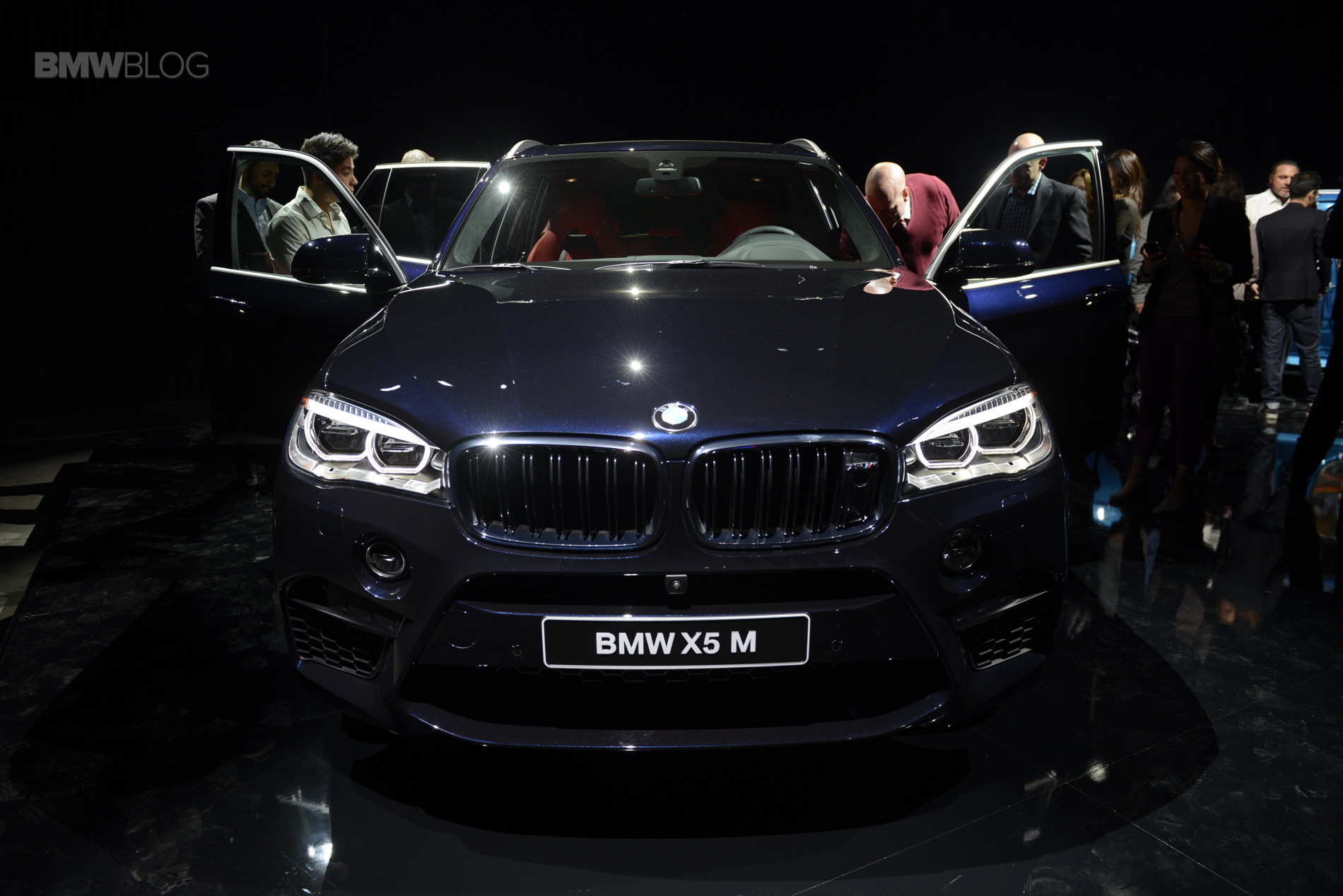
The 2015 BMW X5 M blends high-performance sports car dynamics with mid-size luxury SUV utility, featuring a 567-horsepower twin-turbo V8 engine, an MSRP starting around $99,650 new, and a 0-60 mph time of 4.0 seconds.
When BMW introduced the second-generation F85 X5 M for the 2015 model year, it marked a significant technical evolution in the high-performance sport activity vehicle segment. Building upon the foundation of the standard luxury crossover, the M division re-engineered nearly every mechanical touchpoint. This comprehensive analysis evaluates the vehicle's pricing dynamics, technical performance specifications, ownership considerations, and market standing from a historical and practical perspective.
Evolution and Identity of the F85 Generation
The 2015 BMW X5 M (designated internally as the F85) arrived as a successor to the E70 X5 M. It was designed to push the boundaries of what a heavy all-wheel-drive utility vehicle could achieve on both public roads and closed tracks. Unlike standard luxury trims, the M division applied motorsport-derived engineering to the chassis, cooling systems, transmission, and powerplant.
From an aesthetic and functional standpoint, the 2015 model featured aggressive aerodynamic body styling, large front air intakes to feed auxiliary radiators, distinct quad exhaust tips, and specific M-designed lightweight alloy wheels. Inside, the cabin received Merino leather upholstery, an M-specific instrument cluster, a thick-rimmed steering wheel with aluminum paddle shifters, and supportive multi-adjustable sports seats.
Engine and Powertrain Architecture
At the heart of the 2015 BMW X5 M is an upgraded version of the S63 4.4-liter twin-turbocharged V8 engine. This powerplant utilizes a cross-bank exhaust manifold, which optimizes gas pulsation to the twin-scroll turbochargers, virtually eliminating turbo lag and ensuring a broad, linear torque band.
The engine produces 567 horsepower between 6,000 and 6,500 rpm and generates 553 lb-ft of torque across a wide plateau from 2,200 to 5,000 rpm. This output represented a notable increase over the previous generation. Fuel management is handled by High Precision Injection, operating at pressures up to 200 bar, while Valvetronic variable valve timing and Double-VANOS camshaft control optimize breathing efficiency across all engine speeds.
Transmission and All-Wheel-Drive Performance
To handle the immense torque output, BMW replaced the previous 6-speed automatic transmission with an 8-speed M Steptronic transmission equipped with Drivelogic. This unit provides rapid gear changes and features a launch control function for optimal acceleration off the line. Drivers can select from three different shift programs in both automatic and manual modes, tailoring the transmission's aggressiveness to driving conditions.
Power is distributed via the xDrive intelligent all-wheel-drive system, which works in conjunction with Dynamic Performance Control (DPC). Unlike standard xDrive systems that rely primarily on brake intervention to control wheel slip, the M-tuned setup features an electronically controlled multi-plate clutch and a rear differential that can actively vary torque distribution between the left and right rear wheels. This active torque vectoring significantly reduces understeer, allowing the heavy SUV to rotate through corners with agility uncharacteristic of its class.
Performance Metrics and Benchmarks
The integration of high output, an advanced transmission, and sophisticated chassis controls yields impressive performance figures for a vehicle weighing nearly 5,300 pounds.
| Performance Metric | Specification |
|---|---|
| Engine Type | 4.4L Twin-Turbocharged V8 (S63) |
| Horsepower | 567 hp @ 6,000–6,500 rpm |
| Torque | 553 lb-ft @ 2,200–5,000 rpm |
| Transmission | 8-Speed M Steptronic with Drivelogic |
| 0–60 mph Acceleration | 4.0 seconds |
| Top Speed | 155 mph (electronically limited, 175 mph with M Driver's Package) |
| Curb Weight | 5,269 lbs |
| EPA Fuel Economy (City/Hwy) | 14 mpg city / 19 mpg highway |
Track testing of the 2015 X5 M consistently revealed braking performance matching its acceleration capabilities. Equipped with massive ventilated, cross-drilled disc brakes gripped by 6-piston fixed calipers up front and single-piston floating calipers in the rear, the vehicle brings its substantial mass to a halt from 70 mph in approximately 155 feet, resisting brake fade during extended spirited driving sessions.
Chassis, Suspension, and Handling Dynamics
The chassis tuning of the F85 X5 M separates it from standard X5 variants equipped with the M Sport package. The vehicle features double-wishbone front suspension and a self-leveling rear air suspension integrated with adaptive dampers and active roll stabilization.
Drivers can toggle between three distinct chassis modes—Comfort, Sport, and Sport Plus—via buttons on the center console. These modes alter damper stiffness, steering weight, and throttle responsiveness simultaneously. In Comfort mode, the ride remains composed over highway imperfections, though firm. In Sport Plus, body roll is tightly controlled, allowing the driver to exploit the massive mechanical grip provided by staggered performance tires (typically 285/35R21 front and 325/30R21 rear).
Pricing Analysis: Original MSRP Versus Pre-Owned Valuation
When new in the 2015 model year, the BMW X5 M carried a base Manufacturer's Suggested Retail Price (MSRP) starting at $99,650, excluding a $995 destination and delivery charge. However, standard equipment was extensive, including full Merino leather, a head-up display, navigation, and adaptive LED headlights.
Most buyers added optional equipment packages, pushing the initial out-the-door sticker price significantly higher:
- Executive Package: Added features like soft-close doors, ventilated front seats, heated rear seats, and a heated steering wheel (approx. $4,600).
- Bang & Olufsen Surround Sound System: A high-end premium audio upgrade (approx. $3,700).
- Driver Assistance Plus: Included active blind spot detection, lane departure warning, and surround-view cameras (approx. $1,900).
- Rear-Seat Entertainment System: Integrated displays for rear passengers (approx. $2,000).
Consequently, a typical well-equipped 2015 model commanded an original sticker price between $110,000 and $120,000. In the pre-owned market, depreciation has significantly altered this landscape. While exact resale values fluctuate based on mileage, condition, maintenance history, and geographic location, used market values generally reflect the high cost of maintaining a high-performance twin-turbo V8 powertrain, making thorough pre-purchase inspections essential for prospective buyers.
Ownership Costs, Maintenance, and Reliability
Owning a high-performance luxury SUV like the 2015 X5 M requires budgeting for specialized maintenance and running costs that exceed standard consumer vehicles.
- Fuel Consumption: With an EPA rating of 14 mpg city and 19 mpg highway (often lower in heavy urban driving), premium fuel expenses accumulate rapidly.
- Tire Wear: Due to the vehicle's high weight, aggressive suspension geometry, and staggered tire setup, replacement high-performance summer tires are required frequently, often every 15,000 to 20,000 miles, with sets regularly exceeding $1,500 to $2,000.
- Brake Servicing: Replacement of pads and rotors all around is an expensive service due to the specialized M-compound braking system.
- Common Mechanical Considerations: The S63 engine requires diligent maintenance, particularly frequent oil change intervals (every 5,000 to 7,500 miles rather than factory-recommended extended intervals) to protect turbocharger oil lines and prevent carbon buildup on the intake valves. Cooling system components, auxiliary water pumps, and valve stem seals should also be closely inspected on higher-mileage examples.
Frequently Asked Questions
What is the 0-60 mph time for the 2015 BMW X5 M?
The 2015 BMW X5 M accelerates from 0 to 60 mph in approximately 4.0 seconds. This is achieved through its 567-horsepower twin-turbo V8, launch control system, and intelligent all-wheel-drive traction management.
How does the 2015 X5 M differ from the standard X5 with the M Sport package?
While an X5 with an M Sport package features cosmetic enhancements and slightly firmer suspension tuning, a true M car (like the F85 X5 M) features a completely different engine (the S63 twin-turbo V8), an M-tuned transmission with Drivelogic, upgraded cooling systems, specialized chassis bracing, and active torque-vectoring rear differentials.
What was the original base price of the 2015 BMW X5 M?
The base MSRP for the 2015 BMW X5 M started at $99,650 when new. With optional packages such as the Executive Package, upgraded audio, and driver assistance systems, most vehicles sold for between $110,000 and $120,000.
What kind of fuel economy does the 2015 BMW X5 M get?
The EPA rates the 2015 X5 M at 14 mpg in city driving and 19 mpg on the highway. Real-world fuel economy heavily depends on driving style, as frequent use of the vehicle's boost capability will reduce efficiency.
What are common maintenance items to watch out for on a used 2015 X5 M?
Prospective buyers should verify service records for regular oil changes, inspect the condition of the complex cooling systems and turbocharger lines, and check for excessive wear on suspension bushings, brakes, and staggered high-performance tires.
Conclusion and Recommendations
The 2015 BMW X5 M remains an impressive feat of automotive engineering, combining supercar acceleration and handling capabilities with the cargo space and seating position of a luxury SUV. For buyers evaluating a pre-owned model, prioritizing a vehicle with a documented service history and conducting a thorough pre-purchase inspection by a qualified BMW M specialist is critical to avoiding unexpected repair expenses. While running costs remain high, the F85 X5 M delivers unique driving dynamics that continue to define the high-performance utility segment.