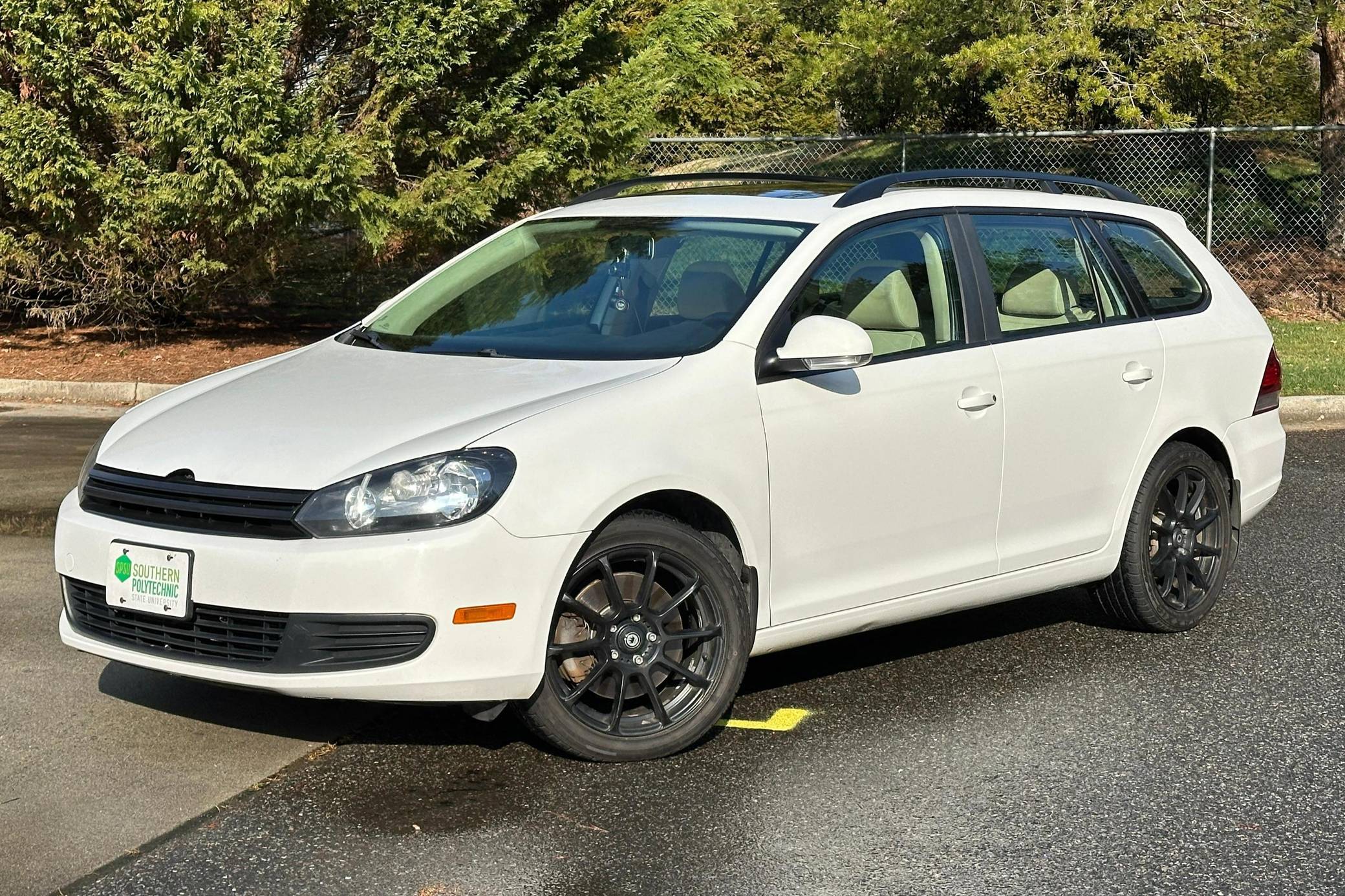
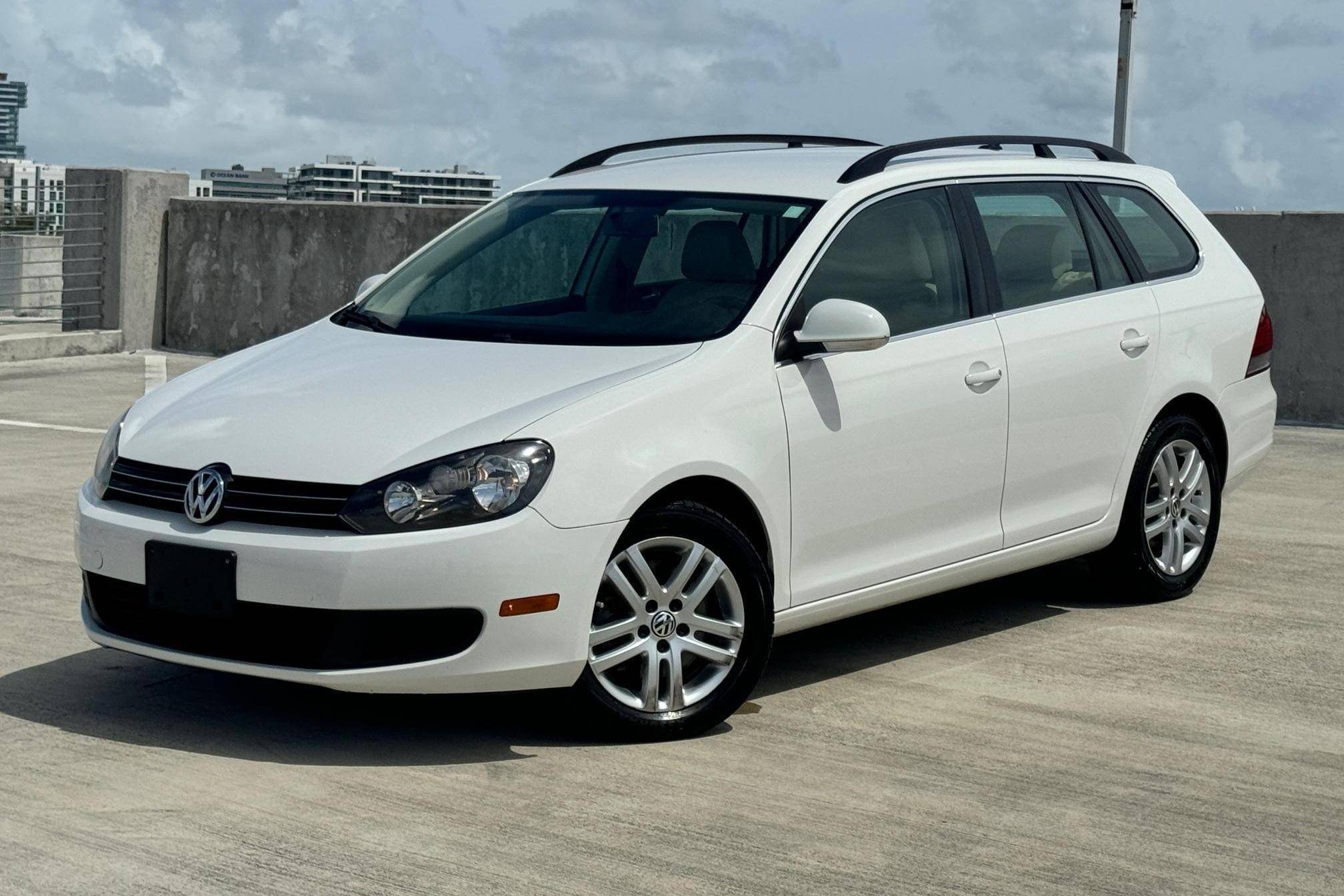
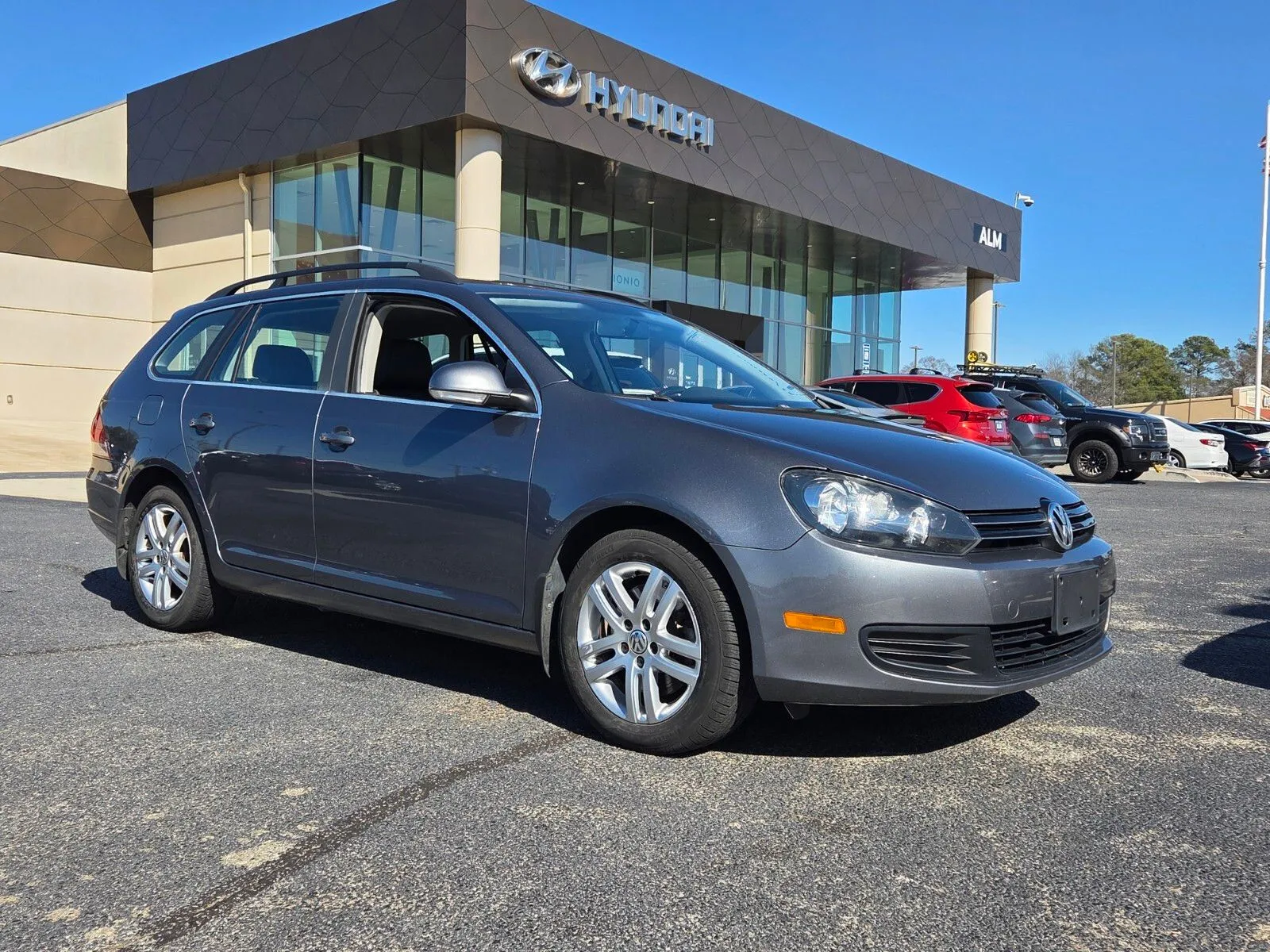
The 2014 Volkswagen Jetta Sportwagen TDI is widely celebrated for its fuel efficiency, cargo capacity, and the enduring appeal of its 2.0-liter EA189 turbocharged diesel engine. However, like any modern diesel vehicle, it comes with a specific set of mechanical vulnerabilities. Understanding these 2014 vw jetta sportwagen tdi problems—ranging from emissions-related component failures to high-pressure fuel pump wear—is essential for prospective buyers, current owners, and DIY mechanics looking to keep their wagons on the road.
Introduction to the 2014 VW Jetta Sportwagen TDI
The 2014 model year represents the final iteration of the fifth-generation Jetta wagon body style in North America, mated to the popular "CJAA" 2.0-liter clean diesel engine. While praised for offering up to 40+ highway miles per gallon and immense utility, these vehicles operate complex emissions systems and high-pressure fuel setups. Over time, components designed to meet strict environmental standards can fail, leading to expensive diagnostic and repair bills.
Addressing 2014 vw jetta sportwagen tdi problems requires separating routine maintenance from systemic manufacturing flaws. While some issues stem from normal wear and tear accelerated by modern diesel fuels, others are tied directly to the intricate balance between emissions equipment and engine performance. This comprehensive overview explores the most frequent mechanical headaches, their symptoms, preventive measures, and repair options.
High-Pressure Fuel Pump (HPポンプ) Failures
One of the most widely discussed and feared issues associated with the EA189 diesel engine is a catastrophic failure of the Bosch CP4 high-pressure fuel pump.
The Root Cause of CP4 Pump Failures
The Bosch CP4 pump relies heavily on the lubricity of diesel fuel to keep its internal moving parts from metal-on-metal friction. North American ultra-low sulfur diesel (ULSD) often lacks the lubricity found in European diesel formulations. When the pump starves for adequate lubrication or experiences microscopic air bubbles, the internal rollers can score the cam ring, generating fine metal shavings.
Symptoms and Propagation
If the HPFP begins to fail, microscopic metal debris travels through the entire fuel system. This includes:
- The fuel rail
- High-pressure lines
- Fuel injectors
- Return lines
Symptoms often start subtly with a long crank time, followed by a sudden loss of engine power, engine stalling, and a flashing glow plug light or check engine light with fault codes relating to fuel rail pressure.
Repair and Prevention
A complete fuel system replacement after an HPFP failure can cost several thousand dollars because every component touched by the metal shavings must be flushed or replaced. To mitigate this risk, many owners install an aftermarket "HPFP saver kit" or bypass kit, use specialized diesel fuel additives to increase lubricity, and religiously change their fuel filters every 10,000 to 20,000 miles.
Emissions System Complications: DPF, EGR, and Intercoolers
Modern diesel emissions equipment is notoriously complex, and the 2014 Jetta Sportwagen TDI is no exception. It relies on a Diesel Particulate Filter (DPF), an Exhaust Gas Recirculation (EGR) valve and cooler, and a Diesel Oxidation Catalyst (DOC).
Diesel Particulate Filter (DPF) Clogging
The DPF traps soot particles from the exhaust. During normal driving, the vehicle periodically initiates a "regeneration" cycle, injecting extra fuel to raise exhaust temperatures and burn off accumulated soot.
- Short Trip Vulnerability: Vehicles driven exclusively on short city commutes rarely reach the exhaust temperatures required for passive or active regeneration. This leads to premature DPF clogging.
- Symptoms: Frequent regeneration attempts (indicated by cooling fans running loudly after shutdown), reduced fuel economy, and dashboard warning lights.
EGR Valve and Cooler Failures
The EGR system routes a portion of exhaust gases back into the intake manifold to lower combustion temperatures and reduce nitrogen oxide (NOx) emissions. Over time, soot mixes with oil vapor from the crankcase ventilation system, forming a thick, carbonaceous sludge inside the intake manifold and clogging the EGR cooler. A failing EGR cooler can also lead to internal coolant leaks, causing the car to mysteriously lose coolant without external puddles.
Intercooler Icing
An issue specific to certain humid climates involves condensation accumulation in the charge air cooler (intercooler). In freezing weather, this accumulated moisture can freeze, block airflow, and cause sudden engine hesitation or "limp mode." Volkswagen released an updated lower intercooler pipe kit to address this phenomenon, but older unmodified vehicles remain susceptible.
Dual-Mass Flywheel (DMF) Wear
For models equipped with the 6-speed manual transmission or the wet-clutch DSG (Direct Shift Gearbox) automatic transmission, the dual-mass flywheel is a known wear item.
Understanding the DMF
A dual-mass flywheel is designed to absorb engine vibrations and smooth out power delivery from the high-torque diesel engine. However, the immense low-end torque of the TDI puts immense rotational stress on the internal springs and dampening plates.
Warning Signs of DMF Failure
- Rattling Noise: A distinct metallic rattling or clattering noise coming from the transmission bell housing, especially at idle or when shutting off the engine.
- Vibration: Noticeable vibrations through the clutch pedal, floorboards, or gear shifter.
- Rough Engagement: Jerky shifting or slipping in manual transmission variants.
Ignoring a failing flywheel can lead to catastrophic housing damage if the unit breaks apart while spinning at high RPMs. Many owners replace a failed DMF with a single-mass flywheel (SMF) conversion kit for durability, though this can introduce minor gear chatter at low speeds.
Glow Plug and Timing Belt Maintenance
While glow plugs and timing belts are standard wear items rather than unique manufacturing defects, neglecting them on a 2014 VW Jetta Sportwagen TDI can result in catastrophic engine failure.
Timing Belt Inspection and Replacement
The CJAA engine utilizes a rubber timing belt to synchronize the crankshaft and camshafts. Volkswagen specified an inspection and replacement interval, but harsh operating conditions, oil contamination from leaking valve covers, or seized idler pulleys can cause premature failure.
- The Stakes: Because this is an interference engine, a snapped timing belt causes the pistons to collide with the valves, destroying the cylinder head.
- Best Practice: Replace the entire timing belt kit—including the belt, tensioner, idlers, and water pump—every 120,000 miles (or sooner, such as every 100,000 miles for peace of mind).
Glow Plug Control Module and Glow Plugs
Glow plugs are essential for cold-weather starting in diesel engines. In the 2014 TDI, a failing glow plug or a faulty glow plug harness/control module will trigger a glowing coil icon on the instrument cluster and difficult cold starts. Furthermore, some models experience issues where the pressure sensor integrated into cylinder #3's glow plug fails, requiring a specialized replacement plug.
Quick Reference: 2014 VW Jetta Sportwagen TDI Common Issues
| Problem Area | Primary Symptom | Severity | Recommended Prevention / Solution |
|---|---|---|---|
| High-Pressure Fuel Pump (HPFP) | Long crank, sudden stalling, metal in fuel filter | High | Use fuel lubricity additives; change fuel filters regularly; consider bypass kit. |
| Diesel Particulate Filter (DPF) | Frequent regeneration, limp mode, clogged soot | Medium-High | Ensure regular long-distance highway driving; professional cleaning or replacement. |
| EGR Cooler / Valve | Coolant loss, check engine light, carbon buildup | High | Monitor coolant levels; clean intake manifold; replace failed cooler units. |
| Dual-Mass Flywheel (DMF) | Metallic rattling at idle, vibration in pedal | Medium | Inspect during clutch service; consider SMF conversion if replacing. |
| Timing Belt & Water Pump | Squealing noise, coolant leak, sudden snap | Critical | Replace entire kit every 100,000–120,000 miles without exception. |
Electrical and Interior Glitches
Beyond the powertrain, the 2014 Jetta Sportwagen shares typical platform quirks with other Volkswagen models of that era.
- Door Lock Actuators: It is common for individual door locks to stop responding to the key fob or interior master switch, requiring the replacement of the door latch assembly.
- Panoramas Sunroof Leaks: Wagons equipped with the optional panoramic sunroof can suffer from clogged drain tubes (located in the A and C pillars), leading to water pooling in the footwells and damp headliners. Clearing these drains periodically prevents electrical gremlins in body control modules.
- Suspension Wear: Due to the heavier front-end weight of the diesel engine, front suspension components such as control arm bushings, strut mounts, and sway bar links often wear out faster than their gasoline counterparts, resulting in clunking noises over bumps.
Frequently Asked Questions
Is the 2014 VW Jetta Sportwagen TDI a reliable car?
Yes, provided it receives proper maintenance and high-quality fuel. While the engine block and transmission are mechanically robust, the peripheral systems—such as emissions controls and fuel delivery pumps—require proactive care. Routine preventative maintenance and addressing minor issues early prevent them from cascading into expensive failures.
What was the Dieselgate settlement impact on the 2014 TDI?
Following the 2015 emissions scandal, Volkswagen implemented an emissions modification (known as the Phase 2 fix) on all eligible 2014 TDI models. This software and hardware update altered engine mapping, EGR operation, and DPF regeneration cycles. Many owners report that while the vehicle remained reliable, the fix occasionally altered fuel economy or DPV regeneration frequency.
How can I prevent HPFP failure on my CJAA TDI?
Preventative measures include using a certified lubricity-improving diesel fuel additive with every fill-up, strictly adhering to fuel filter replacement intervals (every 10k–20k miles), and never letting the fuel tank run completely dry, which can starve the pump of lubrication and cause immediate metal scoring.
Are manual or automatic (DSG) transmissions better on this car?
Both transmissions are durable if maintained. The 6-speed manual relies on a traditional clutch and flywheel, while the DSG automatic requires a strict fluid and filter change every 40,000 miles. Driving style often dictates preference, but buyers seeking lower long-term maintenance costs often lean toward the manual, provided the dual-mass flywheel remains healthy.
Conclusion and Next Actions
Owning or purchasing a 2014 VW Jetta Sportwagen TDI requires a balance of mechanical awareness and proactive upkeep. While the car delivers exceptional utility and fuel economy, ignoring early warning signs from the fuel pump, emissions equipment, or timing components can lead to costly repairs.
If you are currently experiencing any of the symptoms outlined above, prioritize a professional diagnostic scan using specialized VAG-COM/VCDS diagnostic software rather than a generic OBD-II reader. Inspect your fuel filter for metallic debris, verify your timing belt service history, and ensure your daily driving habits allow the DPF to complete its regeneration cycles. By staying ahead of these known weak points, you can enjoy the unique driving dynamics and longevity of one of Volkswagen's final diesel wagons.