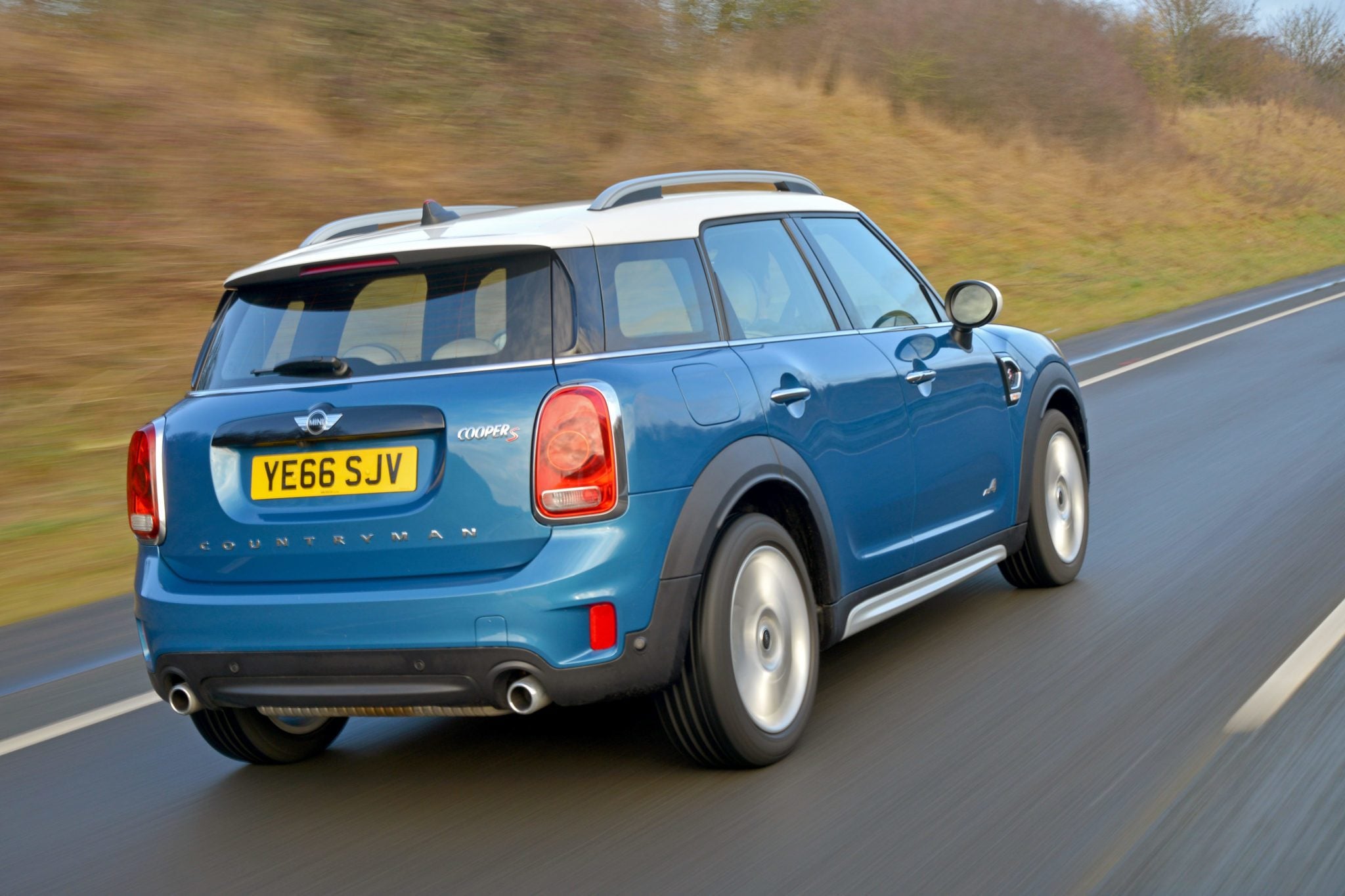
The 2014 MINI Countryman offers a unique blend of iconic brand styling, increased interior space, and available all-wheel drive, but its long-term reliability heavily depends on proper maintenance and engine selection. While early MINI models built under BMW ownership developed a reputation for frequent mechanical failures, the 2014 model year arrived during a transitional phase that resolved some, but not all, of those persistent issues. Prospective buyers and current owners must understand specific engine variants, common mechanical vulnerabilities, and routine maintenance requirements to accurately gauge ownership costs and vehicle longevity.
Understanding the 2014 MINI Countryman Lineup
The 2014 MINI Countryman (internally designated as the R60) represents the first-generation crossover iteration of the classic British compact car. Manufactured under BMW's corporate umbrella, this four-door model introduced utility and ground clearance to a brand traditionally known exclusively for low-slung hatchbacks. For the 2014 model year, MINI offered several distinct trim levels, primarily differentiated by their powertrain configurations.
Buyers generally choose among the base Cooper, the turbocharged Cooper S, and the performance-oriented John Cooper Works (JCW) models. Additionally, almost every trim level could be paired with MINI’s "ALL4" permanent all-wheel-drive system. Understanding these variations is essential for assessing reliability because the naturally aspirated and turbocharged engines utilize entirely different engineering architectures, leading to distinct failure modes and maintenance burdens.
Engine Architecture Evolution
The 2014 model year occupies a critical bridge in MINI's engine development. Earlier first-generation Countryman models utilized the Prince engine family, co-developed by BMW and the PSA Peugeot Citroën group. These early Prince engines—found in many pre-2014 vehicles—gained a notorious reputation for premature timing chain failure, excessive oil consumption, and high-pressure fuel pump failures.
For the 2014 model year and beyond, MINI began transitioning toward BMW’s modular B-series engines in other lineups, but the R60 Countryman retained updated versions of the Prince engine architecture for most of its production run, receiving internal component revisions designed to mitigate older weaknesses. Even with these updates, owners must remain vigilant, as thermal management issues and carbon buildup remain inherent traits of these turbocharged direct-injection powerplants.
Common Reliability Concerns and Mechanical Issues
While the 2014 MINI Countryman is generally more dependable than its 2011–2013 predecessors, it is far from bulletproof. Certain mechanical components require proactive inspection and timely replacement to prevent catastrophic engine damage. Knowing these common failure points helps buyers negotiate fair prices or prepare a dedicated maintenance reserve fund.
Timing Chain and Guide Wear
Despite engineering revisions, the timing chain assembly remains one of the most scrutinized areas of the 2014 MINI Countryman. The plastic timing chain guides are prone to premature brittleness and wear, especially if previous owners neglected oil change intervals.
When the guides fail or the chain stretches, it can skip teeth on the camshaft sprockets, leading to valve-to-piston contact and catastrophic engine failure. Drivers should listen closely during cold starts for a distinct metallic rattling noise from the passenger side of the engine bay. If a rattle persists for more than a few seconds after ignition, immediate professional inspection is required.
Oil Consumption and Leaks
Direct-injection engines in this era are prone to consuming engine oil between scheduled service intervals. The N18 engine variant found in the 2014 Cooper S handles oil management better than its predecessor (the N14), but it still requires frequent dipstick checks. Failing to monitor oil levels can starve the turbocharger and valvetrain of lubrication.
Furthermore, rubber gaskets and seals throughout the engine bay—particularly the valve cover gasket, oil filter housing gasket, and turbocharger oil feed lines—harden and degrade over time. Oil leaks landing on hot exhaust components often produce a distinct burning smell in the cabin, signaling the need for seal replacements.
High-Pressure Fuel Pump (HPFP) Failures
The high-pressure fuel pump supplies fuel directly to the combustion chambers at immense pressure. Early MINI models suffered from chronic HPFP failures that resulted in extended crank times, limp mode, and sudden engine stalling. While BMW updated the part for the 2014 model year, failures still occur as vehicles cross high mileage thresholds. Symptoms of a failing HPFP include long cranking times before the engine starts, rough idling, and sudden loss of power during acceleration.
Carbon Buildup on Intake Valves
Because direct-injection fuel systems spray gasoline directly into the combustion chamber rather than washing over the back of the intake valves, carbon deposits naturally accumulate on the valves over tens of thousands of miles. This buildup restricts airflow, resulting in rough idling, engine hesitation, and reduced fuel efficiency. Addressing this issue requires manual walnut-shell blasting—a specialized cleaning procedure performed by a qualified technician.
| Component / System | Common Symptom | Severity | Recommended Prevention / Action |
|---|---|---|---|
| Timing Chain & Guides | Metallic rattle on cold start | High | Inspect guide wear; replace chain kit proactively past 80,000 miles. |
| Oil Leaks & Consumption | Low oil on dipstick, burning smell | Medium-High | Check oil levels weekly; replace gaskets and seals as needed. |
| High-Pressure Fuel Pump | Extended cranking, rough idle | High | Replace with updated OEM unit if surging or starting issues appear. |
| Intake Valve Carbon | Engine hesitation, rough idle | Medium | Perform walnut-shell intake valve cleaning every 50,000 to 60,000 miles. |
| Thermostat & Water Pump | Coolant leaks, overheating | High | Replace plastic thermostat housing and water pump proactively. |
Transmission Reliability: Manual vs. Automatic
The transmission paired with your 2014 MINI Countryman significantly influences its long-term reliability profile. Buyers can choose between a traditional six-speed manual gearbox and a six-speed Steptronic automatic transmission supplied by Aisin.
Six-Speed Manual Transmissions
The manual gearboxes are generally robust, offering engaging shift mechanics. However, the clutch and dual-mass flywheel assemblies wear out based on driving habits and city traffic density. Replacing a MINI clutch is labor-intensive and expensive due to the tight engine bay packaging. Drivers should test for clutch slipping, pedal stiffness, or chatter during engagement before purchasing.
Six-Speed Automatic Transmissions
The Aisin-supplied automatic transmissions are notably more durable than the problematic CVT units found in older economy cars or the notoriously fragile transmissions used in some contemporary European competitors. However, factory claims of "lifetime fluid" are misleading. To ensure longevity beyond 150,000 miles, mechanics strongly recommend performing fluid drain-and-fill services every 50,000 miles to remove accumulated clutch material and metallic debris.
Maintenance Costs and Ownership Realities
Owning a used European vehicle requires a realistic financial perspective. The 2014 MINI Countryman is fundamentally a BMW product beneath its distinct styling. Consequently, maintenance and repair costs align with entry-level luxury German vehicles rather than mainstream Japanese compact crossovers.
Parts Availability and Labor Rates
Routine service items—such as synthetic oil, high-grade spark plugs, and European-spec coolant—cost slightly more than standard automotive supplies. Furthermore, independent European specialty shops or authorized dealerships charge higher labor rates because specialized diagnostic software and service tools are often required to clear service intervals and program electronic modules.
Preventive Maintenance Strategy
The secret to keeping a 2014 MINI Countryman reliable is aggressive preventive maintenance rather than reactive repairs. Waiting for a component to break completely often causes secondary damage to related systems. Adhering to shortened oil change intervals (every 5,000 to 7,500 miles instead of factory-recommended extended intervals) preserves turbocharger longevity and prevents sludge buildup.
Comparing Trim Levels: Which One is Most Reliable?
Not all 2014 MINI Countryman models carry the same risk profile. Choosing the right trim level helps mitigate potential mechanical headaches.
Base Cooper (Naturally Aspirated N16 Engine)
- Pros: Lacks a turbocharger, eliminating turbo-related failures and reducing overall under-hood operating temperatures. Simpler intake system reduces carbon buildup severity.
- Cons: Significantly slower acceleration; output of roughly 121 horsepower feels sluggish when moving the heavier Countryman chassis, especially with the ALL4 system.
Cooper S (Turbocharged N18 Engine)
- Pros: Offers engaging performance and passing power with 181 horsepower. Features updated internal engine revisions compared to pre-2014 models.
- Cons: Requires premium fuel, regular spark plug changes, carbon cleaning, and close monitoring of turbocharger oil lines and cooling systems.
John Cooper Works (JCW)
- Pros: Factory-tuned output of 218 horsepower, sport-tuned suspension, and upgraded styling elements.
- Cons: Highest stress levels on drivetrain components, requiring meticulous maintenance history and higher ongoing repair expenses.
Frequently Asked Questions
Is the 2014 MINI Countryman a reliable used car?
The 2014 model is moderately reliable if it comes with a documented service history and has been meticulously maintained. While it resolved many chronic issues plaguing 2011–2013 models, it remains a complex European vehicle that demands strict adherence to preventive maintenance schedules.
How many miles can a 2014 MINI Countryman last?
With proper care, regular fluid changes, and timely replacement of wear-and-tear items like timing chains and water pumps, a 2014 MINI Countryman can easily exceed 150,000 to 180,000 miles. Neglecting maintenance, however, can result in major engine failure before 100,000 miles.
Does the 2014 MINI Countryman require premium fuel?
Yes. Both the base Cooper and turbocharged Cooper S trims require premium gasoline (91 octane or higher) to prevent engine knocking and ensure optimal combustion efficiency, power output, and fuel economy.
What are the biggest warning signs to look for when buying a used 2014 Countryman?
Key warning signs include a metallic rattling noise during cold starts (indicating timing chain wear), oil leaks around the valve cover or oil filter housing, excessive blue smoke from the exhaust, and long cranking times before the engine starts. Always request a comprehensive pre-purchase inspection from an independent mechanic specializing in European vehicles.
Final Recommendations for Prospective Buyers
Purchasing a used 2014 MINI Countryman can be a rewarding experience for drivers seeking distinctive styling, nimble handling, and practical all-weather capability. However, buyers should never purchase one blindly without inspecting the service records. Prioritize models featuring the Cooper S trim for adequate highway power, but budget an extra financial reserve specifically for unexpected European car maintenance. Verify that major service milestones—such as timing chain inspections, brake services, and suspension component checks—have been recently addressed to secure a dependable daily driver.