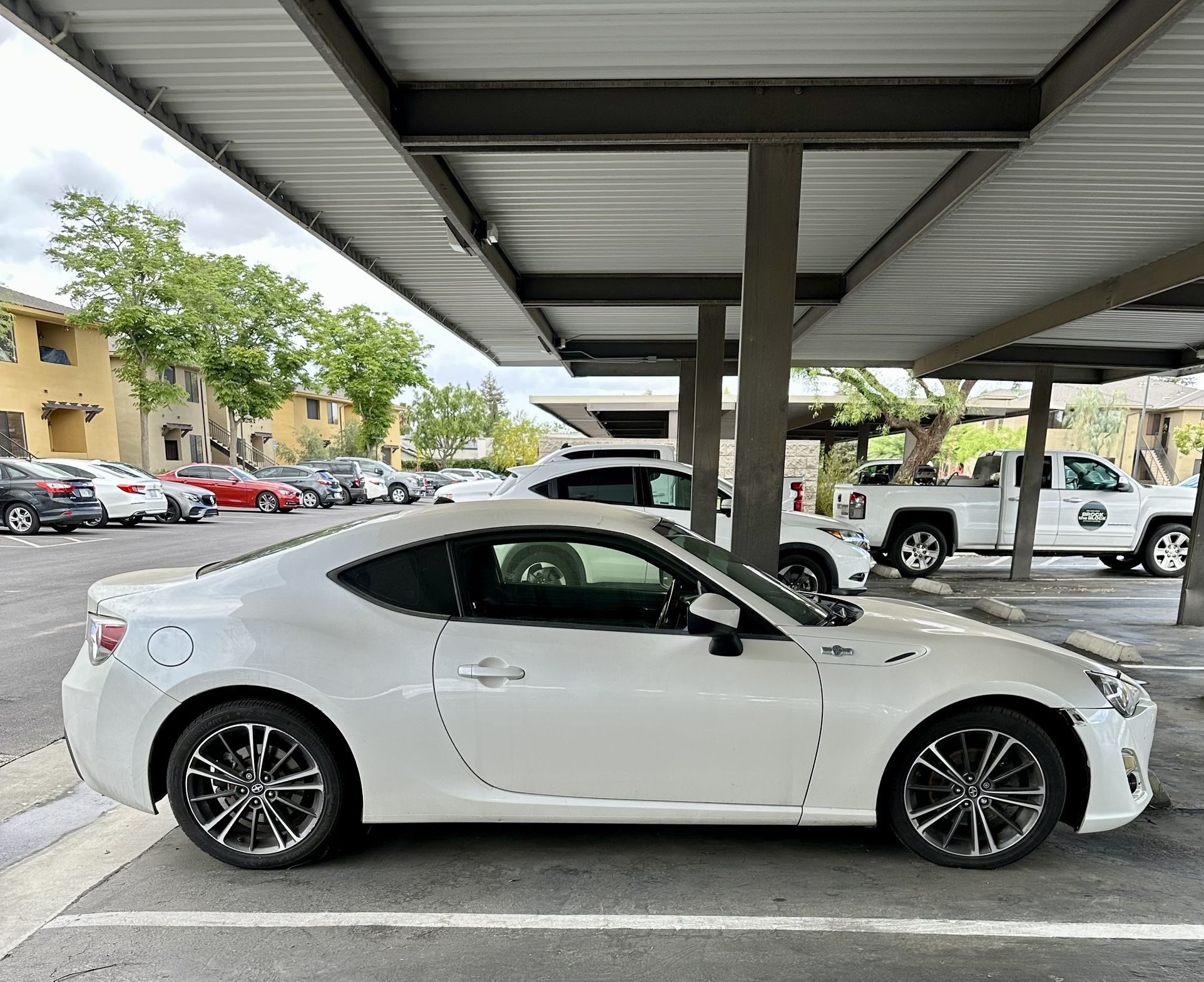
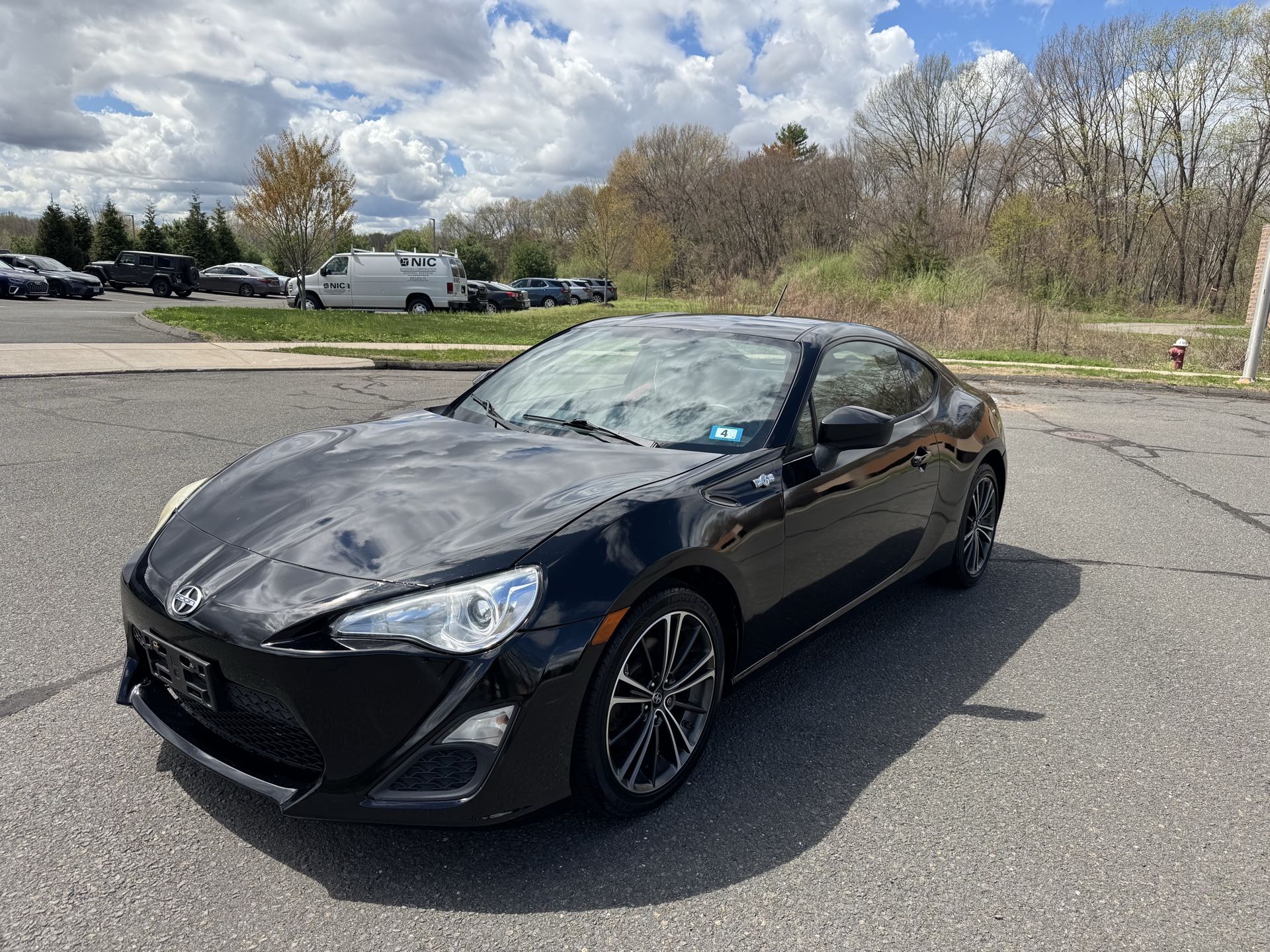
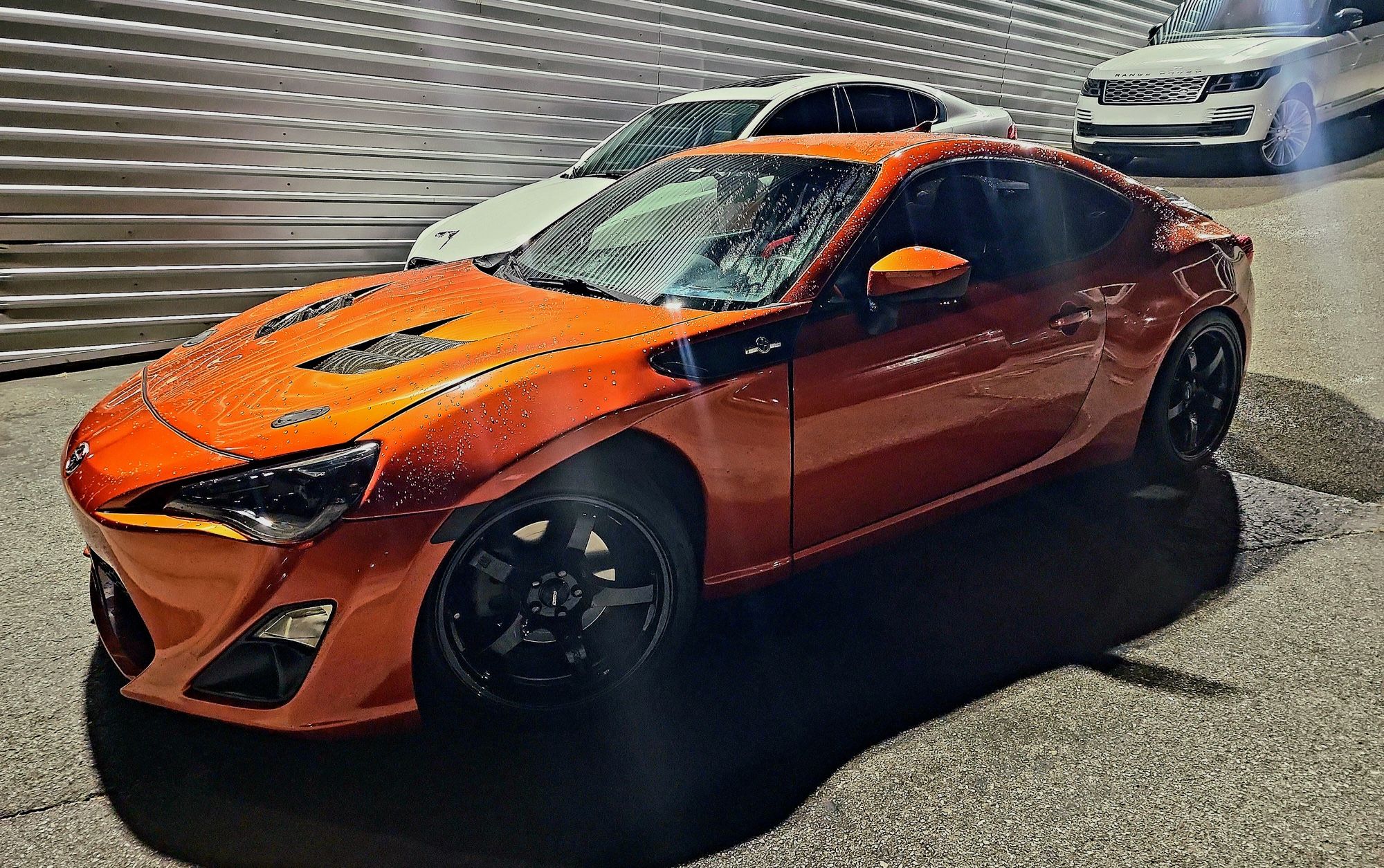
The 2013 Scion FR-S maintains a reputation for being a highly engaging driver's car with moderate long-term reliability, though its first-year status introduces specific mechanical risks. While the Toyota-sourced D-4S injection system and Subaru boxer engine are generally robust, potential buyers must verify recall completions—specifically the valve spring issue—and monitor common oil leaks and throw-out bearing wear to ensure longevity.
Thirteen years after its initial debut, the 2013 Scion FR-S remains a cornerstone of the affordable enthusiast market. As we evaluate this vehicle in 2026, the data regarding its long-term durability has moved from speculation to documented fact. Developed as a joint venture between Toyota and Subaru (the "Toyobaru" project), the FR-S was designed to prioritize balance and feedback over raw power. However, being the first model year of a brand-new platform, it faced "teething" issues that later iterations (and the eventually rebranded Toyota 86) largely avoided.
The Foundation of the FR-S: The FA20 Engine
At the heart of the 2013 Scion FR-S is the Subaru-sourced FA20 engine. This 2.0-liter naturally aspirated four-cylinder boxer engine utilizes Toyota’s D-4S dual-injection system, which combines both port and direct injection. From a reliability standpoint, this combination is generally beneficial as the port injection helps prevent carbon buildup on the intake valves—a common plague for many early direct-injection engines.
In 2026, most surviving FR-S models have surpassed the 100,000-mile mark. At this stage, the FA20 has proven that it can reach high mileage if maintained correctly. However, the boxer layout presents unique maintenance challenges. The horizontal orientation of the cylinders means that gravity acts on the seals differently than in an inline engine. Over time, this often leads to "weeping" gaskets or oil leaks, particularly around the timing cover and the passenger-side cam plate.
The Infamous Valve Spring Recall
The most critical reliability event in the history of the 2013 Scion FR-S is the J02 valve spring recall. Early production models (built between April 2012 and July 2013) were equipped with valve springs that were prone to fracturing. A fracture could lead to engine stall or catastrophic internal damage.
While the recall was intended to fix the issue, the "unveiling" of the car's reliability over the last decade revealed a secondary problem: the repair process itself. Because the engine must be removed and partially disassembled to replace the springs, many technicians—unfamiliar with the tight tolerances of the FA20—applied excessive RTV (Room Temperature Vulcanizing) silicone sealant when reassembling the engine. This excess sealant could break off, enter the oiling system, and clog the oil pickup tube, leading to rod bearing failure shortly after the "fix."
In 2026, if you are looking at a 2013 model, you must verify if this recall was performed and, more importantly, how many miles have been driven since the repair. If the car has traveled 20,000+ miles post-recall without issue, it is likely "in the clear."
Common Mechanical Vulnerabilities
Beyond the major recalls, several recurring issues have been identified by the owner community over the past decade. Understanding these is essential for anyone maintaining or purchasing a 2013 FR-S today.
The "Crickets" (High-Pressure Fuel Pump)
One of the most widely reported quirks of the 2013 FR-S is a chirping sound coming from the engine bay, commonly referred to as "the crickets." This noise is caused by the high-pressure fuel pump (HPFP). While the sound is annoying and can be prominent at idle, it is largely considered a cosmetic or acoustic issue rather than a mechanical failure. Toyota and Subaru released several revised pump designs, but many owners found the noise returned unless they used specific brands of gasoline with lower ethanol content or added fuel lubricants.
Throw-out Bearing (TOB) Failure
Owners of the six-speed manual transmission variant often encounter a squealing or whirring noise when pressing the clutch pedal. This is typically the throw-out bearing (release bearing) failing. In the 2013 models, the original TOB was prone to premature wear, often failing between 50,000 and 80,000 miles. When this bearing fails, it can damage the transmission snout or the pressure plate. In 2026, most owners treat this as a "while you're in there" maintenance item, replacing the TOB with the updated 2017+ model-year part during a clutch change.
Cam Plate Oil Leaks
A specific vulnerability on the passenger side of the FA20 engine is the cam plate. Because the engine sits low and the cam plate is a flat surface held by sealant, it is a frequent source of oil leaks. While not a catastrophic failure, oil dripping onto the hot exhaust manifold can create a burning smell and smoke. Aftermarket solutions, such as billet aluminum cam plates with O-ring seals, have become the standard 2026 fix for this issue.
Transmission and Drivetrain Durability
The 2013 Scion FR-S was offered with either an Aisin TL70 six-speed manual or a modified Aisin A960E six-speed automatic.
The Manual Transmission: The manual gearbox is generally robust but is known for being "notchy," especially when cold. The second-gear synchro is a known weak point if the car is driven aggressively or "slammed" into gear. Frequent fluid changes with high-quality synthetic gear oil (such as Motul 300 or Redline MT-90) are essential for preserving shift quality into the vehicle's second decade of life.
The Automatic Transmission: Interestingly, the automatic transmission has proven to be incredibly reliable. Derived from the Lexus IS series, it handles the FA20's torque with ease. While it offers a less "pure" driving experience for enthusiasts, from a pure reliability standpoint in 2026, the automatic models often show fewer signs of drivetrain abuse and fewer mechanical failures compared to their manual counterparts.
The Torsen Limited-Slip Differential: The standard Torsen LSD is a reliable unit. However, like any mechanical component, it requires fluid changes every 30,000 to 50,000 miles. Neglecting this can lead to whining or accelerated wear of the internal gears.
Interior and Exterior Longevity
By 2026, the cosmetic durability of the 2013 Scion FR-S has been well-documented. Scion was Toyota’s "youth" brand, and some cost-cutting measures are evident in the cabin materials.
- Seat Bolsters: The high-bolstered seats are prone to significant wear on the driver's side entry point. It is common to see tearing or "pilling" of the fabric in high-mileage examples.
- Dashboard Rattles: The FR-S is not a quiet car. The plastic-heavy interior tends to develop rattles over time, particularly around the speaker grilles and the center console.
- Taillight Condensation: A very common issue for 2013 models was the failure of the taillight gaskets, allowing moisture to build up inside the housing. Most owners have either replaced the gaskets with thicker aftermarket versions or swapped the lights for the 2017+ "Kouki" style LED units.
- Paint Quality: The paint on these cars (particularly the "Firestorm" red and "Raven" black) is known to be relatively thin. Without regular waxing or a ceramic coating, clear coat failure on the roof and trunk lid is a common sight by 2026.
Reliability Comparison and Technical Specifications
To understand where the 2013 Scion FR-S stands in the 2026 market, it is helpful to compare it against its primary contemporary rivals.
| Feature | 2013 Scion FR-S | 2013 Mazda MX-5 (NC) | 2013 Hyundai Genesis Coupe (2.0T) |
|---|---|---|---|
| Engine Type | 2.0L Boxer-4 (NA) | 2.0L Inline-4 (NA) | 2.0L Inline-4 (Turbo) |
| Horsepower | 200 hp | 167 hp | 274 hp |
| Primary Reliability Issue | Valve Springs / TOB | Thermostat / Cooling Tank | Turbo Failure / Wastegate |
| Expected Engine Life | 180k - 220k miles | 200k - 250k miles | 150k - 180k miles |
| Maintenance Complexity | Moderate (Boxer Layout) | Low (Longitudinal I4) | Moderate (Turbocharged) |
| Aftermarket Support | Exceptional | High | Moderate |
Preventive Maintenance for Longevity in 2026
If you own or are looking to buy a 2013 Scion FR-S today, adhering to a strict maintenance schedule is the only way to mitigate its inherent first-year risks.
- Oil Selection: Use a high-quality 0W-20 synthetic oil. Because the boxer engine runs hot and has a relatively small oil capacity (approx. 5.7 quarts), 5,000-mile change intervals are recommended regardless of what the original manual suggested.
- Ignition Coils: The coil packs on the 2013 models are sensitive to heat, particularly the rear ones. If the car develops a misfire under load, the coil packs are the first place to look.
- Spark Plug Replacement: This is a notoriously difficult job on the FA20 because the frame rails are very close to the cylinder heads. It is usually a 3-4 hour job for a novice. Ensure this is done every 60,000 miles to prevent ignition stress.
- Cooling System: Inspect the plastic radiator end tanks. After 13 years of heat cycles, they can become brittle and crack. Many 2026 owners opt for an all-aluminum radiator as a "reliability mod."
Frequently Asked Questions
Is the 2013 Scion FR-S a good daily driver in 2026?
Yes, provided you do not require significant cargo space or rear-seat legroom. Its fuel economy remains competitive (mid-20s MPG), and its mechanical parts are widely available through both Toyota and Subaru dealerships. However, the stiff suspension and interior noise may be taxing for long commutes.
How do I check if the valve spring recall was done?
You can enter the vehicle’s VIN (Vehicle Identification Number) into the Toyota or NHTSA (National Highway Traffic Safety Administration) recall lookup tools. In 2026, most digital service records will also show if the work was performed by a certified dealer.
Why is the 2013 model often cheaper than the 2014 or 2015?
The 2013 model carries the "first-year" stigma. The 2014 model received minor interior upgrades (kneepads, better touchscreen) and corrected some early production glitches. The 2015 model received a suspension revision that improved stability. Consequently, the 2013 is often the most affordable entry point into the platform, but it requires the most due diligence.
Does the 2013 FR-S have a timing belt or chain?
The FA20 engine uses a timing chain, which is designed to last the life of the engine. Unlike the older EJ-series Subaru engines, there is no 100,000-mile timing belt service required. However, the chain tensioners rely on oil pressure, making regular oil changes even more vital.
Can the FR-S handle a turbocharger or supercharger reliably?
The 2013 FA20 has a high compression ratio (12.5:1), which makes forced induction risky without professional tuning and supporting mods. While the engine block is strong, the connecting rods are the weak point. Most "reliable" boosted setups in 2026 limit torque to around 250 lb-ft to prevent catastrophic failure.
Final Recommendation for Buyers and Owners
The "unveiling" of the 2013 Scion FR-S's reliability reveals a vehicle that is mechanically sound but requires an informed owner. It is not a "gas and go" car in the same way a Corolla is. Its boxer engine and specialized drivetrain demand proactive maintenance.
In 2026, the best action for a prospective buyer is to prioritize a documented service history over low mileage. A 120,000-mile car that has had its valve springs replaced (with significant miles driven since), its throw-out bearing updated, and its oil changed every 5,000 miles is a much safer investment than a 50,000-mile "garage queen" with an open recall. For current owners, focus on the cooling system and oil leak prevention to ensure the FR-S remains a viable classic for years to come.