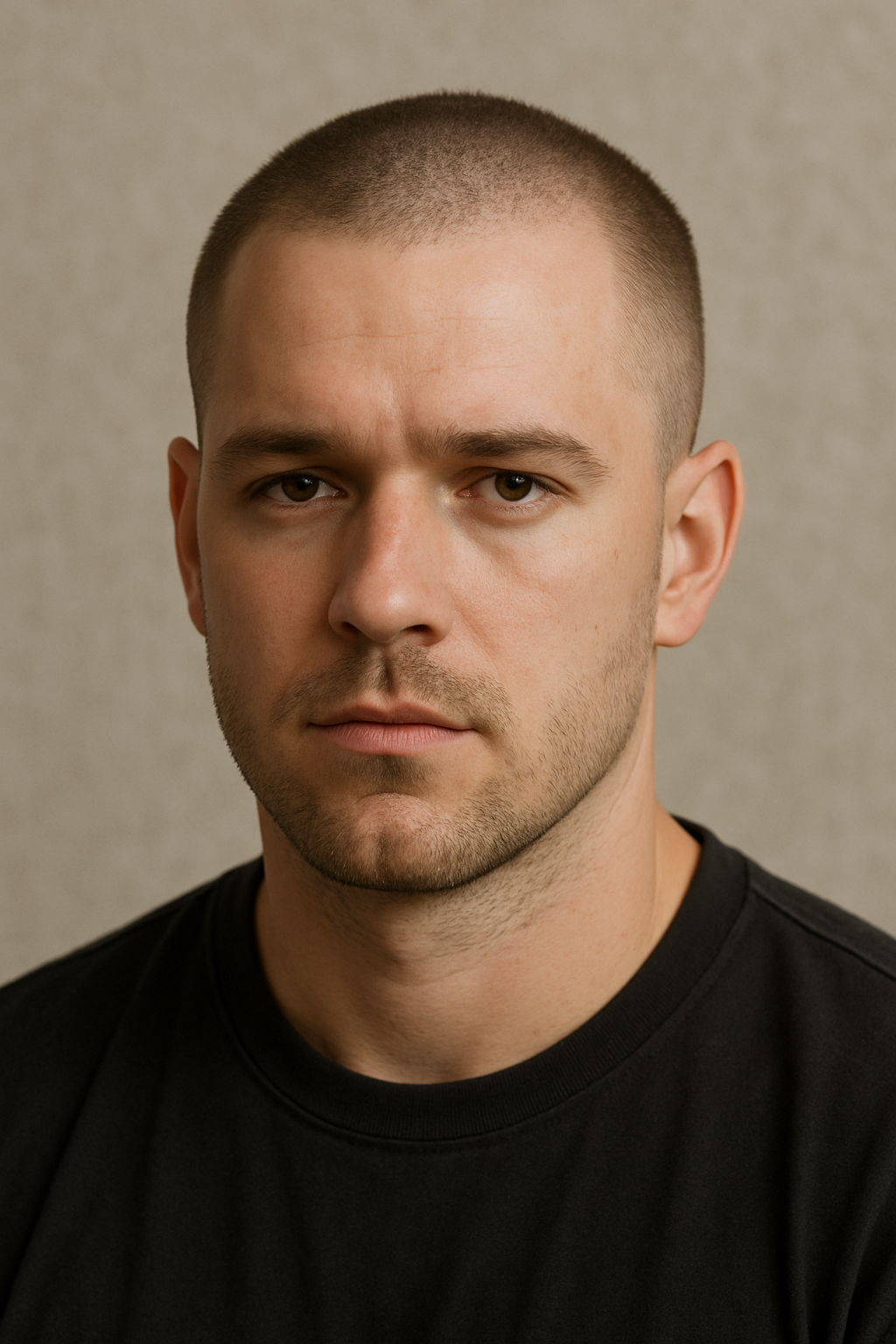
In 2011, men's haircut trends underwent a pivotal shift from the unkempt, shaggy "mop-top" styles of the late 2000s toward structured, vintage-inspired aesthetics. Defined by the resurgence of the "Modern Gentleman" look, 2011 popularized high-shine slick backs, aggressive undercuts, and precision side parts, largely influenced by mid-century television dramas and the burgeoning heritage movement.
The Cultural Catalyst: Why 2011 Redefined Men's Grooming
To understand the haircut trends of 2011, one must look at the cultural landscape of the time. This was the year that the "heritage" movement moved from niche subculture into the mainstream. For the first time in decades, men were looking backward to the 1920s and 1950s for stylistic guidance. The primary drivers were television and cinema.
AMC’s Mad Men was at its cultural peak, making Jon Hamm’s Don Draper the archetype for professional grooming. Simultaneously, HBO’s Boardwalk Empire introduced the general public to the "disconnected undercut" via the character Jimmy Darmody. These shows didn't just provide style inspiration; they fundamentally changed how men interacted with their barbers. The request transitioned from a generic "short on the sides, long on top" to specific technical demands for tapers, fades, and hard parts.
From our vantage point in 2026, 2011 remains the "ground zero" for the modern barbering revival. It was the year that the "unisex salon" began to lose ground to the traditional, artisanal barbershop, where hot towels and straight-razor finishes became the standard once again.
The Definitive Styles of 2011
The trends of 2011 can be categorized into four primary movements: The Heritage Slick-Back, The Disconnected Undercut, The Textured Quiff, and The Precision Buzz. Each of these styles required different technical approaches and specific styling products.
1. The Heritage Slick-Back and Side Part
This was the cornerstone of 2011 style. Often referred to as the "Executive Contour," this look emphasized a clean, professional silhouette.
- Technical Specifications: The cut typically involved a low taper on the sides and back, leaving three to five inches of length on top. The hair was parted following the natural growth pattern, though 2011 saw the rise of the "hard part"—where the barber would use a straight razor to etch the part line for maximum definition.
- Suitability: This style was particularly favored because it suited almost all face shapes, especially oval and square. It provided a sense of maturity that the previous decade's styles lacked.
- The Gosling Influence: Ryan Gosling’s appearance in Crazy, Stupid, Love (released in 2011) showcased a perfectly executed version of this style, blending classic Hollywood glamour with modern textures.
2. The Disconnected Undercut
While the slick-back was for the boardroom, the undercut was for the streets and the stage. This style was characterized by a sharp, "disconnected" transition between the long hair on top and the very short hair on the sides.
- The "Disconnected" Element: Unlike a traditional fade where the hair blends gradually, the 2011 undercut featured a harsh line. There was no transition; the hair went from a grade 1 or 2 clipper length immediately into long strands.
- Styling Versatility: The beauty of the 2011 undercut was its versatility. The top could be worn in a pompadour, slicked straight back, or allowed to fall forward in a "fringe" style. This look became synonymous with the "indie-sleaze" and hipster subcultures of the era.
3. The Textured Quiff
The quiff in 2011 was the more relaxed, rebellious cousin of the pompadour. It focused on volume and height at the forelock (the front of the hair) while maintaining a matte, "effortless" texture.
- Styling Mechanics: This look required a blow-dryer—a tool many men began using regularly for the first time in 2011. By drying the hair upward and backward, men could achieve height that wouldn't collapse throughout the day.
- The David Beckham Standard: As a perennial style icon, Beckham’s 2011 quiff—often paired with a light beard—set the standard for athletic, masculine grooming. It moved away from the "greaser" look toward something more contemporary and airy.
4. The Precision Buzz Cut with Stubble
For those who preferred low maintenance, the 2011 buzz cut wasn't just a "shaved head." It was an intentional, groomed look often paired with a "designer stubble" beard.
- The Aesthetic: The goal was to look sharp, not neglected. This meant frequent trips to the barber for "line-ups"—sharpening the hairline and sideburns with a razor.
- Balance: The trend emphasized the relationship between the hair on the head and facial hair. In 2011, the "scruffy" look became refined; it was about the contrast between the short hair and the carefully maintained 3-day growth on the face.
Comparison of 2011 Key Haircut Trends
| Style Name | Key Technical Feature | Maintenance Level | Recommended Product | Best For |
|---|---|---|---|---|
| Heritage Side Part | Tapered sides, defined part | Medium | High-shine Pomade | Corporate/Formal |
| Disconnected Undercut | No blend between top and sides | High (frequent trims) | Heavy Hold Wax | Creative/Fashion-forward |
| Textured Quiff | Volume at the front, messy finish | Medium | Matte Clay / Sea Salt Spray | Casual/Athletic |
| Precision Buzz | Uniform length, sharp edges | Low | Beard Oil (for stubble) | Minimalist/Active |
| The Ivy League | Short version of the side part | Low | Light Cream | Traditional/Preppy |
The Evolution of Grooming Products in 2011
Before 2011, the average man's bathroom cabinet likely contained a bottle of crunchy hair gel or a generic supermarket wax. The trends of 2011 necessitated a more sophisticated approach to product selection.
The Return of Pomade
With the slick-back dominating the charts, water-based pomades saw a massive surge. Brands like Layrite and Suavecito, which catered to the burgeoning rockabilly and traditional barbering scenes, became household names in the grooming community. Unlike the oil-based pomades of the 1950s, these 2011 versions offered the same high shine and "locked-in" hold but could be washed out easily with water.
Matte Clays and Sea Salt Sprays
For the textured quiff, shine was the enemy. 2011 marked the rise of "clay" products. These used bentonite or kaolin to provide a strong hold while absorbing excess oils, leaving the hair looking natural and dry. Sea salt sprays also became a staple for men with longer hair, providing a "beach-day" texture that mimicked the effortless looks seen on runways.
The Blow-Dryer Revolution
Perhaps the most significant "technical" trend of 2011 was the mainstreaming of the hair dryer for men. Barbers began educating their clients on how heat could be used to "train" the hair into the high-volume shapes required for pompadours and quiffs. This shifted the grooming routine from a 30-second application of gel to a 5-minute styling ritual.
Maintenance and Technical Execution
Achieving a 2011 trend-setting cut was only half the battle; maintaining the "clean" aesthetic was a full-time commitment.
The Importance of the Taper
In 2011, the "taper" became a mark of quality. Unlike a "fade," which exposes the skin, a taper gradually shortens the hair but usually leaves the natural hairline intact at the nape of the neck and around the ears. This provided a more conservative, "gentlemanly" finish that characterized the year's professional styles.
The Hard Part and Neckline Finishing
Barbers in 2011 began focusing heavily on the "finish." This involved:
- The Tapered Nape: Moving away from the "blocked" or square neckline of the 90s/00s in favor of a natural, faded finish that grew out more gracefully.
- Straight Razor Detailing: Using a traditional blade to clean up the "peach fuzz" on the neck and to sharpen the sideburns.
- The Hard Part: For the side part style, the barber would use clippers or a razor to widen the natural part line. While this looked incredibly sharp for the first week, it required maintenance every 10–14 days to prevent "stubble" from appearing in the part.
Frequently Asked Questions
What was the most popular men's haircut in 2011?
The most culturally significant haircut of 2011 was the Modern Side Part, often called the "Don Draper" look. It balanced classic masculine proportions with modern styling products to create a sharp, professional image that worked across various social settings.
How did the 2011 undercut differ from modern fades?
The 2011 undercut was primarily "disconnected," meaning there was no gradual transition between the shaved sides and the long top. Modern fades in 2026 typically focus on a seamless "blur" or gradient from skin to hair. The 2011 version was much more aggressive and high-contrast.
Was the "Man Bun" popular in 2011?
Not yet. While longer hair was starting to transition away from the "emo" look, the "Man Bun" did not reach peak popularity until 2013-2014. In 2011, long hair was generally worn down and textured, or in the early stages of being styled into a "top knot" as part of a disconnected undercut.
What products were essential for the 2011 "wet look"?
To achieve the high-shine, "wet" look popular in 2011, a high-quality water-based pomade was essential. Unlike gel, these pomades didn't flake and allowed the hair to be re-combed throughout the day using a little water.
How did facial hair trends complement the 2011 haircuts?
In 2011, the "heavy stubble" or "10-day beard" was the most popular accompaniment to the structured haircuts. While the full "lumberjack" beard was beginning to appear in hipster circles, the mainstream preference was for a clean-shaven face or very well-maintained stubble that didn't detract from the precision of the haircut.
Can these 2011 styles still be worn today?
Absolutely. Many of the 2011 trends are considered "timeless" because they are rooted in mid-century barbering. The side part and the tapered quiff remain staples of men's grooming. The only style that has significantly evolved is the disconnected undercut, which is now more commonly seen as a blended fade.
Next Steps for Achieving the Look
If you are looking to replicate a 2011-style haircut, your first action should be to find a barber who specializes in traditional men's grooming rather than a general stylist. Request a "classic taper" or a "side part with a natural blend."
When styling at home, invest in a high-quality water-based pomade for shine, or a matte clay for texture. Remember that the 2011 aesthetic is built on the foundation of the blow-dry. Use a vent brush and a blow-dryer on medium heat to create the volume and direction before applying any product. This ensures the style is held by the hair's structure, not just the "glue" of the product.