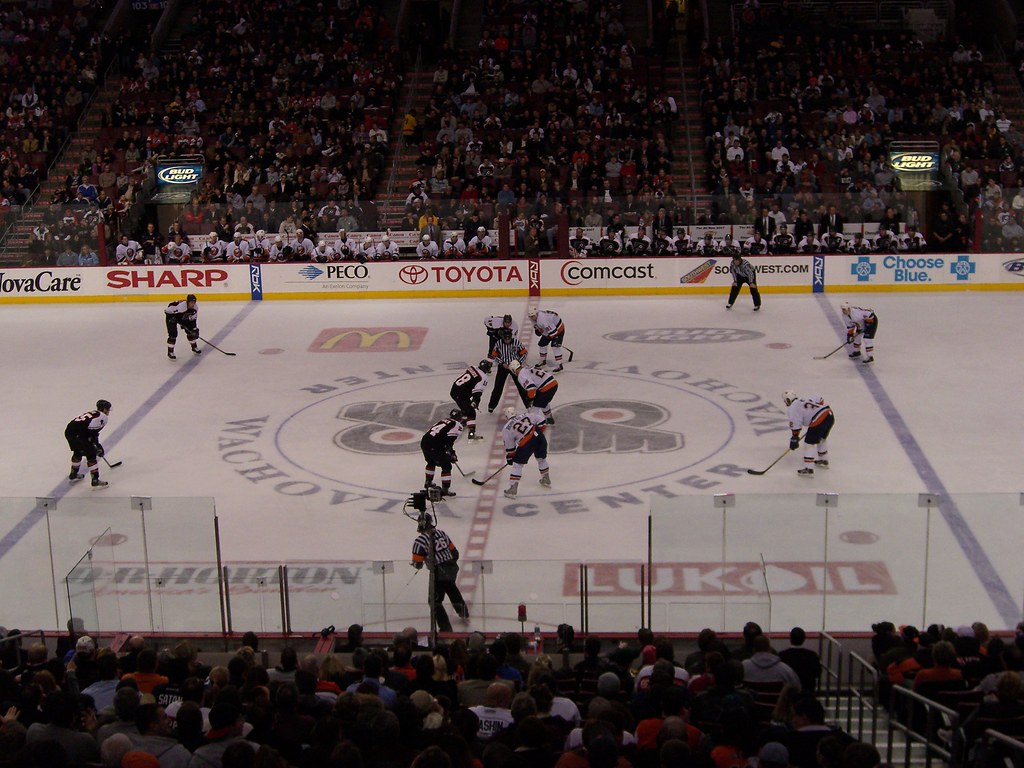
The 2009-10 Philadelphia Flyers season stands as one of the most dramatic, improbable, and resilient campaigns in the storied history of the franchise, culminating in an unforgettable run to the Stanley Cup Finals after a dramatic regular-season qualification and three intense playoff rounds.
Introduction and Context of the 2009-10 Campaign
When examining the 2010 Philadelphia Flyers season snapshot, observers look back at a year defined by extreme volatility, dramatic momentum shifts, a coaching change, legendary goaltending storylines, and an eventual Eastern Conference championship. The Flyers entered the 2009-10 National Hockey League (NHL) season with high expectations following a solid playoff appearance the previous spring. However, injuries, inconsistent play, and defensive struggles plagued the first half of the schedule, putting the team's postseason aspirations in serious jeopardy.
This comprehensive review explores the structural composition of the team, the critical turning points that saved their season, the electrifying playoff run, and the lasting legacy of the 2010 squad. By breaking down how a team that barely sneaked into the playoffs on the final day of the regular season managed to reach the Stanley Cup Finals, readers gain a clear perspective on the tactical and mental fortitude required to survive a grueling NHL postseason.
Preseason Expectations and Roster Construction
Entering the fall of 2009, general manager Paul Holmgren and head coach John Stevens had assembled a formidable roster blended with veteran leadership and elite offensive talent. The core of the team was anchored by captain Mike Richards, elite sniper Jeff Carter, physical powerhouse Chris Pronger, and skilled winger Simon Gagne.
The defense corps underwent a massive upgrade during the summer of 2009 when Holmgren traded for future Hall of Fame defenseman Chris Pronger from the Anaheim Ducks. Pronger brought immediate physical presence, elite puck-moving ability, and invaluable championship experience to Philadelphia's blue line. Offensively, the team boasted tremendous depth, featuring gritty forwards like Claude Giroux—who was emerging as a dynamic young star—alongside Scott Hartnell, Daniel Briere, and Ville Leino, who would later become a crucial piece of the postseason puzzle.
However, the team's most glaring question mark remained in goal. The Flyers opted to enter the season with a tandem of Ray Emery and Brian Boucher. While both goaltenders were respected professionals, the lack of a locked-in, elite franchise netminder created persistent anxiety among fans and analysts alike, setting the stage for high drama as the season progressed.
The Rollercoaster Regular Season
The regular season was anything but a smooth ride for Philadelphia. The campaign began with high hopes, but by December, the team hit a severe wall. Inconsistent defensive performances and a lack of cohesion led to a prolonged slump that dropped the Flyers out of the playoff picture in the ultra-competitive Eastern Conference.
The Coaching Change: Entering Peter Laviolette
Recognizing that the team was underperforming relative to its talent level, management made a decisive move on December 4, 2009. The organization relieved John Stevens of his coaching duties and named veteran bench boss Peter Laviolette as the new head coach.
Laviolette introduced a fast-paced, aggressive, possession-oriented system that emphasized high tempo and relentless forechecking. While it took several weeks for the players to fully adapt to the new tactical demands—resulting in some initial growing pains—the system eventually unlocked the full offensive potential of the roster. Claude Giroux saw an expanded role, Daniel Briere flourished in the high-tempo scheme, and the team's overall work ethic visibly sharpened.
The Historic Shootout Finale
The defining moment of the regular season occurred on the very last day: April 11, 2010. The equation for the Flyers was simple yet daunting: defeat the New York Rangers at the Wells Fargo Center (then known as the Wachovia Center) in regulation, overtime, or a shootout, and secure the final playoff spot in the Eastern Conference. A loss in regulation would eliminate them entirely and hand the postseason berth to the Rangers.
In a game etched into Philadelphia sports lore, the match went through a scoreless overtime tied 1-1 after regulation goals by Brian Rolston for New York and Matt Carle for Philadelphia. The game proceeded to a tense shootout. Brian Boucher turned away Rangers shooters, and veteran forward Claude Giroux scored the decisive goal, securing a 2-1 victory and sending the Flyers into the Stanley Cup Playoffs on the final breath of the regular season.
The 2010 Stanley Cup Playoffs Run
Securing the seventh seed meant facing formidable opponents right out of the gate. The 2010 playoff run tested the team's physical and mental limits through three grueling series before reaching the ultimate stage.
| Playoff Round | Opponent | Series Outcome |
|---|---|---|
| Eastern Quarters | New Jersey Devils | Flyers won 4–1 |
| Eastern Semis | Boston Bruins | Flyers won 4–3 (Historic) |
| Eastern Finals | Montreal Canadiens | Flyers won 4–1 |
| Stanley Cup Final | Chicago Blackhawks | Blackhawks won 4–2 |
Eastern Conference Quarterfinals vs. New Jersey Devils
The Flyers matched up against the division-rival New Jersey Devils, backstopped by legendary goaltender Martin Brodeur. Despite entering as the underdog on paper, the Flyers dismantled the Devils' structured defense with speed and physical forechecking. Goaltender Brian Boucher seized the starting job firmly, playing with poise and calming a defense led by Chris Pronger. The Flyers took the series in five games (4-1), signaling that their late-season surge was no fluke.
Eastern Conference Semifinals vs. Boston Bruins
The second-round series against the Boston Bruins produced one of the most remarkable comebacks in NHL history. The Flyers fell behind three games to none (3-0), putting them on the brink of elimination.
Facing elimination in Game 4, the Flyers rallied behind backup goaltender Michael Leighton—who had returned from injury—and secured an overtime win. They continued to claw their way back, winning Game 5 in Boston and dominating Game 6 at home to force a decisive Game 7 at TD Garden. In Game 7, the Flyers completed the historic reverse sweep, erasing a 3-0 deficit with goals by James van Riemsdyk, Scott Hartnell, and Simon Gagne, who scored the game-winner to complete the 4-3 series triumph.
Eastern Conference Finals vs. Montreal Canadiens
Carrying immense momentum from their historic comeback against Boston, the Flyers faced the Montreal Canadiens, who had similarly surprised the hockey world by eliminating elite opponents. The Flyers controlled the pace of the series with superior physical play and consistent depth scoring. Ville Leino and Daniel Briere starred offensively, while the defense successfully stifled Montreal's attack. The Flyers defeated the Canadiens in five games (4-1), capturing the Prince of Wales Trophy and advancing to the Stanley Cup Finals for the first time since 1997.
Stanley Cup Finals vs. Chicago Blackhawks
In the Stanley Cup Finals, the Flyers met a powerhouse Chicago Blackhawks team featuring elite young superstars like Jonathan Toews, Patrick Kane, Duncan Keith, and Marian Hossa. The series was an entertaining, high-scoring affair characterized by momentum swings and dramatic finishes, including a dramatic overtime game-winner by Simon Gagne in Game 3 and a thrilling Game 4 victory in Philadelphia.
Ultimately, the depth and speed of the Blackhawks proved too much to overcome. The series concluded in Game 6 in Philadelphia, where Patrick Kane scored an iconic, albeit controversial, overtime goal at 4:06 of the extra frame, securing the Stanley Cup for Chicago. Though the Flyers fell short of capturing the championship, their resilience throughout the spring earned widespread respect across the hockey world.
Key Contributors and Tactical Evolution
The success of the 2010 Flyers cannot be attributed to a single player, but rather to a distinct combination of elite veteran acquisition, tactical restructuring under Peter Laviolette, and unexpected heroics from depth players.
- Chris Pronger: Provided unmatched defensive stability, power-play quarterbacking, and veteran leadership that anchored the team through turbulent playoff moments.
- Daniel Briere: Led the team in postseason scoring, displaying elite clutch performance and offensive creativity when it mattered most.
- Ville Leino: Emerged as a revelation during the postseason after being acquired earlier in the year, setting a franchise rookie playoff scoring record with 21 points.
- Brian Boucher and Michael Leighton: Shared goaltending duties through trials, injuries, and immense pressure, proving essential to the team's deep playoff advance.
Frequently Asked Questions
Who was the head coach of the Philadelphia Flyers during the 2010 season?
John Stevens began the season as head coach, but after an inconsistent start, the organization replaced him with Peter Laviolette on December 4, 2009. Laviolette successfully implemented a fast-paced system that propelled the team into the playoffs and all the way to the Stanley Cup Finals.
How did the Flyers qualify for the 2010 playoffs?
The Flyers qualified on the final day of the regular season, April 11, 2010, by defeating the New York Rangers in a dramatic shootout at home. A regulation loss would have eliminated them, making the shootout victory one of the most memorable moments in franchise history.
Which teams did the Flyers defeat in the 2010 postseason?
During their run to the Stanley Cup Finals, the Flyers defeated the New Jersey Devils in five games in the first round, engineered a historic 3-0 series comeback against the Boston Bruins in the second round, and beat the Montreal Canadiens in five games in the Eastern Conference Finals.
Who led the Flyers in playoff scoring in 2010?
Forward Daniel Briere led the team in postseason scoring, recording 30 points (12 goals and 18 assists) in 23 playoff games, establishing himself as one of the most clutch performers in the league that spring.
What was the outcome of the 2010 Stanley Cup Finals?
The Flyers faced the Chicago Blackhawks in the Stanley Cup Finals. Chicago won the series four games to two (4-2), capturing the championship on Patrick Kane's overtime goal in Game 6 in Philadelphia.
Conclusion and Legacy
The 2010 Philadelphia Flyers season snapshot remains a defining chapter of modern NHL history. From a turbulent start and a mid-season coaching change to a dramatic shootout qualification on the final day of the regular season and an unforgettable playoff run featuring a rare 3-0 series comeback, the team exemplified resilience. Although they fell just short of lifting the Stanley Cup, the character, grit, and dramatic flair of the 2009-10 squad continue to resonate strongly with hockey fans and analysts.