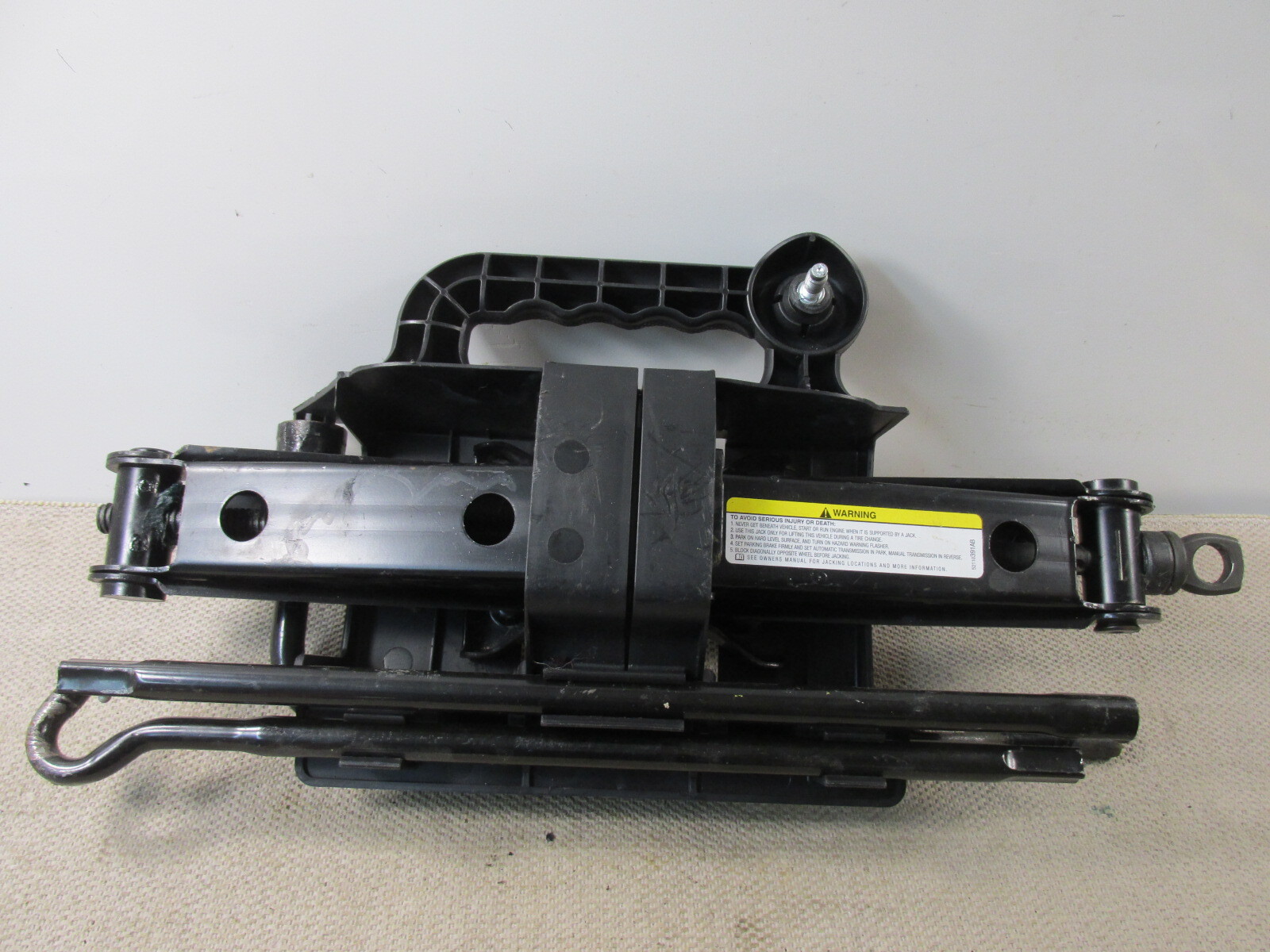
Lifting a 2005 Jeep Liberty safely requires locating the manufacturer-approved jack points on the unibody frame rails, pinch welds, and reinforced axle tubes to prevent structural damage, vehicle instability, and catastrophic failure. Whether you are performing a routine tire rotation, inspecting brake pads, or changing suspension components, knowing the exact placement of your floor jack and jack stands is essential for safe vehicle maintenance.
Understanding the 2005 Jeep Liberty Frame and Unibody Construction
The 2005 Jeep Liberty (KJ generation) utilizes a unibody design with integrated frame rails, often referred to as a "uni-frame" structure. Unlike traditional body-on-frame trucks that allow you to place a hydraulic jack almost anywhere along a heavy steel ladder frame, the Jeep Liberty requires precise placement. Placing a heavy hydraulic floor jack against weak floor pan sheet metal will immediately crush the body panels, ruin the structural integrity of the vehicle, and cause the car to slip.
Before attempting to lift your vehicle, you must distinguish between temporary emergency lifting and workshop lifting. The factory scissor jack found in the trunk emergency kit is designed solely for changing a flat tire on a flat, level surface using specific pinch weld notches. In contrast, heavy-duty floor jacks and rigid steel jack stands used during mechanical repairs require contact with the reinforced frame rails and solid axle housings.
Safety Guidelines and Preparation Requirements
Lifting an SUV weighing over 4,000 pounds demands strict adherence to automotive safety standards. Ignoring these precautions can lead to severe injury or death if the vehicle slips off a jack or stand.
- Level Surface: Always park the Jeep Liberty on a flat, hard, and level surface such as concrete or asphalt. Never attempt to lift a vehicle on soft dirt, gravel, or an incline.
- Wheel Chocks: Engage the emergency parking brake firmly. Place heavy-duty wheel chocks securely against the tires that will remain on the ground to prevent rolling.
- Weight Capacity: Ensure your hydraulic floor jack and jack stands are rated to handle at least 2 to 3 tons. Never rely solely on a hydraulic jack to hold a vehicle while you work underneath it.
- Safety Glasses and Gear: Wear eye protection and appropriate clothing. Keep body parts clear of the vehicle's suspension paths while lifting or lowering.
Front Jack Points for the 2005 Jeep Liberty
Locating the correct front lifting points prevents damage to the steering components, oil pan, and plastic lower valances.
Front Crossmember (Central Lifting Point)
For raising the entire front end simultaneously, use a low-profile hydraulic floor jack on the central front crossmember.
- Location: Position the jack pad directly under the heavy-duty steel crossmember located behind the front bumper and lower skid plate.
- Caution: Ensure the jack saddle does not press against the oil pan, transmission cooler lines, or steering rack boots.
Front Frame Rails and Pinch Welds (Jack Stand Locations)
Once the front is raised using the central crossmember, you must support the vehicle with jack stands.
- Location: Look along the unibody frame rails running underneath the front doors, just behind the front wheel wells. You will see reinforced sections and factory pinch weld tabs designated for lifting.
- Procedure: Place the V-notch or flat saddle of your jack stand directly under these reinforced frame sections. Lower the vehicle slowly onto the stands, ensuring they sit flush against the solid metal without pinching or bending brake or fuel lines running alongside the frame.
Rear Jack Points for the 2005 Jeep Liberty
The rear suspension of the 2005 Jeep Liberty features a solid rear axle, which simplifies lifting compared to the front unibody structure.
Rear Differential Housing (Central Lifting Point)
To raise the entire rear end of the vehicle at once:
- Location: Position your hydraulic floor jack directly under the center of the rear differential housing (the pumpkin).
- Caution: Center the jack pad carefully on the thick cast-iron portion of the differential housing. Never place the jack under the stamped steel differential cover or the axle breather tube, as this will cause fluid leaks or structural cracks.
Rear Axle Tubes (Jack Stand Locations)
After lifting the rear via the differential, support the vehicle using stable jack stands.
- Location: Place the jack stands directly underneath the solid steel rear axle tubes, positioned outward toward the wheels, just inside the lower shock absorber or leaf spring/control arm mounts.
- Caution: Avoid placing jack stands under brake lines, parking brake cables, or the lower control arm mounting brackets unless specified by a factory service manual.
Summary of 2005 Jeep Liberty Lift Points
| Area | Component | Primary Purpose | Safety Considerations |
|---|---|---|---|
| Front | Central Crossmember | Hydraulic Floor Jack Lift | Avoid oil pan and steering rack components. |
| Front | Reinforced Frame Rails | Jack Stand Support | Verify secure contact with heavy unibody steel. |
| Rear | Differential Housing | Hydraulic Floor Jack Lift | Center on cast iron; avoid stamped cover. |
| Rear | Solid Axle Tubes | Jack Stand Support | Keep clear of brake lines and control arm brackets. |
Common Mistakes to Avoid When Lifting a Jeep Liberty
Mechanics and DIYers frequently make avoidable errors when working on older unibody SUVs.
- Lifting on Floor Pans: Never place a jack under the flat sheet metal floorboards beneath the driver or passenger seats. This will immediately puncture the cabin floor.
- Over-Extending Jack Stands: Do not extend jack stands to their maximum height unless absolutely necessary, as this reduces lateral stability. Use wooden blocks rated for automotive weight if extra height is required on a concrete floor.
- Ignoring Pinch Weld Corrosion: On a 2005 model, rust can weaken the pinch welds. Inspect the frame rails for excessive corrosion before applying pressure. If the metal flakes or crumbles, find a sound structural area nearby.
- Failing the Shake Test: Once the vehicle is resting on jack stands, firmly push and pull the Jeep from multiple angles to verify stability before sliding underneath.
Frequently Asked Questions
Where is the factory scissor jack point on a 2005 Jeep Liberty?
The factory emergency jack is designed to locate small notched sections on the pinch welds directly behind the front wheels or directly ahead of the rear wheels. These notches fit into the slot of the factory scissor jack head to prevent slipping during roadside tire changes.
Can I use a standard bottle jack on the Jeep Liberty frame?
Yes, a hydraulic bottle jack can be used, but you must exercise extreme caution. Bottle jacks have a very small contact pad, which can easily slip off rounded frame rails or dent unibody metal if not paired with a specialized saddle adapter.
What should I do if my jack slips while lifting?
Stop pumping the jack immediately. Never reach under a falling vehicle. If the vehicle begins to tilt or slide, clear the area instantly and reassess the stability of your equipment on level ground before attempting to reposition the jack.
Is it safe to lift a 2005 Jeep Liberty by the bumpers?
No. The factory bumpers and plastic fascia on the 2005 Jeep Liberty are reinforced only for low-impact energy absorption, not for supporting the gross vehicle weight. Lifting by the bumpers will tear the mounting brackets and cause the vehicle to drop.
Always prioritize safety by double-checking your jack and jack stand placements before beginning any under-vehicle maintenance on your 2005 Jeep Liberty.