Brandy Norwood achieved extraordinary multi-media success during the 1990s, generating millions through her self-titled debut album, the hit sitcom Moesha, a groundbreaking role as Cinderella, and lucrative global endorsement deals. While a definitive, independently audited net worth figure of "$20 million" from that exact decade remains a frequently cited media estimate rather than an officially disclosed financial statement, her rapid accumulation of wealth established her as one of the most successful young entertainers of her era.
The Foundation of 1990s Stardom: Music and Television Breakthroughs
The financial trajectory of Brandy Norwood in the 1990s cannot be separated from her rapid ascent in both the recording industry and television. Born in 1979 in McComb, Mississippi, and raised in Carson, California, Brandy entered the entertainment landscape as a teenage prodigy. Her entry into professional entertainment was marked by an intense, multi-faceted work ethic that simultaneously leveraged television acting, singing, and major corporate sponsorships.
Her self-titled debut studio album, released in September 1994 by Atlantic Records, served as her primary musical launchpad. The project achieved massive commercial success, eventually being certified quadruple platinum by the Recording Industry Association of America (RIAA) for shipping over four million units in the United States alone. Hit singles such as "I Wanna Be Down" and "Baby" dominated urban and pop radio formats, generating substantial recording royalties, publishing revenue, and touring income.
Simultaneously, Brandy transitioned into television. In January 1996, she began starring as Moesha Mitchell in the UPN sitcom Moesha. The show became a flagship series for the fledgling television network, pulling in massive demographic ratings and turning Brandy into a household name. Network television salaries for lead actors on successful syndicated sitcoms during the late 1990s scaled rapidly, providing a stable, high-tier baseline of recurring income alongside her ongoing music royalties.
Multi-Platform Expansion: Film, Endorsement Deals, and Corporate Partnerships
Beyond music and weekly television production, Brandy’s financial portfolio expanded significantly through high-profile acting roles and lucrative corporate sponsorships. Her visibility made her an ideal partner for major consumer brands seeking to connect with the lucrative youth and teenage demographic of the mid-to-late 1990s.
In 1997, Brandy landed the titular role in Rodgers & Hammerstein's Cinderella alongside Whitney Houston on ABC's The Wonderful World of Disney. The broadcast drew an estimated 60 million viewers, making it one of the most-watched television musical events of the decade. This role not only elevated her global profile as an actress but also commanded substantial talent fees and opened doors for high-value commercial endorsements.
During this peak period, Brandy secured landmark endorsement partnerships, most notably with CoverGirl. Becoming a major face for the cosmetics giant involved multi-year global advertising campaigns spanning television commercials, print media, and promotional tours. Additionally, deals with companies like Candie's footwear solidified her commercial reach.
Key Revenue Streams of the 1990s
| Revenue Source | Primary Vehicle / Project | Estimated Financial Impact |
|---|---|---|
| Recorded Music | Brandy (1994) & Never Say Never (1998) | Multi-platinum album sales, global touring, publishing royalties |
| Television Acting | Moesha (UPN Network, 1996–2001) | Per-episode acting salaries, backend syndication revenue potential |
| Feature Film & Television Specials | Cinderella (ABC, 1997), I Still Know What You Did Last Summer (1998) | Upfront talent fees, global box office participation |
| Corporate Endorsements | CoverGirl, Candie's Shoes | Multi-million dollar promotional contracts and global visibility |
Deconstructing the "20 Million" Valuation Metric
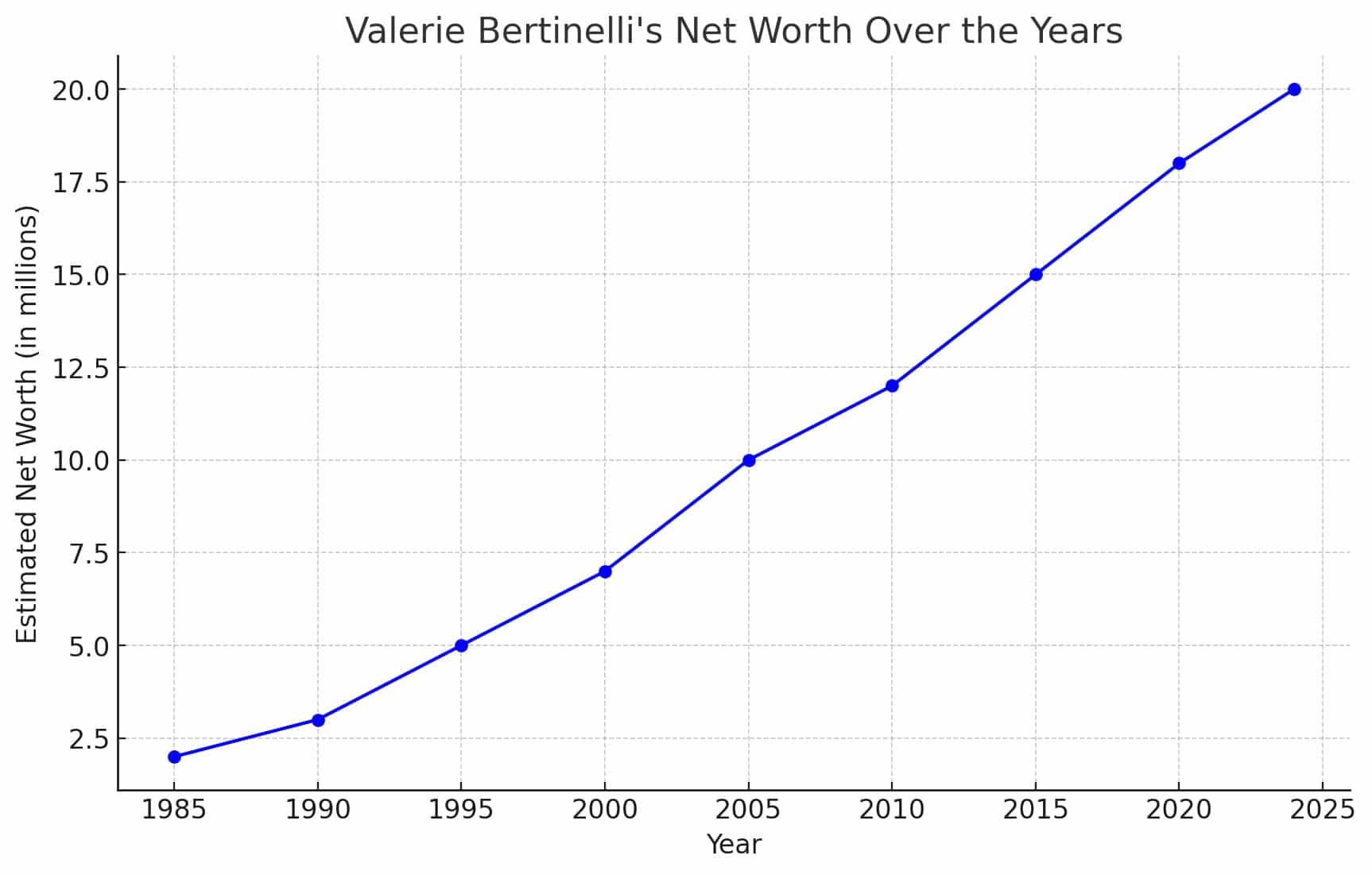
The figure of $20 million is frequently cited in biographical retrospectives and entertainment journalism as an approximation of Brandy’s cumulative earnings or net worth peak toward the end of the 1990s. Understanding how this number fits into the historical context requires examining how celebrity wealth was generated, taxed, and reported during the pre-digital era.
Unlike today, where artists frequently retain ownership of masters, equity in digital streaming platforms, and direct-to-consumer digital empires, 1990s pop stars operated under traditional record label and network television contracts. Out of a multi-million-dollar gross revenue stream generated by album sales and endorsement contracts, deductions were routinely made for:
- Managerial and legal representation commissions (frequently ranging from 15% to 20%).
- Production costs, recording studio fees, and music video budgets often recoupable against artist royalties.
- Federal, state, and local income taxes, which claimed significant portions of high-earning minor and young adult incomes.
- Personal expenses, public relations teams, styling, and touring overhead.
Consequently, while her gross earnings across music, television, film, and merchandising easily scaled into the tens of millions of dollars by the release of her second studio album, Never Say Never (1998)—which sold over 16 million copies worldwide—net worth figures from that era are notoriously speculative. They reflect estimated cumulative market value and lifetime earnings up to that point rather than verified liquid bank accounts or audited portfolio sheets.
Cultural Legacy and Financial Resilience into the 2000s
The financial momentum established by Brandy in the 1990s created a durable professional foundation that sustained her career through subsequent industry shifts. The transition from physical compact disc sales to digital downloads and streaming in the 2000s altered the economic realities for many legacy R&B artists, yet Brandy's early multi-media diversification—spanning television production credits, timeless cinematic appearances, and a deep catalog of master recordings—protected her long-term artistic viability.
Her influence on 1990s R&B, particularly her distinct vocal layering techniques and contemporary aesthetic, ensured enduring demand for concert appearances, television reboots, and acting roles in later decades. By examining her 1990s rise through the lens of verified commercial milestones rather than unverified tabloid tallies, observers gain a clearer picture of how a teenage phenomenon successfully built a lasting entertainment enterprise.
Frequently Asked Questions
What was Brandy's breakout project in the 1990s?
Brandy's official breakout began with the release of her self-titled debut album in September 1994, which went quadruple platinum. This musical success was quickly compounded by her starring role in the hit television sitcom Moesha, which premiered in January 1996 and cemented her status as a mainstream pop culture icon.
How much did Brandy earn from Moesha?
Exact per-episode salary figures for Moesha were subject to standard confidential television contracts of the 1990s. However, as the lead star of a hit primetime series on a growing network across its multi-season run, her compensation placed her among the highest-paid young television actors of that era.
Did Brandy own her masters during the 1990s?
Like the vast majority of major-label recording artists signed in the 1990s, Brandy recorded under standard agreements with Atlantic Records. Under these industry-standard contracts, the record label retained ownership of the master recordings while the artist received royalty percentages after recoupment of recording and promotional costs.
What was the impact of the 1997 Cinderella broadcast on her career?
Starring as Cinderella in the ABC television film alongside Whitney Houston brought Brandy unprecedented mainstream exposure. The broadcast attracted roughly 60 million viewers, expanded her demographic appeal across family and international markets, and strengthened her leverage for major endorsement contracts.
Is the $20 million net worth figure officially verified?
No official, audited financial statement from the 1990s confirms an exact $20 million net worth. That figure represents a common historical estimate published by media outlets and financial biographers to quantify her massive cumulative gross earnings from record sales, television salaries, and global endorsements at her peak.
Next Actions and Further Exploration
For researchers, industry analysts, or fans seeking a deeper understanding of 1990s entertainment economics, reviewing official RIAA certification databases, Billboard chart archives from 1994 to 1999, and historical trade publications such as Billboard and Variety provides verifiable documentation of her commercial reach. Evaluating these primary sources separates manufactured tabloid claims from the documented multi-platinum reality of Brandy's historic decade.