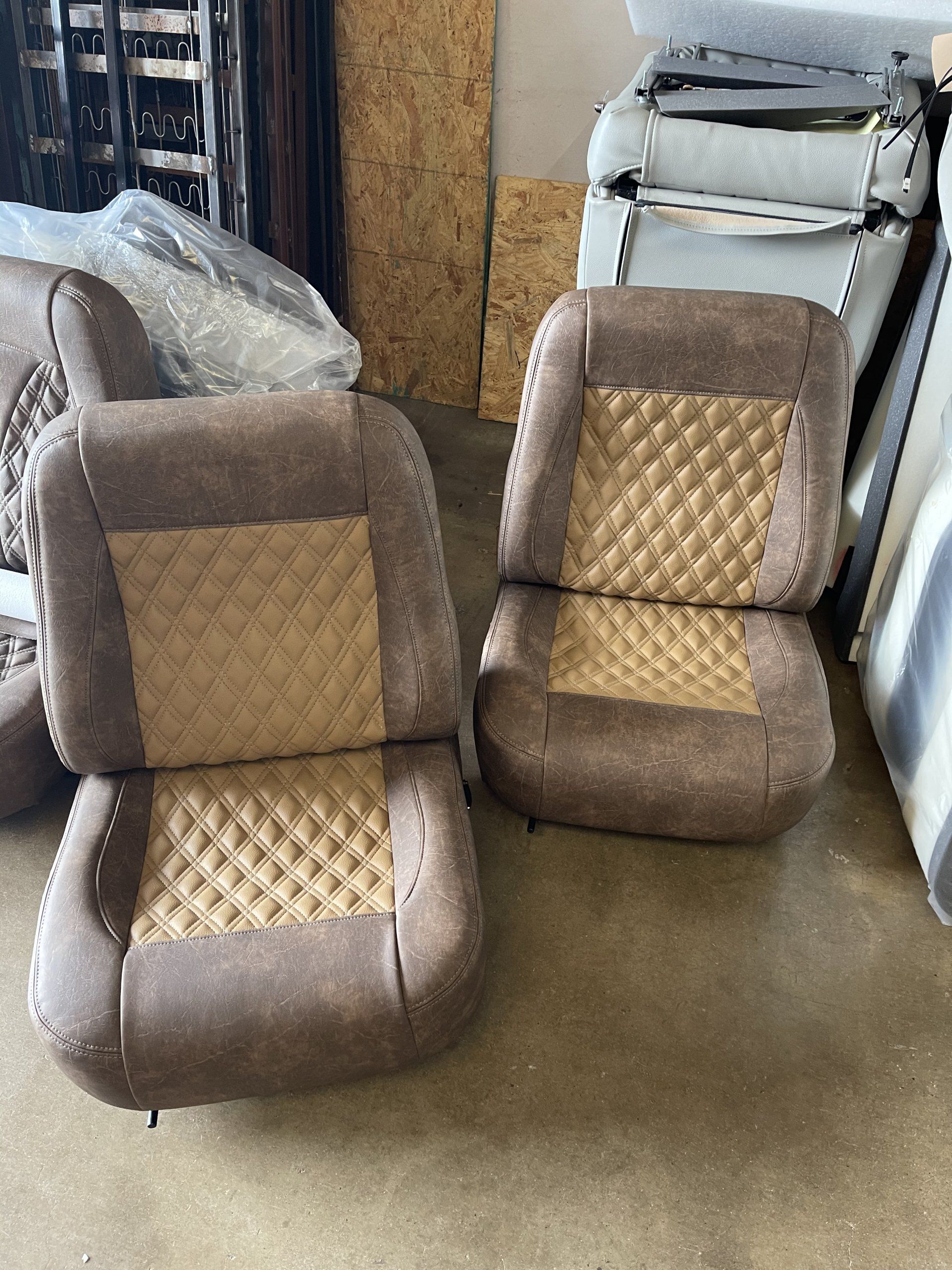
Bucket seats for 1988 to 1998 Chevy trucks (the GMT400 platform) are highly sought-after upgrades for enthusiasts seeking improved comfort, aesthetics, and functionality. These seats vary by cab configuration and trim level, typically requiring specific mounting brackets and floor-pan considerations to ensure a secure, factory-correct installation in trucks originally equipped with bench seats.
The 1988 to 1998 generation of Chevrolet and GMC C/K trucks, often referred to by enthusiasts as the OBS (Old Body Style), represented a massive leap forward in pickup truck ergonomics. For the first time, the interior was designed with passenger car comfort in mind. Central to this evolution was the bucket seat option. Whether you are restoring a high-trim Silverado to showroom condition or upgrading a base-model Cheyenne for a more comfortable daily drive in 2026, understanding the nuances of these seats is essential for a successful project.
The Evolution of GMT400 Bucket Seats
The bucket seats found in these trucks evolved significantly over their ten-year production run. While the frame mounting points remained somewhat consistent, the padding, upholstery patterns, and electronic features changed to keep pace with consumer expectations.
The Early Era: 1988–1994
In the early years of the GMT400, bucket seats were characterized by a more "utilitarian-plush" feel. The upholstery often featured heavy-duty velour or thick vinyl. During this period, the seats were generally flatter than later versions, reflecting the design language of the late 1980s.
These seats usually featured manual recline levers and were often paired with a plastic center console that offered deep storage but lacked the refined cup holders seen in later models. A key identifier for these early seats is the headrest design; many were "low-back" style with an adjustable headrest that sat on two thin metal posts.
The Refresh Era: 1995–1998
In 1995, General Motors overhauled the interior of the C/K truck line. The dashboard became rounded, and the seats received a corresponding update. The 1995–1998 bucket seats are widely considered the most comfortable of the generation. They featured thicker side bolsters, improved lumbar support, and higher-quality foam densities.
This era also saw the introduction of more sophisticated power options. While 6-way power seats existed in earlier years, the 1995+ models frequently featured power lumbar support and, in high-end Suburban or Tahoe trims, leather surfaces with integrated heating elements. These seats are the primary target for modern restorers due to their superior ergonomics.
Identifying Seat Types and Cab Compatibility
One of the most common mistakes builders make is assuming all bucket seats from this era are interchangeable. While they look similar, the mounting brackets are dictated by the cab style of the donor and recipient vehicles.
Regular Cab vs. Extended Cab
The floor pans of a 1988–1998 Chevy truck are not flat. The regular cab floor has a different "hump" profile compared to the extended cab (Club Cab).
- Regular Cab Buckets: These seats sit on brackets designed to accommodate a steeper incline in the floor pan near the rear of the cab.
- Extended Cab Buckets: These usually feature a "low-profile" bracket because the floor pan in an extended cab is relatively flat to allow for the rear footwell.
If you try to bolt extended cab bucket seats into a regular cab truck, the seats will likely tilt backward at an awkward angle or fail to clear the rear bulkhead. To fix this, you must either swap the tracks (the metal sliders) or fabricate spacers, though sourcing the correct cab-specific brackets is always the safer and more professional route.
Suburban and Tahoe Variance
The bucket seats found in the Chevrolet Suburban and Tahoe from 1992 to 1999 (which shared the GMT400 platform) are often leather-clad and feature armrests on both sides. These are excellent candidates for truck swaps, but they almost always utilize the "extended cab" style mounting footprint. If you are putting these into a 1500 regular cab pickup, be prepared for bracket modifications.
Technical Specifications and Features
When sourcing bucket seats in 2026, it is important to verify the features to ensure they match your truck's wiring harness or your willingness to run new electrical lines.
| Feature | 1988-1994 Models | 1995-1998 Models |
|---|---|---|
| Adjustment Type | Primarily Manual / Optional 4-way Power | Manual or 6-way Power with Lumbar |
| Headrest Style | Adjustable (Two-Post) | Integrated or Single-Post Large |
| Common Fabric | Velour, Vinyl, "Mouse Hair" Cloth | Flat Weave Cloth, Premium Leather |
| Armrests | Generally not integrated (Console used) | Integrated fold-down armrests common |
| Seat Belt Setup | B-Pillar Mounted | B-Pillar Mounted (Note: 1999+ moved to seat-integrated) |
The "Chevy Lean" and Frame Repair
A notorious issue with 1988–1998 bucket seats is the "Chevy Lean." Over decades of use, the weight of the driver entering and exiting the vehicle puts immense stress on the outer edge of the seat frame.
Why the Frame Fails
The seat frames are constructed of stamped steel. The constant torque applied to the left-side bolster (on the driver's side) eventually causes the metal to fatigue and crack. If your seat feels like it is tilting toward the door, the upholstery is likely hiding a fractured frame.
How to Fix It
- Disassembly: Remove the seat from the truck and strip the upholstery and foam from the metal base.
- Welding: Locate the stress fractures near the mounting feet or the pivot point of the backrest. Use a MIG welder to reinforce these areas, often adding a small gusset of 1/8-inch steel to prevent future cracking.
- Foam Inspection: While the seat is apart, check the wire "zig-zag" springs. If they are stretched or unhooked, the seat will sag. Re-tensioning these springs is vital for restoring the original ride height.
Restoration: Foam and Upholstery
As of 2026, original GM seat covers in good condition are nearly impossible to find in salvage yards. Fortunately, the aftermarket support for these trucks has reached a peak.
Replacing Seat Foam
The foam is the foundation of comfort. Even if the fabric looks decent, the polyurethane foam inside likely has "dry rot" or has lost its structural integrity. Companies like The Seat Shop and various restoration houses now manufacture reproduction foam cushions that are denser and more durable than the originals. When installing new foam, many experts recommend adding a layer of high-density "scrim foam" or burlap over the springs to prevent the new cushion from being "cut" by the metal wires over time.
Choosing the Right Fabric
To maintain the value of a 1988–1998 Chevy, matching the factory interior code is crucial. You can find your interior trim code on the Service Parts Identification (SPID) sticker, usually located in the glove box.
- Code 13D/13I: Light Smoke Gray
- Code 52D/52I: Light Oak / Tan
- Code 19D/19I: Ebony / Black (Rare in earlier models)
- Code 42D: Blue
High-quality replacement covers are available in original-style cloth, but many owners choose to upgrade to "leather-appointed" surfaces during the restoration process to mimic the look of the top-tier Silverado or Sierra trims.
Swapping Bench Seats for Bucket Seats
If your truck currently has a bench seat (solid or 60/40 split), converting to true bucket seats is one of the most impactful interior modifications you can perform. However, it is not a "drop-in" procedure for every truck.
The Center Console Requirement
When you move from a bench to buckets, you will have a large empty space in the center of the cab. You will need to source a GMT400-specific center console. These consoles bolt to the floor using four self-tapping bolts.
- Note: The floor under a bench seat may not have the mounting holes for a console. You will need to pull back the carpet, position the console, and drill new holes, ensuring you don't puncture the transmission tunnel or wiring looms underneath.
Drilling New Mounting Holes
In some 1988–1998 models, the inner mounting holes for bucket seats (those closest to the transmission tunnel) are already present in the floor pan but are covered by plastic plugs or the carpet. In other models—specifically base-trim work trucks—you may need to drill these holes.
- Safety Tip: Always use large "fender washers" or reinforcement plates on the underside of the cab floor when drilling new seat holes. In the event of a collision, the thin sheet metal of the floor can tear if the bolts are not properly reinforced.
Aftermarket Alternatives
For those who prioritize performance or modern ergonomics over factory originality, several aftermarket companies offer "bolt-in" solutions for the GMT400.
- Corbeau and Procar: These brands offer specific seat brackets designed to bolt directly into the 1988–1998 floor pan holes. This allows you to install modern racing-style buckets or "retro" sport seats without fabrication.
- GMT800/900 Swaps: Many owners attempt to install seats from 1999–2006 (GMT800) or 2007–2013 (GMT900) trucks. While these seats are arguably more comfortable and often feature integrated seat belts (which is great for regular cabs), the brackets do not match. To perform this swap, you must either modify the GMT800 tracks to fit the GMT400 floor or buy aftermarket conversion brackets.
Frequently Asked Questions
Can I put 1995–1998 bucket seats into a 1988–1994 truck?
Yes, the seats will physically bolt into the floor as long as the cab configuration (Regular vs. Extended) matches. However, the electrical connectors for power options changed in 1995. You will likely need to splice the wiring harness or swap the plastic side trim and switches to make the power functions work seamlessly.
Are Chevy Suburban bucket seats the same as Chevy Truck bucket seats?
The seat "uppers" (the part you sit on) are essentially identical. However, Suburban seats usually come with armrests and different pedestal heights. Most Suburban seats use the "Extended Cab" style floor mounting. If you put Suburban seats into a Regular Cab truck, the seat may sit too high or too far forward for comfortable driving.
Why is my driver-side bucket seat leaning toward the door?
This is the classic "Chevy Lean," caused by a cracked steel seat frame. Over time, the pressure of sliding in and out of the truck snaps the welds on the outer bolster support. To fix this, the seat must be removed, stripped to the frame, and welded back together.
Do the 1988–1998 bucket seats have side airbags?
No. Side-impact airbags were not an option on the GMT400 platform pickups. This makes seat swaps and upholstery work much simpler and safer for the DIYer, as there are no explosive charges or sensitive SRS sensors within the seat structure itself.
How do I clean the original velour bucket seats?
The velour used in early 90s Chevy trucks is very durable but traps odors. Use a high-quality upholstery extractor (steam cleaner) with a mild detergent. Avoid oversaturating the foam, as old foam can crumble if it stays damp for too long. For stubborn stains, a soft-bristled brush and an enzyme-based cleaner work best.
Final Recommendations for Your Project
When searching for 1988 to 1998 Chevy truck bucket seats in 2026, prioritize the integrity of the frame over the condition of the fabric. Fabric and foam are easily replaced with high-quality aftermarket kits, but a bent or heavily rusted frame requires significant fabrication work.
If you are performing a bench-to-bucket swap, always try to find a "complete set" from a donor vehicle, including the seats, the tracks, the center console, and the specific floor mounting bolts. This ensures a factory-clean look and saves you the frustration of hunting for small plastic trim pieces or rare mounting brackets later. Finally, always verify your cab style; matching a Regular Cab seat to a Regular Cab truck will save you hours of bracket modification and ensure your seating position remains ergonomically correct.