Choosing between the Samsung Galaxy S8 Plus and the Apple iPhone X in 2026 requires understanding that both devices represent a pivotal transition point in mobile engineering. While neither phone offers the cutting-edge performance of current flagship devices, they remain functional, iconic hardware choices for secondary use, collector interest, or budget-conscious accessibility. The core difference lies in their fundamental approach: the S8 Plus offers a refined, expansive Android experience focused on display-to-body ratio, while the iPhone X launched Apple into the modern era of Face ID and gesture-based navigation.
Evolution of Design and Display Philosophy
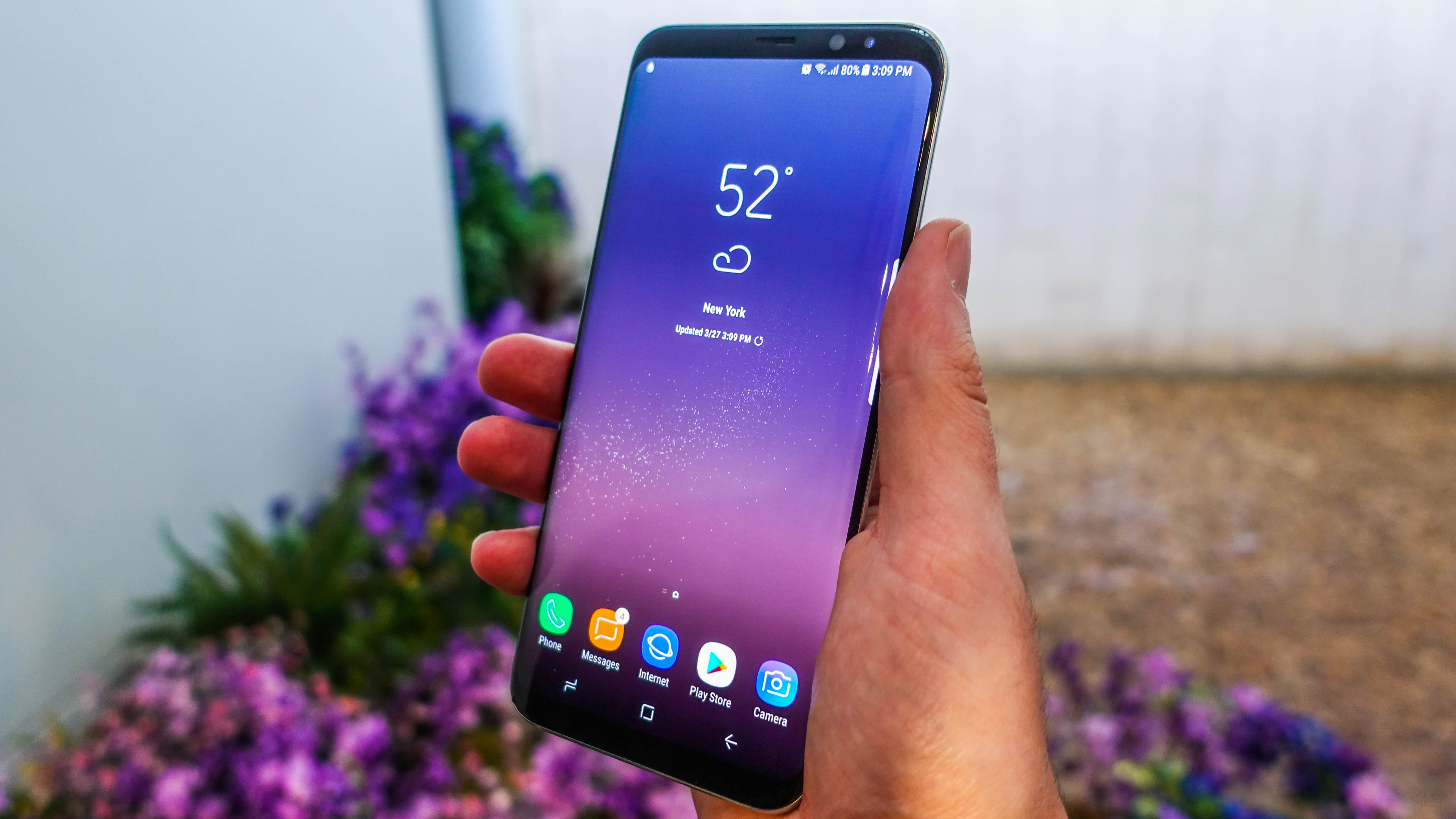
The Samsung Galaxy S8 Plus and the iPhone X were released in 2017 as responses to a maturing smartphone market that demanded larger screens without increasing physical device dimensions. The S8 Plus famously introduced the "Infinity Display," a curved-edge Super AMOLED panel that pushed the limits of bezel-less design at the time. Measuring 6.2 inches, its aspect ratio was taller and narrower, favoring media consumption and multi-window multitasking.
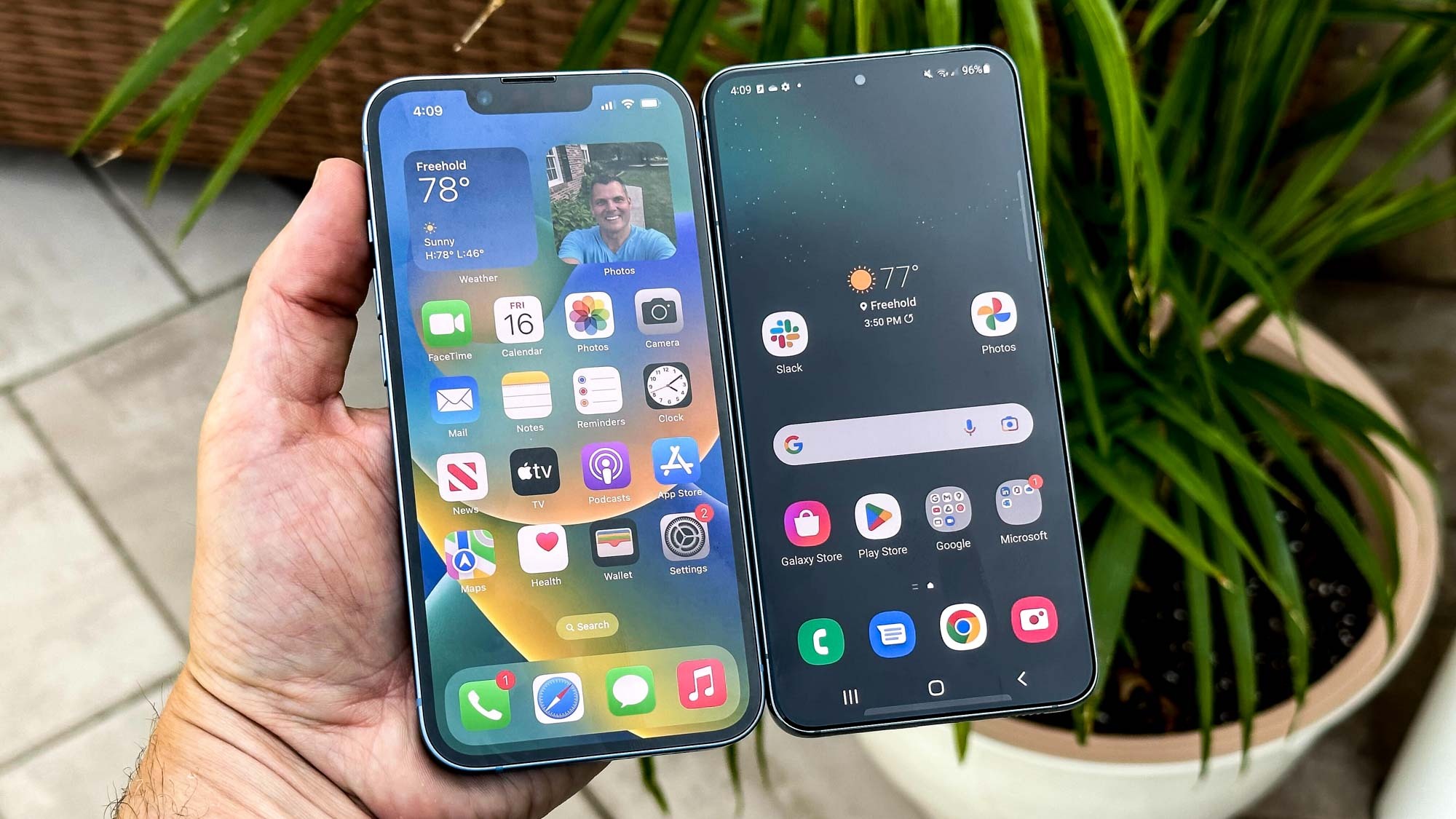
Conversely, the iPhone X was Apple’s radical departure from the home button era. It utilized a 5.8-inch OLED display—the first in an iPhone—featuring a distinct "notch" at the top to house the TrueDepth camera system. This device shifted the mobile industry toward gesture-based interaction, replacing physical buttons with swiping mechanics. By 2026 standards, both screens remain vibrant and high-resolution, though they lack the high-refresh-rate capabilities (120Hz) found in modern displays.
Hardware, Processing, and Long-term Performance
When analyzing the internal components, it is critical to acknowledge that these devices are approaching a decade of age. The Galaxy S8 Plus typically shipped with either the Qualcomm Snapdragon 835 or the Exynos 8895, paired with 4GB of RAM. The iPhone X utilized the A11 Bionic chip with 3GB of RAM.
In terms of raw computational longevity, the A11 Bionic has generally shown greater resilience in real-world application performance, primarily due to Apple’s tight integration between software and hardware. However, both phones now face significant limitations with current resource-heavy applications. Battery degradation is a near-certainty for any unit used extensively since its release, and finding original, high-quality replacement batteries is a common challenge for those maintaining these devices today.
Camera Systems and Photographic Utility
The camera modules on these phones were industry-leading during their peak, but they differ significantly in their approach to image processing.
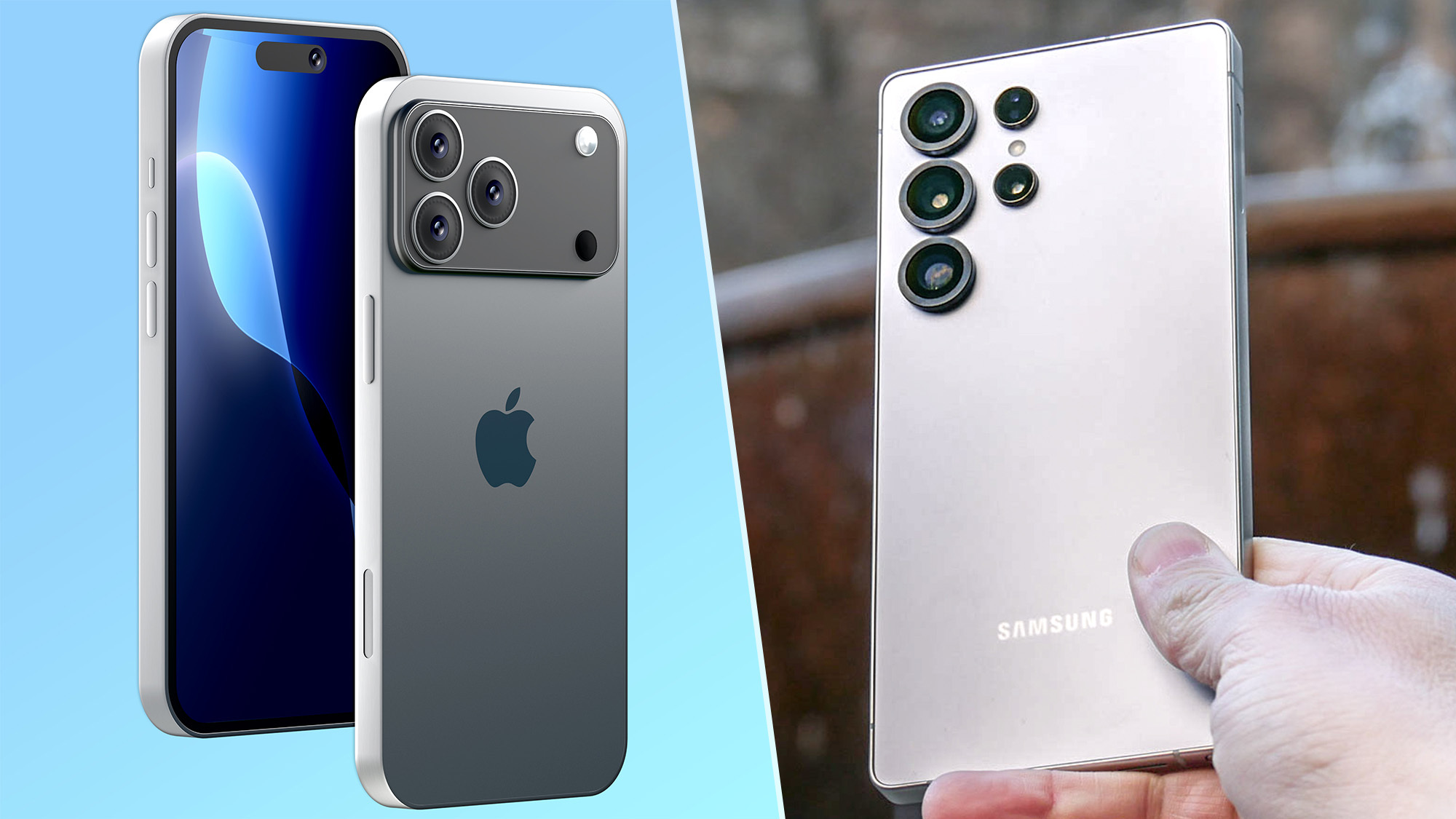
- Samsung Galaxy S8 Plus: Features a single 12MP rear sensor with an f/1.7 aperture. It was lauded for its speed, low-light performance, and highly saturated color profiles that made photos look "social-media ready" immediately after capture.
- iPhone X: Introduced a dual-lens 12MP camera system, adding a telephoto lens for 2x optical zoom. It debuted Portrait Mode, which allowed for background blur (bokeh) effects, and featured more natural, neutral color reproduction compared to the S8 Plus.
For a 2026 user, the S8 Plus is superior for users who prefer manual controls and vibrant colors, while the iPhone X offers more versatility due to the telephoto lens and naturalistic color science. Neither device features the AI-driven night modes or computational photography stack found in current smartphones, meaning performance in extreme low light is noticeably dated.
Software Ecosystem and Security
The primary differentiator for these two devices is the operating system lifecycle. The Samsung Galaxy S8 Plus ceased receiving official security updates years ago, leaving it vulnerable to modern exploits if used for sensitive tasks like mobile banking. It remains stuck on Android 9.0 (Pie).
The iPhone X received software support for a longer period, though its final major OS update was iOS 16. While it is more secure than the S8 Plus, it is no longer receiving the latest feature updates or the most critical security patches from Apple. Both devices are effectively in "legacy" status. Users who choose to use them must exercise extreme caution regarding security, avoiding unauthorized third-party apps or outdated software versions that have known vulnerabilities.
Comparison of Key Technical Specifications
| Feature | Samsung Galaxy S8 Plus | iPhone X |
|---|---|---|
| Display Type | Super AMOLED | Super Retina OLED |
| Display Size | 6.2 inches | 5.8 inches |
| Primary Processor | Snapdragon 835 / Exynos 8895 | A11 Bionic |
| RAM | 4GB | 3GB |
| Biometric Security | Iris/Fingerprint/Face | Face ID |
| Charging | Wired/Wireless (Fast) | Wired/Wireless (Qi) |
| OS Version (Final) | Android 9.0 | iOS 16.x |
Prerequisites for Continued Use in 2026
If you intend to use either the Galaxy S8 Plus or the iPhone X as a secondary or emergency device in 2026, you must address several critical prerequisites:
- Battery Replacement: If the original battery has not been replaced, the device will likely experience rapid power drops, overheating, or failure to maintain peak performance under load. Professional replacement is recommended.
- Security Awareness: Because these devices are no longer patched, treat them as "offline-first" devices. Avoid storing sensitive financial or personal data on them.
- App Compatibility: Many modern applications require newer versions of iOS or Android than these devices support. Check the App Store or Google Play Store requirements for your essential apps before committing to either phone.
- Storage Management: Both phones started with 64GB as a base model. In 2026, this is extremely tight for modern media and app caches. Offloading photos to cloud storage is necessary.
Common Mistakes When Acquiring Legacy Devices
Many users make the mistake of buying the cheapest available unit without verifying the status of the "Activation Lock" or "Google Account Lock." These security features, designed to prevent theft, can render a second-hand phone completely unusable if the previous owner failed to sign out or factory reset the device correctly.
Always ensure the iPhone X is not "iCloud Locked" and the S8 Plus is not "Factory Reset Protected" (FRP) before finalizing a transaction. Furthermore, avoid devices with heavy display "burn-in"—a common issue on early OLED panels like those found on the S8 Plus, where static images (such as the navigation bar) have permanently imprinted themselves onto the screen.
FAQ: Frequently Asked Questions
Is the Samsung S8 Plus or iPhone X better for a child’s first phone? Neither is recommended as a primary device in 2026 due to the lack of current security updates and potential battery instability. A newer, budget-friendly modern phone will offer better parental controls and safer software support.
Can I still use WhatsApp on these phones? As of 2026, support for older versions of operating systems in major communication apps is constantly shifting. While they may currently work, there is a high risk that these apps will drop support for older Android and iOS versions in the near future.
Which device is easier to repair? The iPhone X is generally considered easier to source parts for due to Apple's standardized component supply chain, though its glass-sandwich construction makes it fragile. The S8 Plus is notoriously difficult to open without damaging the curved display glass.
Are these phones compatible with 5G networks? No. Both devices are limited to 4G LTE connectivity. While this is sufficient for basic web browsing, they will not benefit from the increased speeds or lower latency of modern 5G networks.
Why are prices for these phones still present on the secondary market? These phones retain value primarily for collectors, enthusiasts who enjoy the unique hardware aesthetics of the 2017 era, or users who prioritize specific physical buttons and features that have been removed from modern devices.
Final Recommendation
For most users in 2026, the iPhone X is the more stable long-term choice if a legacy device must be used, owing to the superior build quality of the A11 Bionic processor and the extended period of software support it received. The Samsung S8 Plus remains an aesthetic masterpiece and a favorite for those who value the curved OLED screen, but it requires significantly more caution due to the earlier end of its software lifecycle. If you choose to proceed, prioritize a unit with a verified battery replacement and use the device for non-sensitive tasks like media playback or light offline utility.