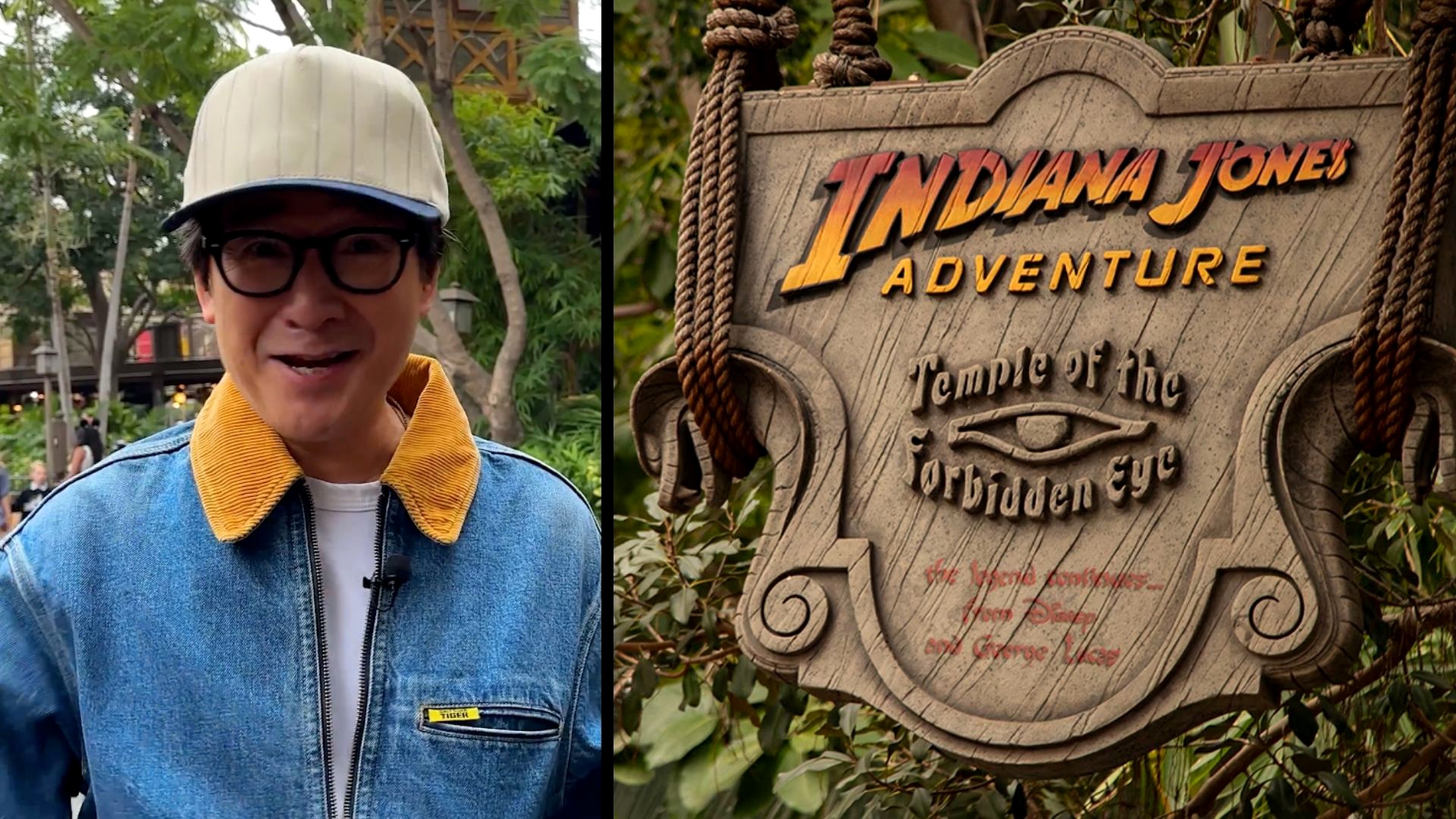
The most compelling reason to watch Indiana Jones and the Temple of Doom is the breakout performance of Ke Huy Quan as Short Round, whose infectious energy and emotional depth serve as the film’s moral and narrative anchor. His portrayal offers a rare, layered look at a young sidekick who is both a resourceful survivalist and the heart of the adventure.
Understanding the Role of Short Round
When audiences look back at the Indiana Jones franchise, they often prioritize the high-stakes action sequences and Harrison Ford’s stoic, globetrotting persona. However, the 1984 film Indiana Jones and the Temple of Doom—often colloquially referred to as "Indiana Jones 2"—stands apart from its peers due to the dynamic between the title character and his young guide, Short Round.
Ke Huy Quan’s performance is not merely a piece of sidekick utility; it is a masterclass in child acting that avoids the pitfalls of being overly precocious or burdensome. In the context of the film’s darker, more intense tone compared to its predecessor, Raiders of the Lost Ark, Short Round provides essential tonal relief. He acts as the audience’s proxy, reacting to the supernatural horrors of the Thuggee cult with a mix of genuine fear, street-smart skepticism, and unyielding loyalty to Indy.
The Emotional Anchor of the Adventure
In many action-adventure films of the 1980s, the sidekick role was frequently relegated to comedic relief or a "damsel in distress" trope. Short Round defies this by being highly capable. Whether he is driving a vehicle while standing on the seat to reach the pedals or navigating the treacherous pitfalls of the Pankot Palace, he is an active participant in the narrative.
The emotional core of the film is undeniably the bond between Indiana Jones and Short Round. Unlike the romantic subplot with Willie Scott, which serves as a source of friction and humor, the relationship between Indy and Short Round is rooted in a history of survival. They are partners in the truest sense of the word. When Short Round shouts, "Indy, I love you!" in the heat of a confrontation, it is not just a line of dialogue; it represents a profound familial connection that humanizes the otherwise invulnerable adventurer.
Contextualizing the Film Within the Franchise
To appreciate this performance, one must look at how the film fits into the broader timeline of the Indiana Jones legacy. Released as a prequel, Temple of Doom explores a period where Indiana Jones is perhaps more cynical and mercenary. Short Round is the catalyst for his growth throughout the story. He keeps Indiana Jones grounded, reminding him of his duty to protect the innocent—specifically the enslaved children of the village.
The film has historically been noted for its "dark" tone. The imagery surrounding the cult of Kali and the human sacrifice sequences created a level of intensity that changed the film industry's approach to PG-rated content, leading to the creation of the PG-13 rating. Within this environment, Ke Huy Quan’s performance provides the light. Without the warmth of the Short Round character, the film would risk being an overly bleak exercise in dark fantasy.
Character Comparison Table: The Companions of Indiana Jones
| Character | Film | Role | Impact on Narrative |
|---|---|---|---|
| Short Round | Temple of Doom | Guide/Partner | Provides emotional heart and moral loyalty. |
| Marion Ravenwood | Raiders of the Lost Ark | Partner/Love Interest | Serves as an equal and intellectual foil. |
| Willie Scott | Temple of Doom | Love Interest | Provides contrast to Indy's gritty world. |
| Sallah | Raiders/Last Crusade | Ally/Friend | Provides logistical and cultural support. |
Why the Performance Resonates Today
From the perspective of 2026, it is impossible to discuss this film without acknowledging Ke Huy Quan’s broader career trajectory. His resurgence in cinema in recent years has invited a critical reappraisal of his earlier work. Watching Temple of Doom now, one can clearly see the budding range and charisma that would eventually make him an Academy Award-winning talent.
For viewers who are revisiting the film or discovering it for the first time, Short Round is the primary reason the film remains watchable. While the stunts are impressive and the practical effects remain a benchmark of pre-digital cinematography, the human performance is what keeps the audience invested. He is not just a character reacting to events; he is the character who makes the events matter.
Prerequisites for Viewing
If you are preparing to watch Indiana Jones and the Temple of Doom to focus on Ke Huy Quan’s work, consider the following points to maximize your experience:
- Understand the Prequel Status: Keep in mind that this film occurs chronologically before Raiders of the Lost Ark. This explains why Indiana Jones is less concerned with "museums" and more concerned with fortune and glory at the start of the film.
- Acknowledge the Tone: This is the darkest film in the original trilogy. Prepare for intensity that is notably different from the more whimsical tone of The Last Crusade.
- Focus on Non-Verbal Acting: Observe the small nuances in Quan’s acting—how he watches Harrison Ford’s movements, his timing in comedic beats, and his physical reactions to the stunt-heavy environment.
- Audio Setup: Because much of the performance relies on the rapport between the two, a high-quality sound mix (especially during the bridge sequence or the mine cart chase) will allow you to hear the genuine dialogue exchange between the two actors, which is crucial to the film’s soul.
Frequently Asked Questions
How does Short Round impact the plot of Indiana Jones and the Temple of Doom? Short Round acts as Indiana Jones’s conscience and physical backup. He is responsible for rescuing Indy from the influence of the Black Sleep of Kali, proving that his role is pivotal to the resolution of the film’s climax.
Is the film appropriate for younger viewers in 2026? While the film is rated PG, modern viewers should be aware of the intense sequences involving ritualistic sacrifice and peril. It is recommended that parents preview the scenes involving the Thuggee cult to determine if they are suitable for their specific audience.
Did Ke Huy Quan do his own stunts? While he had a stunt double for the more dangerous sequences, Quan was heavily involved in the physical nature of the performance. His background in martial arts allowed him to perform many of the character’s agile movements, which contributed to the authenticity of the role.
How does this film compare to the later sequels? Temple of Doom is distinct because of its isolated, exotic setting and the specific chemistry between Indy and a non-romantic partner. Later sequels often relied on established tropes, whereas this film feels more like a pulp adventure experiment.
Why is this film often considered a "dark" entry in the series? The subject matter—involving child labor, religious extremism, and occult rituals—pushed the boundaries of what was expected in a mainstream adventure movie. The contrast between these dark elements and the lighthearted, witty performance of Ke Huy Quan is exactly what gives the film its unique tension.
Next Actions
To truly appreciate the performance of Ke Huy Quan in this role, prioritize a high-definition viewing experience. If you are watching on a modern streaming service in 2026, ensure your sound settings are calibrated to "Cinema" or "Surround" mode to fully capture the sound design that complements the fast-paced, dialogue-heavy sequences between Indy and Short Round. After viewing, consider comparing his performance in this role to his more contemporary work to appreciate the evolution of his acting technique.