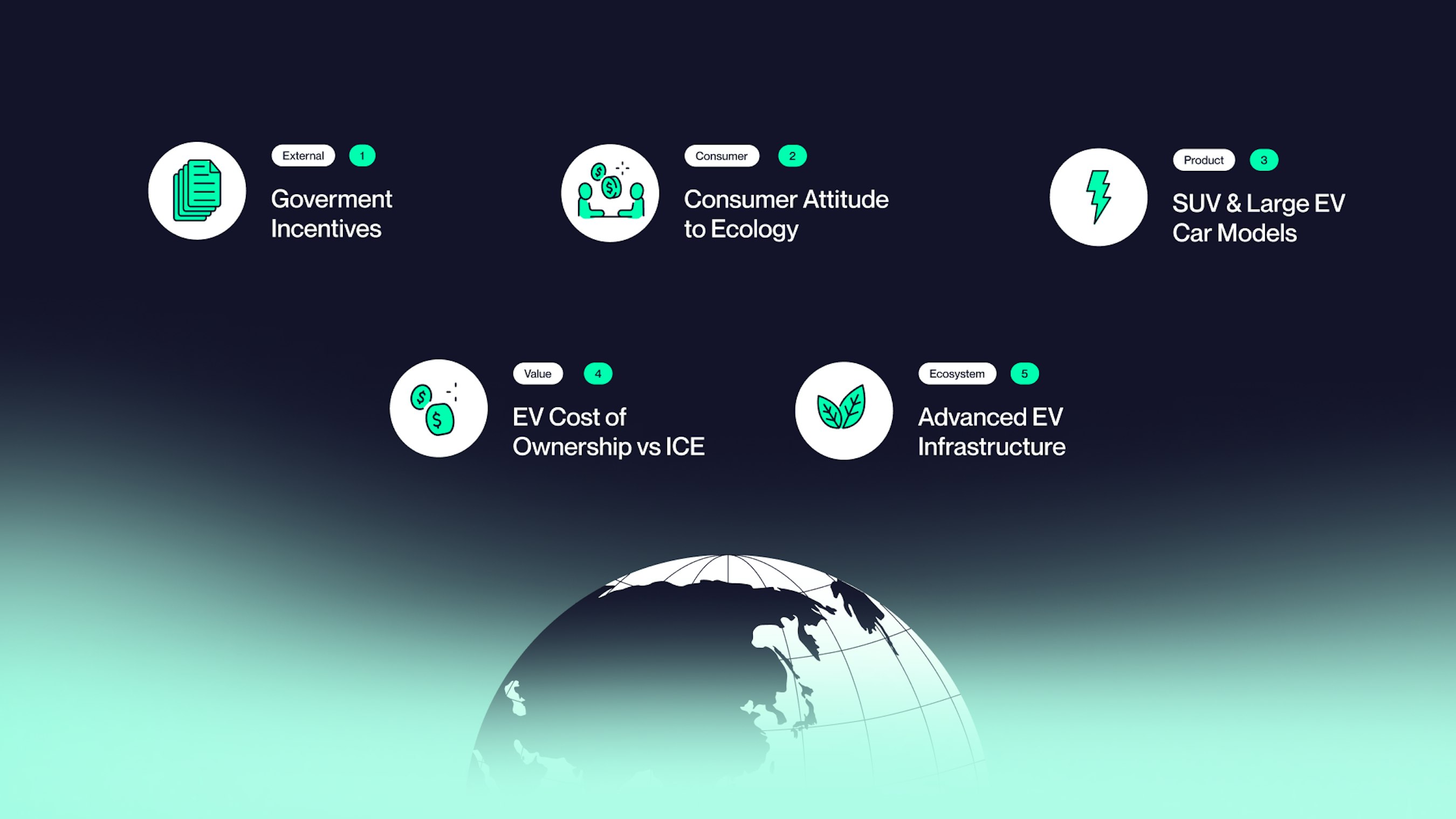
The 1 key factors shaping the luz s3 landscape center on balancing robust infrastructural security standards with evolving data sovereignty frameworks, cloud storage efficiency, and high-performance scalability demands. Organizations operating within this ecosystem must navigate rigorous compliance, latency reduction strategies, and complex storage tiering to optimize cost and performance.
Introduction to the Luz S3 Ecosystem
The digital transformation initiatives of modern enterprises demand resilient, scalable, and secure object storage architectures. Within this domain, environments aligned with the Luz S3 ecosystem face a unique intersection of operational challenges and technological opportunities. Understanding what drives this landscape requires a deep dive into the core technical, administrative, and economic pillars that dictate how data is stored, retrieved, and governed.
As digital footprints expand exponentially, storage administrators can no longer rely on simple capacity expansion. Instead, they must weigh strict regulatory mandates against the need for rapid data access, cost containment, and advanced threat protection. This article examines the single most critical factor shaping the Luz S3 landscape—comprehensive security and data integrity frameworks—while exploring the peripheral elements that influence modern cloud object storage deployments.
The Core Factor: Security, Integrity, and Governance
At the heart of the Luz S3 landscape lies the paramount requirement for uncompromised security and data integrity. In an era marked by sophisticated cyber threats, regulatory penalties for data breaches, and the sheer volume of unstructured data, storage architecture cannot be treated as a passive repository. It must function as an active, secure vault that guarantees data confidentiality, availability, and durability.
Encryption Protocols and Cryptographic Controls
Data protection in transit and at rest forms the baseline of any modern object storage strategy. Within the Luz S3 paradigm, cryptographic controls are deeply integrated into the lifecycle of every stored object.
- Server-Side Encryption (SSE): Utilizing robust algorithms such as AES-256, storage systems automatically encrypt objects before writing them to physical disks and decrypt them upon authorized download.
- Client-Side Encryption: For organizations requiring zero-trust architectures, data is encrypted locally using client-managed keys before transmission, ensuring that the cloud infrastructure provider never holds the plaintext data or the decryption keys.
- Key Management Integration: Seamless integration with dedicated Key Management Services (KMS) allows administrators to rotate keys, audit access logs, and enforce strict boundary policies on who can decrypt specific data categories.
Access Control Models and Identity Management
Securing the perimeter of an S3-compatible environment demands granular access control mechanisms. The landscape has evolved from simple credential-based authentication to dynamic, attribute-based access control (ABAC) and role-based access control (RBAC).
- Identity and Access Management (IAM): Defining precise roles and policies for human users and automated services ensures the principle of least privilege is strictly enforced.
- Bucket Policies: JSON-based resource policies that dictate who can access specific buckets and objects, independent of the user's IAM permissions, providing an extra layer of perimeter defense.
- Public Access Blockers: Global and bucket-level controls designed to instantly mitigate accidental exposure of sensitive datasets to the public internet.
Architectural Scalability and Performance Optimization
While security establishes the baseline for trust, performance and scalability dictate operational viability. As datasets grow into petabytes, the underlying storage infrastructure must scale horizontally without introducing latency penalties or administrative bottlenecks.
Concurrent Request Handling and Throughput
High-performance workloads—such as real-time analytics, machine learning model training, and media streaming—rely heavily on the storage layer's ability to handle massive concurrency. Modern Luz S3 deployments leverage distributed partitioning schemes that automatically scale request rates based on traffic patterns. By distributing object keys across multiple prefix partitions, storage systems eliminate traditional input/output operations per second (IOPS) bottlenecks, enabling sustained high throughput even during traffic spikes.
Intelligent Data Tiering and Lifecycle Management
Storage costs can quickly spiral out of control if active, high-performance storage is utilized for cold, archival data. The Luz S3 landscape emphasizes automated lifecycle management policies that transition data across different performance tiers based on access frequency and age.
- Standard Tier: Optimized for frequently accessed, mission-critical data requiring low latency and high availability.
- Infrequent Access (IA) Tier: Designed for data that is accessed less frequently but must remain immediately available when requested.
- Archive Tier: Engineered for long-term retention and compliance storage, offering significantly reduced storage costs with retrieval times ranging from minutes to hours.
| Storage Tier | Primary Use Case | Latency Profile | Cost Structure |
|---|---|---|---|
| Standard | Active applications, real-time analytics, web assets | Milliseconds | Higher storage, lowest retrieval cost |
| Infrequent Access | Backup data, disaster recovery, periodic reporting | Milliseconds | Lower storage, higher retrieval cost |
| Archive | Regulatory compliance, historical records, audits | Minutes to Hours | Lowest storage, structured retrieval fees |
Compliance, Data Sovereignty, and Regional Governance
Regulatory frameworks exert a powerful influence over the technical configuration and geographic deployment of cloud storage infrastructure. Organizations operating within specific jurisdictions must adhere to strict data residency laws that dictate where data can physically reside and how it must be protected.
Navigating Regional Jurisdictions
Data sovereignty mandates require enterprises to ensure that sensitive information—such as personally identifiable information (PII), financial records, and healthcare data—does not cross international borders without authorization. In the Luz S3 landscape, multi-region architectures allow administrators to provision storage buckets in specific geographic zones, guaranteeing that data remains within compliance perimeters.
Auditability and Immutability (WORM)
Regulatory compliance often mandates Write Once, Read Many (WORM) storage models to prevent accidental or malicious alteration of records. Object lock features within the Luz S3 ecosystem enforce legal holds and retention periods, ensuring that data cannot be deleted or modified by any user—including root administrators—until the predetermined retention period expires.
Operational Prerequisites and Implementation Steps
Deploying a resilient, secure storage environment requires a methodical approach to planning, provisioning, and ongoing maintenance. Organizations must follow structured operational steps to ensure optimal configuration from inception.
- Assessment and Capacity Planning: Evaluate current data volumes, projected growth rates, access patterns, and compliance requirements to select the appropriate storage classes and regional endpoints.
- Identity and Security Baseline Configuration: Establish IAM roles, enable server-side encryption by default, apply public access blocks, and configure comprehensive audit logging (such as server access logs and API call monitoring).
- Bucket Architecture and Naming Conventions: Design a logical bucket hierarchy with standardized prefix structures to optimize request distribution and simplify lifecycle management policy application.
- Policy Automation and Testing: Implement automated lifecycle rules and object lock configurations, followed by rigorous penetration testing and access control audits to verify security postures before production deployment.
Common Implementation Mistakes and Troubleshooting
Even with advanced tooling, misconfigurations can compromise storage security, inflate costs, or degrade performance. Recognizing common pitfalls helps administrators maintain a healthy storage ecosystem.
Over-Permissive Access Policies
One of the most frequent security vulnerabilities stems from overly broad bucket policies or wildcard permissions ("Principal": "*"). Administrators should routinely audit access controls using automated policy validation tools and cloud security posture management (CSPM) solutions to identify and remediate exposed resources.
Ignoring Lifecycle Management Optimization
Failing to implement automated tiering policies often results in significant financial waste. Organizations frequently store stagnant log files and historical backups in high-performance standard tiers indefinitely. Establishing strict retention and transition rules ensures data migrates cost-effectively to archive tiers as it ages.
Frequently Asked Questions
What is the primary security mechanism in the Luz S3 landscape?
The primary security mechanism is a multi-layered approach combining server-side or client-side encryption, granular IAM role definitions, strict bucket policies, and global public access blocking tools to ensure data confidentiality and integrity.
How does data tiering reduce overall storage expenditure?
Automated lifecycle management policies move data from high-performance standard storage tiers to lower-cost infrequent access and archive tiers based on access frequency, significantly reducing monthly capacity costs for historical data.
Can object storage access be audited for compliance purposes?
Yes. Modern storage architectures maintain detailed access logs and integrate with centralized logging services to track every API request, providing a clear audit trail for regulatory compliance assessments.
What is the role of object locking in data governance?
Object locking enforces WORM (Write Once, Read Many) protection, preventing the deletion or modification of specified objects for a defined retention period to meet legal and regulatory record-keeping mandates.
Conclusion and Next Actions
Mastering the Luz S3 landscape requires a balanced focus on rigorous security controls, intelligent cost optimization through data tiering, and strict adherence to regional data sovereignty mandates. Organizations should immediately audit their existing cloud storage configurations, verify that public access blockers are active, review IAM permission boundaries, and implement automated lifecycle rules to secure and optimize their data assets.