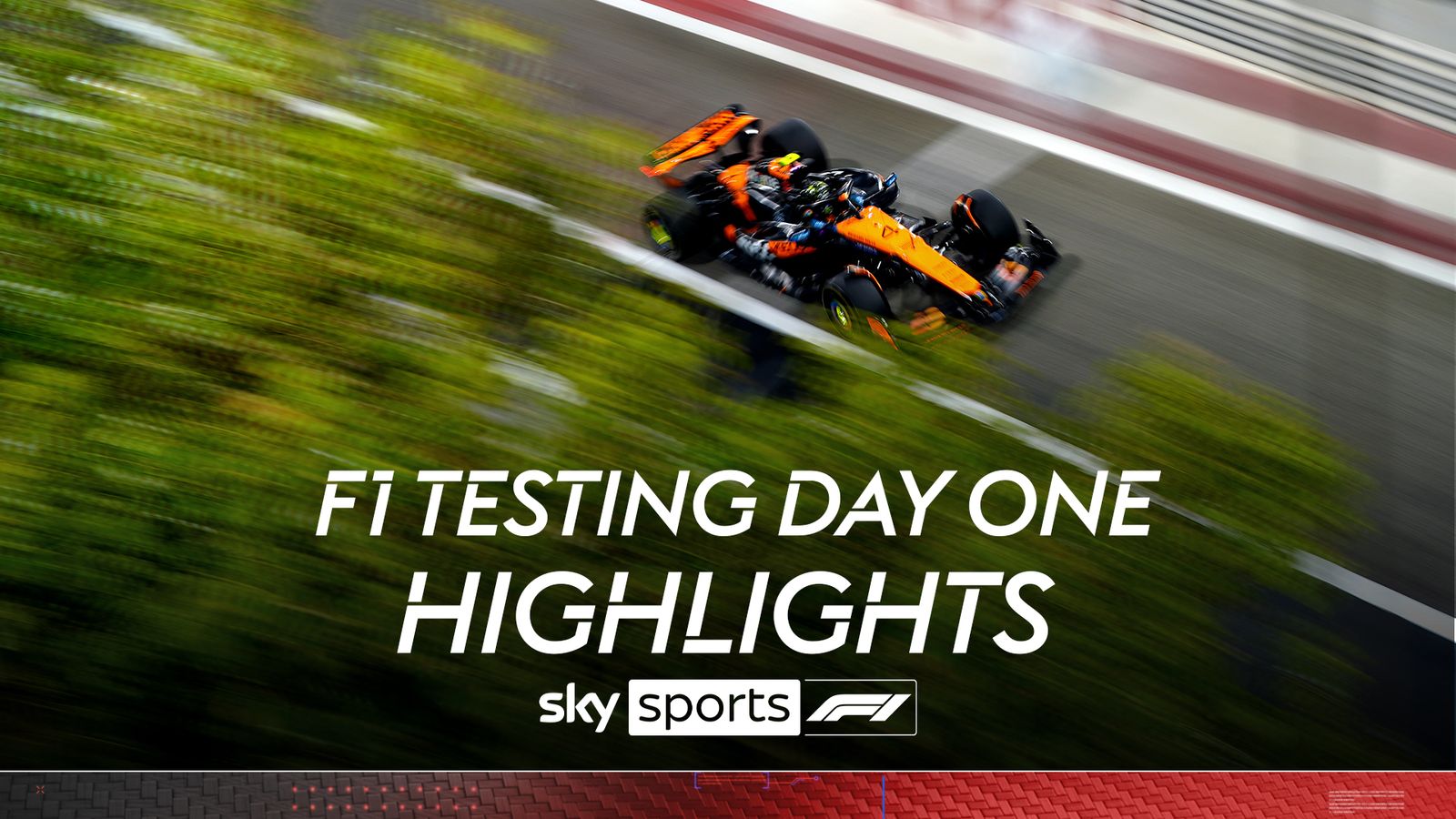
In the high-stakes world of Formula 1, the definition of the "fastest straight" is subject to both geographical layout and technical evolution. While the Autodromo Nazionale Monza holds the historical title for top-speed records, the specific stretch known as the "Curva Grande" leading into the Variante del Rettifilo, and the following start-finish straight, consistently provide the highest peak speeds for modern F1 machinery.
Defining High-Speed Performance in Formula 1
To understand why certain sections of a track are considered the fastest, one must first look at the interplay between aerodynamics, engine output, and transmission ratios. Formula 1 cars are designed to be aerodynamically efficient, but they must also provide massive downforce for cornering. A "fast straight" is not merely a long piece of tarmac; it is a segment that allows the car to reach its terminal velocity—the point where the force of the engine is perfectly balanced by the total drag of the vehicle.
In 2026, the technical regulations emphasize a hybrid power unit and complex Drag Reduction System (DRS) zones. The fastest straight is typically the one that follows a slow-speed corner, allowing for a long period of uninterrupted acceleration, combined with an open DRS flap to minimize air resistance.
Monza: The Cathedral of Speed
The Autodromo Nazionale Monza, located in Italy, has long been the barometer for outright speed in Formula 1. The circuit layout is unique in its commitment to low-downforce configurations. Teams arrive at the Italian Grand Prix with specialized wings that are almost flat, sacrificing grip in the corners to maximize velocity on the straights.
The main straight at Monza, the Rettifilo, is arguably the fastest in the sport. It acts as a launchpad where cars reach their highest gear and hold it for an extended period. Because the track is located at a relatively low altitude, the air density is sufficient for the engines to produce maximum power, yet the track layout itself encourages the lowest possible drag profiles.
Technical Factors Influencing Straight-Line Speed
A variety of factors determine whether a driver can achieve a "top speed" record on a given circuit. These are the primary variables teams must optimize:
- Aerodynamic Drag (Cd): The coefficient of drag is the single most important factor. Reducing the frontal area and smoothing the airflow over the bodywork is critical.
- Drag Reduction System (DRS): When activated in designated zones, DRS opens the rear wing flap, significantly reducing drag and allowing for an increase in top speed by approximately 10 to 15 kilometers per hour.
- Engine Power and Energy Recovery (ERS): The power unit must deploy maximum electrical energy from the battery pack onto the straight. If a driver runs out of ERS deployment, they will hit a "plateau" in speed regardless of the length of the straight.
- Gear Ratios: Teams select gear ratios that ensure the car reaches its maximum RPM in the highest gear at the exact end of the longest straight. If the gears are too short, the engine hits the rev limiter early; if too long, the car cannot reach peak power.
Comparison of Notable High-Speed Sections
While Monza is the undisputed king of speed, other circuits offer unique challenges that facilitate high terminal velocities. The following table compares track characteristics that contribute to high-speed performance.
| Circuit | Key High-Speed Feature | Primary Constraint |
|---|---|---|
| Monza | Start/Finish Straight | Aerodynamic Efficiency |
| Las Vegas | The Strip | Long Distance / Ambient Air Temp |
| Baku | Pit Straight | Slipstreaming (Towing) |
| Spa-Francorchamps | Kemmel Straight | Engine Power / Elevation Change |
The Role of Slipstreaming and DRS
In the context of a race, the "fastest straight" is often influenced by the "tow" or "slipstream." When a car follows another, it enters an area of lower air pressure, significantly reducing its drag. This effect is compounded when DRS is also enabled. Consequently, historical records for top speed in a race are frequently set during competitive battles rather than in solitary qualifying laps.
Drivers and race engineers analyze telemetry data to determine the optimal point on a straight to activate ERS deployment. A common mistake for inexperienced drivers is deploying electrical energy too early in the straight, causing the power unit to de-rate (run out of energy) before the braking zone.
Altitude and Air Density
Physics dictates that air density is a major factor in performance. At high-altitude circuits like the Autodromo Hermanos Rodriguez in Mexico City, the air is thinner. While this reduces drag and allows for very high speeds on the straights, it also reduces downforce, making the cars harder to handle.
In contrast, sea-level tracks like Monza allow for more consistent engine performance but require more aggressive aerodynamic shedding to overcome the denser air. For 2026, engineers continue to prioritize the "efficiency" of the car—the ability to generate speed while maintaining enough stability to navigate the surrounding corners.
Troubleshooting Performance on the Straights
If a car is underperforming on the fastest straight, teams follow a specific diagnostic process:
- Check Drag Profile: Inspect wing angles and beam wing settings. If the car is too "draggy," it will struggle to break through the air at high speeds.
- Evaluate Deployment: Review the energy recovery harvest vs. deployment strategy. If the battery is consistently empty by the middle of the straight, the engine mapping must be adjusted.
- Monitor Revs: Analyze telemetry to see if the engine is hitting the limiter. If it is, the top gear ratio must be lengthened.
- Analyze Power Unit Health: Ensure there is no loss of boost pressure or hybrid system lag.
Frequently Asked Questions
Is the Monza straight the fastest in every season? While Monza consistently provides the highest peak speeds, other tracks like the Las Vegas Street Circuit offer longer acceleration zones. However, the unique low-downforce setup mandated by the Monza layout keeps it at the top of the speed rankings.
Does DRS make the straight the fastest? Yes, DRS is a performance-enabling tool. By reducing the frontal surface area of the rear wing, it allows the car to overcome air resistance at high speeds, usually contributing to the top speed of the entire lap.
Why don't teams just set their cars for top speed at every race? Formula 1 is a game of compromise. A car optimized for straight-line speed will have virtually no grip in the corners. Since the majority of lap time is found in the corners, teams must balance straight-line velocity against cornering speed.
Does tire pressure affect top speed? Tire pressure influences rolling resistance and the mechanical footprint of the car. While its effect is secondary compared to aerodynamics, incorrect pressures can cause drag or lead to stability issues, which indirectly impact a driver's ability to keep the throttle pinned on a straight.
How is the top speed measured? Timing loops are placed at designated "speed traps" on the track, usually toward the end of the longest straight. Modern sensors and GPS tracking provide real-time velocity data to the teams and the race control center.
Recommendation for Further Learning
To gain a deeper understanding of these dynamics, observers should look at the official FIA telemetry reports released after each Grand Prix. These documents provide the exact speed trap figures and allow for a side-by-side comparison of how different car designs handle the fastest stretches of the calendar. Engaging with these raw data sets provides the most accurate picture of how engineering choices translate into track performance.