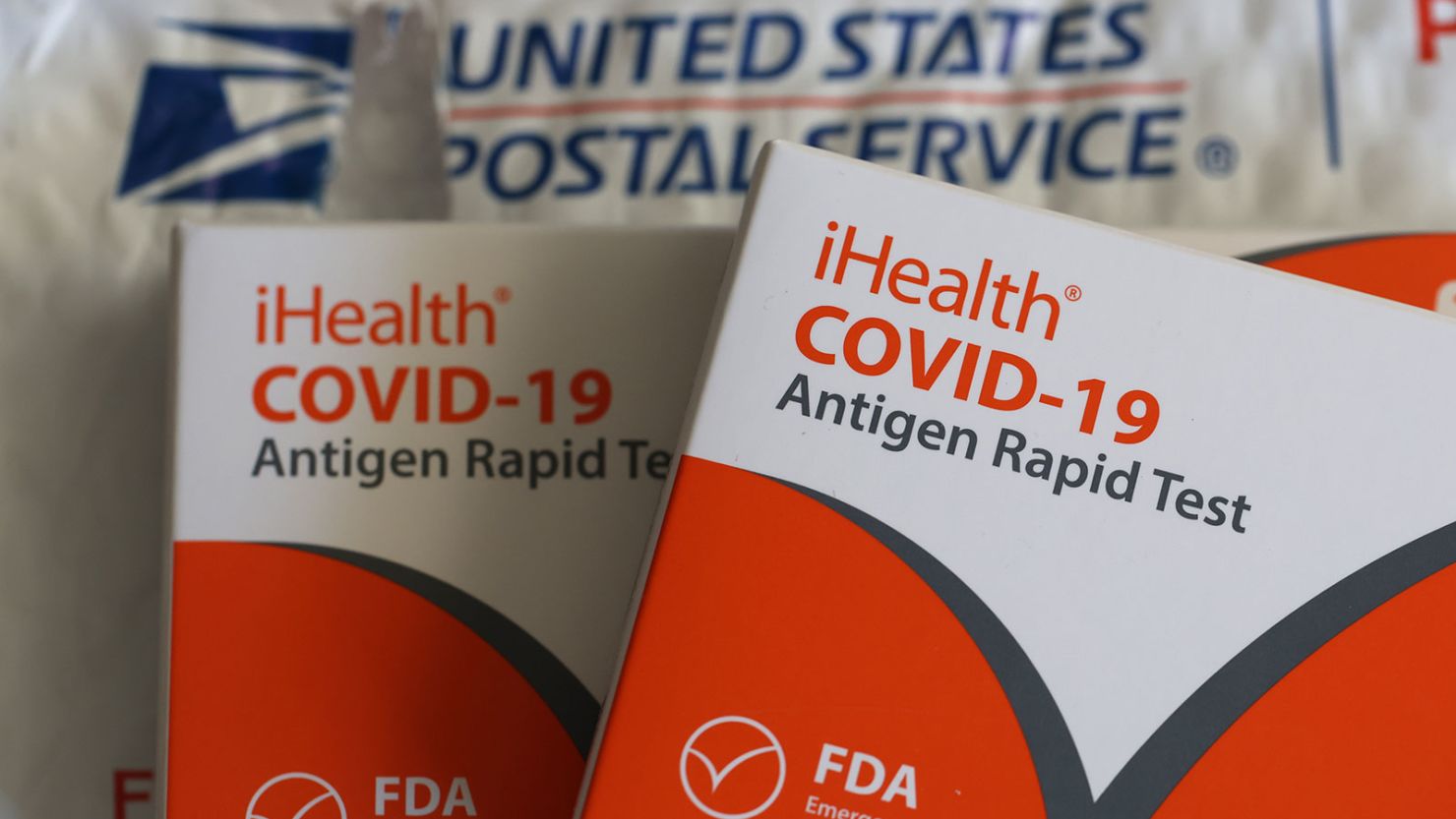
When reports indicate that COVID-19 is spreading again, communities typically experience a resurgence of viral transmission driven by new SARS-CoV-2 variants, waning population immunity, or seasonal behavioral changes. Public health authorities respond by monitoring variant characteristics, assessing hospital capacity, and updating guidance on vaccination, masking, and testing to mitigate severe illness and protect vulnerable populations.
Contextualizing Resurgences: Why COVID-19 Spreads Again
The cyclical nature of respiratory viral infections means that public health agencies continuously monitor how SARS-CoV-2 behaves across different seasons and populations. When metrics show that COVID-19 is spreading again, it is rarely due to a single variable. Instead, resurgences typically represent a complex intersection of viral evolution, environmental conditions, and human social patterns.
Understanding these waves requires looking closely at how the virus mutates. SARS-CoV-2 continually evolves through genetic drift and shift, producing sublineages that may evade previous immunity acquired through infection or vaccination. These new lineages often demonstrate higher transmissibility, allowing them to outpace older strains and drive localized or widespread case increases. However, increased transmission does not automatically translate to a proportional rise in severe disease, thanks to baseline immunity levels established globally.
Furthermore, human behavior heavily influences transmission dynamics. Colder months naturally drive people indoors into poorly ventilated spaces, facilitating the airborne spread of respiratory droplets and aerosols. Conversely, travel and large-scale gatherings during holiday periods or summer vacation months can also create ideal conditions for viral dissemination across geographic regions.
Monitoring Transmission Metrics and Public Health Indicators
To evaluate the severity of a new wave when COVID-19 is spreading again, epidemiologists and public health officials rely on a robust suite of surveillance indicators. Traditional case counts derived from at-home rapid antigen tests often underrepresent true viral circulation because many individuals do not report positive results to health departments. Consequently, modern public health tracking focuses on more objective, lagging, and leading indicators.
Wastewater surveillance has emerged as one of the most reliable and unbiased methods for tracking community viral load. By analyzing municipal sewage samples, laboratories can detect increases or decreases in SARS-CoV-2 RNA fragments days or weeks before clinical visits or hospital admissions rise. This early warning system allows healthcare systems to prepare for surges in patient volume without relying solely on voluntary testing data.
Key Surveillance Indicators
| Indicator Metric | Data Source | Primary Purpose | Limitations |
|---|---|---|---|
| Wastewater Viral Activity | Municipal sewage treatment plants | Early detection of rising community transmission | Lacks individual demographic data; influenced by sewer system infrastructure |
| Emergency Department Visits | Hospital electronic health records | Tracking acute healthcare utilization and symptom severity | Captures only individuals seeking formal medical care |
| Hospital Admissions & ICU Occupancy | State and federal health reporting portals | Assessing severe disease burden and healthcare strain | Lagging indicator (reflects infections from 1–3 weeks prior) |
| Genomic Sequencing | Public health and academic reference labs | Identifying emerging variants and mutation profiles | Processing delays can obscure real-time variant dominance |
Prevention Strategies and Individual Risk Mitigation
When viral activity rises, individuals must evaluate their personal health status, living situation, and occupational exposure to determine appropriate protective measures. Public health agencies emphasize a layered prevention approach rather than relying on a single intervention.
Vaccination remains the cornerstone of defense against severe outcomes, hospitalization, and death. Because SARS-CoV-2 continues to mutate, vaccine formulations are periodically updated to target circulating variants more effectively. Staying up to date with recommended booster doses helps bolster neutralizing antibody titers and cellular immunity, particularly for older adults and immunocompromised individuals.
In addition to vaccination, everyday protective actions can significantly reduce individual infection risk:
- High-Quality Masking: Wearing a well-fitted respirator—such as an N95, KN95, or KF94—provides strong personal filtration and source control in crowded indoor settings or public transit.
- Indoor Air Quality Improvements: Enhancing ventilation by opening windows, utilizing portable HEPA air purifiers, and upgrading HVAC filtration systems helps disperse viral particles in enclosed spaces.
- Strategic Testing: Utilizing rapid antigen tests before gathering with high-risk individuals or upon developing symptoms allows for timely isolation and access to antiviral treatments.
Clinical Management and Access to Therapeutics
For individuals who test positive, especially those at high risk for progressing to severe disease, timely clinical evaluation is essential. Antiviral medications, such as ritonavir-boosted nirmatrelvir (Paxlovid) and molnupiravir, have transformed the clinical management of COVID-19.
These oral antivirals must be initiated within the first five days of symptom onset to be fully effective. They work by inhibiting viral replication, significantly lowering the risk of hospitalization and death among eligible adults. However, these medications can interact with a wide range of common prescription drugs, requiring careful review by a prescribing clinician or pharmacist. Monoclonal antibodies and other specialized therapies may also be recommended in specific inpatient or outpatient settings depending on current treatment guidelines and circulating variant sensitivities.
Disclaimer: This information is for educational purposes only and should not replace professional medical advice, diagnosis, or treatment. Always consult a qualified healthcare provider regarding any questions about a medical condition or treatment options.
Frequently Asked Questions
Why do new COVID-19 waves continue to occur?
New waves occur because SARS-CoV-2 continuously mutates into variants that can partially evade existing immunity, and because population immunity naturally wanes over time following infection or vaccination. Seasonal shifts in human behavior, such as spending more time indoors in enclosed spaces, also contribute to cyclical resurgences.
How can I tell if a new variant is more dangerous?
Public health agencies assess new variants by examining laboratory data on transmissibility, immune evasion, and the clinical severity of infections they cause. While a variant may spread more rapidly, updated vaccines and antiviral treatments generally maintain protection against severe illness and hospitalization.
Are at-home rapid tests still effective against current strains?
Yes, authorized at-home rapid antigen tests remain effective at detecting SARS-CoV-2 proteins, though their sensitivity can sometimes vary depending on the viral load and how early the test is taken after symptom onset. If symptoms persist despite a negative rapid test, molecular PCR testing or serial testing over 48 hours is often recommended.
What should I do if I test positive during a surge?
If you test positive, isolate yourself from others to prevent further transmission, monitor your symptoms closely, and contact a healthcare provider immediately if you are at high risk for severe illness to discuss potential antiviral treatments. Rest, hydration, and over-the-counter medications can help manage mild symptoms at home.
How often should I receive a COVID-19 vaccine booster?
Booster recommendations are updated periodically by public health authorities based on circulating variants and age- or health-risk categories. Individuals should consult local health department guidelines or their primary care physician to determine the appropriate timing for their next dose.
Next Actions and Staying Informed
Navigating periods when COVID-19 is spreading again involves staying anchored to reliable, evidence-based public health guidance rather than speculative reports. Monitor local wastewater dashboards and community transmission levels provided by health agencies to gauge risk levels in your specific area. Review your household supply of high-quality masks and rapid antigen tests, and verify your eligibility for updated vaccination schedules to maintain personal and community resilience.