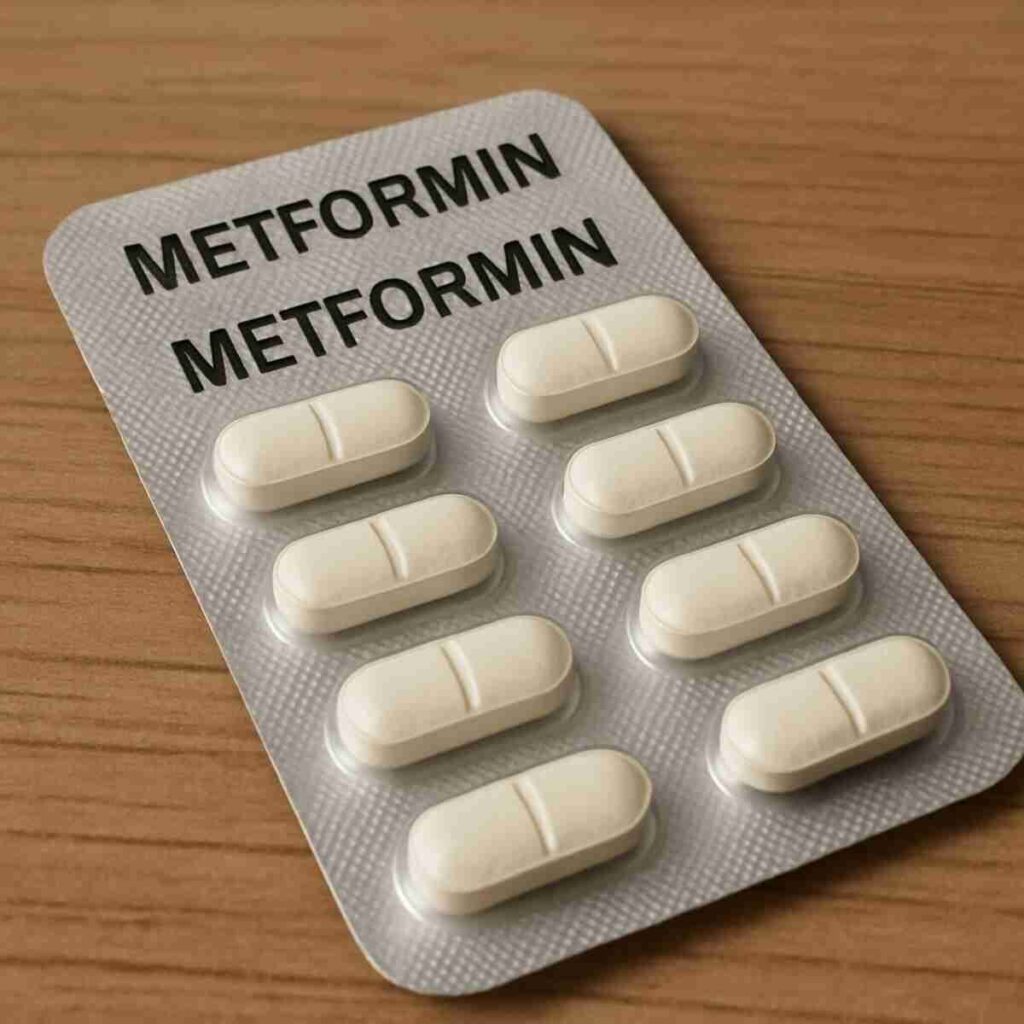
Metformin HCl ER 500 mg is a prescription oral medication primarily used to manage high blood sugar levels in adults with type 2 diabetes mellitus. As an extended-release (ER) formulation, it allows for a gradual release of the active ingredient into the bloodstream, significantly reducing the gastrointestinal side effects common with immediate-release versions while maintaining consistent glycemic control.
Metformin hydrochloride (HCl) remains the gold-standard first-line therapy for type 2 diabetes as of 2026. While the pharmaceutical landscape has seen the rise of various injectable GLP-1 agonists and SGLT2 inhibitors, the 500 mg extended-release tablet of metformin continues to be the foundational treatment due to its proven efficacy, safety profile, and cost-effectiveness. This guide provides a comprehensive analysis of its uses, mechanisms, and patient considerations.
Understanding the "ER" in Metformin HCl ER 500 mg
The "ER" designation stands for Extended Release. To understand the value of the 500 mg ER dose, one must distinguish it from the "IR" or Immediate Release version. In an IR tablet, the medication is released into the digestive tract almost immediately upon ingestion. This often leads to a rapid "spike" in the concentration of the drug, which can irritate the stomach lining and cause nausea, cramping, or diarrhea.
The 500 mg ER formulation utilizes a specialized delivery system—often a dual-polymer matrix or a "Gastro-Retentive" system. This technology allows the tablet to hydrate and form a gel-like layer in the stomach, which then slowly diffuses the metformin over several hours. This gradual process ensures that the medication is absorbed primarily in the upper gastrointestinal tract at a pace the body can tolerate more effectively.
For many patients, the 500 mg ER dose serves as the titration starting point. Doctors frequently prescribe one 500 mg tablet daily for the first week to allow the body to adapt, eventually increasing the dosage as needed to reach therapeutic targets.
Primary Clinical Use: Management of Type 2 Diabetes
The primary, FDA-approved use for Metformin HCl ER 500 mg is the treatment of Type 2 Diabetes Mellitus (T2DM). Unlike Type 1 diabetes, where the body produces little to no insulin, Type 2 diabetes is characterized by insulin resistance—where the body's cells do not respond properly to insulin—and a relative lack of insulin production over time.
Improving Glycemic Control
The ultimate goal of using metformin is to lower the patient's hemoglobin A1C (a three-month average of blood sugar levels). Metformin is highly effective at this, typically capable of lowering A1C levels by 1.0% to 1.5%.
Prevention of Cardiovascular Complications
Long-term use of metformin has been associated with a lower risk of cardiovascular events compared to other glucose-lowering agents. Because it does not typically cause weight gain—and may actually assist with modest weight loss—it is particularly beneficial for patients who are overweight or obese, a common demographic within the type 2 diabetes population.
Detailed Mechanism of Action: How It Works
Metformin HCl ER 500 mg does not work by "making more insulin." Instead, it focuses on making the insulin the body already produces work more efficiently and reducing the amount of sugar entering the bloodstream. Its action can be broken down into three main pathways:
- Reduction of Hepatic Glucose Production: The liver is responsible for producing "emergency" glucose (gluconeogenesis). In people with type 2 diabetes, the liver often overproduces sugar, even when the body doesn't need it. Metformin suppresses this excess production by inhibiting specific mitochondrial enzymes.
- Increased Insulin Sensitivity: Metformin increases the sensitivity of peripheral tissues, particularly skeletal muscle, to insulin. By activating an enzyme called AMP-activated protein kinase (AMPK), it helps the cells' "doors" open more easily to let glucose in, where it can be burned for energy.
- Decreased Intestinal Absorption: It slows down the rate at which the intestines absorb glucose from the food you eat. This helps prevent the sharp post-meal blood sugar spikes that contribute to long-term vascular damage.
Off-Label Uses and Emerging Clinical Applications
While its primary indication remains T2DM, Metformin HCl ER 500 mg is frequently prescribed "off-label" by clinicians who recognize its benefits in other metabolic and hormonal conditions.
Polycystic Ovary Syndrome (PCOS)
PCOS is a hormonal disorder common among women of reproductive age, often linked to insulin resistance. Clinicians use metformin to help regulate menstrual cycles and improve fertility. By lowering insulin levels, metformin can reduce the excess production of androgens (male hormones) in the ovaries, which helps manage symptoms like acne, hirsutism (excess hair growth), and weight gain.
Prediabetes Management
The American Diabetes Association (ADA) guidelines, maintained through 2026, suggest the use of metformin for individuals with prediabetes, especially those with a Body Mass Index (BMI) of 35 or higher, those under 60 years of age, and women with a history of gestational diabetes. Taking 500 mg of the ER version can help delay or prevent the progression to full-blown type 2 diabetes.
Weight Management and Metabolic Syndrome
Although not a primary weight-loss drug, metformin’s effect on insulin sensitivity often results in modest weight reduction. For patients with metabolic syndrome—a cluster of conditions including high blood pressure, high blood sugar, and excess body fat around the waist—metformin can be a tool to improve the overall metabolic profile.
Dosage, Administration, and Best Practices
The 500 mg ER dose is highly versatile. It allows for precise adjustments to find the "lowest effective dose."
How to Take Metformin HCl ER 500 mg
- Timing: It is almost always recommended to take this medication with the evening meal. Taking it with food further buffers the stomach against potential irritation.
- The "No-Crush" Rule: Because it is an extended-release tablet, it must be swallowed whole. Crushing, chewing, or breaking the tablet destroys the polymer matrix, causing the entire 500 mg dose to be released at once, which increases the risk of side effects and reduces the medication's effectiveness over time.
- Consistency: Metformin works best when the levels in the blood remain steady. Taking it at the same time each day is crucial for maintaining glycemic control.
Dosage Comparisons and Transitions
| Feature | Immediate Release (IR) | Extended Release (ER) |
|---|---|---|
| Dosing Frequency | Usually 2–3 times daily | Usually once daily |
| GI Side Effects | Higher incidence (Nausea, Diarrhea) | Lower incidence due to slow release |
| Starting Dose | Typically 500 mg IR | Typically 500 mg ER |
| Max Dose | Up to 2,550 mg/day | Up to 2,000 mg/day (varies by brand) |
| Absorption Time | Rapid (1–3 hours) | Gradual (4–8+ hours) |
Safety, Contraindications, and Side Effects
Despite its status as a foundational drug, Metformin HCl ER 500 mg is not suitable for everyone. Patients must be screened for specific risk factors before starting therapy.
The Risk of Lactic Acidosis
The most serious, though very rare, side effect of metformin is lactic acidosis. This occurs when lactic acid builds up in the bloodstream faster than it can be removed. This is primarily a concern for patients with significant kidney or liver impairment.
- Kidney Function: Use is generally contraindicated in patients with an eGFR (Estimated Glomerular Filtration Rate) below 30 mL/min/1.73 m².
- Alcohol Consumption: Excessive alcohol intake while taking metformin increases the risk of lactic acidosis and should be avoided.
Common Side Effects
Even with the ER formulation, some patients may experience:
- Mild diarrhea or loose stools.
- Gas (flatulence) or abdominal bloating.
- A metallic taste in the mouth.
- Decreased Vitamin B12 levels (long-term use can interfere with B12 absorption, necessitating periodic blood tests).
When to Seek Immediate Care
Patients should contact their healthcare provider immediately if they experience signs of lactic acidosis: unusual tiredness, dizziness, severe muscle pain, difficulty breathing, or sudden stomach pain with vomiting.
Lifestyle Synergy: Making the Medication More Effective
Metformin HCl ER 500 mg is not a "magic pill" that replaces the need for healthy habits. In fact, clinical trials like the Diabetes Prevention Program (DPP) have shown that metformin is most effective when paired with lifestyle modifications.
Dietary Considerations
A diet low in processed sugars and refined carbohydrates helps metformin work more efficiently. When there is less "external" sugar entering the system, the medication has a lighter load to manage in terms of insulin sensitivity and hepatic glucose suppression.
Physical Activity
Exercise naturally increases insulin sensitivity in the muscles. When combined with metformin, the synergistic effect can lead to significantly lower A1C levels than either intervention alone. Patients are generally advised to aim for 150 minutes of moderate-intensity aerobic activity per week.
Storage and Disposal
To maintain the integrity of the extended-release matrix:
- Store tablets at room temperature (20°C to 25°C or 68°F to 77°F).
- Keep the medication away from excessive moisture and heat, which can degrade the polymer coating.
- Do not use the medication past its expiration date, as the chemical stability of metformin can diminish.
For more information on safe disposal of unused medication, consult the FDA's guide on drug disposal.
Frequently Asked Questions (FAQs)
1. Can Metformin HCl ER 500 mg cause hypoglycemia (low blood sugar)?
Unlike insulin or sulfonylureas, metformin rarely causes hypoglycemia when used alone. This is because it does not force the pancreas to secrete more insulin; rather, it makes the existing insulin more effective. However, if taken in combination with insulin or other glucose-lowering drugs, the risk of low blood sugar may increase.
2. Why do I see the tablet "shell" in my stool?
This is a common occurrence with extended-release medications and is often referred to as a "ghost pill." The internal medication has been absorbed by your body, but the non-digestible polymer shell that held the medicine remains intact and is excreted. This does not mean the medication failed to work.
3. How long does it take for Metformin HCl ER 500 mg to start working?
While metformin begins to affect glucose production shortly after the first few doses, the full clinical effect on blood sugar levels and A1C typically takes 4 to 8 weeks. Doctors usually wait at least two weeks before considering a dose increase to ensure the body has adjusted to the current level.
4. Can I take Metformin HCl ER 500 mg during pregnancy?
Metformin is often used in pregnant women with T2DM or PCOS, and research generally suggests it is safe. However, insulin remains the preferred treatment for gestational diabetes in many clinical guidelines. It is essential to consult with an obstetrician or endocrinologist to weigh the risks and benefits during pregnancy as of 2026.
5. Does metformin interact with other common medications?
Yes, certain medications can interact with metformin. For example, some diuretics (water pills), corticosteroids, and certain blood pressure medications can raise blood sugar, potentially counteracting metformin's effects. Contrast dyes used in X-rays or CT scans can also pose a risk to kidney function while on metformin; patients are often advised to stop taking the drug temporarily before and after such procedures.
6. Is Metformin HCl ER 500 mg safe for the elderly?
Yes, but with caution. Older adults are more likely to have decreased kidney function. Healthcare providers should monitor renal function (eGFR) at least once a year—or more frequently—to ensure the medication is being cleared safely from the body.
Final Recommendations
If you have been prescribed Metformin HCl ER 500 mg, your next step should be to establish a consistent routine. Ensure you take the tablet with your largest meal of the day, usually dinner, and never crush or chew it. Monitor your blood glucose as directed by your physician to track how the medication is impacting your levels.
Furthermore, request a baseline Vitamin B12 test and annual kidney function screenings (eGFR) to ensure long-term safety. Remember that this medication is a partner to—not a replacement for—nutritional management and physical activity. Always keep an updated list of all medications and supplements you are taking to discuss potential interactions with your pharmacist or doctor.