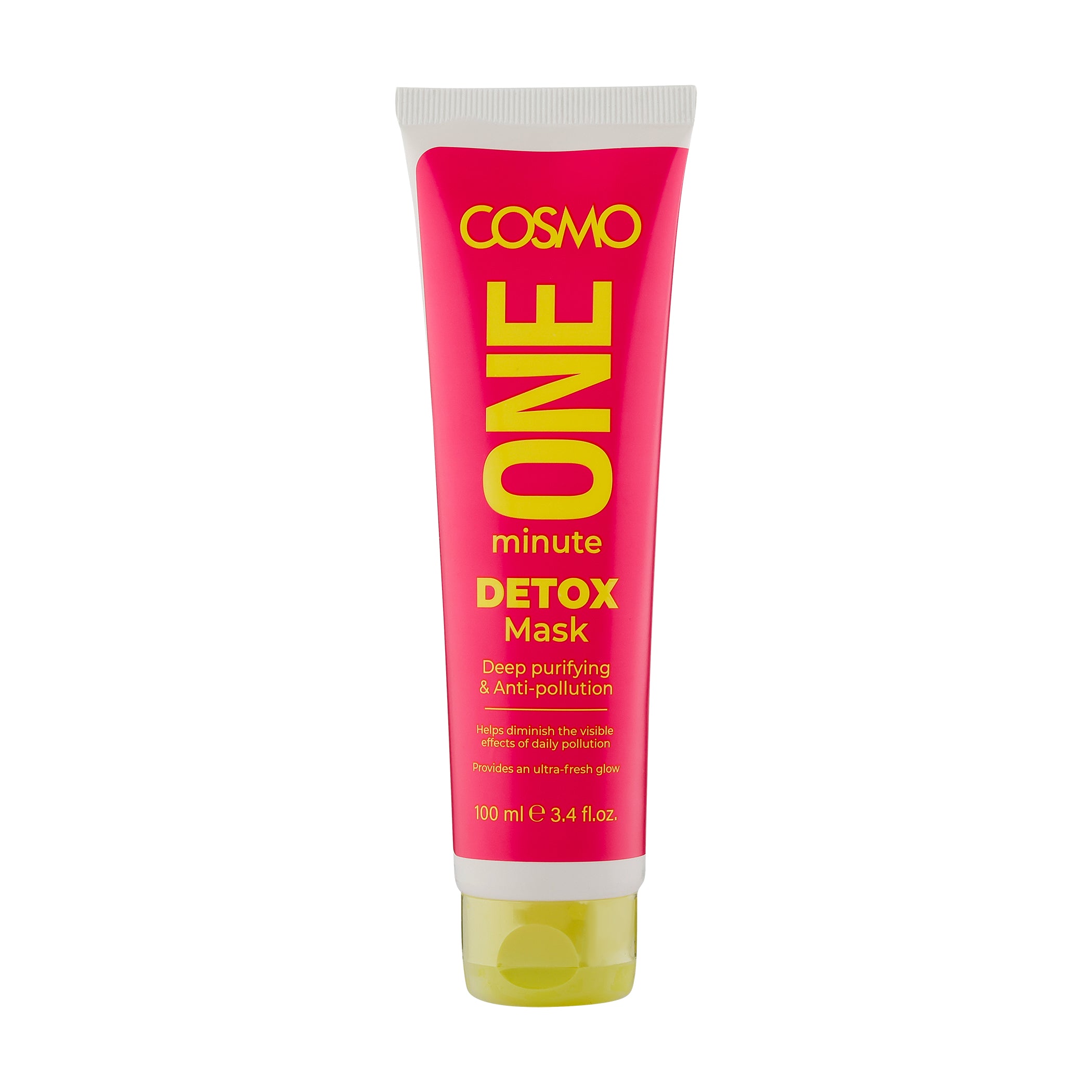
Selecting the best detox mask involves understanding your skin’s unique chemistry, identifying active ingredients like bentonite clay, kaolin, or activated charcoal, and matching them with your specific cleansing needs to clear impurities without stripping essential moisture.
The search for the ultimate skincare treatment often leads consumers through a labyrinth of marketing claims, complex ingredient lists, and vastly different price points. When looking for a top-tier clarifying treatment, the single most important factor is alignment between your skin's physiological needs and the formulation's active components. A formulation designed for robust, sebum-heavy skin can easily compromise a delicate or reactive moisture barrier. Evaluating these products requires looking past aesthetic packaging and examining the percentage of active minerals, botanical extracts, and humectants.
Understanding Skin Detoxification: Science and Realities
The term "detox" in skincare is frequently misunderstood. Human skin does not store toxins that need to be drawn out by topical muds or clays; rather, your liver and kidneys handle internal systemic detoxification. In the context of topical skincare, a "detox mask" serves a very specific, physical purpose: it absorbs excess sebum, clears accumulated particulate pollution, lifts dead cellular debris from the stratum corneum, and unclogs congested pores.
When environmental pollutants mix with natural sebum and dead skin cells, they oxidize within the pore lining, leading to blackheads, micro-comedones, and a dull complexion. Clarifying treatments interrupt this cycle. By utilizing porous materials with high surface areas, these formulas act as microscopic sponges. They create an osmotic or physical attraction that lifts impurities away from the skin surface during the drying or setting process.
However, the efficacy of this process depends heavily on formulation balance. Aggressive formulas that dry down completely until they crack can cause transepidermal water loss (TEWL) and micro-tears in the acid mantle. Modern cosmetic science focuses on balancing high-absorbency clays with hydrating agents like glycerin, hyaluronic acid, or soothing botanical waters to ensure the skin remains resilient after rinsing.
Key Ingredients to Look For in a High-Performance Formula
Dissecting the ingredient deck of a clarifying treatment reveals why certain options outperform others. High-performing formulations rely on specific mineral and botanical categories that target sebum regulation and surface refinement.
Clays and Absorbent Minerals
Bentonite and French green clay are powerhouse absorbents derived from volcanic ash and weathered mineral deposits. When hydrated, these clays swell and acquire a negative electrical charge, which attracts positively charged toxins, heavy metals, and excess oils. Kaolin clay, available in white, pink, or red varieties, offers a milder alternative. White kaolin is exceptionally gentle, making it suitable for sensitive skin types that cannot tolerate the heavy draw of bentonite.
Activated Charcoal
Derived from carbon sources like coconut shells or bamboo heated to high temperatures, activated charcoal features a vast network of internal pores. A single gram of activated charcoal can have a surface area exceeding 500 square meters. This immense surface area allows it to trap chemical impurities, excess sebum, and environmental micro-particles trapped within the epidermal folds.
Chemical Exfoliants and Enzymes
Many modern clarifying treatments incorporate Alpha Hydroxy Acids (AHAs like glycolic or lactic acid) or Beta Hydroxy Acids (BHAs like salicylic acid) alongside physical absorbers. Salicylic acid is oil-soluble, allowing it to penetrate inside the pore lining to dissolve the cellular "glue" holding sebum and dead skin together. Papain (from papaya) and bromelain (from pineapple) offer gentle enzymatic digestion of surface keratin without mechanical abrasion.
Comparing Top-Tier Clarifying Treatments
To help navigate the vast landscape of facial treatments, the following comparison highlights formulation styles, target skin types, and primary mechanisms of action.
| Product Category / Type | Primary Active Ingredients | Ideal Skin Type | Main Benefit | Potential Drawback |
|---|---|---|---|---|
| Volcanic Ash & Bentonite Clay | Bentonite Clay, Sulfur, Volcanic Ash | Oily, Acne-Prone, Thick Skin | Deep sebum absorption and rapid blemish reduction | Can cause excessive dryness if left on too long |
| Kaolin & Botanical Infusions | White Kaolin, Aloe Vera, Chamomile Extract | Normal, Combination, Sensitive | Gentle surface purification without irritation | Milder draw; less effective on severe cystic congestion |
| Charcoal & AHA/BHA Blend | Activated Charcoal, Salicylic Acid, Glycolic Acid | Congested, Dull, Textured Skin | Multi-action pore clearing and surface brightening | Increased photosensitivity; requires diligent sunscreen use |
| Hydrating Mud Masks | Moor Mud, Glycerin, Hyaluronic Acid | Dry, Mature, Stressed Skin | Mineral replenishment without moisture depletion | Higher price point; lower oil-absorption capacity |
Step-by-Step Application Guide for Maximum Efficacy
Applying a purifying treatment correctly ensures you reap the maximum rewards while safeguarding your skin barrier. Random application without preparation diminishes the product's performance.
- Cleanse Thoroughly: Begin with a clean canvas. Remove makeup, sunscreen, and surface grime using a gentle, low-pH cleanser. Applying a treatment over dirty skin pushes impurities further into open pores.
- Open the Pores (Optional): A warm, damp towel placed over the face for one minute can help soften surface sebum and prepare the skin to receive active minerals.
- Apply Evenly: Using a clean silicone brush or sanitized fingers, apply an even layer across the face, avoiding the delicate eye area and lips. Concentrate on congested zones such as the nose, chin, and forehead (the T-zone).
- Monitor the Drying Phase: Do not let traditional clay formulas dry completely until they crack and flake. This over-drying stage draws essential moisture out of the living layers of the skin. Rinse the product off while it is still slightly tacky—usually around the 8-to-10-minute mark.
- Rinse with Lukewarm Water: Use gentle circular motions with lukewarm water to reactivate and loosen the mask. Avoid harsh scrubbing towels that can irritate freshly treated skin.
- Lock in Hydration: Immediately follow up with a hydrating toner, serum, and a barrier-repair moisturizer to restore optimal hydration levels and seal the lipid barrier.
Common Mistakes to Avoid
Even with a premium product, improper usage habits can compromise your skin health. Avoiding these frequent missteps ensures a better skincare experience.
- Overusing the Treatment: Applying a deep-cleansing formulation every day strips the skin of its natural protective lipids, triggering rebound sebum production and severe irritation. Limit use to once or twice a week depending on your skin type.
- Ignoring Patch Testing: New formulations can trigger contact dermatitis or allergic reactions. Always perform a patch test on the inner forearm or behind the ear 24 hours before facial application.
- Skipping Moisturizer Afterward: Some users believe that because a treatment reduces oiliness, they can skip moisturizing. This mistake signals the sebaceous glands to overproduce oil to compensate for sudden dryness.
- Using Metal Utensils with Bentonite Clay: Pure ionic clays like bentonite carry a negative charge that can react with metal bowls or spoons, neutralizing their drawing capacity. Always use glass, ceramic, or silicone mixing tools.
Frequently Asked Questions
How often should I use a clarifying treatment?
Most skin types benefit from use once or twice a week. If you have exceptionally oily skin, you might use a targeted clay formula twice weekly, while dry or sensitive skin types should limit use to once every ten to fourteen days.
Can these treatments completely cure acne?
No single topical treatment can cure acne, as breakouts stem from complex internal factors such as hormones, genetics, and gut health. However, clarifying treatments help manage surface congestion, reduce pore blockages, and support an overall acne-management regimen.
What is the difference between a sheet mask and a purifying treatment?
Sheet masks are designed primarily to infuse the skin with liquid serums focused on hydration, brightening, or soothing. Purifying treatments, often made of clay, mud, or charcoal, focus on drawing out impurities, regulating oil, and exfoliating surface debris.
Should my skin feel tight after rinsing?
No. A tight, dry sensation indicates that the product was left on too long, compromising your natural moisture barrier. A properly formulated and timed treatment should leave your skin feeling clean, refreshed, and balanced, never stripped or painful.
Are natural DIY clay masks as effective as commercial formulations?
DIY mixtures of raw clay and water can be effective at absorbing oil, but commercial formulations often include essential humectants, pH adjusters, and soothing agents that make them safer and more balanced for regular skincare use.
Conclusion and Next Actions
Finding the best clarifying treatment comes down to balancing oil absorption with barrier protection. Assess your skin type honestly—whether it is resilient and oily or delicate and combination—and select a formulation featuring ingredients tailored to those traits. To take action, review your current skincare routine, identify any gaps in pore management, and introduce a high-quality, balanced treatment once a week while carefully monitoring your skin's response.