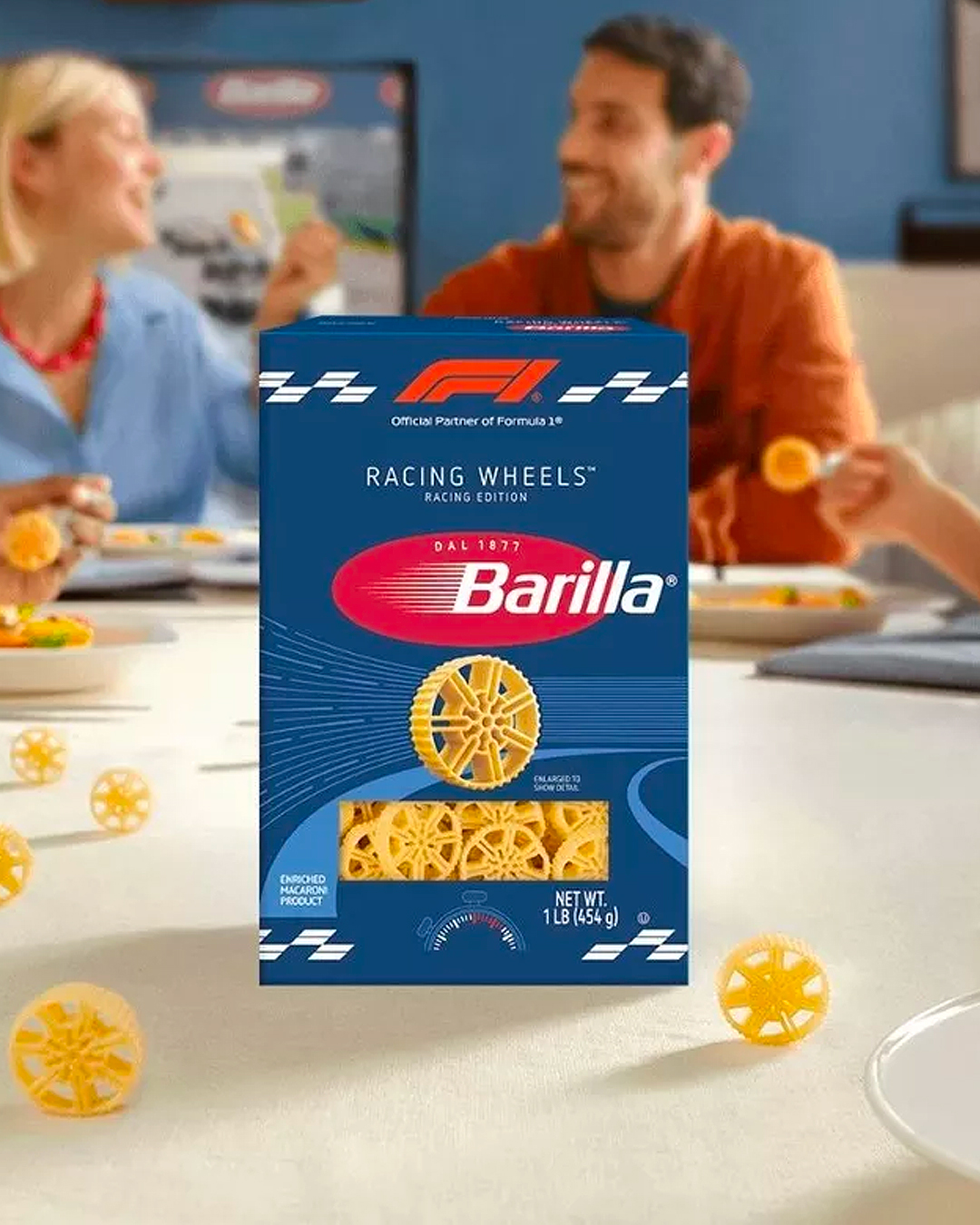
The Barilla Racing Wheels pasta launch, which gained significant momentum in 2024 and remains a staple in the brand’s specialty lineup in 2026, represents a strategic fusion of Italian culinary tradition and the global surge in motorsport popularity. This enriched macaroni product, characterized by its "Ruote" (wheel) shape, is engineered to provide a high-performance "sauce-trapping" geometry, catering to both racing enthusiasts and families seeking a durable, textured pasta for diverse recipes.
The Origins and Strategy Behind Barilla Racing Wheels
The introduction of Barilla Racing Wheels was not merely a coincidence of design but a calculated response to the cultural zeitgeist. By the mid-2020s, Formula 1 and other high-performance racing leagues saw an unprecedented spike in viewership, particularly within the United States. Barilla, a company with a history dating back to 1877 in Parma, Italy, recognized an opportunity to bridge the gap between the "high-performance" nature of athletes and the nutritional requirements of a balanced Mediterranean diet.
Historically, the "Ruote" shape—Italian for "wheels"—was inspired by the industrial revolution, reflecting the mechanical progress of the early 20th century. In its modern "Racing Wheels" iteration, Barilla emphasized the structural integrity of the pasta. The launch focused on the concept that food, much like a racing car, requires the right fuel and aerodynamics (or in this case, hydrodynamics during the boiling process) to deliver a superior experience.
The marketing campaign leveraged Barilla’s long-standing associations with top-tier athletes. By positioning Racing Wheels as a "fun yet functional" shape, the brand successfully appealed to two distinct demographics: parents looking for a way to engage children at the dinner table and motorsport fans who appreciated the thematic connection to their favorite sport.
Technical Specifications and Nutritional Profile
Understanding the performance of Barilla Racing Wheels requires a look at its technical composition. Like the standard "Blue Box" lineup, the Racing Wheels are manufactured using 100% durum wheat semolina. This choice of grain is critical for maintaining the "Al Dente" (to the tooth) texture that Barilla is known for globally.
Ingredient Integrity
The pasta is produced in facilities that adhere to strict non-GMO standards. The primary ingredients include:
- Durum Wheat Semolina: Provides the protein structure necessary for the pasta to hold its shape during a vigorous boil.
- Enriched Nutrients: Including Niacin, Iron (Ferrous Sulfate), Thiamine Mononitrate, Riboflavin, and Folic Acid.
From a nutritional standpoint, a standard 2-ounce (56g) dry serving provides approximately 200 calories, 7 grams of protein, and 2 grams of fiber. For athletes and active individuals—the "racing" demographic—this provides a steady release of complex carbohydrates, essential for glycogen replenishment.
Geometric Performance
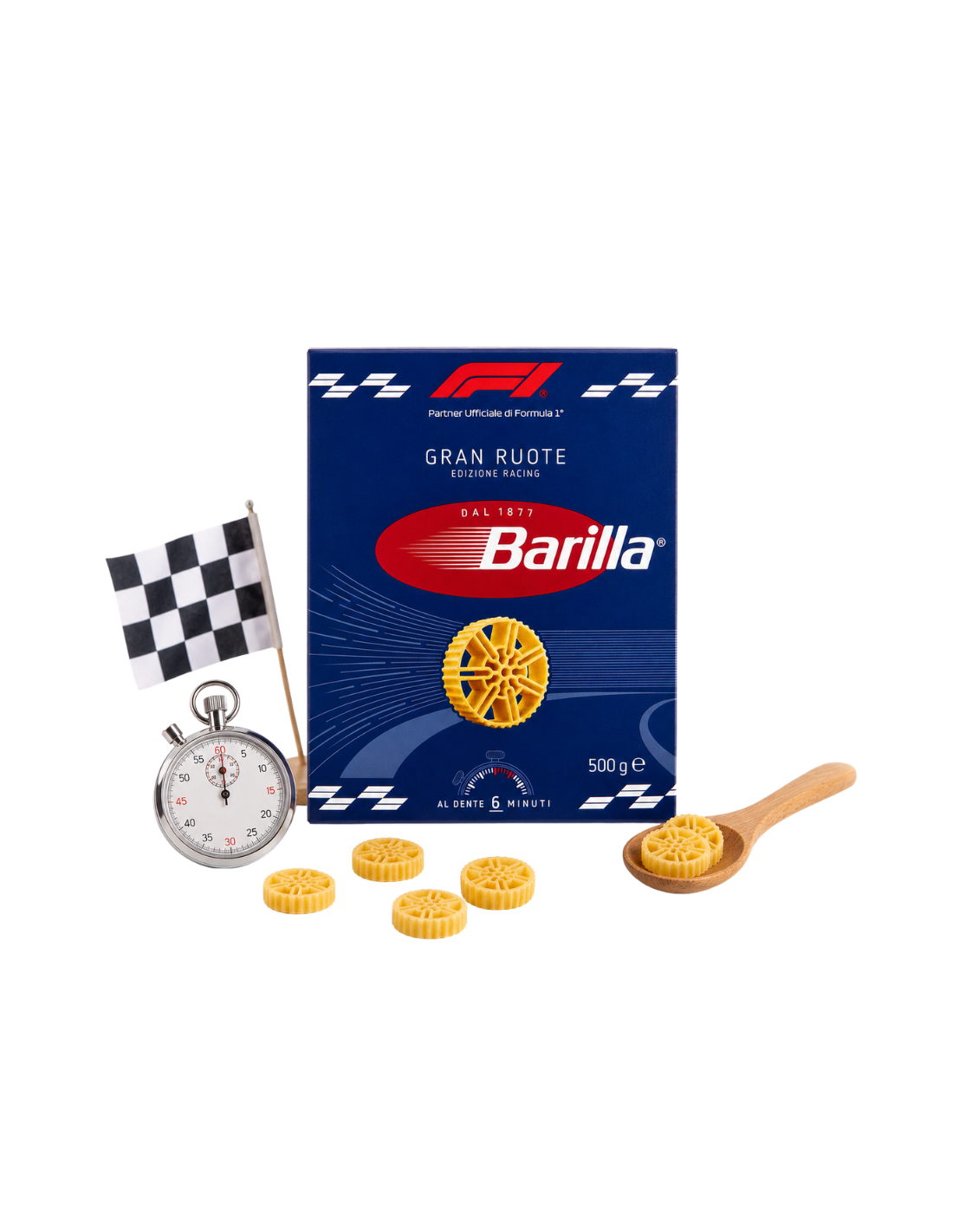
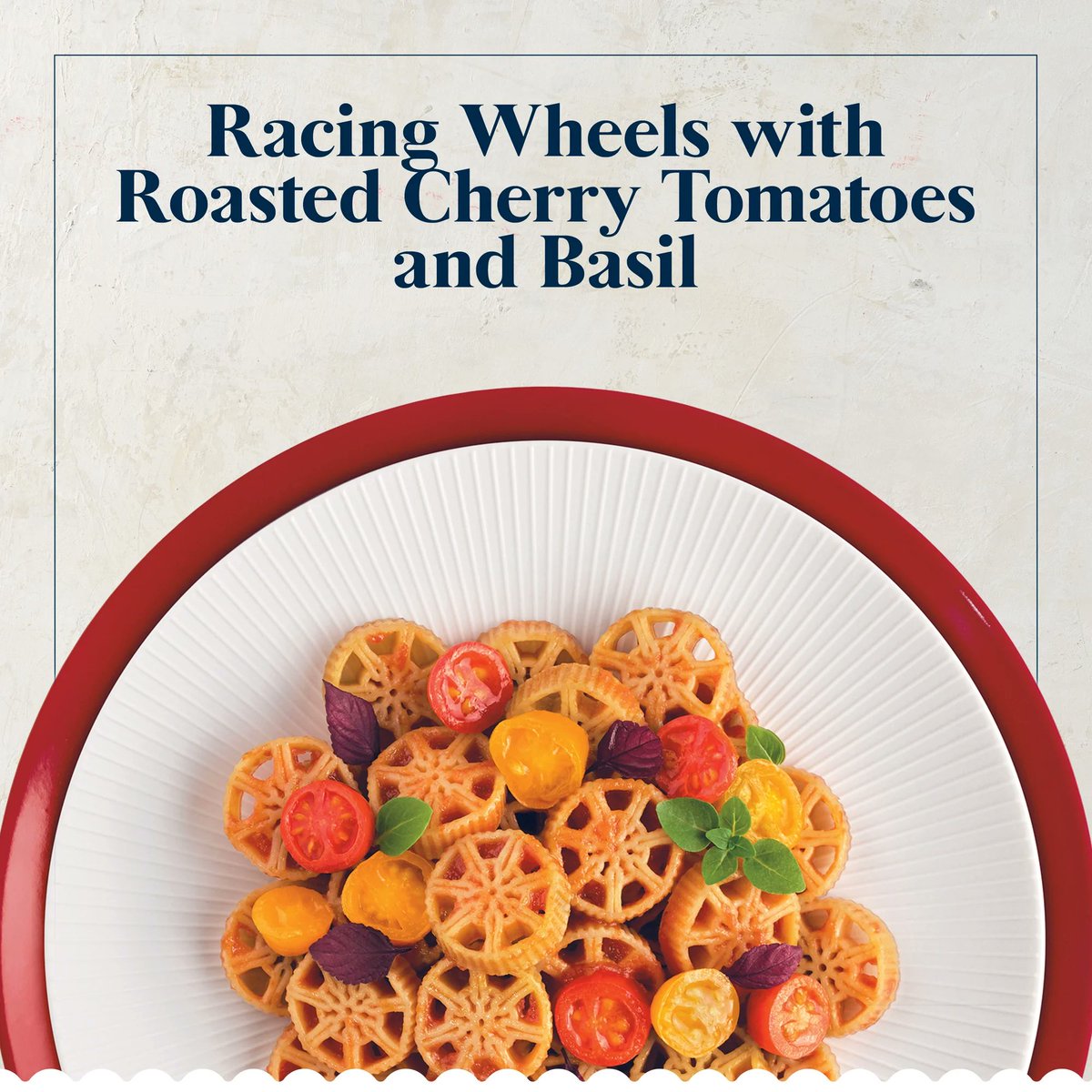
The "Racing Wheel" geometry is composed of a circular outer rim, a central hub, and six radiating spokes. This design is not merely aesthetic; it serves a specific culinary function known as "sauce displacement." The spaces between the spokes act as reservoirs for thicker sauces, while the textured outer rim provides enough surface area for lighter oil-based sauces to adhere.
Textural Dynamics and Al Dente Performance
In the world of professional pasta preparation, the "window of perfection" refers to the time during which pasta is perfectly cooked before it becomes over-hydrated and mushy. Barilla Racing Wheels are designed with a specific wall thickness that ensures a consistent cook-through.
In 2026, culinary tests continue to show that Racing Wheels reach a perfect Al Dente state at approximately 7 minutes of boiling, with a "tender" state reached at 9 minutes. The spokes are engineered to be slightly thinner than the outer rim, which allows the center of the "wheel" to cook at the same rate as the exterior, preventing the common issue of a hard center and soft edges.
The Science of Starch Release
During the boiling process, the Racing Wheels release a controlled amount of starch into the water. This starchy pasta water is a "liquid gold" for chefs; when added to a sauce, it acts as an emulsifier, binding the fats in the sauce to the complex carbohydrates of the wheels. This is particularly effective with the Racing Wheels shape because the central "hub" of the pasta naturally captures and holds these emulsions.
Retail Availability and Packaging Analysis
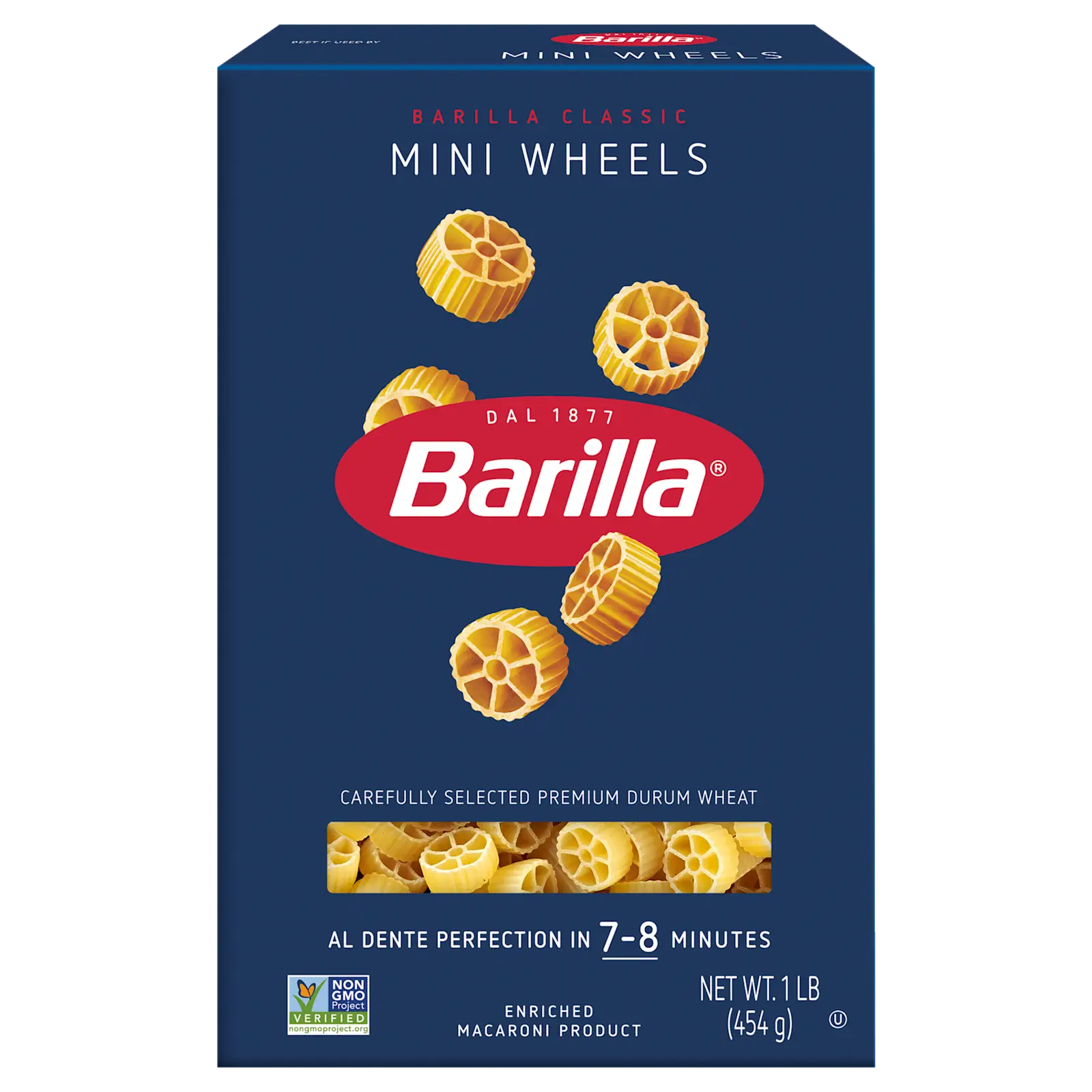
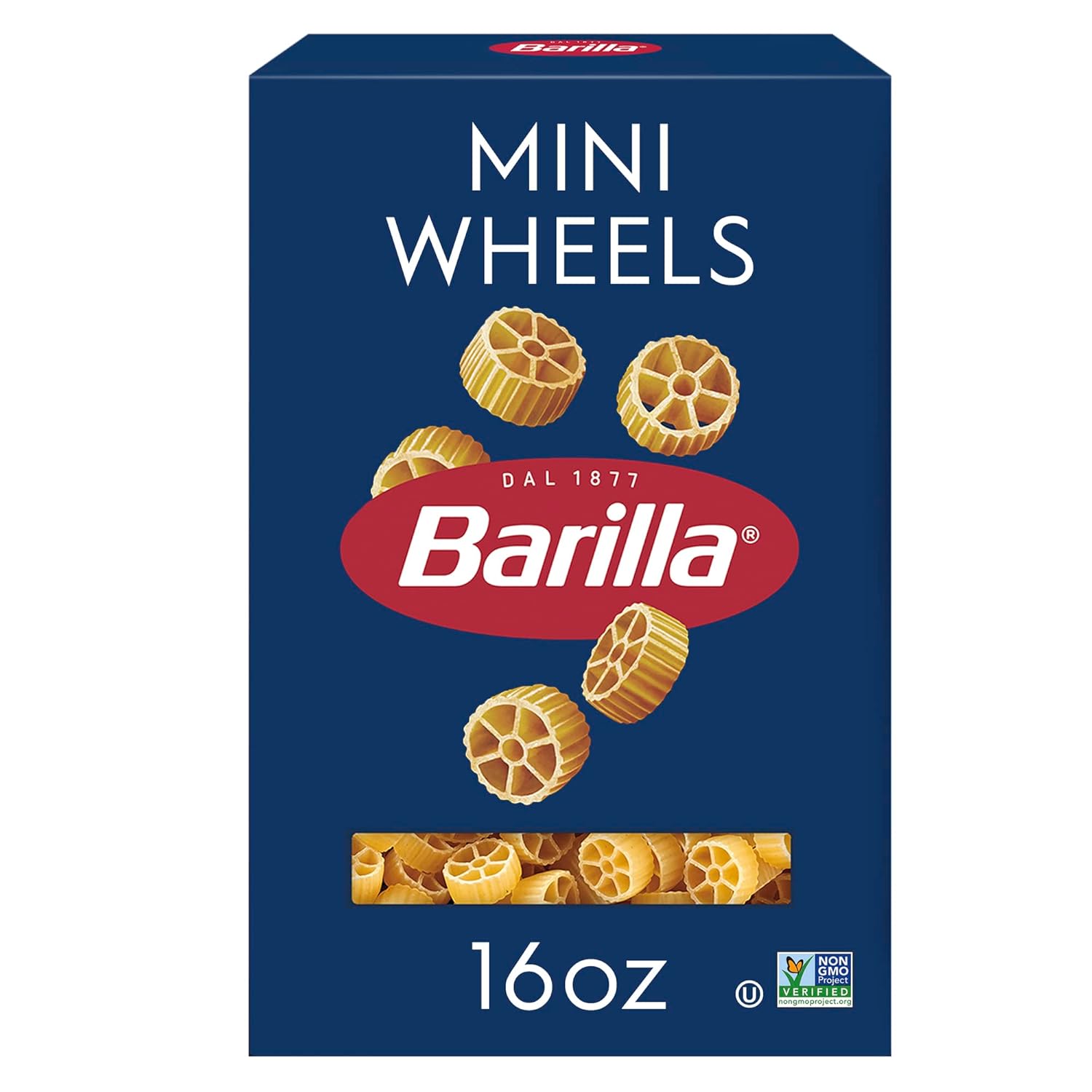
Since its high-profile launch, Barilla Racing Wheels have been distributed in the iconic 12-ounce or 16-ounce navy blue boxes. The packaging often features specific racing-themed graphics, distinguishing it from the standard Ruote pasta found in European markets.
In the current 2026 retail landscape, the product is available through:
- Major National Retailers: Walmart, Kroger, and Target maintain consistent stock in the "Specialty Shapes" aisle.
- E-commerce Platforms: Amazon and Barilla’s direct-to-consumer portal offer bulk purchasing options.
- Specialty Grocers: Often found in the "International" or "Italian" sections of premium markets like Whole Foods or Wegmans.
The pricing has remained competitive, generally hovering between $1.79 and $2.49 per box, depending on regional logistics and promotional cycles. This affordability is a cornerstone of Barilla’s "Pasta for All" philosophy, ensuring that a "themed" or "premium shape" launch does not alienate the average consumer.
Comparison of Racing Wheels to Traditional Shapes
To understand where Racing Wheels fit in a pantry, it is helpful to compare them to other common shapes based on their sauce-holding capabilities and structural density.
| Pasta Shape | Ideal Sauce Type | Sauce Retention Mechanism | Average Cook Time (Al Dente) |
|---|---|---|---|
| Racing Wheels | Chunky Meat, Vegetable, Thick Cream | Internal spokes and central hub | 7 Minutes |
| Penne Rigate | Marinara, Arrabbiata | External ridges and hollow center | 11 Minutes |
| Spaghetti | Oil-based, Carbonara, Thin Tomato | Surface tension and wrapping | 9 Minutes |
| Rotini | Pesto, Vinaigrette | Spiral grooves | 7 Minutes |
| Farfalle | Heavy Cream, Cold Salads | Center pinch and wide wings | 11 Minutes |
Culinary Applications: Pairing and Recipes
The versatility of the Racing Wheel shape makes it a favorite for diverse culinary applications. Its durability makes it particularly well-suited for dishes that require tossing or light sautéing after boiling.
The "Pit Stop" Pasta Salad
Because Racing Wheels maintain their structural integrity even when cold, they are the gold standard for pasta salads. The "spokes" of the wheel trap small pieces of diced bell peppers, olives, and feta cheese, ensuring that every bite contains a balanced distribution of ingredients. In 2026, this remains a popular choice for outdoor events and "tailgating" at racing events.
Hearty Meat Sauces (Bolognese)
Unlike thinner shapes that can get lost in a heavy ragù, Racing Wheels stand up to the weight of ground beef, pork, or plant-based crumbles. The central hub acts as a "scoop," providing a satisfying textural contrast between the firm pasta and the soft sauce.
Child-Centric Nutrition
The "Racing" branding is frequently used by nutritionists to encourage children to eat balanced meals. By framing the meal around "fueling up for the race," parents can introduce vegetables like finely chopped spinach or grated carrots, which hide easily within the spokes of the wheels.
Common Preparation Mistakes and Troubleshooting
Despite its robust design, certain errors can diminish the quality of the Barilla Racing Wheels experience.
- Crowding the Pot: Because of the wide diameter of the wheels, they require ample space to circulate. Using a pot that is too small can lead to the wheels nesting inside one another, resulting in uneven cooking. A ratio of 4 quarts of water per 1 lb of pasta is recommended.
- Over-Salting or Under-Salting: The water should be "as salty as the sea." This is the only time the pasta itself can be seasoned. For Racing Wheels, which have a significant surface area, proper salting is essential for flavor development.
- Rinsing the Pasta: Unless making a cold pasta salad, one should never rinse Racing Wheels after draining. Rinsing removes the surface starch needed to help the sauce adhere to the "spokes" and "rims."
- Inadequate Stirring: During the first two minutes of boiling, the wheels are most likely to stick together. Constant, gentle stirring during this initial phase is vital.
The Future of the Racing Wheels Line in 2026
As we look at the status of this product in 2026, Barilla Racing Wheels have transitioned from a "limited edition launch" to a core component of the "fun shapes" category. The brand has occasionally updated the box art to coincide with major racing seasons, further cementing the link between the product and the sport.
There are also indications that Barilla may expand the "Racing" line to include whole grain or gluten-free versions of the wheel shape, responding to the growing demand for inclusive dietary options within the enthusiast community. For now, the classic blue box remains the primary vehicle for this unique shape.
Frequently Asked Questions
Is Barilla Racing Wheels pasta different from regular Ruote?
While the physical shape is identical to the traditional Italian Ruote, the "Racing Wheels" launch specifically targets the North American market with racing-themed packaging and marketing. The dough formulation remains the consistent high-quality durum wheat semolina used across Barilla’s Blue Box range.
How long does Barilla Racing Wheels pasta last in the pantry?
When stored in a cool, dry place, an unopened box of Barilla Racing Wheels has a shelf life of approximately 18 to 24 months. Always check the "Best Before" date printed on the side of the box for the most accurate information.
Are Barilla Racing Wheels vegan and kosher?
Yes, Barilla Racing Wheels are made from plant-based ingredients (wheat and minerals) and are suitable for a vegan diet. They are also typically certified Kosher (look for the "U" or "OU" symbol on the packaging).
Can I use Racing Wheels for Macaroni and Cheese?
Racing Wheels are an excellent alternative to elbow macaroni. Their spokes and hub capture cheese sauce more effectively than smooth tubes, providing a more flavor-dense experience in every spoonful.
Where can I find specific Barilla Racing Wheels recipes?
The official Barilla website provides a comprehensive database of recipes. You can filter by shape to find "Ruote" or "Wheels" recipes specifically designed to maximize the performance of this geometry.
Practical Recommendation for Consumers
For the best results, consumers should treat Barilla Racing Wheels as a "structural" pasta. If you are preparing a dish with many small, chopped ingredients (like a primavera or a chunky marinara), the Racing Wheel is your best choice. If you are using a very thin, watery sauce, a long-strand pasta like Linguine might be more appropriate.
To elevate the experience, always reserve at least half a cup of the pasta cooking water before draining. Adding this back into your sauce pan along with the Racing Wheels will create a professional-grade silkiness that highlights the unique "spoke" design of the pasta.