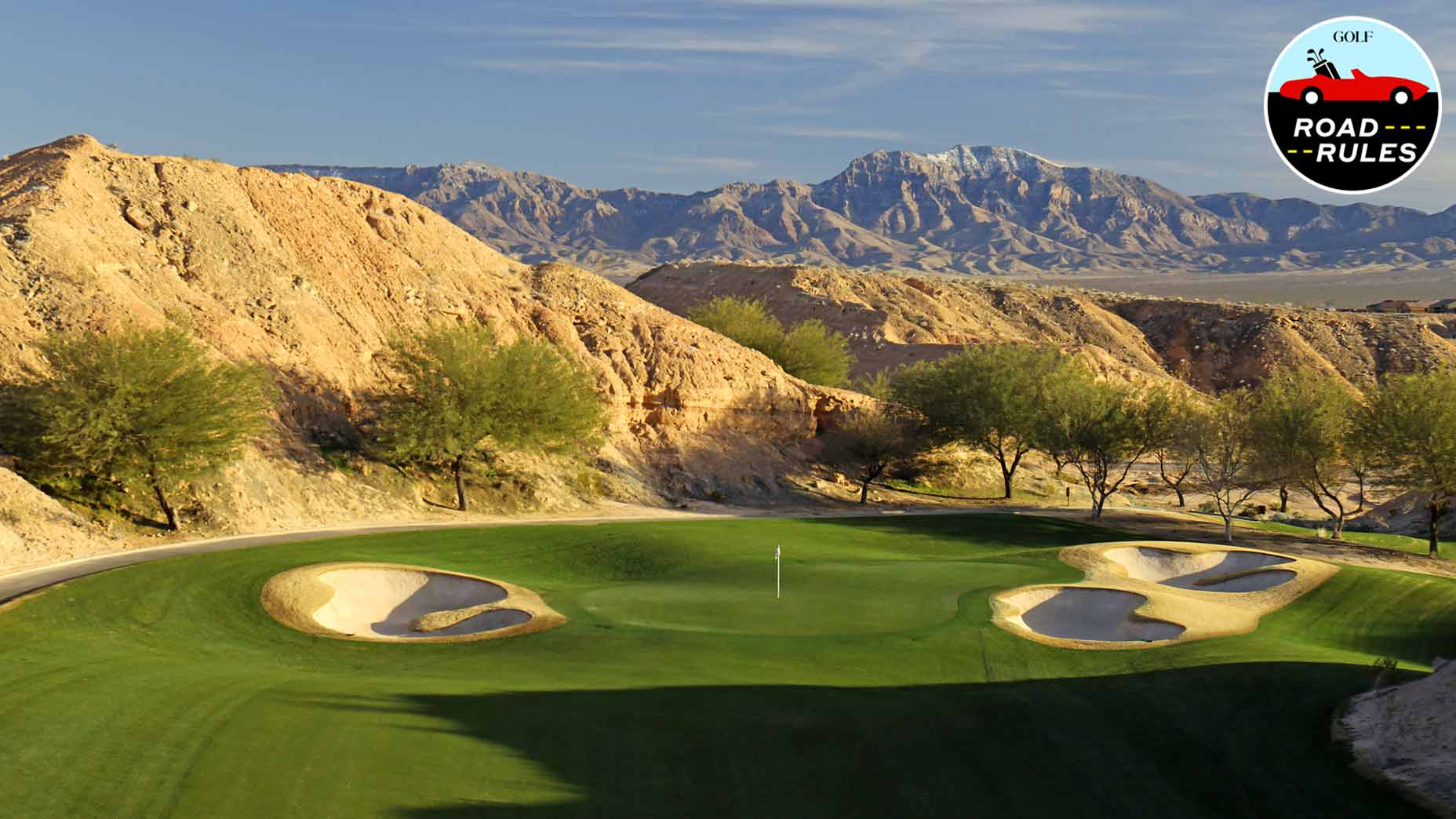
Planning a Vegas golf trip requires balancing world-class desert course design, strict seasonal weather patterns, and the logistical challenges of navigating the Las Vegas Strip and surrounding valleys. Successfully executing this getaway means securing tee times months in advance, choosing accommodations that fit your group's budget and schedule, and understanding the unique turf conditions of high-end desert layouts.
Understanding the Las Vegas Golf Landscape
Las Vegas is a premier destination for golf travelers, blending challenging championship layouts designed by legendary architects with the unmatched entertainment ecosystem of the Strip. However, organizing a trip here differs significantly from playing in traditional parkland or coastal regions. The desert environment shapes everything from course maintenance schedules to agronomy and daily play strategies.
When evaluating a Vegas golf trip, travelers must look past glossy promotional photos and examine critical factors such as location relative to accommodation, seasonal aerification schedules, and total package costs. Courses in the Las Vegas metropolitan area generally fall into three distinct tiers: high-end luxury resort courses on or near the Strip, premier daily-fee layouts located in master-planned communities like Henderson and Summerlin, and budget-friendly municipal or older tracks that offer accessible golf without sacrificing convenience.
The Desert Golf Environment
Playing golf in the Mojave Desert introduces distinct physical and technical challenges. Most courses use overseeded Bermuda grass for fairways and greens, transitioning between warm-season and cool-season turf depending on the time of year. Because water conservation is a priority across Clark County, playing areas outside the designated turf lines are strictly maintained as desert washes, rock, or native brush.
Golfers must adapt to firm, fast fairways where roll is maximized, alongside greens that can run exceptionally quick. Furthermore, the dry desert air means golf balls travel slightly farther than they would at sea level, requiring careful distance calculation on approach shots. Hydration is another non-negotiable element; carrying water and electrolytes is essential during play, particularly in late spring and early autumn.
Selecting Your Courses: A Tiered Comparison
Building the ideal itinerary involves mixing premier bucket-list experiences with reliable, highly playable layouts. Because green fees vary dramatically based on the season and time of day, categorization helps groups manage their overall budget.
| Course Category | Typical Price Range (2026) | Key Characteristics | Notable Examples |
|---|---|---|---|
| Luxury / Resort | $350 – $600+ | Impeccable conditioning, premium amenities, dramatic desert topography, often tied to resort stays. | Shadow Creek, Wynn Golf Club, Cascata |
| Premier Daily-Fee | $175 – $350 | Superior course architecture, scenic views of the surrounding mountains, excellent practice facilities. | Wolf Creek (Mesquite/Day trip), Bali Hai, TPC Las Vegas, Reflection Bay |
| Value & Accessible | $75 – $175 | Straightforward layouts, high playability, convenient access, ideal for high-handicap players or casual rounds. | Las Vegas National, Desert Rose, The Revere Golf Club |
Examining the Top-Tier Options
For groups with flexible budgets, certain courses stand out as crown jewels of the region:
- Shadow Creek Golf Course: Located north of North Las Vegas, this Tom Fazio design features thousands of mature trees, flowing streams, waterfalls, and manicured turf that feels entirely removed from the surrounding desert. Access historically required staying at an MGM Resorts property and paying a premium transportation and green fee rate.
- Wynn Golf Club: Situated right on the Las Vegas Strip, the Wynn offers the rare convenience of a championship-caliber course within walking distance of major casino-resorts. Redesigned by Tom Fazio and Steve Wynn, it provides a lush, dramatic finish on the 18th hole complete with a towering water feature.
- Cascata: Located in Henderson, this Rees Jones design is carved directly into the steep slopes of the River Mountains. Water cascades from a mountain peak right through the middle of the clubhouse and feeds streams across the property, creating an isolated, visually stunning golf experience.
Timing Your Trip: Seasons and Weather
Choosing when to visit Las Vegas dictates both your playing comfort and your financial investment. The desert climate features extreme summer highs that demand careful planning, contrasted with mild, highly sought-after winter and spring conditions.
Spring and Fall (Peak Season)
- Months: March through May, and September through November.
- Conditions: Daytime temperatures range from the mid-70s to low 80s°F, offering optimal playing weather.
- Considerations: This is peak tourist and convention season in Las Vegas. Tee times book out 60 to 90 days in advance, and green fees reach their annual maximums.
Summer (Value Season)
- Months: June through August.
- Conditions: Temperatures routinely exceed 100°F and can peak above 110°F.
- Considerations: While challenging due to the heat, summer offers significant discounts on green fees and resort accommodations. Courses mitigate the heat by offering morning shotgun starts (teeing off at dawn, typically 6:00 AM or earlier) and outfitting carts with misters or air-conditioned seating where available.
Winter (Cool Season)
- Months: December through February.
- Conditions: Daytime highs hover in the upper 50s to low 60s°F, though mornings can be crisp and frosty.
- Considerations: Shorter daylight hours limit afternoon tee times, and overseeding transitions can occasionally result in cart-path-only restrictions or dormant turf. However, prices are moderate compared to spring.
Logistics, Transportation, and Accommodation
A seamless Vegas golf trip requires coordinating where you sleep, how your clubs travel, and how your group moves between the hotel, the course, and evening entertainment.
Where to Stay
Your accommodation choice should reflect your group's priorities. If nightlife, fine dining, and casino gaming are central to the trip, staying on the central Las Vegas Strip (at properties like Aria, Wynn, or The Venetian) provides central access. However, if your itinerary focuses heavily on Henderson-based courses (such as Cascata or Rio Secco) or Boulder City courses, renting a home through platforms like Airbnb or VRBO in Henderson or Summerlin can drastically reduce daily driving times.
Managing Golf Clubs: Shipping vs. Air Travel
Traveling with golf clubs via commercial airlines involves baggage fees and the risk of transit delays or damage. Many golfers traveling to Las Vegas choose alternative logistics:
- Direct Airline Transport: Ensure you use a hard-shell or heavily padded soft travel bag, remove club heads where possible, and pack accessories securely.
- Ship-and-Insure Services: Companies like Ship Sticks allow you to send your clubs directly from your home to your hotel or golf course, eliminating airport baggage carousels and vehicle size constraints.
Ground Transportation
Relying solely on rideshares (Uber/Lyft) can become expensive if you are traveling to courses in Henderson, Mesquite, or outer Summerlin. Renting a full-sized SUV or passenger van at McCarran International Airport (Harry Reid International Airport) usually proves more cost-effective for foursomes, providing ample space for luggage and four sets of golf clubs.
Common Mistakes to Avoid
Even seasoned travelers can run into preventable issues when organizing a golf getaway to Nevada. Steering clear of these common missteps ensures your trip stays on track:
- Underestimating Travel Times: Las Vegas traffic on the I-15 and the 215 Beltway can be heavy during morning and evening rush hours. A course listed as being in Las Vegas may still require a 30- to 45-minute drive from the Strip.
- Failing to Check Aerification Schedules: Courses aerify their greens multiple times a year to maintain turf health. Always call or check course websites for aerification dates before booking your tee times to avoid playing on recently punched and sanded greens.
- Ignoring Dress Codes: High-end desert courses enforce strict dress codes. Collared shirts, tailored golf shorts or slacks, and soft-spike golf shoes are universally required. Denim, gym wear, and t-shirts will result in denial of access to the practice facilities and course.
- Overlooking Hydration and Sun Protection: The desert sun is intense, even on cooler days. Failing to drink water continuously throughout the round can lead to heat exhaustion, which quickly ruins a golf vacation.
Frequently Asked Questions
How far in advance should I book tee times for a Vegas golf trip?
For peak spring and fall seasons, you should book tee times 60 to 90 days in advance, especially for premier courses like Shadow Creek, Cascata, or Wynn. Some high-end resorts allow hotel guests to secure tee times further out, so coordinate your lodging and golf bookings simultaneously.
Are golf club rentals available at Las Vegas courses?
Yes, nearly all premier and daily-fee courses in Las Vegas offer high-end club rentals from major manufacturers (such as Titleist, Callaway, or TaylorMade). Rental sets typically include current-year models and a sleeve of golf balls, though reserving your rental set ahead of time is strongly recommended.
Is it cheaper to play golf in the afternoon in Las Vegas?
Courses frequently offer "twilight" or "super-twilight" rates for afternoon tee times. While these rates are significantly cheaper, keep in mind that sunset times vary by season. In the winter, afternoon rounds may be cut short by darkness before you can finish 18 holes.
Do I need a rental car, or can I rely on rideshares?
If your group plans to stay strictly on the Strip and play courses close to the center (such as Wynn or Bali Hai), rideshares are viable. However, for multiple courses spread across Henderson and Summerlin, renting a vehicle or van is far more economical and reliable.
Final Recommendations for Your Itinerary
To maximize your Vegas golf trip, build a balanced schedule that pairs one marquee, high-end experience with two solid daily-fee courses. Book your accommodations and flights first, secure your tee times immediately afterward, and leave your afternoons open for dining, relaxation, and exploring the city. By respecting the logistical realities of desert golf and planning your travel windows carefully, you will secure a memorable, smooth-running getaway.