When evaluating short-term financing options, borrowers often encounter regional or specialized lending programs such as Toledo loans, which require careful examination of their terms, costs, eligibility criteria, and regulatory oversight to determine if they truly offer a sound financial solution. Short-term loans generally bridge temporary cash flow gaps, unexpected emergency expenses, or immediate operational funding needs, but they also carry distinct structural risks that vary significantly depending on whether they are structured as payday loans, installment loans, or commercial microloans. Navigating these products demands a thorough understanding of the underlying financial commitments, interest structures, and alternative resources available to consumers and small business owners alike.
Understanding Short-Term Financing and the Toledo Loan Landscape
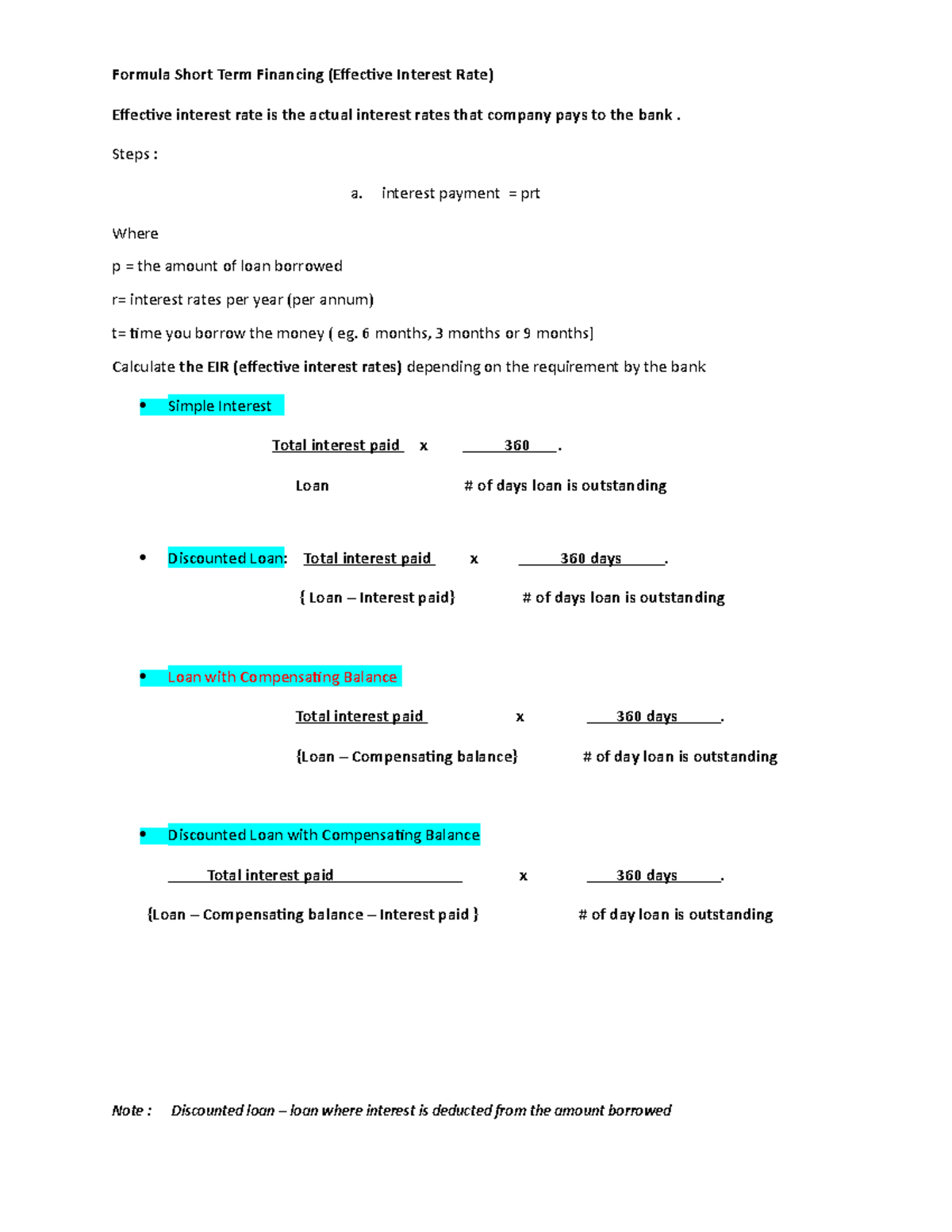
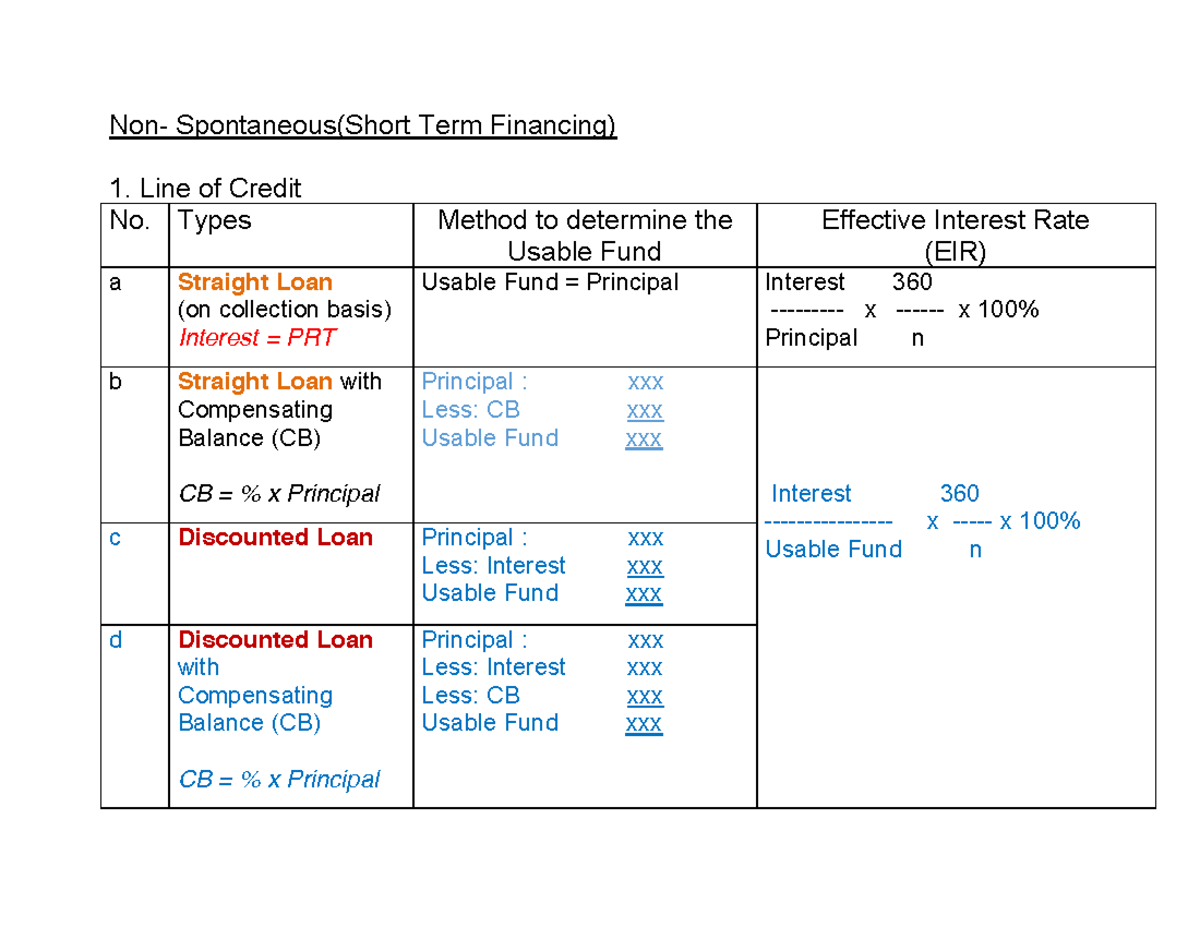
Short-term financing refers to borrowing arrangements designed to be repaid over a compressed timeframe, typically ranging from a few weeks to twelve months. These financial products are engineered to provide rapid liquidity for individuals or businesses facing urgent cash flow disruptions. Unlike long-term mortgages, commercial term loans, or multi-year personal credit lines, short-term options prioritize speed of underwriting and disbursement over exhaustive credit assessments. This operational speed, however, frequently introduces higher nominal costs, steeper annual percentage rates (APRs), and compressed repayment schedules that can strain tight budgets.
In the context of the geographic and lending market associated with Toledo—often pointing to regional lenders operating within Toledo, Ohio, or specialized loan portfolios carrying the Toledo moniker—borrowers must differentiate between mainstream banking institutions, credit unions, licensed consumer installment lenders, and online financial technology platforms. A Toledo loan is not a singular, uniform financial product regulated by a dedicated federal statute; rather, it represents a category of lending solutions tied to specific regional economic conditions, state-level regulations in Ohio, and individual lender underwriting policies.
Evaluating whether these loans represent a viable option requires looking past marketing claims to analyze the structural components of the debt. Borrowers must evaluate the total cost of capital, the legal protections enforced by the Ohio Department of Commerce Division of Financial Institutions, and the borrower’s capacity to repay the principal and associated fees without entering a cycle of debt renewal or rollover.
Regulatory Framework and Consumer Protections in Ohio
The viability and safety of any short-term loan depend heavily on the regulatory guardrails established by state and federal law. Because loans marketed or originated within Toledo operate under the jurisdiction of Ohio state law, borrowers are protected by specific statutory limits governing maximum interest rates, origination fees, and collection practices.
Ohio's regulatory environment for short-term lending has undergone significant evolution. Historically, high-cost payday lending faced substantial scrutiny, leading to legislative reforms such as the Short-Term Loan Act (STLA) and modifications to the Ohio General Loan Law. These statutes impose caps on the total amount that can be borrowed relative to a consumer's income, limit the number of simultaneous loans a borrower can maintain, and restrict excessive fees and punitive interest charges.
| Regulatory Dimension | Short-Term / Payday Lending Rules | Consumer Installment Lending Rules |
|---|---|---|
| Maximum Loan Amounts | Typically capped based on a percentage of gross monthly income (e.g., $500 or 25%). | Varies by statutory tier, often ranging from several hundred to several thousand dollars. |
| Interest Rate Caps | Strict statutory limits on interest, finance charges, and monthly maintenance fees. | Regulated by tiered rate structures permitted under the Ohio General Loan Law. |
| Repayment Term Length | Compressed schedules, generally ranging from 31 days up to 90 days. | Extended terms spanning 6 months to several years, allowing smaller monthly payments. |
| Rollover and Refinancing | Heavily restricted or prohibited to prevent compounding debt traps. | Subject to standard refinancing terms and credit evaluation standards. |
Understanding these distinctions is essential for anyone considering a short-term financial product in the region. Licensed lenders operating within Toledo must comply with these state-level restrictions, which provide a stark contrast to unlicensed offshore or predatory online lenders that operate outside state oversight. Borrowers should always verify that a prospective lender holds active licensure with the state regulatory authorities before signing any promissory note or authorizing automatic bank withdrawals via an Automated Clearing House (ACH) transfer.
Cost-Benefit Analysis: Evaluating Toledo Loans Against Alternatives
To determine if a Toledo loan is a sound financial choice, borrowers must conduct a rigorous cost-benefit analysis comparing the speed of access against the total cost of borrowing. Short-term financing is rarely inexpensive; the convenience of receiving funds within 24 hours often commands a steep financial premium.
The Advantages of Regional Short-Term Loans
- Rapid Liquidity: Underwriting algorithms and local processing teams can frequently evaluate applications and disburse funds on the same business day, making them suitable for true emergencies.
- Accessible Qualification Criteria: Many short-term lenders place less emphasis on pristine credit scores, relying instead on verifiable income streams, active employment, or bank account history.
- Flexible Use of Funds: Unlike specialized auto loans or mortgages, unsecured short-term loans generally do not restrict how the borrowed capital is utilized.
The Disadvantages and Financial Risks
- High Annual Percentage Rates (APRs): Due to the short duration and unsecured nature of the debt, annualized interest rates can escalate rapidly, making the borrowing cost disproportionate to the principal amount.
- Aggressive Repayment Schedules: Weekly or bi-weekly deductions can severely disrupt personal or business cash flow, particularly if unexpected expenses arise simultaneously.
- Risk of Default and Collections: Failure to meet repayment terms can result in overdraft fees, damaged credit scores, and aggressive collection efforts permitted under state and federal debt collection guidelines.
When stacked against alternatives—such as credit union payday alternative loans (PALs), employer-sponsored earned wage access programs, low-interest credit card advances, or emergency assistance grants from local Toledo-area non-profits—commercial short-term loans often rank as a more expensive alternative. However, when those traditional avenues are unavailable, a regulated short-term loan may serve as a functional stopgap if managed with strict discipline.
Eligibility Prerequisites and Application Requirements
Securing a short-term loan through a Toledo-based or regional lender requires meeting standard underwriting prerequisites designed to verify identity, income stability, and repayment capacity. Unlike traditional bank loans that may demand extensive collateral or weeks of financial auditing, short-term lenders streamline the documentation process.
Prospective borrowers typically must satisfy the following core requirements:
- Age and Residency: Applicants must be at least 18 years of age (or the applicable age of majority) and provide proof of legal residency within the United States, with many regional lenders preferring or requiring local residency within Ohio.
- Proof of Stable Income: Documentation proving a consistent income source—such as recent pay stubs, W-2 forms, tax returns for self-employed individuals, or verified benefit statements—is mandatory to establish debt-to-income ratios.
- Active Checking Account: Lenders almost universally require an active, verifiable checking account in the borrower's name to facilitate electronic fund transfers for both loan disbursement and automated repayment deductions.
- Government-Issued Identification: A valid driver’s license, state identification card, or passport is required to comply with federal Know Your Customer (KYC) and anti-money laundering regulations.
Failing to meet any of these foundational criteria will typically result in automated denial or redirection to alternative financial products. Borrowers should gather these documents in advance to prevent delays during urgent financial crunches.
Common Pitfalls and How to Avoid Them
Entering into a short-term financing agreement without a clear exit strategy frequently leads to compounding financial distress. Borrowers utilizing short-term options in Toledo should remain vigilant against several recurring missteps:
- Treating Emergency Credit as Long-Term Income: Relying on short-term loans to cover structural budget deficits rather than isolated, unexpected emergencies creates an unsustainable cycle of borrowing.
- Ignoring the Fine Print on Fees: Failing to read the loan disclosure document can lead to unexpected surprises regarding late fees, prepayment penalties, and maintenance charges.
- Overlooking Repayment Mechanics: Authorizing ACH withdrawals without aligning payment dates with actual payroll cycles frequently triggers costly bank overdraft fees.
- Failing to Shop Around: Accepting the first loan offer encountered without comparing APRs and fee structures across multiple licensed lenders leaves money on the table.
To mitigate these risks, borrowers should calculate the exact dollar amount the loan will cost in total fees and interest before execution. Establishing a dedicated line item in a personal or business budget to cover the principal repayment ensures that the loan remains a temporary bridge rather than a permanent financial burden.
Frequently Asked Questions
Are Toledo loans regulated by state law?
Yes. Any legal lender operating within Toledo, Ohio, must comply with state lending statutes enforced by the Ohio Department of Commerce Division of Financial Institutions. These laws establish strict parameters regarding maximum interest rates, fee structures, and permissible loan amounts to protect consumers from predatory practices.
How fast can I receive funds from a short-term regional lender?
Depending on the lender's underwriting infrastructure and verification procedures, funds can frequently be disbursed via direct deposit into an active checking account within 24 hours of application approval, and occasionally on the same business day.
Can I prepay a short-term loan to save on interest?
Many consumer protection statutes and lender agreements permit penalty-free prepayment. However, borrowers must carefully review their specific promissory note to confirm whether interest is calculated on a simple daily accrual basis or if flat fees apply regardless of early payoff.
What alternatives exist if I do not qualify for a Toledo short-term loan?
Borrowers who fail to meet eligibility requirements or wish to avoid high interest rates can explore credit union Payday Alternative Loans (PALs), local charitable assistance programs in the Toledo metropolitan area, borrowing against a 401(k) plan, or negotiating payment extensions directly with creditors.
Do short-term loans impact my credit score?
The impact depends on the lender. Traditional installment lenders typically report payment history to major credit bureaus (Equifax, Experian, TransUnion), meaning timely payments build credit while defaults harm it. Conversely, some smaller short-term lenders do not report positive payments, meaning responsible repayment offers no credit-building benefit.
Conclusion and Recommended Next Actions
Determining whether Toledo loans are a good option for short-term financing hinges entirely on your specific financial urgency, the availability of lower-cost alternatives, and your absolute capacity to repay the debt on schedule. While these loans provide rapid access to capital during critical moments, their elevated cost structure demands caution.
Before proceeding, verify that the lender is fully licensed within Ohio, calculate the absolute total cost of borrowing, and map out a strict repayment schedule that avoids rollovers. If alternative resources such as credit union loans, emergency savings, or family assistance are available, exhaust those options first. If a short-term loan remains your only viable path, borrow strictly the minimum amount necessary and commit to extinguishing the debt immediately upon your next cash flow inflow.