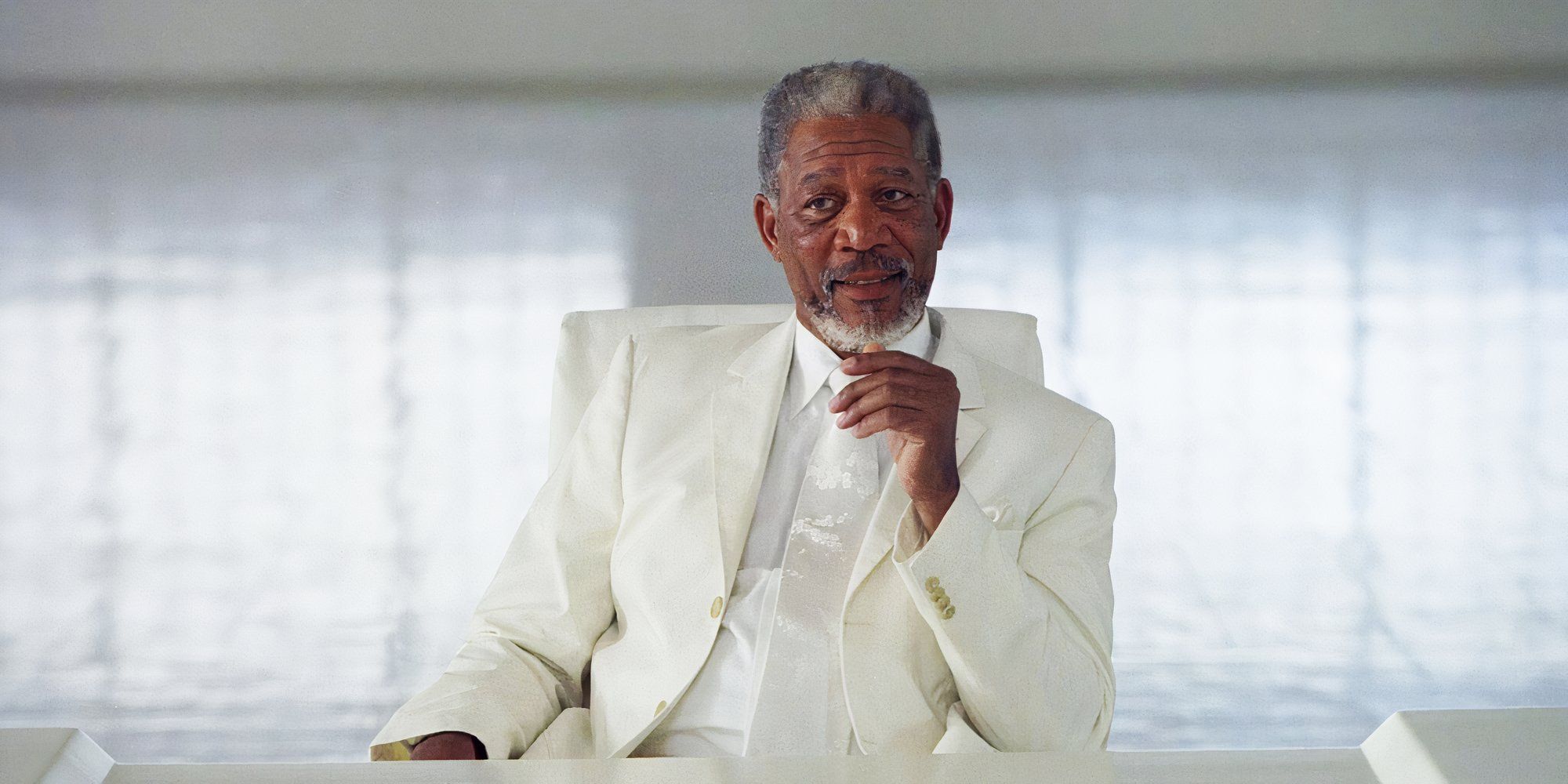
Morgan Freeman is one of the most recognizable and respected figures in global cinema, known for his resonant voice, commanding screen presence, and a career spanning over six decades. Born in 1937, his journey took him from a childhood in Mississippi and Chicago to the United States Air Force, through years of regional theater and television struggle, and finally to international stardom as an Academy Award-winning actor, narrator, and producer.
Early Life and Formative Years
Morgan Freeman was born on June 1, 1937, in Memphis, Tennessee. His early life was marked by frequent moves; his family relocated to Chicago, Illinois, and later to Mississippi. It was in the American South that Freeman developed his early interest in storytelling and performance. After graduating from Broad Street High School in Greenwood, Mississippi, he turned down a partial drama scholarship to Jackson State University, choosing instead to enlist in the United States Air Force in 1955.
His time in the military was spent as an Automatic Tracking Radar Repairman. While this experience was far removed from the glitz of Hollywood, Freeman has often credited the discipline of the Air Force for shaping his professional work ethic. He served until 1959, after which he moved to Los Angeles, California, to pursue a career in acting, initially working as a transcript clerk at Los Angeles City College.
The Long Road to Recognition
The path to stardom was not instantaneous. Throughout the 1960s, Freeman found work primarily in the theater. He gained his first significant stage experience in a touring company of the musical Hello, Dolly! and made his off-Broadway debut in The Niggerlovers in 1967.
During the 1970s, he transitioned toward television, finding a steady but modest foothold as a cast member of the children’s educational program The Electric Company. While this role brought him into the living rooms of American families, it did not immediately translate into high-profile film work. It was not until the early 1980s that Freeman began to secure roles that showcased his dramatic range, eventually leading to his critical breakthrough in the 1987 film Street Smart, which earned him his first Academy Award nomination.
Defining Roles and Cinematic Legacy
By the late 1980s and early 1990s, Freeman had solidified his status as one of the most bankable and respected character actors in the industry. He became known for playing figures of authority, wisdom, and moral gravity. His filmography reflects a commitment to complex, human-centric narratives.
Iconic Performances
- Driving Miss Daisy (1989): Freeman reprised his stage role as Hoke Colburn. The film was a critical success, and his performance earned him an Academy Award nomination for Best Actor.
- The Shawshank Redemption (1994): Playing Ellis "Red" Redding, Freeman delivered a performance that is frequently cited as one of the greatest in cinema history. The film’s enduring popularity continues to be a cornerstone of his legacy.
- Million Dollar Baby (2004): His portrayal of Eddie "Scrap-Iron" Dupris earned him the Academy Award for Best Supporting Actor, marking a culmination of decades of industry respect.
- The Dark Knight Trilogy: As Lucius Fox, he brought a grounded, intellectual weight to Christopher Nolan’s blockbuster superhero series, proving his ability to anchor major franchise productions.
The Voice of Authority
Beyond his physical performances, Morgan Freeman has become synonymous with the "voice of God" or the ultimate narrator. His distinct, deep, and measured baritone has been utilized in countless documentaries, commercials, and feature films. This vocal quality has turned him into a cultural shorthand for wisdom, truth, and perspective. His narration work in projects such as March of the Penguins (2005) demonstrated how his vocal delivery could elevate a documentary into a global cultural phenomenon, showcasing the intersection of his acting craft and his unique personal brand.
Professional Milestones and Recognition
Throughout his career, Freeman has navigated the transition from struggling actor to industry titan. The following table provides an overview of key achievements and representative milestones during his prolific career.
| Milestone Year | Event | Significance |
|---|---|---|
| 1967 | Off-Broadway Debut | Marked his serious entry into professional theater. |
| 1971 | The Electric Company | Provided national visibility in a beloved educational series. |
| 1987 | Street Smart | Earned his first Academy Award nomination. |
| 1994 | The Shawshank Redemption | Finalized his status as an A-list dramatic lead. |
| 2005 | Million Dollar Baby | Awarded the Academy Award for Best Supporting Actor. |
| 2011 | Cecil B. DeMille Award | Honored with the Golden Globe for lifetime achievement. |
Philanthropy and Personal Interests
While Freeman is best known for his screen work, he has been active in various charitable endeavors. He is a founding member of the Grenada Relief Fund, established to aid victims of Hurricane Ivan in 2004. Furthermore, he has been an advocate for environmental causes, notably converting his 124-acre ranch in Mississippi into a honeybee sanctuary to combat declining bee populations. These efforts reflect his desire to apply his public influence toward sustainability and community relief.
Navigating Challenges and Industry Changes
Like any long-term career in the arts, Freeman’s path has not been without scrutiny. As an actor working in an industry that underwent massive shifts—from the rise of independent cinema in the 1990s to the current era of streaming-dominant content in 2026—Freeman has remained adaptable. He has frequently emphasized the importance of picking roles that challenge the audience, rather than simply accepting projects based on commercial viability alone.
In his later years, he has utilized his production company, Revelations Entertainment, to ensure that stories of historical significance are told. By shifting from strictly "in-front-of-the-camera" work to active production, he has taken control of the narrative themes he finds important, moving beyond the roles Hollywood scripts him for and into the stories he believes deserve a spotlight.
Frequently Asked Questions
What is the secret to Morgan Freeman's longevity in Hollywood? Freeman attributes his longevity to a combination of versatility and professional discipline. By refusing to be typecast early in his career and maintaining a strong background in live theater, he developed a skill set that allows him to remain relevant across genres, from gritty crime dramas to blockbuster sci-fi.
How did Morgan Freeman get his start as a narrator? His transition into professional narration was an organic evolution of his distinct vocal timbre. Following his widespread acclaim, filmmakers and documentary producers sought out his voice because it carried an inherent sense of trust and gravitas, which helped guide audiences through complex factual or spiritual subject matter.
What is the current status of his production company? As of 2026, Revelations Entertainment remains active, continuing to focus on documentary and scripted projects that emphasize human potential and historical truth. The company remains a key vehicle for Freeman’s creative output beyond his acting roles.
How many Academy Awards has Morgan Freeman won? Morgan Freeman has won one Academy Award in the category of Best Supporting Actor for his role in Million Dollar Baby (2004). He has been nominated for a total of five Academy Awards throughout his career.
Does Morgan Freeman still act in 2026? Yes. While he has become more selective with his projects in recent years, Freeman continues to appear in both feature films and streaming projects, maintaining a consistent presence in the entertainment industry.
Practical Lessons from a Career in Craft
For those looking at Morgan Freeman’s life as a blueprint for professional development, the primary lesson is the necessity of patience and the value of fundamental training. Many actors today seek rapid viral fame, but Freeman’s trajectory proves the efficacy of long-form craft. By honing his skills in regional theater for nearly two decades before achieving his first major film success, he ensured that when his "break" finally came, he was technically and emotionally prepared to handle the weight of leading roles.
Aspiring creatives should observe how Freeman approaches his work: as a service to the story rather than a vehicle for his own ego. His ability to play supporting roles with the same intensity as lead roles underscores the importance of ensemble collaboration. His career serves as a reminder that success is often the result of steady, consistent work rather than a singular moment of opportunity.
As we move through 2026, the legacy of Morgan Freeman stands as a testament to the power of artistic persistence. From a young man in the Air Force to an international icon, his life illustrates that while talent is a prerequisite, it is the discipline to keep working—even when the spotlight is dim—that defines a true career. Whether through his voice, his production work, or his continued screen performances, he remains a singular figure whose impact on modern media is firmly established.