A Jazzman’s Blues is a 2022 period drama written, directed, and produced by Tyler Perry, available exclusively for streaming on Netflix. Set against the backdrop of the Jim Crow South, the film follows a forbidden romance between Bayou and Leanne, weaving a complex narrative of mystery, music, and systemic racism spanning forty years.
Since its release, A Jazzman’s Blues has stood as a significant pivot in Tyler Perry’s filmography. For years, Perry was primarily known for his high-energy comedies and stage plays, most notably the Madea franchise. However, this film represents a departure into prestige period drama—a "passion project" that Perry reportedly held onto for over 25 years before finally bringing it to the screen with Netflix. As of 2026, the film remains a cornerstone of Netflix’s historical drama collection, often cited for its lush cinematography and soulful soundtrack.
How to Access A Jazzman's Blues on Netflix in 2026
To watch A Jazzman's Blues, you must have an active Netflix subscription. The film is a Netflix Original, meaning it is not legally available on other streaming platforms like Hulu, Disney+, or Max. Because Netflix manages its own library, the film is available globally in most regions where Netflix operates, though specific localized dubbing or subtitling options may vary by territory.
In 2026, Netflix offers several subscription tiers, ranging from "Standard with Ads" to "Premium." For the best viewing experience, the Premium tier is recommended, as it allows you to stream the film in 4K Ultra HD with Dolby Vision and Dolby Atmos audio. Given the film’s emphasis on rich, vibrant colors and its intricate jazz-infused score, the higher bitrate and resolution significantly enhance the atmosphere of the 1940s setting.
Technical Requirements for Streaming
To ensure a smooth playback experience, consider the following technical prerequisites:
- Internet Speed: At least 15-25 Mbps is required for 4K streaming.
- Compatible Devices: A 4K-capable Smart TV, streaming stick (like Roku or Apple TV), or a modern web browser.
- Audio Setup: For the full "Jazzman" experience, a soundbar or home theater system supporting Dolby Atmos will help capture the nuances of Terence Blanchard’s musical arrangements.
The Origins: Tyler Perry’s Longest-Running Dream
The story behind the creation of A Jazzman’s Blues is nearly as compelling as the film itself. Tyler Perry wrote the screenplay in 1995, long before he became a household name. He has frequently shared in interviews that this was the first screenplay he ever wrote. He originally intended to star in the film himself, alongside legendary figures like Will Smith or Halle Berry, but as the decades passed, he realized he had aged out of the lead role.
Perry’s decision to partner with Netflix for this project was strategic. Netflix provided the budget and the creative freedom necessary to recreate the 1940s American South with historical accuracy. This collaboration allowed Perry to step away from the tropes of his previous work and focus on a more disciplined, cinematic approach to storytelling. By 2026, the film is recognized as the project that proved Perry’s versatility as a director capable of handling heavy, dramatic subject matter with visual sophistication.
Plot Summary: A Tale of Forbidden Love and Secrets
The narrative of A Jazzman’s Blues is framed as a mystery. It begins in 1987 when an elderly Black woman delivers a stack of old letters to a local district attorney, demanding he investigate a murder that occurred forty years prior. This sets off a flashback to 1947 in Hopewell, Georgia.
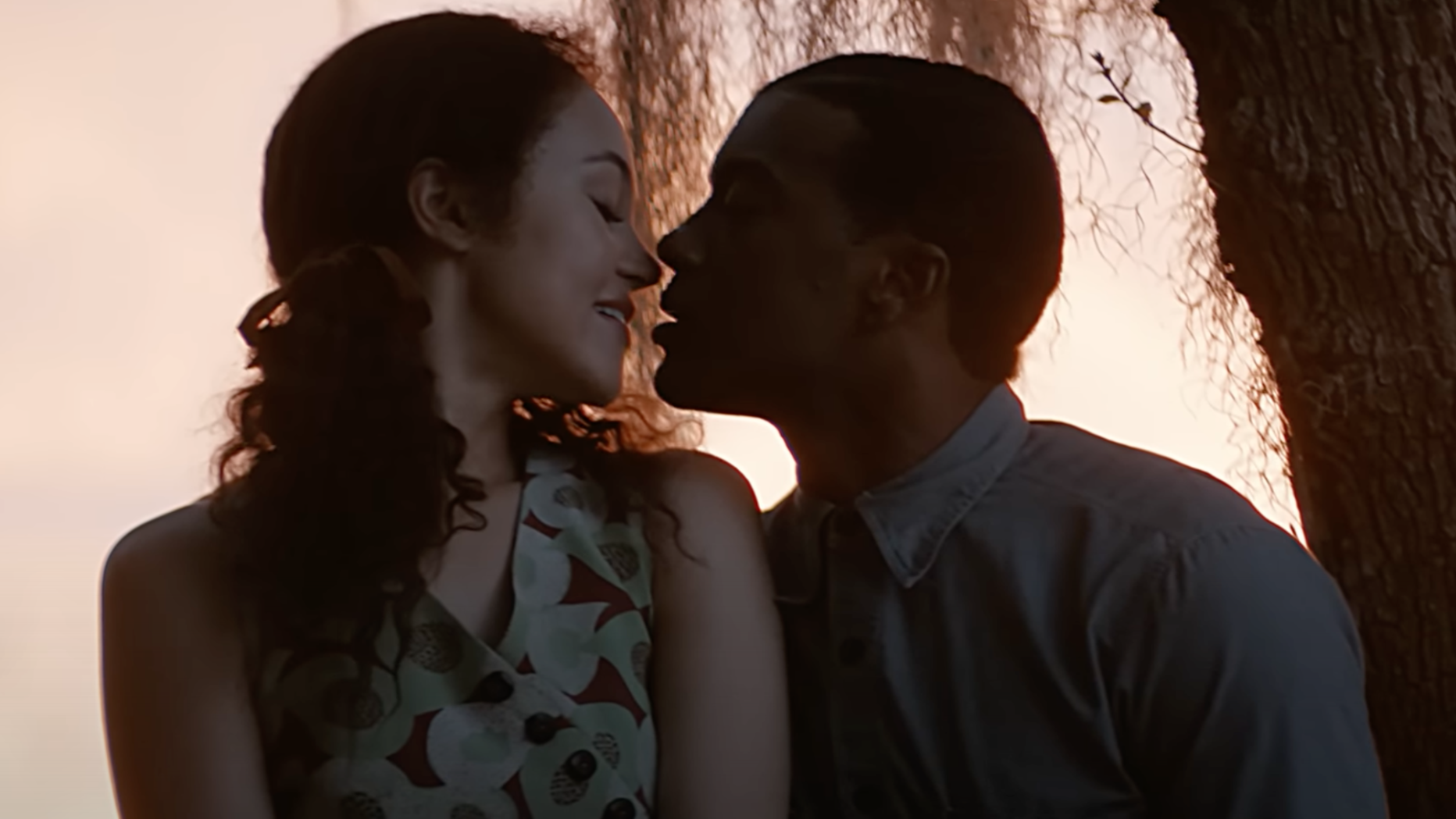
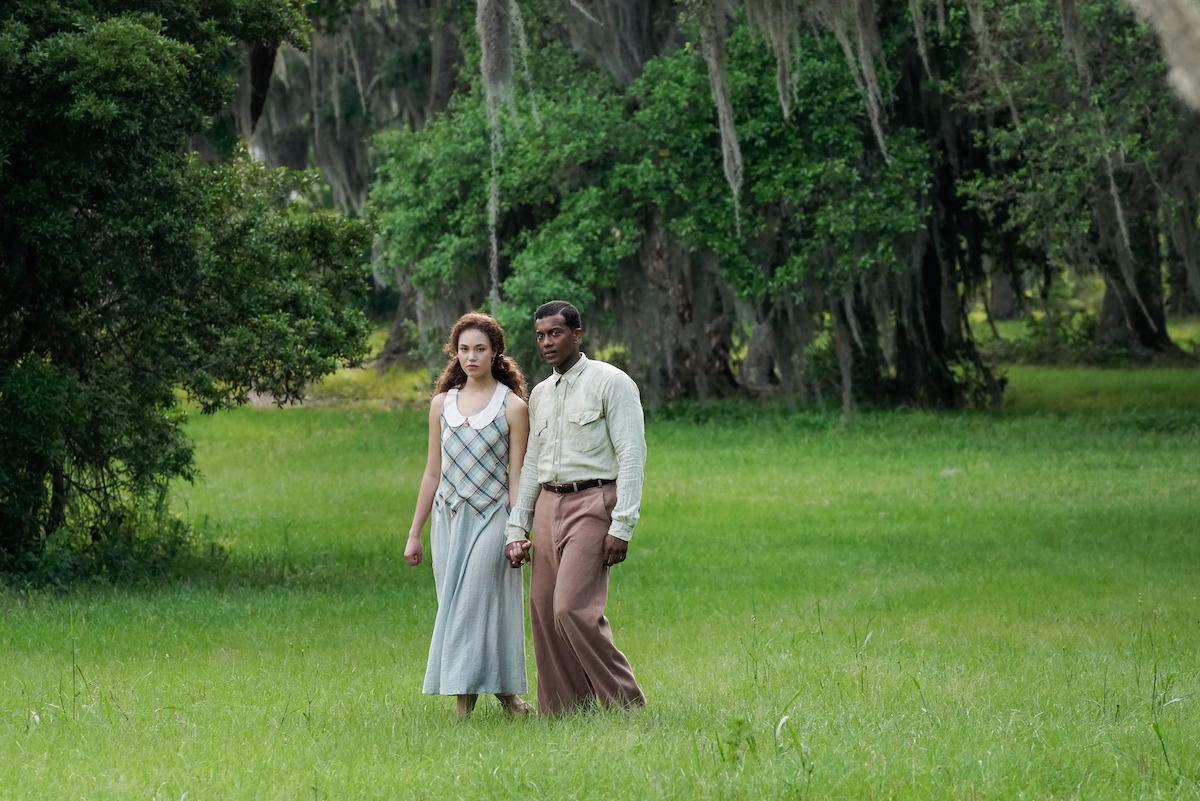
The heart of the story is the relationship between Bayou (played by Joshua Boone) and Leanne (played by Solea Pfeiffer). Bayou is a sensitive, talented singer, while Leanne is a young woman whose mother is desperate for her to "pass" as white to secure a more comfortable life. Their romance is cut short when Leanne is whisked away by her mother to marry a wealthy white man, leaving Bayou devastated.
The film follows their separate paths—Bayou’s rise to fame as a jazz singer in Chicago and Leanne’s suffocating life of deception in Georgia—until their paths inevitably cross again. The "blues" in the title refers not just to the musical genre, but to the deep, systemic sorrow faced by the characters as they navigate a world that forbids their union and punishes their identities.
Key Cast and Character Breakdown
The success of the film relies heavily on its ensemble cast, many of whom were relatively new to leading roles at the time of filming.
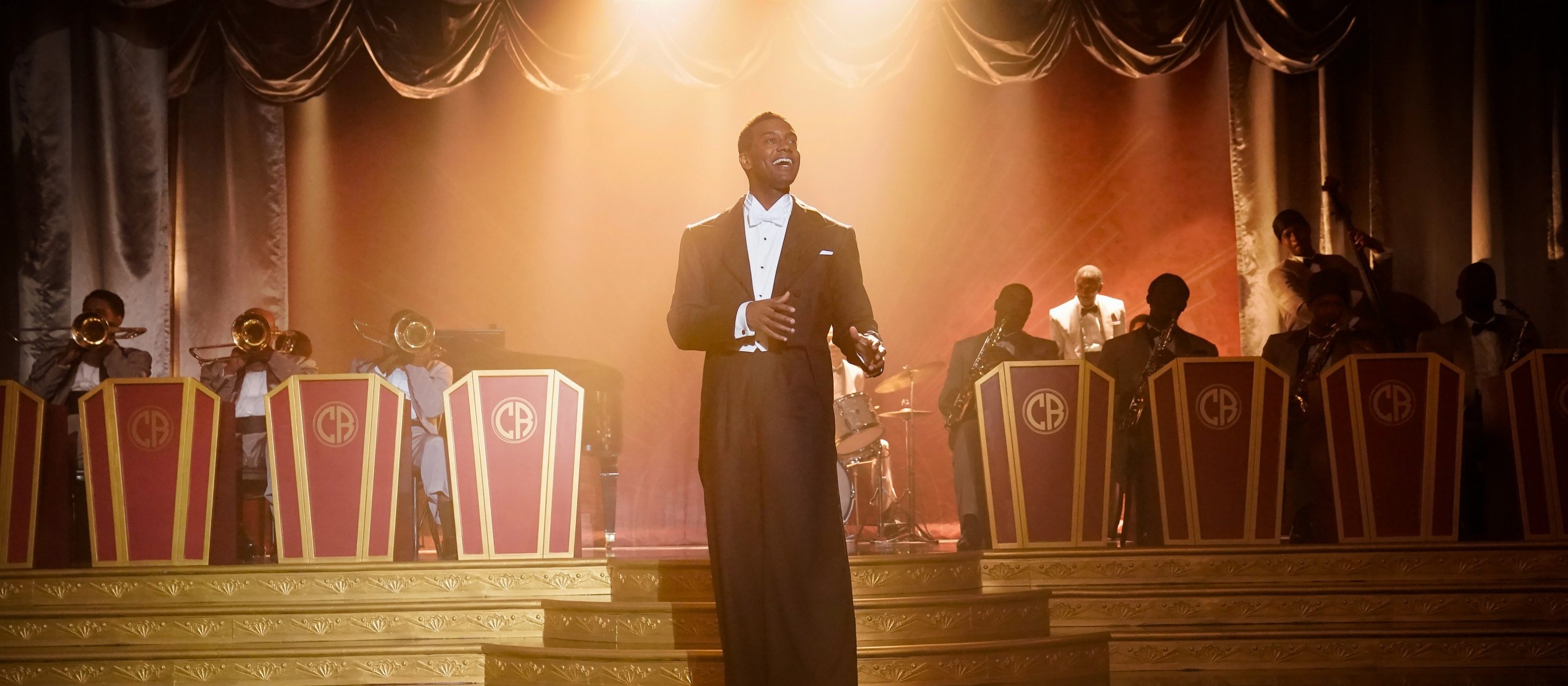
- Joshua Boone as Bayou: Boone provides a soulful, grounded performance. His portrayal of Bayou transitions from a shy, bullied young man to a confident, albeit haunted, performer. His musical sequences are a highlight of the film.
- Solea Pfeiffer as Leanne: Pfeiffer captures the internal conflict of a woman living a lie. Her character explores the historical reality of "passing" and the psychological toll it takes on one's sense of self and family.
- Amirah Vann as Hattie Mae: As Bayou’s mother, Vann delivers a powerhouse performance. She represents the resilience of the Black community in the South, running a juke joint and providing the emotional anchor for the family.
- Austin Scott as Willie Earl: Bayou’s brother, Willie Earl, serves as a foil to Bayou. He is a talented trumpeter but is consumed by jealousy and addiction, illustrating the internal pressures and competition that can tear families apart.
- Ryan Eggold as Ira: A Jewish talent manager who recognizes Bayou’s potential. His character adds a layer of complexity regarding the shared experiences of marginalized groups during the mid-20th century.
Themes and Social Commentary
A Jazzman’s Blues is more than a romance; it is a critique of American history. Perry uses the medium to explore several heavy themes that remain relevant in 2026.
The Impact of Colorism
One of the most poignant elements of the film is its exploration of colorism. Leanne’s mother forces her to deny her heritage because her light skin allows her to access privileges denied to darker-skinned Black people like Bayou. This creates a tragic divide, not just between races, but within the Black community and within families themselves.
The Legacy of the Jim Crow South
The film does not shy away from the brutality of the era. It depicts the constant threat of lynchings, the unfairness of the legal system, and the economic exploitation of Black labor. By placing a tender love story in this environment, Perry highlights the resilience required just to exist, let alone thrive, in such a hostile landscape.
Music as Liberation and Burden
Jazz and blues are central to the film’s identity. For Bayou, music is a way out of Hopewell and a means of expressing his deepest pain. However, for his brother Willie Earl, the pursuit of musical fame becomes a source of bitterness. The film treats the "Jazzman" archetype as both a figure of cultural beauty and a tragic soul bound by the circumstances of his birth.
Production Design and Musical Brilliance
Visually, the film is a departure from the brightly lit, stage-like sets often seen in Perry’s other productions. Cinematographer Brett Pawlak uses a palette of earthy tones, deep shadows, and golden hour lighting to evoke the humidity and tension of Georgia.
The music is arguably the film’s strongest technical feat. Terence Blanchard, an Academy Award-nominated composer, handled the score. The songs are not mere background music; they are narrative tools. The choreography, led by the legendary Debbie Allen, brings the juke joints and Chicago clubs to life with energy and historical authenticity.
| Feature | Details |
|---|---|
| Director | Tyler Perry |
| Original Release Year | 2022 |
| Streaming Platform | Netflix (Exclusive) |
| Primary Genres | Musical Drama, Romance, Mystery |
| Runtime | 2 hours 7 minutes |
| Music Composer | Terence Blanchard |
| Choreographer | Debbie Allen |
| Setting | 1940s Georgia and Chicago |
| Key Themes | Colorism, Forbidden Love, Jazz Culture, Jim Crow Era |
Critical and Audience Reception
Upon its debut at the Toronto International Film Festival, A Jazzman’s Blues received generally positive reviews, a notable shift for Tyler Perry, whose work often divides critics. Critics praised the performances of Boone and Vann, as well as the film's ambitious scope. While some found the melodrama to be heavy-handed in certain scenes—a hallmark of Perry’s writing style—most agreed that the film’s emotional honesty and technical execution were top-tier.
As of 2026, the film maintains a solid "Fresh" rating on review aggregators. Audience sentiment remains high, particularly among viewers who appreciate historical dramas that focus on Black American experiences outside of the traditional "civil rights movement" narrative, focusing instead on personal, intimate stories within that era.
Frequently Asked Questions
Is "A Jazzman's Blues" based on a true story?
While the film feels deeply historical, it is not based on a specific true story or a single individual. It is a fictional narrative written by Tyler Perry. However, the themes of passing, the struggles of jazz musicians, and the social climate of the 1940s South are all rooted in historical realities. Perry has stated that the story was inspired by the general atmosphere of the stories he heard growing up and his desire to document the "unspoken" pains of that generation.
Who is the singer in "A Jazzman's Blues"?
The lead character, Bayou, is played by Joshua Boone. While Boone is a talented performer, the film features a mix of live performance and studio recording. The vocals are intended to reflect the authentic "crooner" style of the late 1940s. The soundtrack features original songs like "Paper Airplanes," which became a fan favorite for its haunting melody.
What is the significance of the letters in the film?
The letters serve as the "connective tissue" of the plot. They represent the evidence of a hidden life and a forgotten crime. In the context of the 1987 framing device, the letters symbolize the many stories of Black Americans that were buried or ignored by the official historical record. They are the only voice Bayou and Leanne have left in a world that tried to erase their connection.
Why did Tyler Perry wait so long to make this movie?
Tyler Perry wrote the script in 1995 but felt he lacked the resources and the "creative weight" in the industry to do the story justice at that time. He wanted to ensure he had the right partners—which he eventually found in Netflix—to provide the necessary budget for a high-quality period piece. He also waited until he felt he had matured as a director to handle the sensitive themes of the movie.
Is the film suitable for younger audiences?
The film is rated R (or equivalent in various regions) due to its depiction of violence, systemic racism, and some mature themes. It includes scenes of racial terror and domestic hardship that may be distressing for younger children. It is generally recommended for teenagers and adults who can process the historical and emotional weight of the content.
Does the film have a happy ending?
Without giving away major spoilers, A Jazzman’s Blues follows the tradition of the "blues" genre—it is bittersweet and leaning toward the tragic. It is a story about the cost of secrets and the cruelty of the era. While there is a sense of resolution in the 1987 timeline, the core romance of the film is defined by the obstacles the characters face.
Final Recommendation
If you are a fan of historical dramas like The Color Purple or Mudbound, A Jazzman’s Blues is a must-watch on Netflix. It showcases a different side of Tyler Perry—one that is patient, visually poetic, and deeply respectful of the musical heritage of the South. Whether you are drawn in by the mystery of the 1940s murder or the soaring jazz performances, the film offers a powerful look at a dark chapter of American history through the lens of a star-crossed romance. In 2026, it stands as a testament to the importance of "passion projects" and the enduring power of a story well-told.