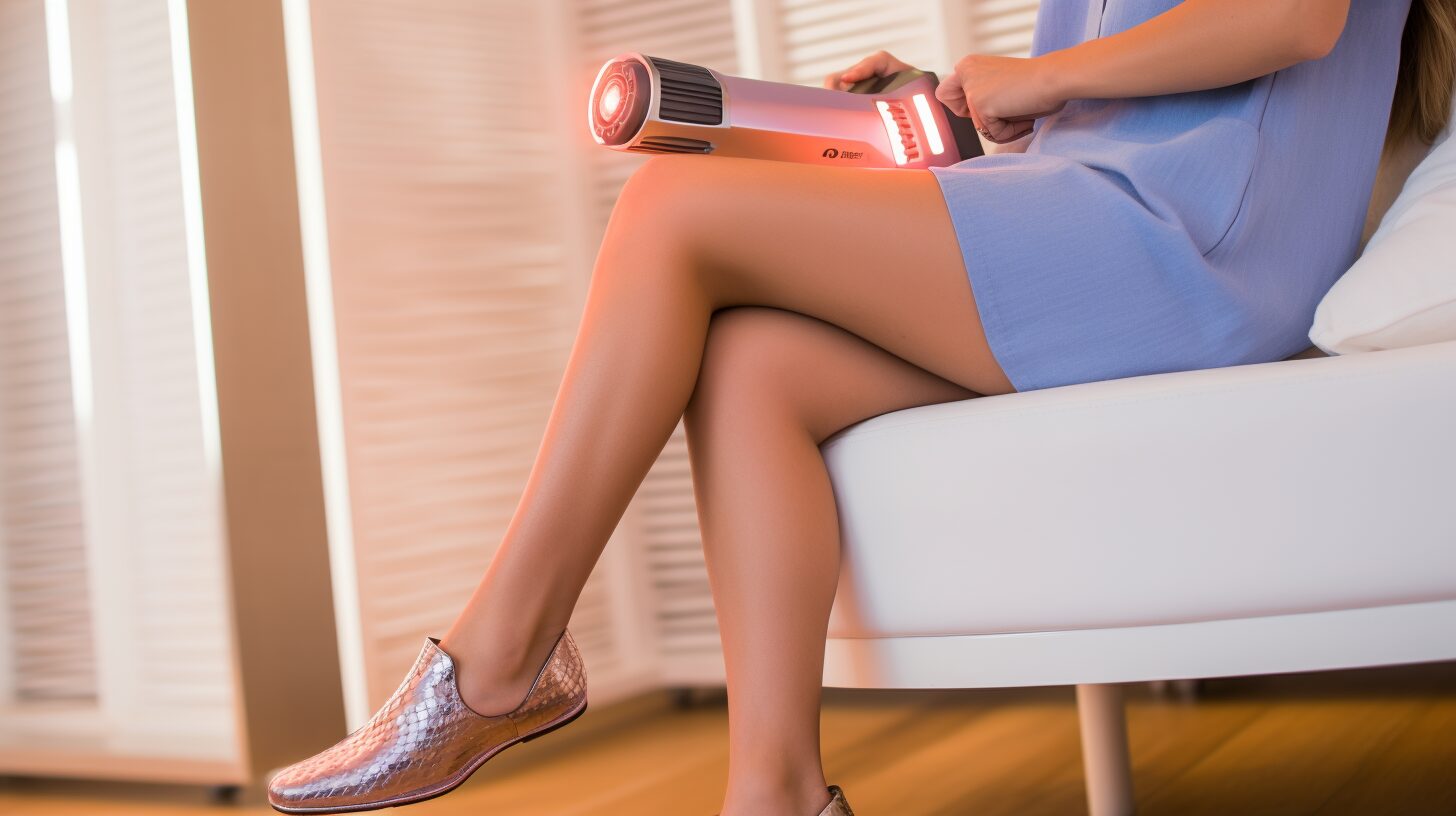
To safely perform an at-home IPL (Intense Pulsed Light) procedure, you must first verify your skin tone and hair color compatibility using the Fitzpatrick scale. Begin by shaving the target area, ensuring skin is clean and dry. Conduct a patch test 24 hours before your first full session. During the procedure, select the appropriate intensity level, maintain a 90-degree angle with the device, and avoid overlapping pulses on the same spot to prevent burns.
Intense Pulsed Light technology has evolved significantly by 2026, offering a sophisticated alternative to professional laser treatments. While often conflated with laser hair removal, IPL utilizes a broad spectrum of light wavelengths rather than a single, concentrated beam. This allows for versatile treatments but necessitates a higher degree of user education to ensure safety and efficacy. Understanding the biological mechanisms, skin physics, and device mechanics is essential for anyone looking to transition from professional clinics to home-based maintenance.
Understanding the Science of IPL Technology
At its core, IPL operates on the principle of selective photothermolysis. This process involves using specific wavelengths of light to target a chromophore—in this case, the melanin located within the hair follicle. When the light energy is absorbed by the melanin, it is converted into thermal energy (heat). This heat damages the follicle's base, effectively transition the hair into a resting phase and inhibiting future growth.
Unlike lasers, which emit a monochromatic (single wavelength) coherent beam, IPL devices emit a non-coherent, broad-spectrum light, usually ranging from 500 to 1,200 nanometers. Modern 2026 devices often include advanced filtration systems that block out shorter, more aggressive UV wavelengths, ensuring that only the light capable of reaching the hair follicle is transmitted. This reduces the risk of epidermal damage, provided the user adheres to safety protocols.
The Importance of the Hair Growth Cycle
Efficacy in IPL treatment is heavily dependent on the hair's growth cycle. Hair follicles move through three distinct phases:
- Anagen (Growth Phase): The hair is actively growing and remains attached to the bulb. This is the only phase where IPL is truly effective because the melanin concentration is at its highest, allowing heat to travel directly to the root.
- Catagen (Transition Phase): The follicle shrinks, and the hair begins to detach.
- Telogen (Resting Phase): The hair eventually sheds, and the follicle remains dormant.
Because only a percentage of your hair is in the anagen phase at any given time, a single treatment will never yield complete results. Consistency over several months is required to "catch" every follicle in its active growth stage.
Prerequisites: The Fitzpatrick Scale and Suitability
The most critical safety check before purchasing or using an IPL device is determining your skin and hair type. Because IPL targets melanin, the device cannot distinguish between the melanin in your hair and the melanin in your skin.
The Fitzpatrick Skin Phototype Scale
The Fitzpatrick scale classifies skin types based on their reaction to ultraviolet light.
- Types I - IV: Generally considered safe for most consumer IPL devices. These ranges cover very fair skin to olive/light brown tones.
- Types V - VI: Deep brown to black skin tones carry a high risk of burns, scarring, or hyperpigmentation with traditional IPL. While some 2026 models feature sensors calibrated for darker skin, standard devices are often contraindicated for these types.
Hair Color Limitations
IPL requires a high contrast between the hair and the skin.
- Ideal Candidates: Dark blonde, brown, and black hair on light to medium skin.
- Ineffective Candidates: Red, light blonde, grey, or white hair. These colors contain either pheomelanin (which doesn't absorb IPL wavelengths well) or no melanin at all, rendering the treatment ineffective and potentially dangerous if the user increases intensity to compensate for lack of results.
Pre-Treatment Preparation Protocol
Preparation is the foundation of a safe procedure. Skipping these steps increases the risk of epidermal burns and reduces the device's ability to reach the follicle.
1. Mechanical Preparation (Shaving)
You must shave the treatment area within 24 hours of the procedure. Do not wax, epilate, or pluck. These methods remove the entire hair root. Since IPL needs the root to act as a "lightning rod" for heat, removing it makes the treatment useless. Shaving leaves the root intact beneath the skin while removing the surface hair that would otherwise singe and burn the skin surface.
2. Skin Cleaning
The skin must be entirely free of topical products. This includes:
- Moisturizers and oils
- Self-tanning lotions (these significantly increase the risk of burns)
- Deodorants (especially in the underarm area)
- Sunscreen
3. Avoiding Sun Exposure
For at least two to four weeks before treatment, avoid direct sun exposure and tanning beds. Tanned skin has "active" melanin that is more likely to absorb the light pulses, leading to blisters or long-term skin discoloration.
4. The Patch Test
Even if you have used IPL in a professional setting, always perform a patch test with your specific home device. Choose a small area near the intended treatment zone. Pulse the area at the recommended starting intensity and wait 24 hours. Check for adverse reactions like prolonged redness, swelling, or blistering before proceeding with a full session.
Step-by-Step Procedure Guide
Once the patch test is successful, you can move forward with the full treatment. Follow these steps for a methodical and safe application.
- Power and Intensity Selection: Most high-end 2026 devices feature an "Auto-Skin Sensor" (such as the SkinPro 2.0 or SensoAdapt technology). If your device has this, allow it to scan your skin to set the intensity. If it is manual, start at the lowest setting and gradually increase until you feel a "warm snap" sensation, which should be noticeable but not painful.
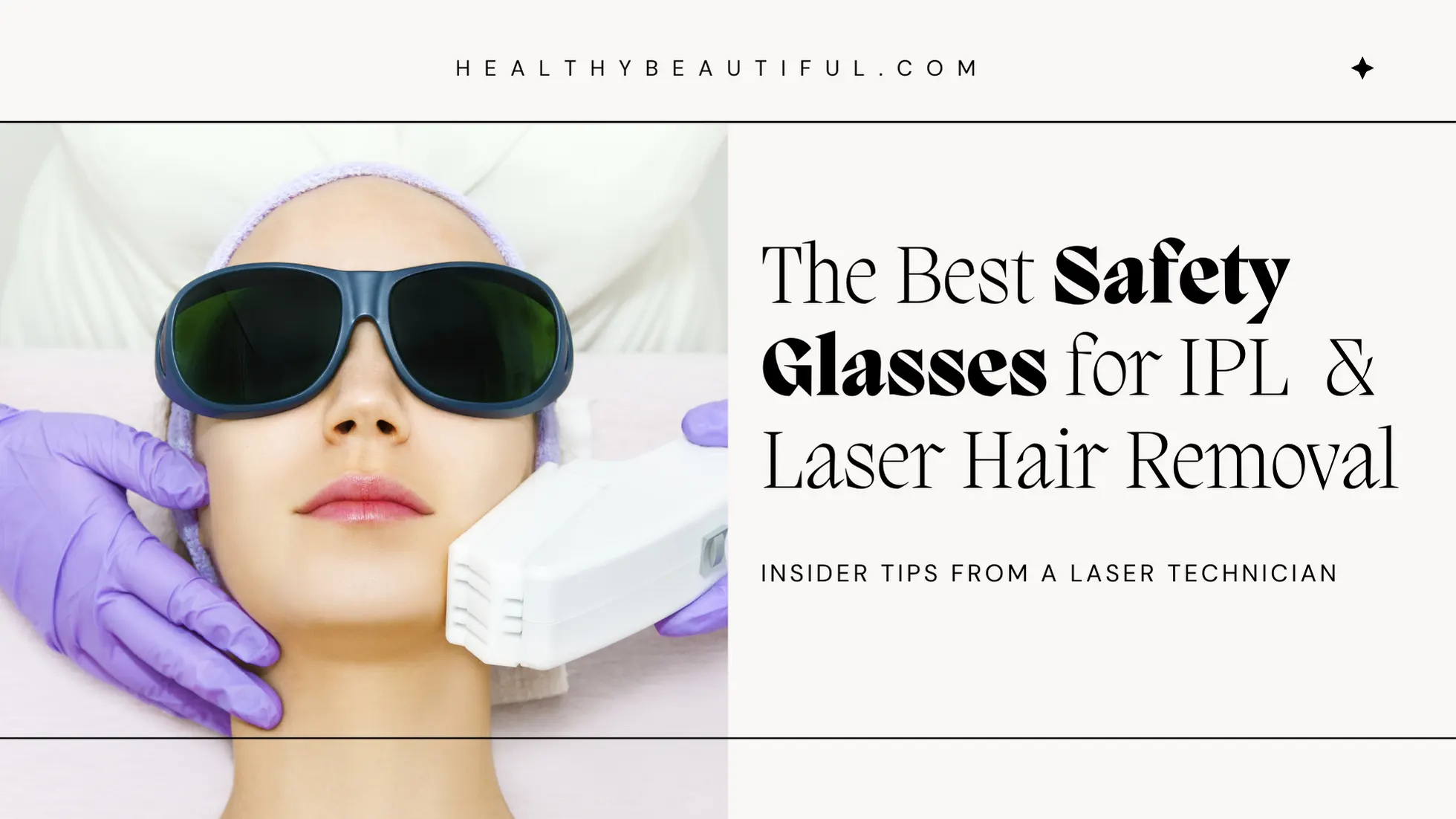
- Eye Protection: While many home devices have safety sensors that prevent flashing unless the window is fully pressed against the skin, the light is still very bright. Avoid looking directly at the flash. If you are light-sensitive, wearing green or dark-tinted IPL safety glasses is a recommended precaution.
- The 90-Degree Rule: Hold the device completely flat against the skin. Most devices have a "ready" light that indicates when a full seal is achieved. If the device is tilted, light energy escapes, reducing efficacy and potentially flashing toward your eyes.
- Gliding vs. Stamping:
- Stamping: Use this for small or bony areas like the knees, shins, or face. Press, flash, move, and press again.
- Gliding: Best for large areas like legs. Hold the trigger down and move the device slowly and continuously.
- Avoid Overlapping: Do not flash the same exact spot more than once in a single session. This does not speed up results; it only increases the cumulative heat in the tissue, which can lead to thermal injury.
Comparison of Leading At-Home IPL Devices (2026 Market)
| Feature | Braun Silk-expert Pro 5 | Philips Lumea Prestige | Ulike Air 10 |
|---|---|---|---|
| Technology | SensoAdapt (Continuous) | SmartSkin Sensor | Sapphire Ice-Cooling |
| Best For | Speed and Ease of Use | Cordless Versatility | Pain-Free Experience |
| Flashes | 400,000 (Approx. 22 years) | 450,000 | Unlimited (Lifelong) |
| Treatment Speed | Both legs in < 5 mins | Both legs in ~15 mins | Both legs in ~10 mins |
| Safety Cert. | FDA Cleared / Skin Health Alliance | CE Marked / FDA Cleared | FDA Cleared / SGS |
| Price Point | Mid-High ($350-$450) | High ($450-$600) | Mid ($300-$400) |
Crucial Safety Precautions and Contraindications
Safety in at-home IPL is not just about how you use the device, but also where you use it and your medical history.
Areas to Avoid
- Tattoos and Permanent Makeup: The dark ink will absorb an extreme amount of energy, leading to immediate severe burns and destruction of the tattoo.
- Dark Moles and Freckles: Large or very dark moles should be bypassed or covered with a white eyeliner pencil to reflect the light.
- Genital Areas: While the "bikini line" is safe, the inner labia and anus have thinner, more pigmented skin that is highly susceptible to injury.
- The Face (Men): Men should not use IPL on their beard area. The hair density is too high, and the result can be patchy or cause extreme discomfort.
Medical Contraindications
- Pregnancy and Breastfeeding: Due to hormonal fluctuations that affect hair growth and skin sensitivity, IPL is not recommended.
- Photosensitizing Medications: If you are taking Retin-A, Accutane (within the last 6 months), or certain antibiotics like Tetracycline, your skin will be hypersensitive to light.
- Skin Conditions: Eczema, psoriasis, or active skin infections in the treatment area are absolute contraindications.
Post-Treatment Care and Maintenance
The 48 hours following your session are vital for skin recovery. Because the follicles have been subjected to thermal stress, the skin may feel slightly tender, similar to a mild sunburn.
- Cooling: If you feel heat, apply a cold compress or pure aloe vera gel. Avoid thick, oil-based creams that can trap heat in the skin.
- Sun Protection: This is the most important post-care step. The treated skin is highly vulnerable to UV damage. Apply a broad-spectrum SPF 30+ to any treated areas that will be exposed to the sun.
- Avoid Heat: Skip hot tubs, saunas, and very hot showers for 24-48 hours. Let the skin return to its baseline temperature naturally.
- Exfoliation: After about a week, you may notice "regrowth." This is often just the treated hairs being pushed out of the follicle. Gentle exfoliation with a washcloth or scrub can help these hairs shed more easily.
Troubleshooting Common Issues
"The device isn't flashing."
Ensure the window is in full contact with the skin. Most devices require 100% contact for the safety sensor to engage. If your skin is too dark for the setting, many modern devices will lock the flash mechanism as a safety precaution.
"I don't see any results after two sessions."
Patience is required. Hair reduction usually becomes noticeable after the third or fourth session. Remember that IPL only affects hairs in the anagen phase. If you have dense hair, it may take longer to notice thinning.
"The treatment is too painful."
Lower the intensity level. While some warmth is normal, sharp pain is a signal that the setting is too high for your skin's melanin levels or that the hair was not shaved closely enough.
Frequently Asked Questions
Is IPL the same as Laser Hair Removal?
No, they are different technologies. Laser hair removal uses a single, concentrated wavelength of light, whereas IPL uses a broad spectrum. Lasers are typically more powerful and require fewer sessions, but at-home IPL devices are designed for safety and gradual results over time. Professional lasers can also treat a wider range of skin tones than most home IPL units.
Can I use IPL on my face?
Most 2026 at-home IPL devices are safe for the face from the cheekbones down (upper lip, chin, and jawline). You should never use IPL near the eyes or on the forehead, as the risk of ocular damage is too high. Always use the precision attachment if your device includes one.
How often should I perform the treatments?
During the "startup phase," most manufacturers recommend once every week or every two weeks for the first 4 to 12 weeks. After you achieve the desired level of hair reduction, you move into the "maintenance phase," which usually involves one session every 1 to 3 months to keep the follicles dormant.
Does at-home IPL cause cancer?
There is no clinical evidence that IPL causes skin cancer. The technology uses non-ionizing radiation. Unlike UV rays from the sun or tanning beds, the wavelengths used in IPL are designed to target pigment without damaging the DNA of the skin cells. However, you should always monitor your skin for any unusual changes and consult a dermatologist.
Why do I have to shave before using IPL?
Shaving is necessary because it removes the hair shaft above the skin. If long hair remains on the surface, the IPL energy will be absorbed by that hair above the skin rather than the root below it. This causes the hair to singe, creates a burning smell, and can cause a superficial burn on your skin while failing to disable the follicle.
Final Recommendation
For the best results with at-home IPL, prioritize device quality and skin compatibility over speed. Invest in a device with a built-in skin tone sensor to minimize the risk of human error. Start with a conservative schedule, maintain strict sun protection, and remember that consistency is the primary driver of success. If you have a history of skin sensitivity or are unsure about your Fitzpatrick type, consult a dermatologist before beginning your first session in 2026.