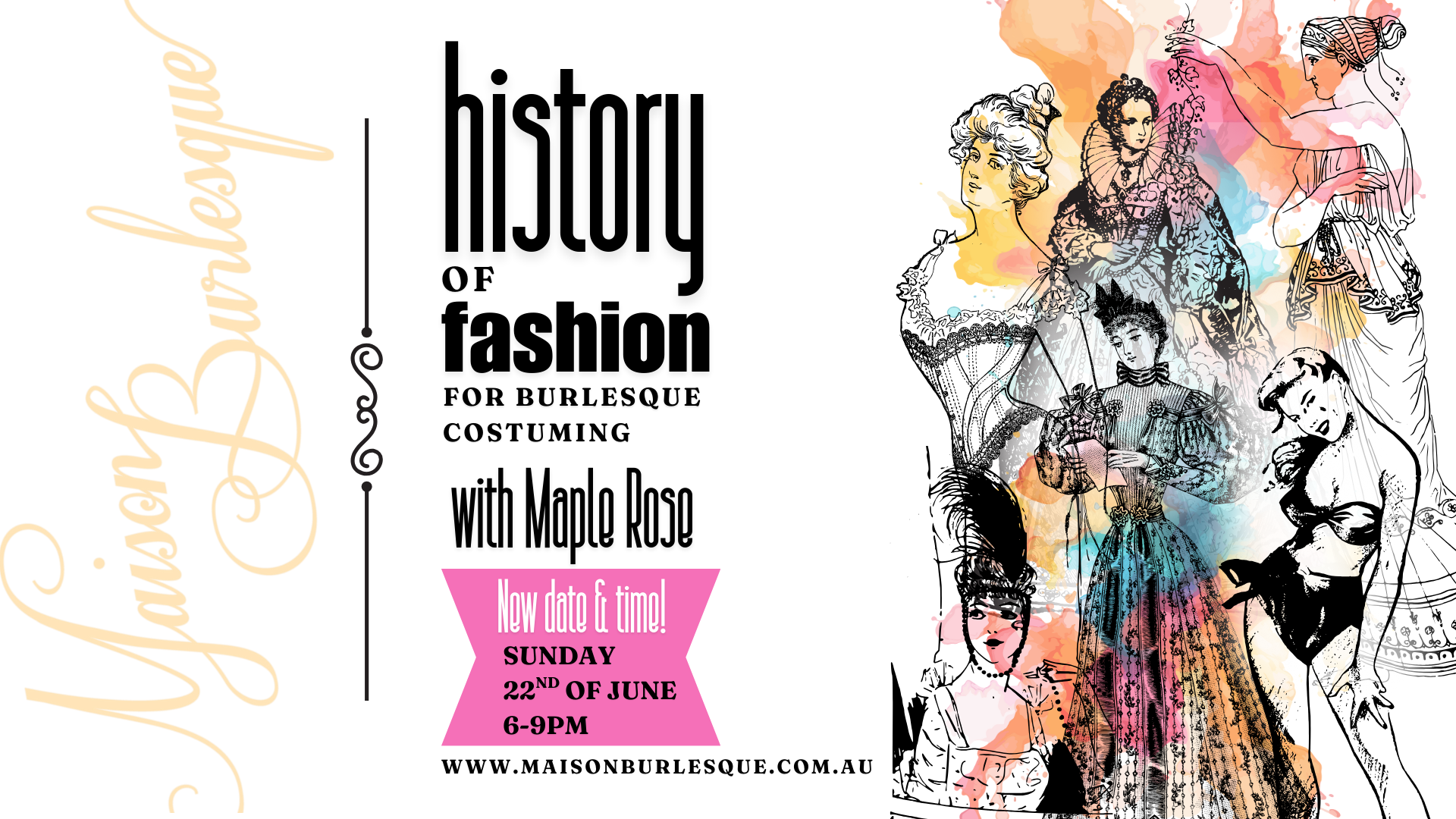
In 2026, finding a fashion history course for every curiosity means choosing between specialized academic degrees, flexible online certificates, and immersive workshop experiences. Whether you are a professional designer seeking inspiration, a researcher documenting textile evolution, or a hobbyist exploring cultural shifts, the right course prioritizes primary source analysis and diverse global narratives.
The study of fashion history has transitioned from a niche academic pursuit into a vital tool for understanding sociology, economics, and environmental impact. In 2026, the landscape of fashion education is more accessible than ever, offering pathways that cater to varying levels of time commitment and professional intent. To navigate these options effectively, one must first identify the specific "curiosity" driving the search—be it technical construction, archival preservation, or the socio-political implications of dress.
Understanding the Scope of Fashion History Education
Fashion history is the systematic study of clothing and adornment throughout human civilization. It is not merely a timeline of changing silhouettes but a complex intersection of art history, material culture, and anthropology. Modern curricula in 2026 have moved beyond the traditional "Western-centric" model, which previously focused almost exclusively on European court dress and Parisian haute couture.
Today, a comprehensive course explores global dress systems, indigenous textile traditions, and the industrial revolutions that shaped modern consumption. This expanded scope ensures that students do not just learn what people wore, but why they wore it, how it was manufactured, and the legacy those garments left behind. For those entering the field, the first step is recognizing that fashion history is an evidentiary science as much as it is a humanities subject.
Categorizing Your Curiosity: Which Path Are You On?
Because "curiosity" is subjective, the educational market is segmented into three primary tiers: professional development, academic research, and personal enrichment.
The Creative Professional: Inspiration and Context
For fashion designers, creative directors, and stylists, history is a repository of ideas. Courses tailored for this group often focus on "Visual Literacy" and "Historical Construction Techniques." In 2026, professionals use these courses to avoid cultural appropriation and to find sustainable solutions by studying pre-industrial garment longevity.
A designer might choose a module on the Drape and Structure of the 1930s to understand bias-cut techniques or look into the Industrial Evolution of Synthetic Fibers to better grasp modern textile limitations. The goal here is application: taking historical data and translating it into contemporary commerce.
The Aspiring Historian: Academic Rigor and Research
Those pursuing careers in museum curation, archiving, or academia require a different level of technical depth. These courses emphasize Historiography—the study of how history is written—and Material Culture Analysis. Students learn to "read" a garment by examining its seams, fabric composition, and signs of wear.
In 2026, these programs frequently include training in digital archiving and 3D garment scanning. Academic courses are generally longer, often leading to a Master’s degree or a specialized PhD. Institutions like the Fashion Institute of Technology (FIT) and the Courtauld Institute of Art remain the gold standards for this rigorous approach.
The Enthusiastic Hobbyist: Enrichment and Culture
For many, fashion history is a way to understand the world. Courses for hobbyists are often shorter, more thematic, and delivered via online platforms. These might focus on specific eras, such as "The Jazz Age" or "Victorian Undergarments," or specific icons, like the "History of the Little Black Dress." The barrier to entry is lower, focusing on storytelling and cultural context rather than technical pattern-making or deep archival research.
Core Pillars of a Comprehensive 2026 Curriculum
Regardless of the course level, certain "pillars" should be present to ensure a high-quality educational experience. When evaluating a fashion history course, look for these key components:
- Object-Based Learning: This involves the physical or high-resolution digital examination of garments. A course that relies solely on illustrations without discussing the weight of the silk or the type of stitching is missing the "material" in material culture.
- Socio-Political Context: Fashion does not exist in a vacuum. A quality course links the rise of the miniskirt in the 1960s to second-wave feminism and the availability of the birth control pill, or the austerity of 1940s fashion to wartime rationing.
- Technical Vocabulary: Students should emerge knowing the difference between a farthingale and a pannier, or the distinction between haute couture and prêt-à-porter.
- Global Perspectives: In 2026, a course that ignores the Silk Road’s impact on European velvet or the influence of West African wax prints on global street style is considered incomplete.
Comparing Course Types and Learning Formats
The following table compares the most common types of fashion history education available in 2026 to help you align your curiosity with the right investment of time and resources.
| Course Type | Average Duration | Ideal For | Key Learning Outcome | Estimated Cost (USD) |
|---|---|---|---|---|
| MOOC (Massive Open Online Course) | 4–8 Weeks | Hobbyists & Beginners | Basic era identification and cultural context | Free – $200 |
| Professional Certificate | 3–6 Months | Career Changers & Stylists | Industry-specific historical application | $1,500 – $5,000 |
| Museum-Led Workshop | 1–3 Days | Local Enthusiasts | Hands-on viewing of specific archives | $100 – $500 |
| Master’s Degree (MA) | 1–2 Years | Curators & Academics | Original research and archival management | $20,000 – $60,000 |
| Self-Paced Short Course | Ongoing | General Interest | Targeted knowledge on a specific designer or era | $50 – $150 |
The Role of Digital Innovation in 2026 Fashion History
By 2026, the technology used in fashion history courses has significantly advanced. Digital Humanities is now a standard part of the curriculum. This includes the use of AI to analyze vast databases of historical trade records and the implementation of Virtual Reality (VR) to "step inside" historic dress collections that are too fragile for public display.
Students in 2026 often use Photogrammetry—the science of making measurements from photographs—to create 360-degree models of 18th-century gowns. This allows for a level of study previously impossible without traveling to London, Paris, or New York. When choosing a course, consider whether they offer access to these digital archives, such as those provided by the Victoria and Albert Museum (V&A).
Career Outcomes and Practical Applications
Studying fashion history is not just about looking backward; it provides a framework for future-proofing a career in the industry. The skills acquired in these courses are highly transferable.
- Brand Heritage Management: Luxury houses like Chanel, Dior, and Gucci employ "Heritage Managers" to maintain their archives and ensure brand consistency across decades.
- Costume Design for Film and TV: Historical accuracy is a major selling point for period dramas. A deep understanding of 19th-century corsetry or 1970s subcultures is essential for costume leads.
- Trend Forecasting: By understanding the cyclical nature of fashion, historians are uniquely positioned to predict which silhouettes or themes will return to the mainstream.
- Journalism and Criticism: Informed fashion writing requires context. Knowing that a "new" trend is actually a revival of a 1920s silhouette allows for more sophisticated and credible reporting.
Common Pitfalls to Avoid When Selecting a Course
As the demand for fashion history education grows, so does the prevalence of low-quality content. Avoid courses that:
- Generalize excessively: If a course claims to cover "The History of Everything People Wore" in three hours, it will likely lack the necessary depth.
- Ignore Construction: Fashion is a three-dimensional craft. If the instructor does not discuss how garments were made, the education is purely aesthetic and lacks technical value.
- Lack Citations: Ensure the course material is backed by primary sources (diaries, original garments, inventory records) rather than just secondary "coffee table" books.
Verifying the Credibility of Online Providers
In 2026, many independent scholars offer courses via their own platforms. To verify their credibility, check their publication record in peer-reviewed journals such as Fashion Theory or The Journal of Dress History. Look for affiliations with recognized bodies like the Costume Society of America or the Association of Dress Historians.
Frequently Asked Questions
Do I need a background in fashion design to study fashion history?
No. While understanding garment construction is helpful, fashion history is primarily a branch of cultural history. Many successful historians come from backgrounds in sociology, art history, or literature. The technical terms can be learned during the course of study.
Are there free fashion history courses available in 2026?
Yes. Platforms like Coursera and edX often partner with universities to offer "Audit" versions of their courses for free. Additionally, many museums offer free lecture series and webinars via their digital portals, providing high-quality information without the cost of a formal degree.
Can I specialize in a specific era right away?
It is generally recommended to take a "Survey Course" first. A survey course provides the chronological framework and vocabulary needed to understand how a specific era (like the Renaissance) fits into the larger narrative of human development. Specialization usually follows foundational knowledge.
How has the 2026 curriculum changed regarding sustainability?
Modern fashion history courses now emphasize the "Long Life" of garments in the past. By studying how people repaired, altered, and repurposed clothing before the era of fast fashion (pre-1990s), students learn practical strategies for the circular economy of the future.
What is the most important skill for a fashion historian?
Critical observation is the most vital skill. You must be able to look at a garment or an image and identify not just the style, but the clues that reveal its date, its wearer’s social status, and the technological capabilities of the time it was made.
Practical Recommendation for Next Actions
If you are just beginning your journey, start by taking a free or low-cost introductory survey course through a reputable platform like the Museum of Modern Art (MoMA) online or the Oxford University Department for Continuing Education. These programs provide a broad overview that will help you identify which specific "curiosity"—whether it be the chemistry of dyes, the ethics of labor, or the aesthetics of the 1950s—you wish to pursue with more intensive, perhaps accredited, study. Once you have identified your niche, look for courses that offer direct access to primary sources or high-resolution digital archives to ensure your education is grounded in material reality.